
Game review
Kusan: City of Wolves
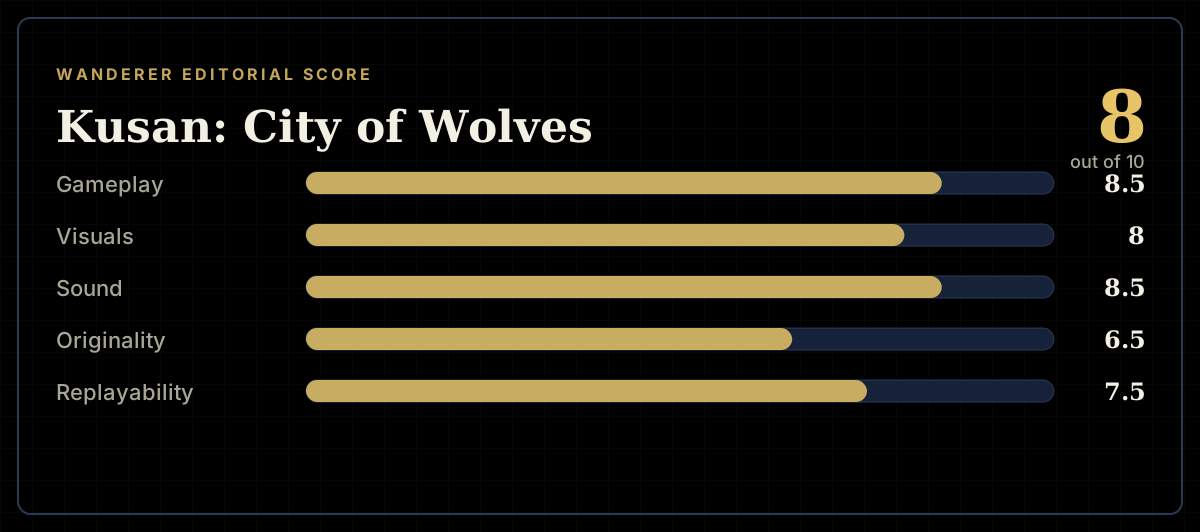
8 / 10
- Developer
- CIRCLEfromDOT
- Publisher
- PQube
- Released
- 30 July 2026
- Platforms
- Windows, PlayStation 5, Xbox Series X|S, Nintendo Switch
- Genre
- Action
- Monetisation
- Premium, one-off purchase
- Players
- Single-player
The short version
Kusan: City of Wolves earns its Hotline Miami comparisons honestly rather than just visually — precise, punishing top-down gunplay across fifty-four hand-crafted stages, a War Hand system that rewards chaining kills and parries rather than button-mashing, and boss fights built as genuine tests rather than damage sponges.
Biggest strengths
- Fifty-four hand-crafted stages avoid the generated-level trap that similar games often fall into, so difficulty comes from design rather than randomness
- The War Hand system ties upgrades directly to how aggressively and precisely you play, rewarding chained kills and parries rather than grinding
- Boss battles are built around distinct, learnable mechanics rather than raw damage output
Biggest weaknesses
- No roguelike structure and no co-op — this is a fixed, single-player, replay-for-mastery experience, which will disappoint players expecting either
- The difficulty is the whole point, which also means it's a hard no for anyone who doesn't already enjoy precision-punishment action games
- As a day-one review, broad player sentiment (Steam user reviews, long-term balance feedback) isn't available yet — this verdict leans on critical reception and the game's own documented systems
Who it's for: Players who want their action games hard and their runs short — fans of Hotline Miami, precision roguelike-adjacent shooters, and anyone who likes S-rank chasing as its own reward.
Our recommendation: A strong buy for players who already know they like this specific flavour of punishing, stylish action. If one-hit deaths and repeated attempts aren't your idea of fun, this genre was never going to convert you and this entry won't either.
8 / 10
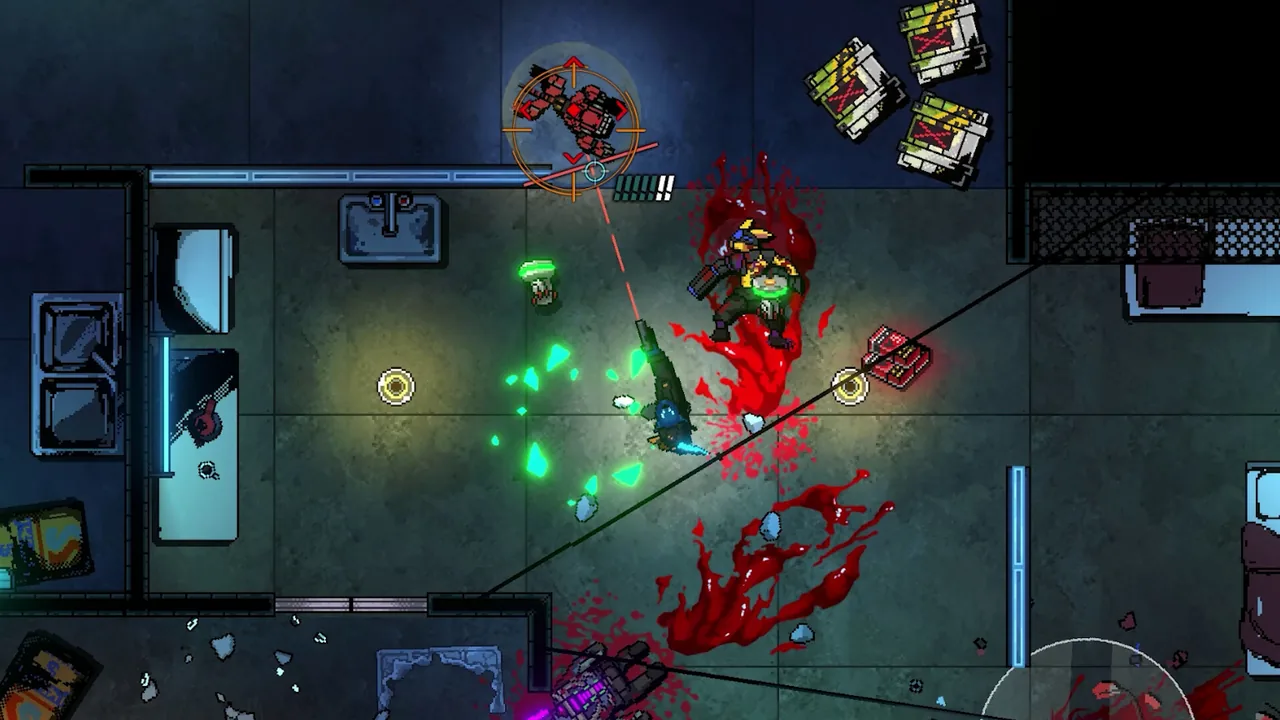
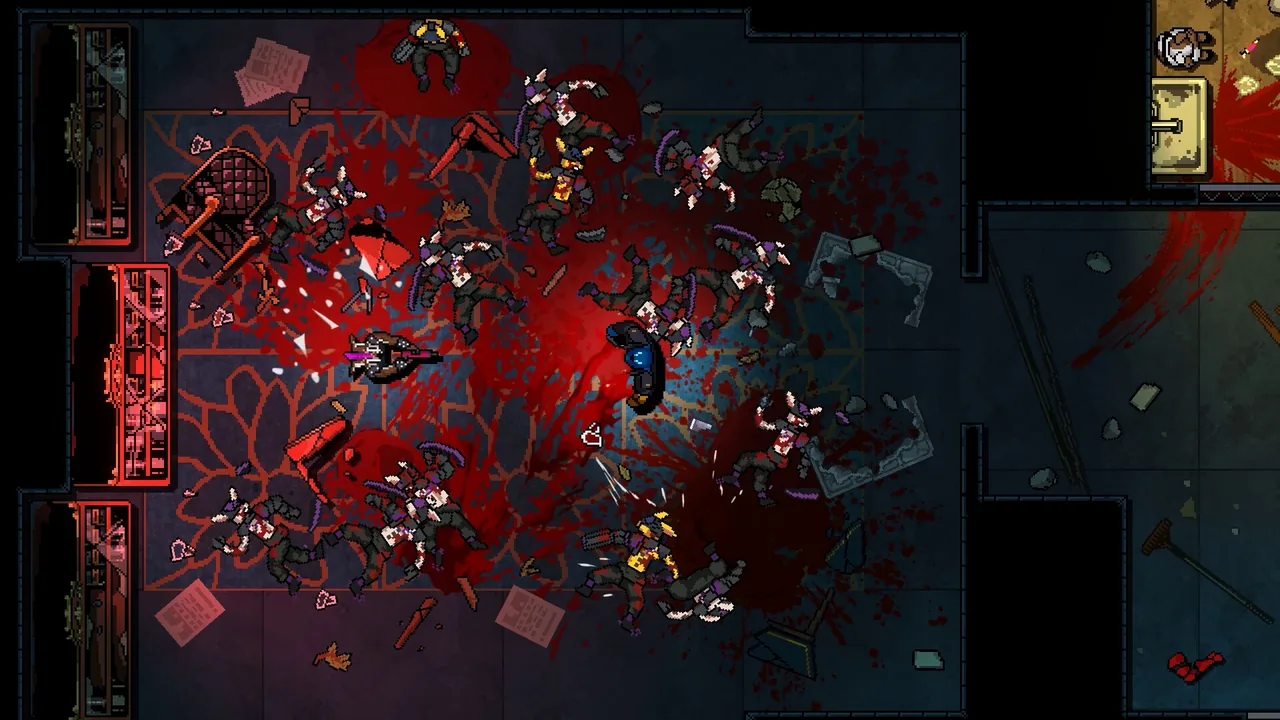
Jin is an ex-soldier turned gun-for-hire in a rain-soaked, neon-lit city that's stopped pretending it isn't run by violence, and Kusan: City of Wolves wants you to feel every second of that violence rather than watch it happen to someone else. This is a top-down shooter built in the language Hotline Miami popularized — one hit kills you, precision beats speed, and getting good at a level is the actual content — and it's confident enough in that language to lean on it completely rather than soften it for a wider audience.
Fifty-four stages, no shortcuts
The headline decision is structural: fifty-four hand-crafted stages across multiple chapters, not a procedurally generated gauntlet. That choice matters more than it might sound like it should. Games in this genre that lean on randomization are, by design, asking you to get lucky as often as they're asking you to get good; a hand-built stage is a fixed puzzle, and mastering it is mastering something the designers actually intended rather than something the algorithm happened to produce. Skill-based puzzles and S-rank challenges sit on top of the core campaign for players who want the game to keep testing them after the story stages are cleared.
The War Hand progression system ties directly into that philosophy. Upgrades come from chaining kills and parries rather than accumulating currency through repetition, which means getting better at the moment-to-moment combat is the same activity as building your loadout. Firearms and blades unlock through play rather than a shop, and the customization on offer is about matching a playstyle you've already found rather than picking one from a menu before you understand what any of it does.
Bosses that ask a real question
Boss fights are the clearest evidence of a team that understands the genre they're working in. Rather than damage-sponge encounters that test patience more than skill, Kusan's boss battles lean on distinctive mechanics and high-stakes attack patterns that demand you actually read and answer them — closer to a rhythm-based duel than a straightforward gunfight. It's the kind of design that separates a genuinely good entry in this space from one just borrowing its aesthetic.
Presentation with real identity
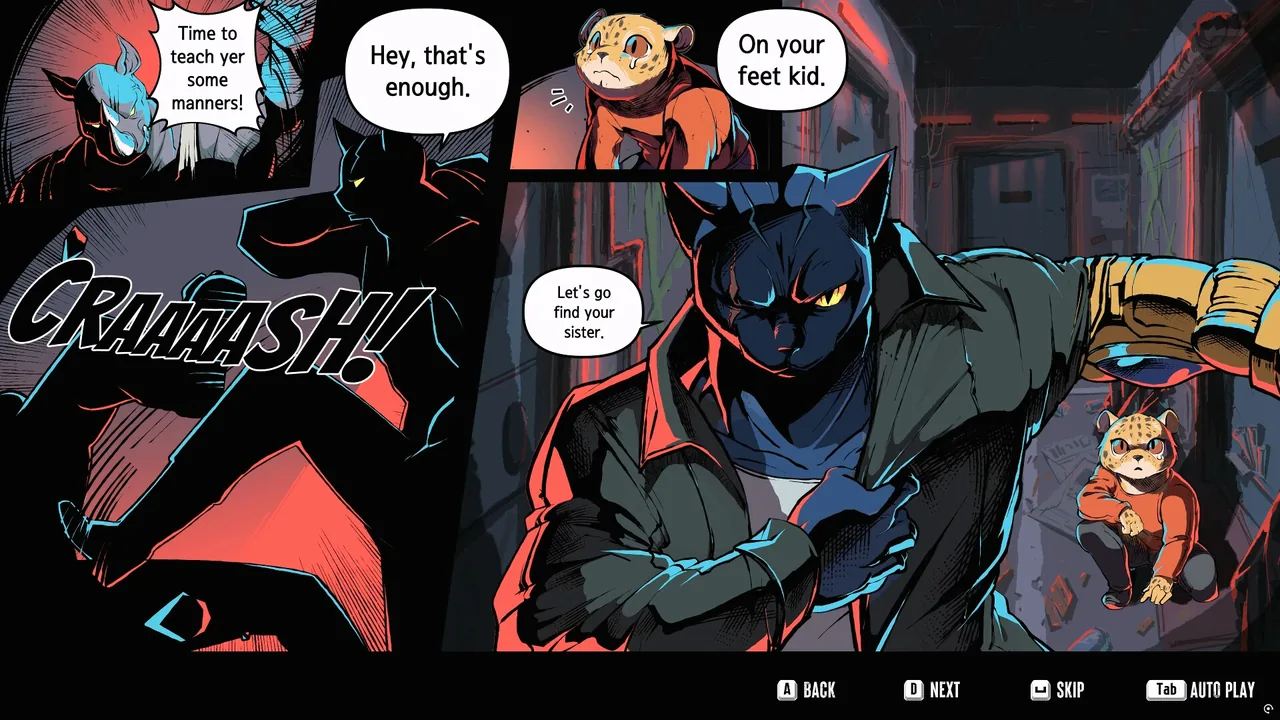
Comic-panel cutscenes, sharply framed and cinematically paced, do a lot to make the city and its conspiracy feel like more than a backdrop for the shooting. Loptimist's soundtrack, built from Korean hip-hop's energetic 808s and loops, gives the violence a rhythm that matches the genre's best examples rather than just gesturing at them. None of this reinvents what a stylish, hardcore top-down shooter is supposed to look and sound like — but it executes that established formula with real craft rather than treating the aesthetic as decoration.
What this review can and can't tell you
This is a same-day release, so what's available is critical reception rather than a settled player consensus. Early scores are strong — 8.4 out of 10 from Inven, 9 out of 10 apiece from Gamer Social Club and Gameliner — and outlets have reached for Hotline Miami as the honest comparison rather than the lazy one. What isn't yet knowable is how the difficulty curve holds up over dozens of hours of real player feedback, or whether any specific stage or boss becomes a notorious sticking point once thousands of players have actually fought through it. Worth revisiting once that picture fills in.
Final verdict
Kusan: City of Wolves is a confident, well-crafted entry in a genre that punishes half-measures, and it doesn't make any. Fifty-four hand-built stages, a kill-chaining upgrade system that rewards actually getting better, and boss fights built as tests rather than checklists add up to a game that knows exactly what it's for.
It lands at eight rather than higher mostly because of what it deliberately doesn't do — no roguelike variety, no co-op, nothing to soften the difficulty for players who aren't already sold on this specific kind of punishing precision action. For the audience it's built for, that's not a weakness. For anyone outside that audience, it was never going to be the game that converted them, and it isn't trying to be.
Reviewed at launch, 30 July 2026 — check the store listing for current pricing.
If your idea of tension is a slower burn than one-hit deaths allow, Wanderer trades Kusan's split-second precision for a much longer game.
Pros and cons
Pros
- Fifty-four hand-crafted stages avoid the generated-level trap that similar games often fall into, so difficulty comes from design rather than randomness
- The War Hand system ties upgrades directly to how aggressively and precisely you play, rewarding chained kills and parries rather than grinding
- Boss battles are built around distinct, learnable mechanics rather than raw damage output
- Comic-panel cutscenes give the neon, rain-soaked city real visual identity between fights
- Loptimist's soundtrack matches the on-screen violence beat for beat
- Strong early critical reception, including comparisons to Hotline Miami from outlets that don't hand those out lightly
Cons
- No roguelike structure and no co-op — this is a fixed, single-player, replay-for-mastery experience, which will disappoint players expecting either
- The difficulty is the whole point, which also means it's a hard no for anyone who doesn't already enjoy precision-punishment action games
- As a day-one review, broad player sentiment (Steam user reviews, long-term balance feedback) isn't available yet — this verdict leans on critical reception and the game's own documented systems
Screenshots
-
Kusan: City of WolvesImage: PQube via Steam -
Kusan: City of WolvesImage: PQube via Steam -
Kusan: City of WolvesImage: PQube via Steam -
How the review scores each part of the gameWanderer Editorial -
The short versionWanderer Editorial