
Game review
Tap Wizard 2
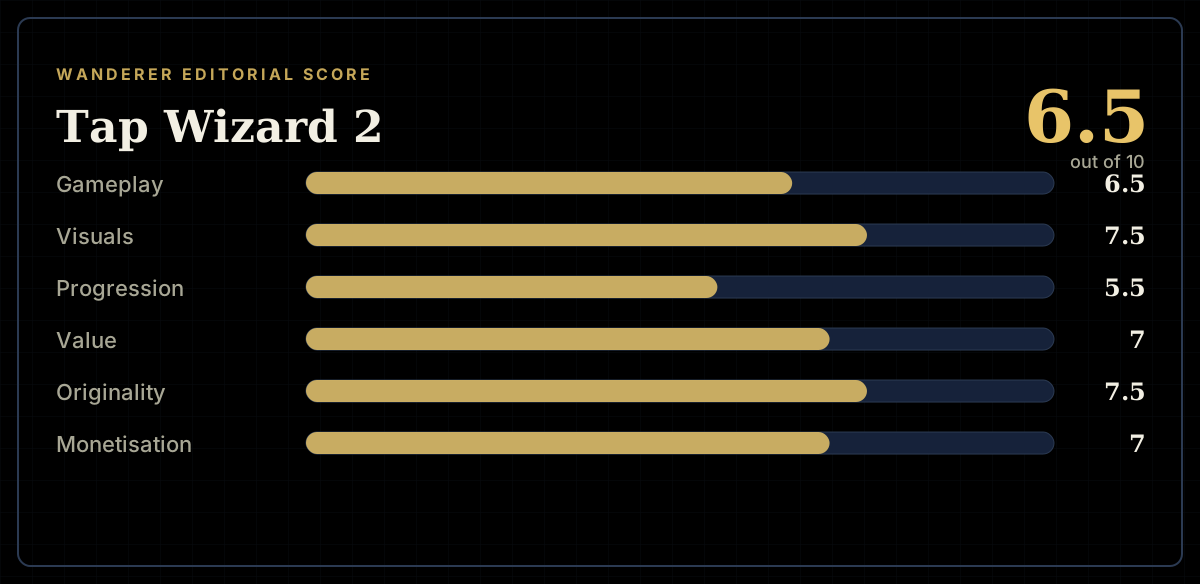
6.5 / 10
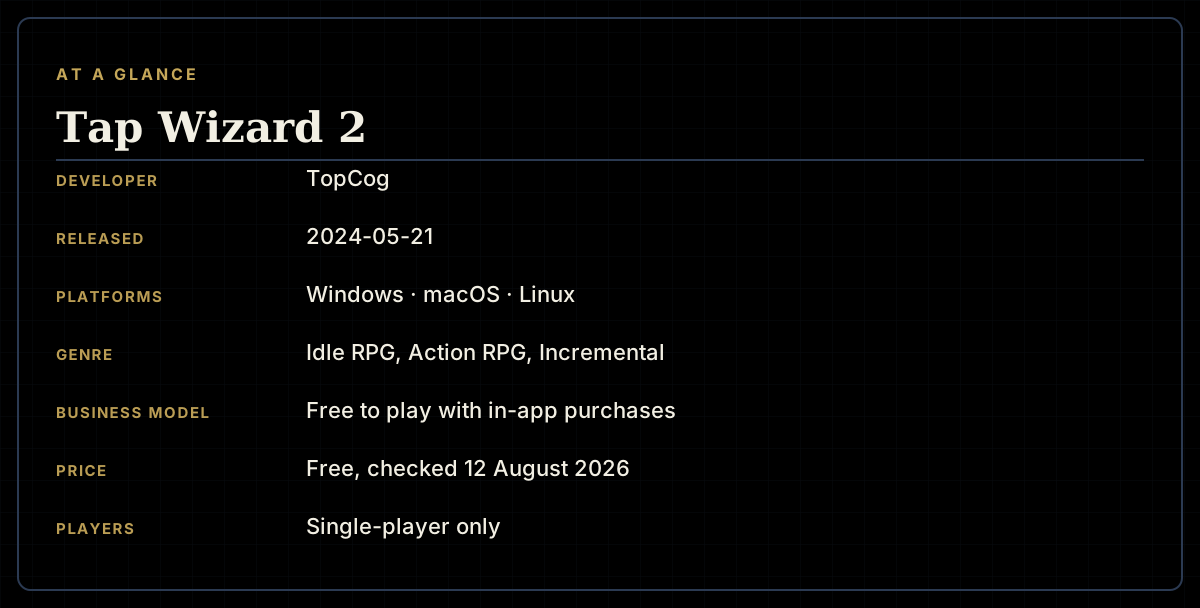
- Developer
- TopCog
- Publisher
- TopCog
- Released
- 21 May 2024
- Platforms
- Windows, macOS, Linux
- Genre
- Idle RPG, Action RPG, Incremental
- Monetisation
- Free to play with in-app purchases
- Players
- Single-player only
The short version
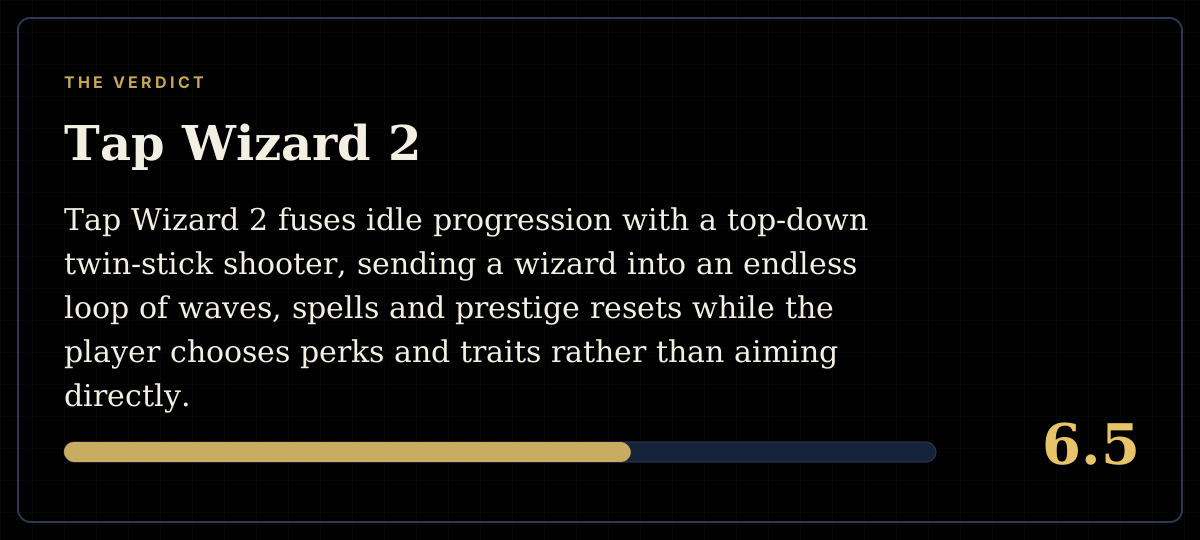
Tap Wizard 2 fuses idle progression with a top-down twin-stick shooter, sending a wizard into an endless loop of waves, spells and prestige resets while the player chooses perks and traits rather than aiming directly. Free to play, developed and published by TopCog, it exited a two-and-a-half-year Early Access on 21 May 2024. Its 345 English-language Steam reviews sit at Mostly Positive (roughly 71%), and its own defining mechanic — a "lantern" system that throttles gains sharply while the game is left unattended — is exactly why: reviewers with genuinely enormous playtime keep coming back to a game that actively refuses to let them walk away from it, while others feel cheated by a label that promises idling and delivers the opposite.
Biggest strengths
- Genuinely unusual hybrid of idle stat-building and real top-down combat, with pixel art and spell effects reviewers across the sample single out as a clear step up from most free idle games
- A dedicated core audience exists and sticks around for hundreds of hours; several of the most detailed reviews come from accounts with 700-plus hours logged
- Monetisation reads as unusually restrained for a free idle game — the negative sample barely mentions pressure to spend, and multiple reviewers note meaningful progress is achievable without paying
Biggest weaknesses
- The "lantern" mechanic that throttles offline and unattended gains to roughly a fifth of the active rate is the single most contested design choice in the whole review sample, and it directly contradicts what most players expect from an "idle" game
- The awakening/prestige loop draws consistent complaints about static, front-loaded rewards that make later resets feel like a chore rather than an escalation; global achievement data shows only 29.5% of tracked players ever complete the first prestige and under 2% reach the later tiers
- Two and a half years of Early Access reviews are folded into the lifetime score, and several of the loudest negatives compare the sequel unfavourably to the original Tap Wizard rather than judging it on its own terms
Who it's for: Fans of prestige-loop incrementals who want a game with real combat feel and don't mind checking in every few minutes; a poor fit for anyone who wants a background-running clicker they can genuinely ignore for hours.
Our recommendation: A free, mechanically distinctive idle-action hybrid with real depth for players willing to engage with it actively, held back by a punishing prestige curve and a name that oversells how idle it actually lets you be.
6.5 / 10
Introduction
Tap Wizard 2 is a free-to-play sequel to a modest mobile hit, rebuilt as a PC idle game that insists on being watched. A wizard fights endless waves of monsters from a top-down perspective while the player shapes the build — spells, perks, traits, an ever-expanding memory tree — rather than steering directly. Developed and published by TopCog, it spent two and a half years in Early Access before exiting to a full release on 21 May 2024. Over a year on from that 1.0 date, it carries 345 English-language Steam reviews sitting at Mostly Positive, roughly 71%. Read the negative sample in full and the positive sample's most-upvoted entries, and one design decision explains almost everything about why opinion splits the way it does.
A shooter that plays itself, mostly
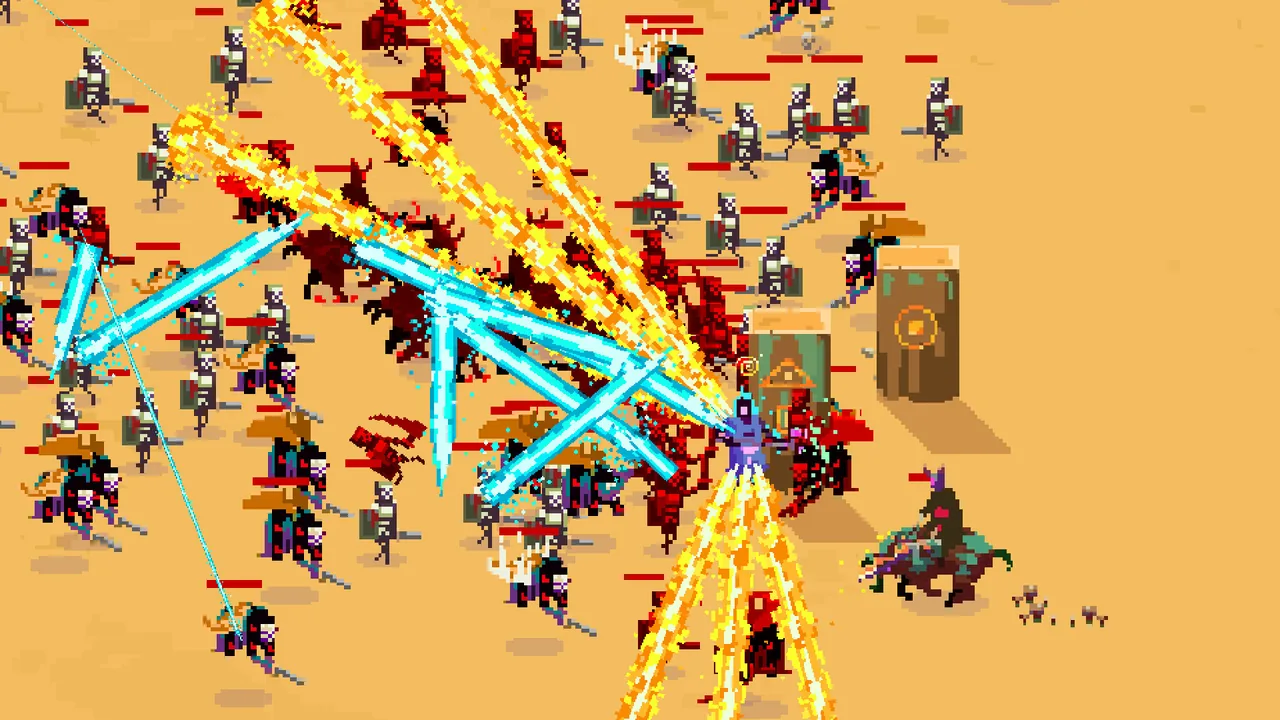
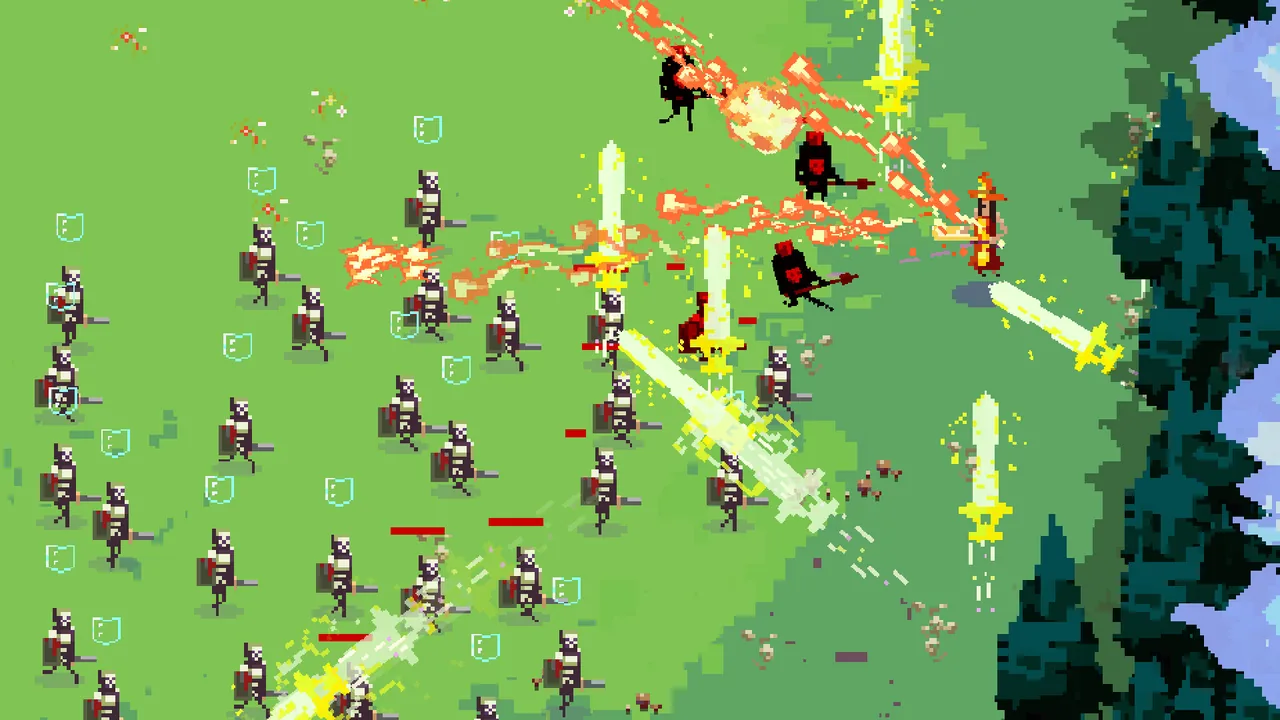
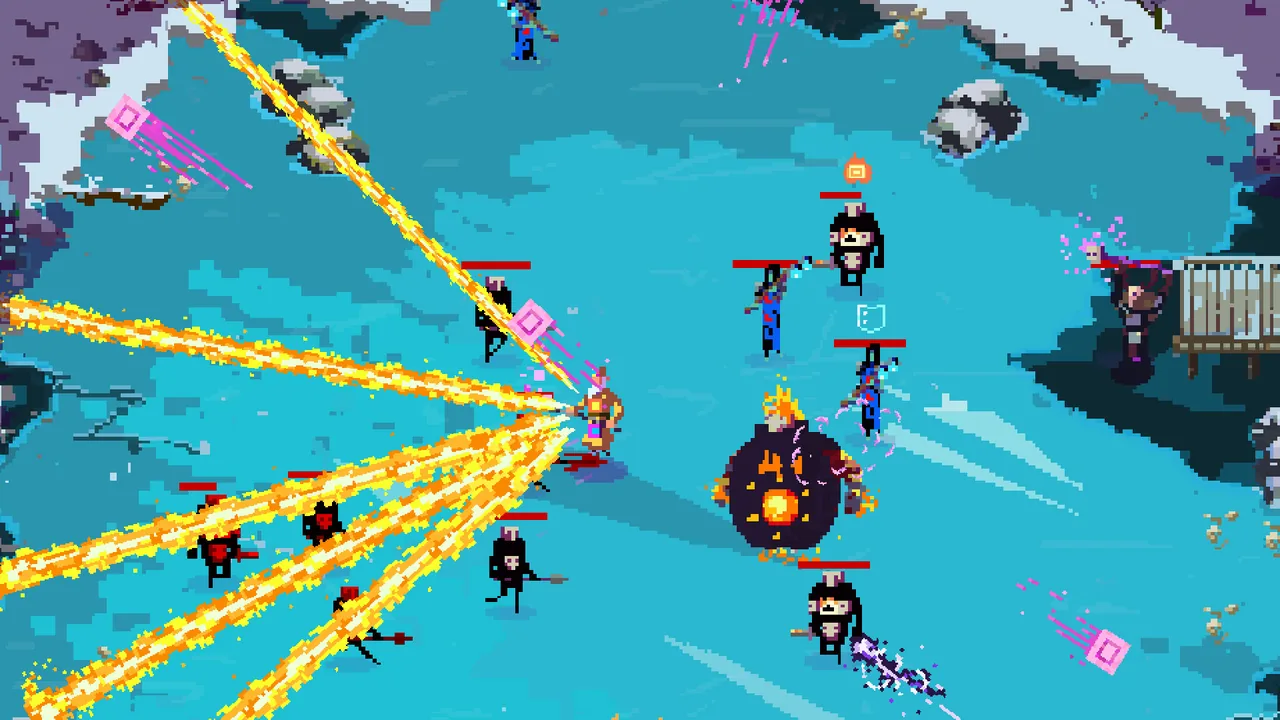
The core loop borrows more from twin-stick action than from Cookie Clicker. The wizard auto-aims and auto-fires at whatever is nearest, and the player's job is entirely about the build underneath that: which spells go on the bar, which passive perks and traits get slotted in, and which of the "Fates" and awakening bonuses to chase next. Reviewers across the sample credit this as the game's real hook — a wizard genuinely dying to being surrounded, needing you to reposition and reallocate rather than simply waiting for numbers to climb, gives the moment-to-moment loop a texture most pure incrementals never bother with. The pixel art draws specific, repeated praise for its density and personality, and the spell effects in particular are singled out as a level above the usual free idle-game visual template.
The community tag votes on its own store page back this framing up: Idler sits on top by a narrow margin, but Top-Down Shooter, Pixel Graphics, Action RPG and Incremental all cluster close behind it, and Dark Fantasy outranks the base genre "Fantasy" tag entirely. This is a game its own audience has voted for as a genre blend, not a straightforward idler with combat dressing.
The lantern problem
Here is the mechanic every serious review of this game eventually has to address. Leave Tap Wizard 2 running unattended — the thing an "idle game" exists to let you do — and a lantern indicator appears that throttles resource gains down to roughly a fifth of the active rate. Several reviewers describe testing this directly: leaving the game running for hours at work or overnight and coming back to find almost nothing to show for it, in stark contrast to genres like this one usually promising exactly that kind of background progress. One reviewer, walking through the maths, called the design "borderline anti-idle" and argued that a game which demands you tap in every few minutes while punishing you for genuinely walking away is not resting on false advertising so much as an active contradiction of its own premise.
The fairer reading, made by reviewers on the positive side of the same argument, is that this is a deliberate design choice rather than an oversight. One long-time player described it as "active idle" — a game not built to let you burn electricity overnight for free progress, but to reward short, frequent check-ins throughout a day, the way a mobile session-based game does. Both readings describe the same mechanic accurately; they simply disagree about whether that is a fair trade for a game that calls itself an idler. Given that "offline" and its variants appear across a meaningful share of the negative sample and barely register in the positive one, it is fair to say this particular argument is the review base's central fault line, not a minority complaint.
A prestige loop that gets harder, not easier
Awakening — Tap Wizard 2's prestige system — resets the player's staff level in exchange for permanent bonuses on a memory tree, the standard incremental trade. The complaint that recurs across the negative sample is that the bar for each successive awaken rises while the rewards stay largely fixed, so later resets feel less like an escalating power fantasy and more like an increasingly long wait for a smaller relative gain. One detailed review argued the system "never becomes any easier, but rather becomes more difficult," which is an unusual thing to say about a prestige mechanic whose entire genre convention is to make each loop faster than the last.
Steam's global achievement data corroborates that this isn't just a vocal minority talking past the mechanic. "Awaken," the achievement for completing a single prestige cycle, sits at 29.5% of all tracked players — meaning roughly seven in ten players who picked the game up never reach the system that reviewers describe as its actual long-term structure. The curve falls sharply from there: 22.9% for a second milestone, 14.4% for a third, and every achievement past the first six sits under 6%, with the deepest tiers below 1%. That's a genuinely steep completion cliff, and it lines up precisely with the negative sample's argument that the game's stated long-term hook is also its biggest source of attrition.
Monetisation that mostly stays out of the way
For a free-to-play game, Tap Wizard 2's review base is unusually quiet about money. Across the full negative sample, direct references to paying, microtransactions or feeling pressured into spending are rare — a handful of mentions rather than a dominant theme — and more than one reviewer specifically calls out that meaningful progress is achievable without ever opening the shop. That's a genuinely good outcome relative to the wider free idle-RPG field, where predatory monetisation is often the loudest complaint in the room. It doesn't mean the shop doesn't exist, and a small number of reviewers do describe premium currency as a convenience purchase for players who want to move faster through the awakening grind described above — but nothing in the corpus reads as pay-to-win, and nothing suggests the free path is deliberately sabotaged to sell a shortcut.
A game still carrying its Early Access history
Tap Wizard 2 entered Early Access on 20 December 2021 and did not reach 1.0 until 21 May 2024, and the lifetime review score folds all of that together. Of the 98 English-language negative reviews read for this piece, 76 predate the full release — meaning most of the loudest criticism describes a build that has since had two and a half years of "Era" content, boss reworks and quality-of-life patches layered on top of it. Filtered to only the post-1.0 window, the negative sample shrinks to 22 reviews, and its complaints are more concentrated: offline throttling, an overwhelming interface with too many overlapping menus and too little explanation, and — from at least one veteran of the original mobile game — a sense that this sequel trimmed features rather than adding them.
Content has also visibly slowed. The update history runs steadily from early 2022 through Era 6 in April 2023, Paradox Gate in February 2024 and a further era-cap increase in December 2024, but the most recent patch on record dates to July 2025 — over a year old at the time of this review, on a game that spent its Early Access years shipping updates every few weeks.
Final Verdict
Tap Wizard 2 is a genuinely unusual game, and the review base's own extremes make the case for it better than any marketing copy could: players with hundreds, sometimes over a thousand, hours logged keep returning to a free idle-action hybrid with real combat feel, restrained monetisation and pixel art that consistently earns specific praise rather than generic approval. What holds it back from a stronger score is that its central identity — an idle game that actively punishes idling — is a legitimate source of friction rather than a matter of taste, and its prestige loop backs that friction up with hard numbers: fewer than a third of players ever complete a single awaken. If the active-idle trade sounds appealing, this is a free download with real depth behind it. If you were hoping to leave it running overnight and come back to progress, the lantern will disagree with you, and its own most invested fans will tell you that's the point.
Pros and cons
Pros
- Genuinely unusual hybrid of idle stat-building and real top-down combat, with pixel art and spell effects reviewers across the sample single out as a clear step up from most free idle games
- A dedicated core audience exists and sticks around for hundreds of hours; several of the most detailed reviews come from accounts with 700-plus hours logged
- Monetisation reads as unusually restrained for a free idle game — the negative sample barely mentions pressure to spend, and multiple reviewers note meaningful progress is achievable without paying
- The "Era" and "Umbra Lord" boss content added steadily through 2022 and 2023 gives the game real structural depth beyond its opening hours
Cons
- The "lantern" mechanic that throttles offline and unattended gains to roughly a fifth of the active rate is the single most contested design choice in the whole review sample, and it directly contradicts what most players expect from an "idle" game
- The awakening/prestige loop draws consistent complaints about static, front-loaded rewards that make later resets feel like a chore rather than an escalation; global achievement data shows only 29.5% of tracked players ever complete the first prestige and under 2% reach the later tiers
- Two and a half years of Early Access reviews are folded into the lifetime score, and several of the loudest negatives compare the sequel unfavourably to the original Tap Wizard rather than judging it on its own terms
- Content updates have visibly slowed since mid-2025, and the interface is frequently described as cluttered, with too many overlapping menus for a game with this little text explaining them
Screenshots
-
Tap Wizard 2Image: TopCog via Steam -
Tap Wizard 2Image: TopCog via Steam -
Tap Wizard 2Image: TopCog via Steam -
How the review scores each part of the gameWanderer Editorial -
The essentials at a glanceWanderer Editorial -
The short versionWanderer Editorial