Everyone expects the complaint about this game to be Ultimate Team. It isn't — Ultimate Team appears in 14 of its hundred most-helpful negative reviews, and memory leaks, resetting settings and save-wiping crashes appear in far more.
A genuinely charming fairytale-themed city-builder whose reputation is defined less by its cozy first hours than by a confirmed, permanent bug at the game's late-game Nobles tier that starves villagers to death regardless of food supply — one the developers announced their final patch without fixing before moving on to a new project.
A zombie-survivors auto-shooter that bolts a permadeath mercenary camp onto the Vampire Survivors formula, then largely stopped receiving new content the year after it left Early Access. The base-building risk-reward loop is genuinely distinct; the 330-achievement grind underneath it is not.
Five years of development, a new engine, a genuinely brilliant tactical system — and an interface that its own 25,000-hour veterans call a nightmare, on a game that shipped missing features it had a decade ago.
Tokyo RPG Factory's third game asks a genuinely unusual question for an action RPG — what do the dead owe the living? — and its own small Steam audience agrees the demo-length opening answers it better than the 20-hour game built around it does.
A Dungeons & Dragons-licensed CRPG that split its own review base almost exactly down the middle over one question — is its simplified, MMO-style skill-tree combat a bait-and-switch on the 5th Edition rules it was marketed with, or a decent action-RPG judged too harshly against tabletop expectations? Neither side won: the developer collapsed five months after launch, the D&D licence lapsed two years later, and the game was pulled from sale entirely on 1 January 2018.
The Torchlight series' return from a scrapped free-to-play MMO experiment landed as a slimmer, shallower action RPG than its beloved predecessor — and six years on, its Mixed Steam rating hasn't moved an inch, even as the studio that made it no longer exists.
A gorgeous, Breath of the Wild-indebted survival roguelite about a shipwrecked warrior sailing between procedural islands — praised for its art and boat-building, undercut by a identity crisis between story, survival and permadeath that most players never resolve, since fewer than one in eleven ever finishes it.
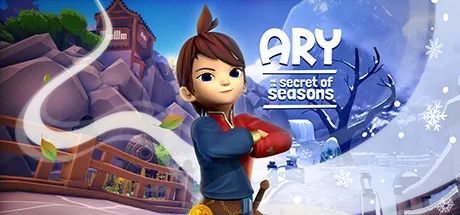
A charming season-manipulation fantasy adventure with a genuinely smart central mechanic and a well-told story, sunk at launch by a level of bugs, screen-tearing and broken abilities that both critics and players describe as feeling closer to a beta than a finished game.
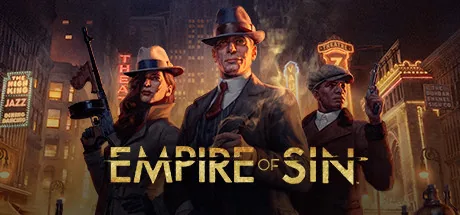
A genuinely novel pitch — Prohibition-era Chicago as a hybrid of XCOM tactics and Civilization-style empire management — from Doom co-creator John Romero's studio, undone by a buggy, shallow launch and, three years later, an outright abandonment that left a paid, pre-purchased second expansion permanently unreleased.
Gust's turn-based adaptation of the Fairy Tail manga delivers real fan-service value in its combat and guild management, but a heavily compressed story, reused assets and a genuinely extreme 62-item DLC catalogue on top of a full-price tag turn even fans of the series against it.
A genuinely inventive monster-breeding RPG with a darker Pokémon-adjacent premise and a crossbreeding system its own fans call one of the best in the genre, sitting inside a game that a remarkably large share of its players — across four years of reviews — describe as too bug-riddled to finish.
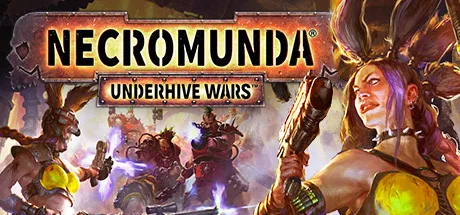
A Warhammer 40,000 gang-warfare tactics game with real strategic ideas, undone at launch by crashes, save corruption and broken AI so severe that its own most-upvoted review opens with a warning not to buy it — patched hard for nine months, then abandoned entirely in mid-2021.
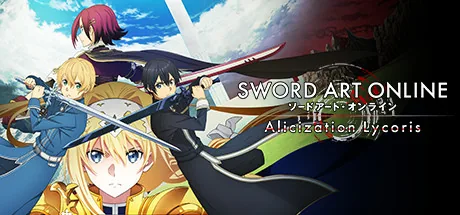
A licensed action RPG retelling Sword Art Online's Alicization arc, with combat fans genuinely like buried under launch-week performance problems, a slow first act that plays more like a visual novel than a game, and a gacha loot-box layer stacked on top of an already full-price purchase.
A PS5 launch title that charged a premium at the dawn of the $70 console generation for a repetitive looter-slasher critics rated Weak — and one that, six years on, still requires an internet connection to play solo, from a studio that shut down in January 2025 with no offline mode ever announced.
A Korean-myth action RPG built around a genuinely interesting idea — no levels, just relics, unique weapons and eighty tragic bosses — arrives with no PC graphics options, weak Metacritic scores on both platforms, and a pre-launch AI-art controversy the director says is fixed and plenty of players say they can still see.
Rocksteady Studios, the beloved creators of the Batman: Arkham trilogy, followed it with a full-price live-service looter shooter that critics scored a mixed 60 on Metacritic and players rated a severe 3.8 out of 10 — a gap serious enough to fuel widespread, unresolved allegations of review manipulation, and a commercial collapse confirmed by the game's own history: live content ended eleven months after launch, and it now regularly sells at a 95% discount.