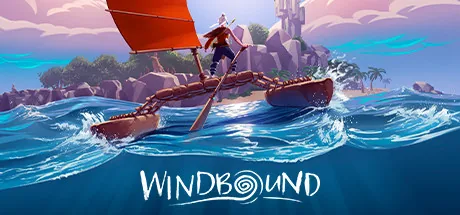
Game review
Windbound
5.5 / 10
- Developer
- 5 Lives Studios
- Publisher
- Deep Silver
- Released
- 28 August 2020
- Platforms
- Windows, PlayStation 4, Xbox One, Xbox Series X|S, Nintendo Switch
- Genre
- Survival Adventure RPG
- Monetisation
- One-time purchase, no DLC and no in-game store. Development ran for roughly six months after launch — three free content updates between October 2020 and early 2021 — before going quiet, with nothing further released since
- Players
- Single-player only
The short version
Windbound drops you as Kara, a warrior separated from her tribe in a storm, onto a chain of procedurally generated islands with nothing but the will to survive. You forage, craft a raft, hunt increasingly strange wildlife, and sail toward the horizon in search of a way home, with permadeath resetting your run — though not your account-wide "Blessings" — every time you die. It is, by a wide critical and player consensus, one of the best-looking survival games of its year: cel-shaded islands, a gorgeous score, and a boat-building loop that reviewers single out as genuinely satisfying. Metacritic and OpenCritic both settled at 65, "Weak" by OpenCritic's own label — mixed, not bad.
What keeps it there is a game that can't decide what it wants to be. It borrows survival's resource management, roguelite's permadeath and reset structure, and a slow-burn environmental story all at once, and reviewers and players alike say none of the three gets enough room to work. Valve's own achievement data makes the cost concrete: of the players who've unlocked at least one achievement, only 8.7% have the one for finishing the game at all.
Biggest strengths
- Striking cel-shaded art direction and a strong score that both critics and players single out consistently, even in otherwise negative reviews
- The boat-building and sailing loop — scavenging driftwood and cloth to expand your raft — is the game's standout system and its most original idea
- The developer kept working on it after launch: three free updates between October 2020 and early 2021 added an Endless mode, reworked melee combat, new enemy types and a photo mode
Biggest weaknesses
- Combat is thin and repeatedly criticised as clunky — a single melee attack button, an unreliable lock-on, and weapons reviewers describe as barely denting anything
- The survival, roguelite-permadeath and narrative-exploration systems pull against each other rather than reinforcing one another, which is the throughline of almost every negative review
- Global achievement data shows most owners never see the ending: only 8.7% have unlocked FINISH_GAME, against 22.4% for the very first speed-related achievement
Who it's for: Players who want a shorter, gorgeous, slightly punishing survival game about the journey rather than the base-building — fans of Breath of the Wild's exploration feel who don't need deep crafting systems. A poor fit for anyone who wants a long-term survival base to grow, or who bounces off permadeath resetting real progress.
Our recommendation: Worth it on a sale for the art direction and boat-building alone, with expectations set correctly: a five-to-eight-hour experience most owners don't finish, not an open-ended survival sandbox. The developer's three free post-launch updates genuinely improved the rougher edges, so the 2020 launch build is not the one you'd be playing today.
5.5 / 10
Shipwrecked between three different games
Kara is thrown overboard in a storm and washes up alone on the Forbidden Islands with nothing. Windbound's opening hour is, on its own terms, a small triumph of environmental storytelling: no tutorial pop-ups, no hand-holding, just a beach, a knife you cobble together from driftwood and stone, and a horizon full of other islands you can see but not yet reach. Developer 5 Lives Studios — the Australian team behind 2015's Satellite Reign, a well-regarded spiritual successor to the original Syndicate — clearly understood how to make a first impression. Several reviewers, including some who ultimately couldn't recommend the full game, single out that opening stretch as some of the best survival-game pacing of 2020.
The trouble starts once the systems underneath that opening have to carry a full playthrough. Windbound is built from three components that don't quite agree with each other: a resource-and- crafting survival loop, a roguelite structure where death sends you back to the start of your current chapter with only permanent "Blessing" upgrades carried over, and a slow-drip narrative about Kara's people and the islands' past that unfolds across five main chapters. Reviewers consistently describe the seams: the survival systems are too shallow to reward long-term investment the way a dedicated survival game would, the roguelite reset punishes exploration rather than encouraging build variety the way a dedicated roguelite would, and the story needs an uninterrupted, exploratory pace that permadeath keeps cutting off. None of the three ideas is bad in isolation. None of them gets enough space to be the game's actual spine.
What holds up: the boat, and the look
Ask reviewers and players what they'd keep, and the answer is consistent: the boat, and the art. Scavenging driftwood and cloth to expand a simple raft into a proper sailing vessel — adding hulls, sails, and eventually the ability to weather rougher seas — is the system Windbound's own marketing leads with, and it's the one both critics and Steam reviewers agree earns that billing. It's a genuinely novel hook for the genre: your boat is your only permanent base, carried with you between islands rather than built once and defended.
The cel-shaded art direction draws constant, unprompted comparisons to The Legend of Zelda: Breath of the Wild across the review corpus, alongside a score reviewers call one of the best parts of the whole experience. It is not faint praise repeated out of politeness — it shows up inside two- and three-star Steam reviews from players who otherwise can't recommend the game, which is usually a reliable sign a compliment is sincere rather than obligatory.
Combat gets none of that goodwill. The melee kit amounts to a single attack button and a dodge, against a lock-on system multiple reviewers describe as unreliable in exactly the moments it matters. One negative review lays out the specific frustration: "spear weapons stab only into the ground to cripple only the ankles of whatever you're fighting, slingshots and bows deal damage that is negligible to anything other than squirrels." For a game that increasingly throws larger, more dangerous wildlife at you as you progress toward its later chapters, a combat system this thin becomes the wall a lot of players hit.
The evidence that most players don't finish it
Valve's global achievement statistics turn "it loses people partway through" from a review-corpus impression into a number. Among players who've unlocked at least one Windbound achievement — a reasonable proxy for people who genuinely started the game rather than refunded it in the first ten minutes — 22.4% have SPEED_RACER (an early-game achievement) and 14.6% have MOTHERSHIP. By the time you get to FINISH_GAME, completion has dropped to just 8.7%. Fewer than one in eleven players who engaged with the game at all ever saw its ending.
Reading the 100-review negative sample by year shows this isn't a launch-week phenomenon that faded — it's persistent. 24 of the sampled negative reviews land in 2020, but 27 land in 2021, and the game keeps drawing single-digit counts of fresh negative reviews every year through 2025 and 2026, six years after release. The specific complaint that recurs across that whole span is the death-and-respawn loop: reviewers describe long, repetitive treks back to where they died as the point where "grinding" tips over into "doing the exact same thing again," in the words of one 2021 review, rather than the meaningful variation a good roguelite reset is supposed to offer.
Credit where it's due: the developer kept working
Unlike a number of games in this batch of reviews, Windbound didn't ship, get a Mixed reception, and get abandoned the same month. 5 Lives Studios pushed three substantial free updates between October 2020 and early 2021: a new Endless Play mode that let you keep exploring past the fifth chapter (with death resetting progress but keeping your Blessings), a melee combat rework that added enemy variety and new player abilities in direct response to the launch complaints above, and a photo mode. That's a developer visibly reading its own review corpus and responding to the specific, most-repeated complaint — the same instinct Torchlight III's team showed with its Lifebound items fix earlier that same year, and one of the more reliably good signs in this entire review series.
It also, by the same token, stopped. Nothing has shipped for Windbound since that early-2021 window. The 2020 launch build criticised in the harshest early reviews is not the build you'd install today, but the combat rework and Endless mode were the last major changes the game ever received — six years of silence since, on a game whose own numbers say most players never even reach the credits.
Verdict
Windbound is a beautiful, well-scored, genuinely inventive-in-one-place survival game that never resolved the tension between the three genres it was trying to be at once. The sailing and boat- building are worth the price of admission on their own; the combat, the punishing resets, and the thin content that Metacritic and OpenCritic both landed at 65 for are the reasons most owners, by Valve's own numbers, never make it to the end. Five Lives Studios earns real credit for listening and patching the worst of it within six months — this just isn't a game that ever became more than the sum of three good-but-unfinished ideas.
Wanderer leans hard the other way on loss: dying costs you a trip home, not a reset of the last several hours of progress, precisely because permadeath without a forgiving safety net is the fastest way to turn exploration into a chore instead of a pleasure — which is exactly the trade-off Windbound's own review corpus keeps circling back to.
Pros and cons
Pros
- Striking cel-shaded art direction and a strong score that both critics and players single out consistently, even in otherwise negative reviews
- The boat-building and sailing loop — scavenging driftwood and cloth to expand your raft — is the game's standout system and its most original idea
- The developer kept working on it after launch: three free updates between October 2020 and early 2021 added an Endless mode, reworked melee combat, new enemy types and a photo mode
- A tight enough package (no DLC, no live-service layer, one fixed price) to know exactly what you're buying
Cons
- Combat is thin and repeatedly criticised as clunky — a single melee attack button, an unreliable lock-on, and weapons reviewers describe as barely denting anything
- The survival, roguelite-permadeath and narrative-exploration systems pull against each other rather than reinforcing one another, which is the throughline of almost every negative review
- Global achievement data shows most owners never see the ending: only 8.7% have unlocked FINISH_GAME, against 22.4% for the very first speed-related achievement
- Death resets your current run's progress, and several detailed reviews describe long, frustrating treks back to where they died rather than meaningful roguelite variety
- Support wrapped up within about six months of launch; nothing has been added since early 2021
Screenshots
-
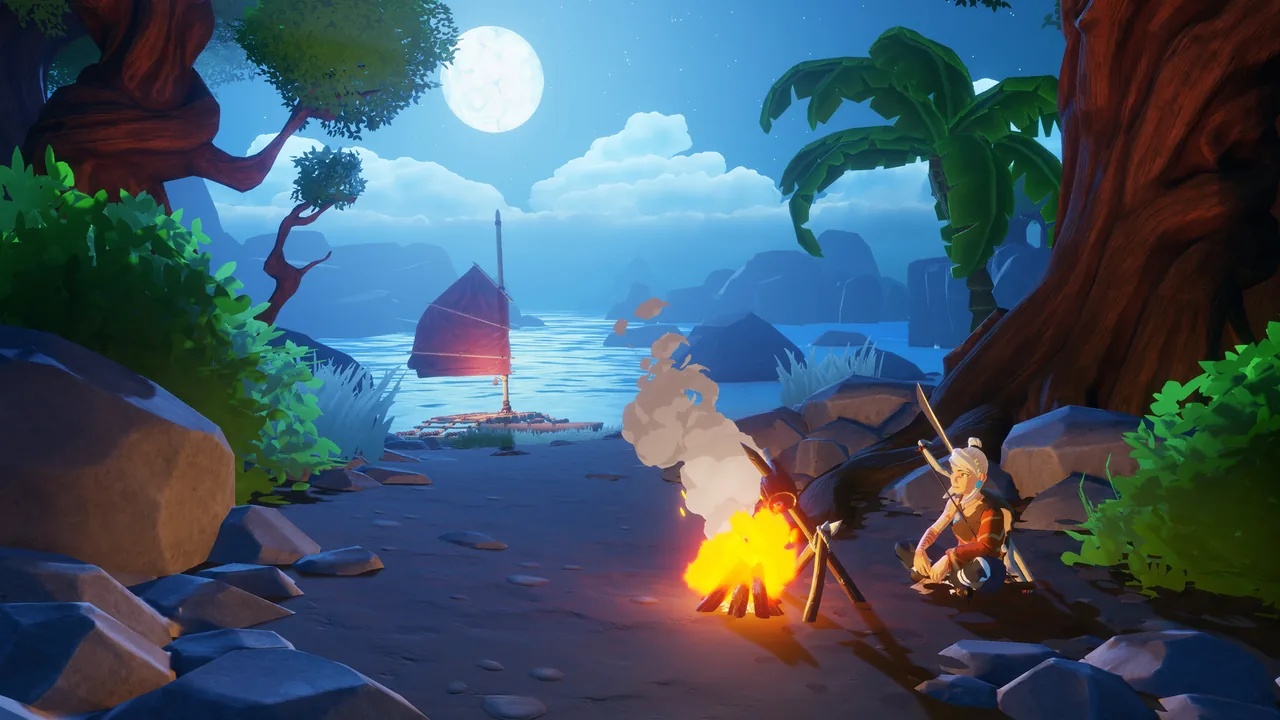
WindboundImage: Deep Silver via Steam -
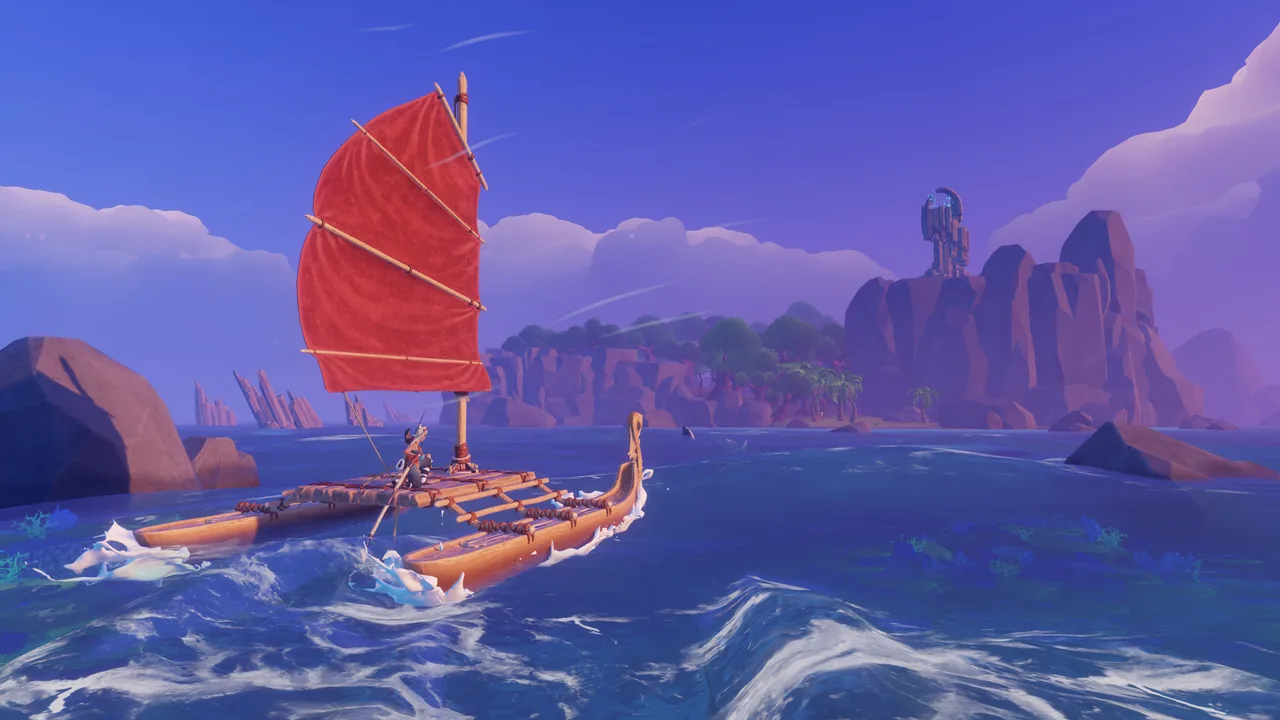
WindboundImage: Deep Silver via Steam -
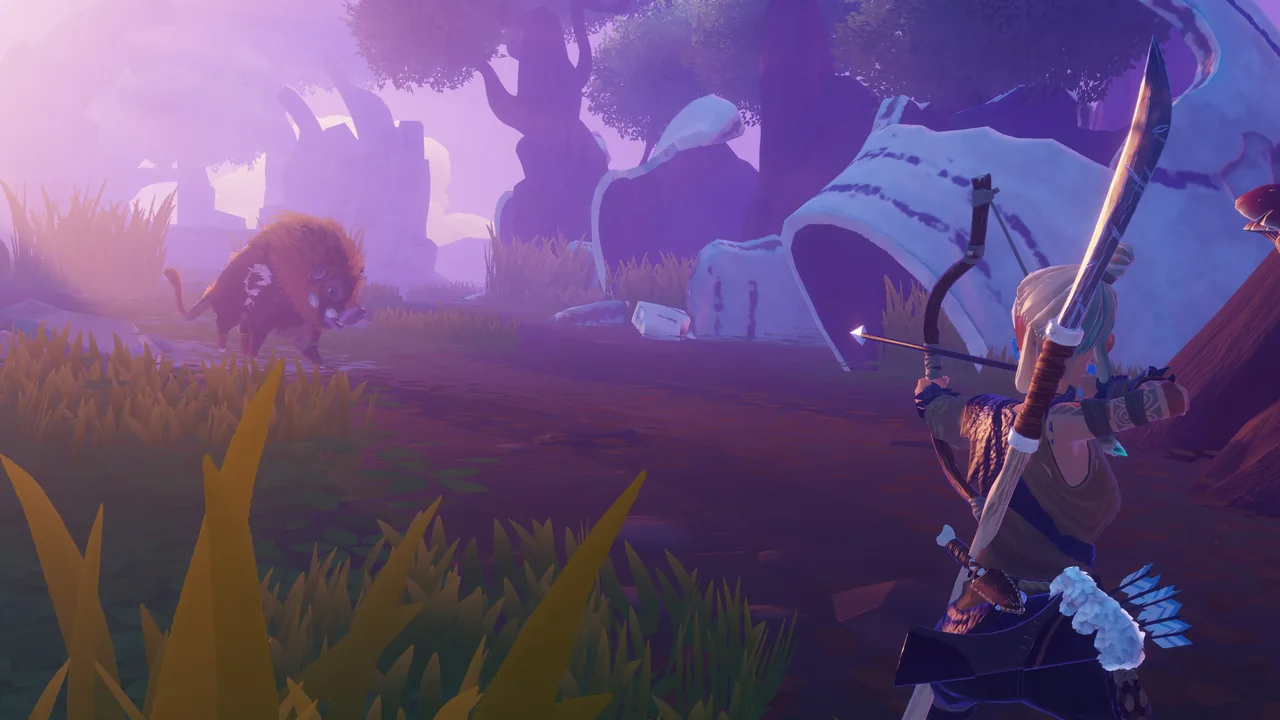
WindboundImage: Deep Silver via Steam -
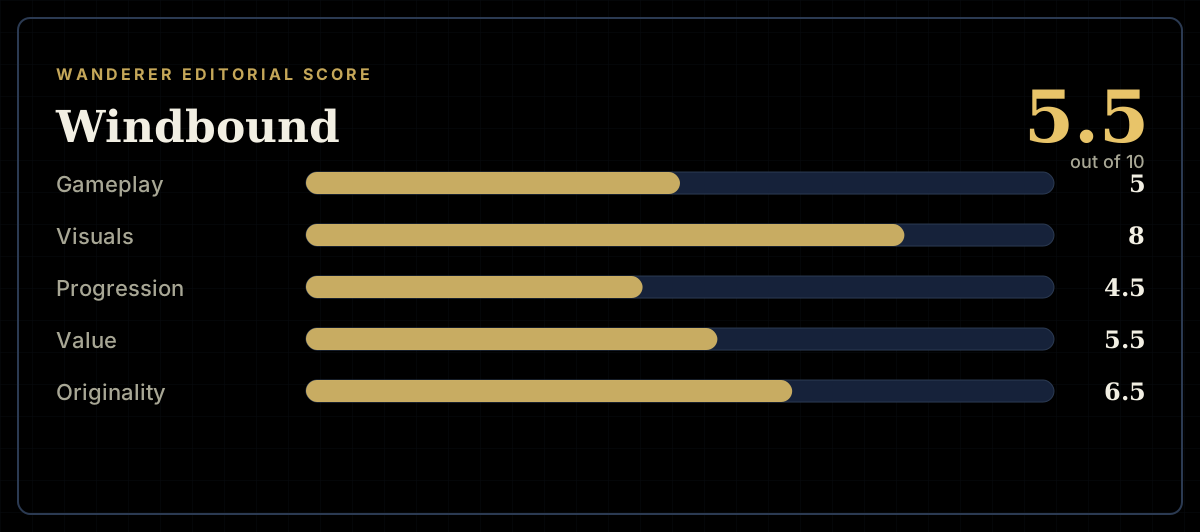
How the review scores each part of the gameWanderer Editorial -
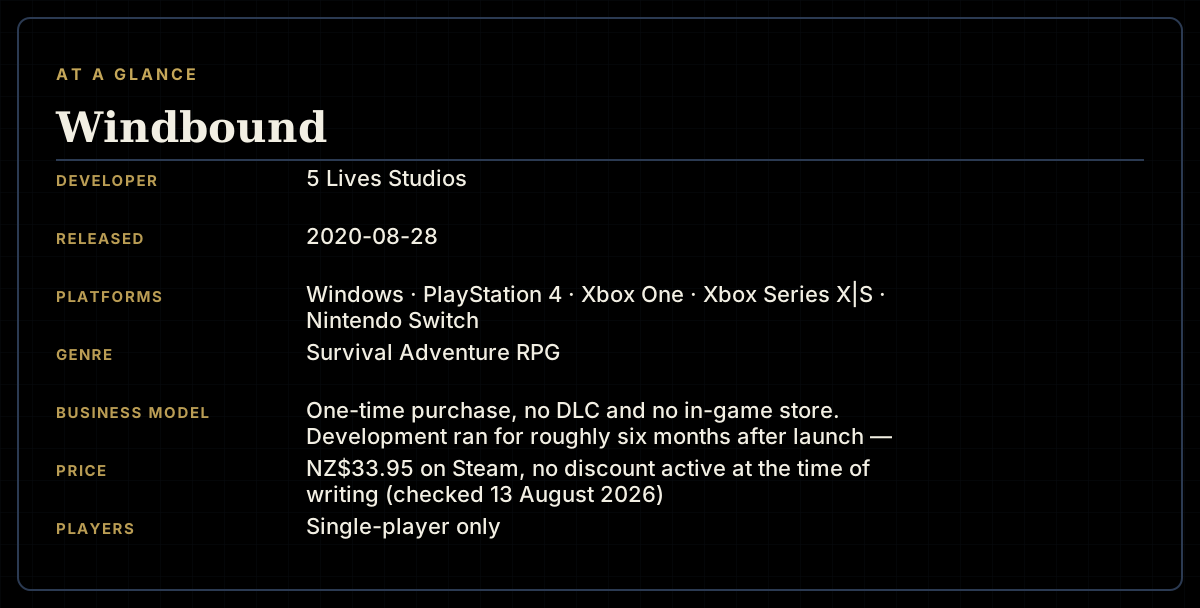
The essentials at a glanceWanderer Editorial -
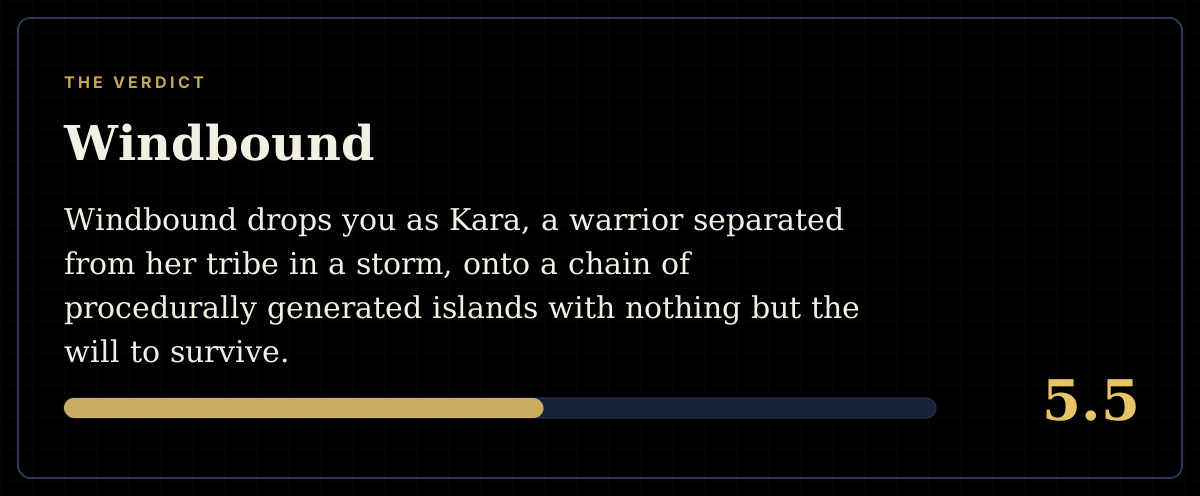
The short versionWanderer Editorial