Game review
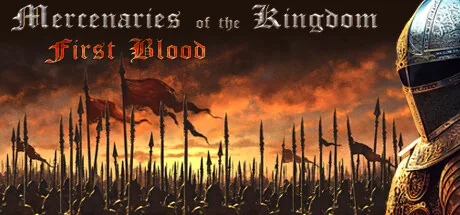
Mercenaries of the Kingdom: First Blood
4.5 / 10
- Developer
- Insane Dreamers
- Publisher
- Insane Dreamers
- Released
- 24 May 2024
- Platforms
- Windows
- Genre
- Roguelite RPG, Bullet Hell, Party-Based
- Monetisation
- One-time purchase, no in-game store
- Players
- Single-player only
The short version
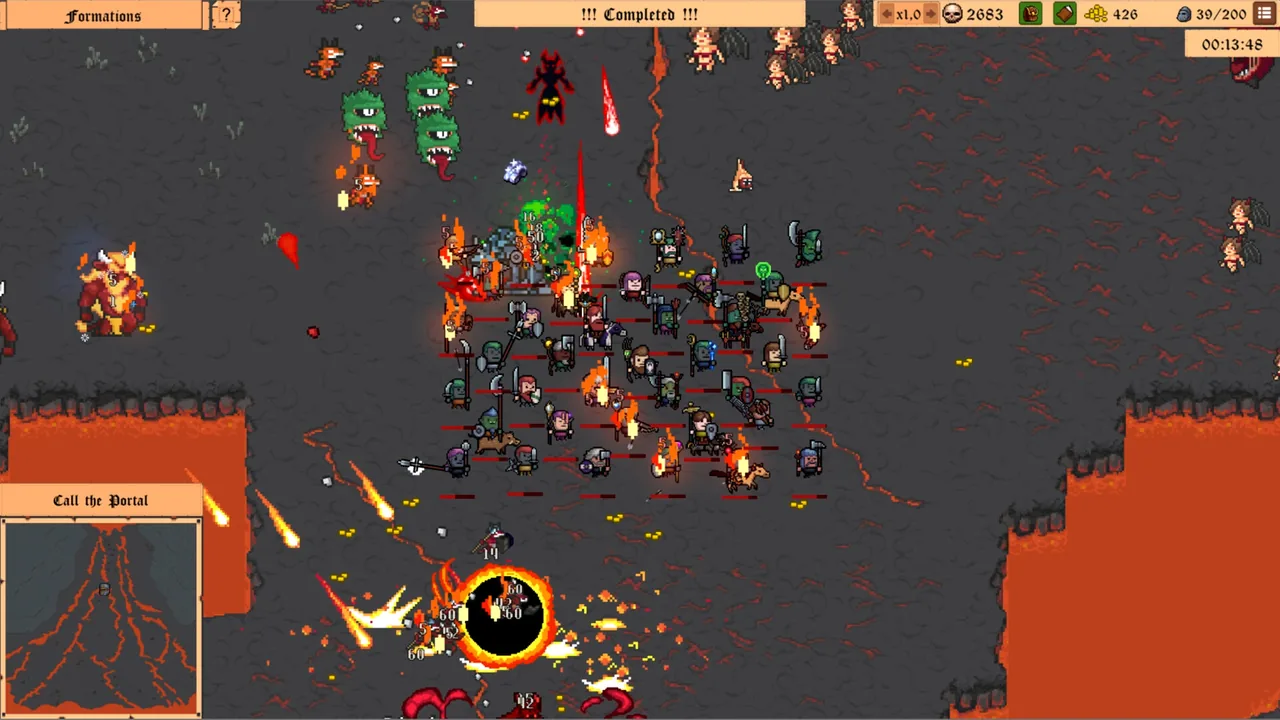
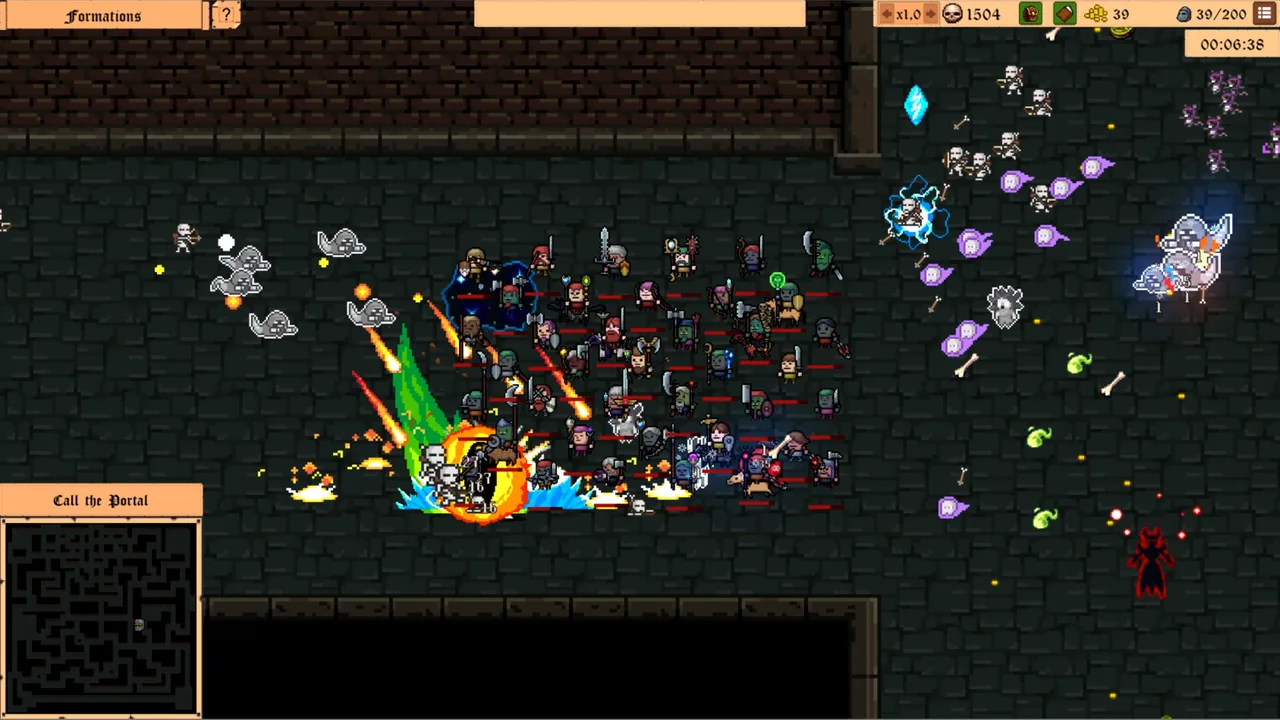
Mercenaries of the Kingdom: First Blood drops a lone mercenary into swarms of hundreds of enemies, building out a party of hired soldiers to equip, train and formation-drill against Vampire Survivors-style hordes while extracting loot through a portal before anything goes wrong. Developed and self-published by Insane Dreamers, it exited Early Access into a 1.0 release on 24 May 2024 after a lively seven-month Early Access run. Its 36 English-language Steam reviews sit at Mostly Positive, roughly 77.8%, and this review reads all 8 available negative reviews alongside the top positives to find a genuinely inventive genre hybrid that earned real Early Access goodwill, now increasingly overshadowed by a developer who appears to have gone quiet since July 2024, leaving recent reviewers reporting a stagnant, sometimes broken game with little meta-progression to soften its difficulty.
Biggest strengths
- The core hybrid of bullet-hell horde survival with party-based mercenary recruitment, equipment and formation management draws consistent praise as a genuinely fresh spin on the Vampire Survivors formula, deeper and slower-paced than its inspiration
- Reviewers specifically credit the variety on offer — six recruitable races, twelve schools of magic, over 210 weapons and 650 armour pieces, and more than 140 distinct enemies — as real, substantive content for the asking price
- The Adventure mode's extraction structure, calling a portal home mid-run with permanent consequences for failure, draws specific praise for adding tension the base survivor formula usually lacks
Biggest weaknesses
- The single most serious and recent complaint is apparent project abandonment: reviews from October 2025 and March 2026 independently describe the game as "unfinished," "dead" and "abandoned," and this review's own check of the game's Steam news feed found no update posted since 21 July 2024
- A review from April 2026 reports a specific, currently unresolved bug with the extraction portals that the reviewer says makes the game "unplayable," with no indication of a fix
- Progression complaints are consistent and specific: multiple reviewers describe having no meaningful meta-progression between runs, meaning permadeath losses feel unrewarded rather than building toward anything lasting
Who it's for: Vampire Survivors fans curious about a slower, party-management-driven spin on the genre; a poor fit for anyone who needs an actively supported game, given the apparent multi-year gap since the last update.
Our recommendation: A creative, underexplored genre mashup worth a cheap purchase for what's already there, but buy with clear eyes about an apparently abandoned development cycle and a recently reported game-breaking bug.
4.5 / 10
Introduction
Mercenaries of the Kingdom: First Blood throws a lone mercenary against hundreds of thousands of enemies across the fantasy world of Earthial, but survival depends less on any one hero's power than on the band of recruited mercenaries fighting alongside them — hired, fed, equipped, trained and arranged into formations before each horde-survival run. Insane Dreamers developed and self-published it, entering Early Access on 4 October 2023 and exiting into a full 1.0 release on 24 May 2024. Reading all 8 available English-language negative reviews alongside the top positives, out of a Mostly Positive corpus (roughly 77.8% across 36 reviews), and cross-checking the game's own Steam news feed for its update history, finds a genuinely creative genre hybrid whose reputation has increasingly come to be defined by what looks like an abandoned development cycle.
A real hybrid, not a reskin
The most consistent praise in this review's sample credits the game for actually being something different rather than another Vampire Survivors clone with a new coat of paint. One reviewer summarised the distinction precisely: "It's the same genre of VS, but it has a different gameplay... If you remain alone, you are dead! So you have to hire other mercenaries and equip them. For this reason, this game is slower than Vampire, but deeper." A more detailed review reached a similar conclusion from further in: "The game labels itself as a party-based rogue-lite, but to me, it's like bullet hell met sword and sorcery in a vibrant mixer. The diverse item range, mounts, biomes, and enemies bring about a complexity that keeps the engagement high." The numbers back that impression up on paper — six playable races, twelve schools of magic, over 210 weapons, 650 armour pieces and more than 140 distinct enemy types — and reviewers specifically credit the Adventure mode's extraction structure, calling a portal home mid-run and risking everything to do it safely, for adding a layer of tension the genre's other entries rarely attempt.
A developer who appears to have gone quiet
Set against that creative foundation, the most serious problem in this review's sample isn't a design complaint at all — it's a pattern across review timestamps that this review's own research corroborates independently. The game's Steam news feed shows a burst of Early Access updates from October 2023 through May 2024, followed by four further updates after the 1.0 launch, the last dated 21 July 2024. This review's check of that feed found nothing posted since. Reviews written well after that date increasingly reflect it: one from October 2025 reads simply "Unfinished dead game no updates in over a year don't buy," and one from March 2026 reads, in full, "Abandoned game." Most concerning is a positive-leaning review from April 2026 — someone still engaged enough to want to keep playing — that reports a specific, currently unresolved problem: "You have to FIX THE PORTALS!!! or this game is unplayable." This review cannot independently confirm the precise nature of that bug, only that it's recent, specific, and unaddressed as far as the public update history shows. The contrast with the Early Access era is stark — multiple 2024 reviewers explicitly praised a responsive developer, with one writing they left a positive review despite refunding because "the devs are good and update the game." Whatever changed, it changed after July 2024.
Progression and economy complaints that predate the silence
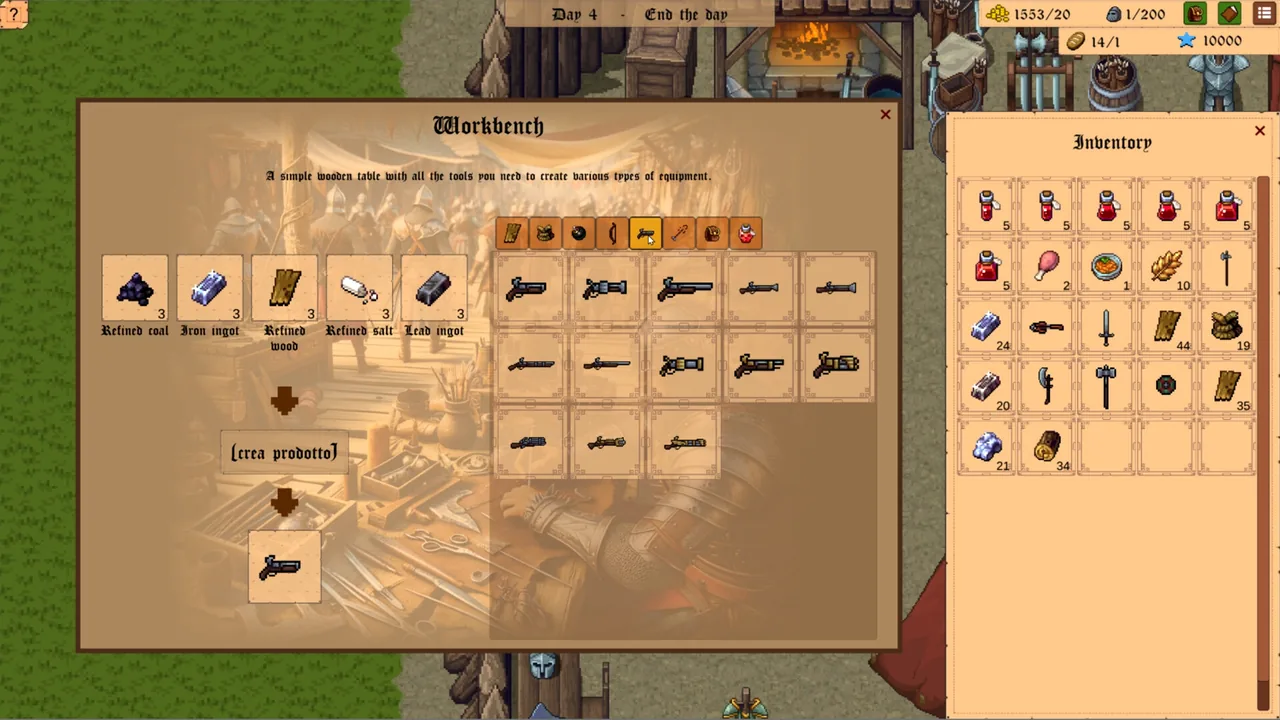
Independent of the apparent abandonment, a real cluster of design complaints appears throughout the sample, including from 2024-era reviewers writing while the game was still being updated. The most consistent is an absence of meaningful meta-progression: one reviewer wrote plainly that "after dying there is no meta progress," making permadeath losses feel like wasted time rather than a step toward anything. Another echoed the same frustration a year on: "No progression. You can have the best equipment, your guys WILL die," describing a resource curve where healing potions simply can't keep pace with incoming damage regardless of gear quality. The shop and crafting economy draws its own detailed criticism — one reviewer described merchants who buy only some unpredictable subset of items on any given day, leaving players to stockpile "hundreds of items" they can neither use nor reliably sell, with crafting recipes hidden behind a reputation system that compounds the confusion. A separate complaint about weightless, hard-to-read combat feedback — no clear sound or visual cue when hits land, on either side — echoes across more than one review, contrasted specifically against Vampire Survivors' clearer feedback loop.
Final Verdict
Mercenaries of the Kingdom: First Blood earns its Mostly Positive score honestly for what it set out to build — a genuinely inventive slower, deeper spin on the bullet-hell survivor genre, built around party management, formation tactics and an extraction-run structure that few other games in the space attempt. Its underlying design complaints, around missing meta-progression and a confusing shop economy, are real but the kind of thing an active developer fixes over time. What this review can't look past is the apparent silence since July 2024 and a recent, specific report of a game-breaking portal bug with no visible response. For a cheap price, there's a genuinely creative game here worth trying — just go in knowing you may be playing whatever state it was left in, rather than a game still being finished.
Pros and cons
Pros
- The core hybrid of bullet-hell horde survival with party-based mercenary recruitment, equipment and formation management draws consistent praise as a genuinely fresh spin on the Vampire Survivors formula, deeper and slower-paced than its inspiration
- Reviewers specifically credit the variety on offer — six recruitable races, twelve schools of magic, over 210 weapons and 650 armour pieces, and more than 140 distinct enemies — as real, substantive content for the asking price
- The Adventure mode's extraction structure, calling a portal home mid-run with permanent consequences for failure, draws specific praise for adding tension the base survivor formula usually lacks
- Several Early Access-era reviewers explicitly praised an active, responsive developer, with one long-time player noting they left a positive review specifically because "the devs are good and update the game," even after refunding
Cons
- The single most serious and recent complaint is apparent project abandonment: reviews from October 2025 and March 2026 independently describe the game as "unfinished," "dead" and "abandoned," and this review's own check of the game's Steam news feed found no update posted since 21 July 2024
- A review from April 2026 reports a specific, currently unresolved bug with the extraction portals that the reviewer says makes the game "unplayable," with no indication of a fix
- Progression complaints are consistent and specific: multiple reviewers describe having no meaningful meta-progression between runs, meaning permadeath losses feel unrewarded rather than building toward anything lasting
- The item-selling and shop economy draws pointed, detailed criticism for being confusing and inconsistent, with reviewers describing merchants who buy only a seemingly random subset of the many item types the game asks players to hoard
Screenshots
-
Mercenaries of the Kingdom: First BloodImage: Insane Dreamers via Steam -
Mercenaries of the Kingdom: First BloodImage: Insane Dreamers via Steam -
Mercenaries of the Kingdom: First BloodImage: Insane Dreamers via Steam -
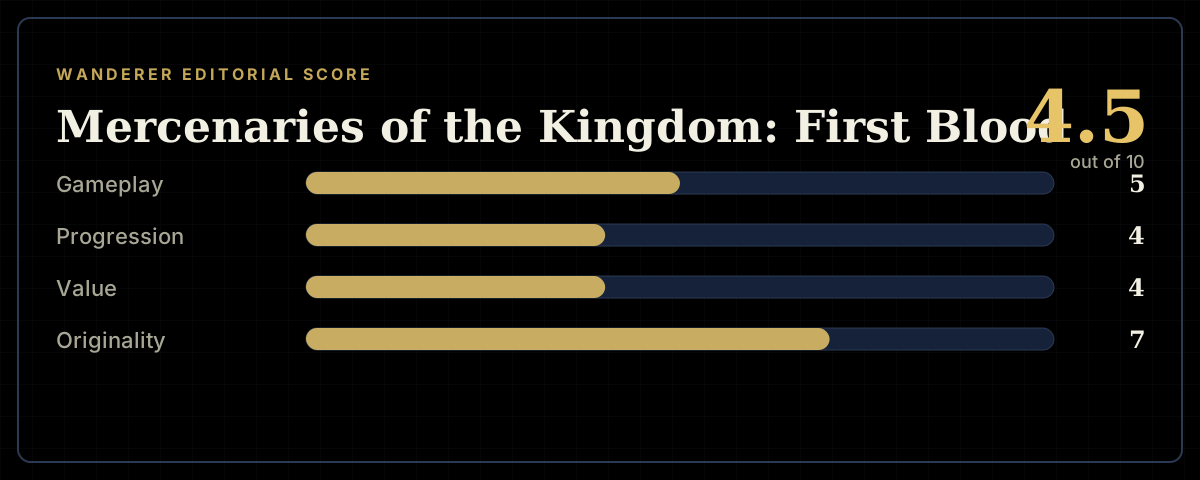
How the review scores each part of the gameWanderer Editorial -
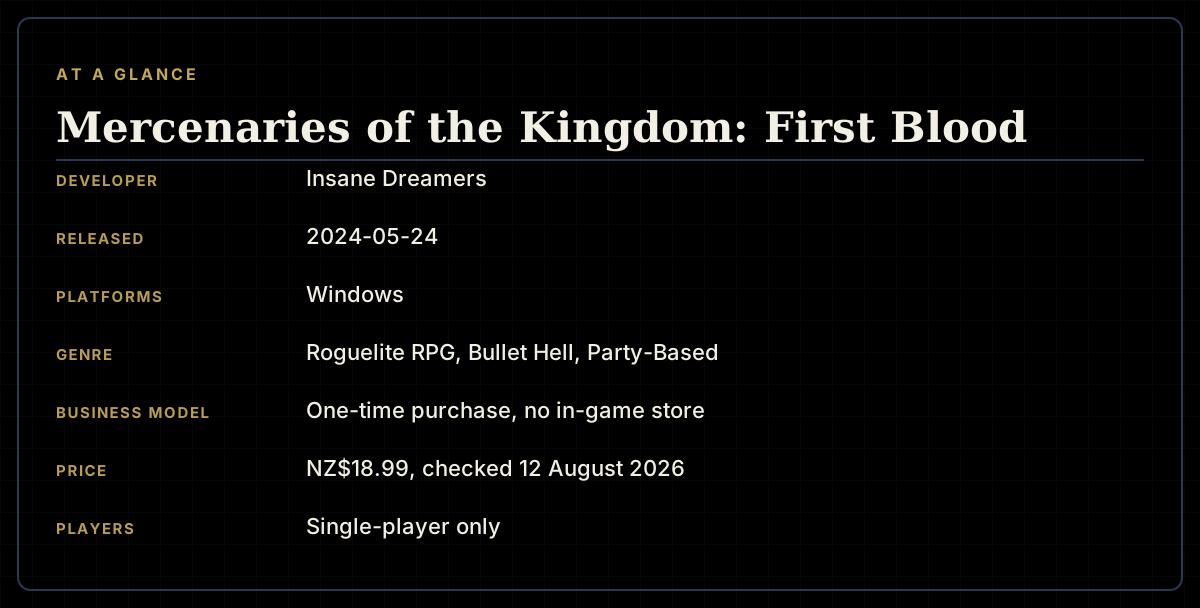
The essentials at a glanceWanderer Editorial -
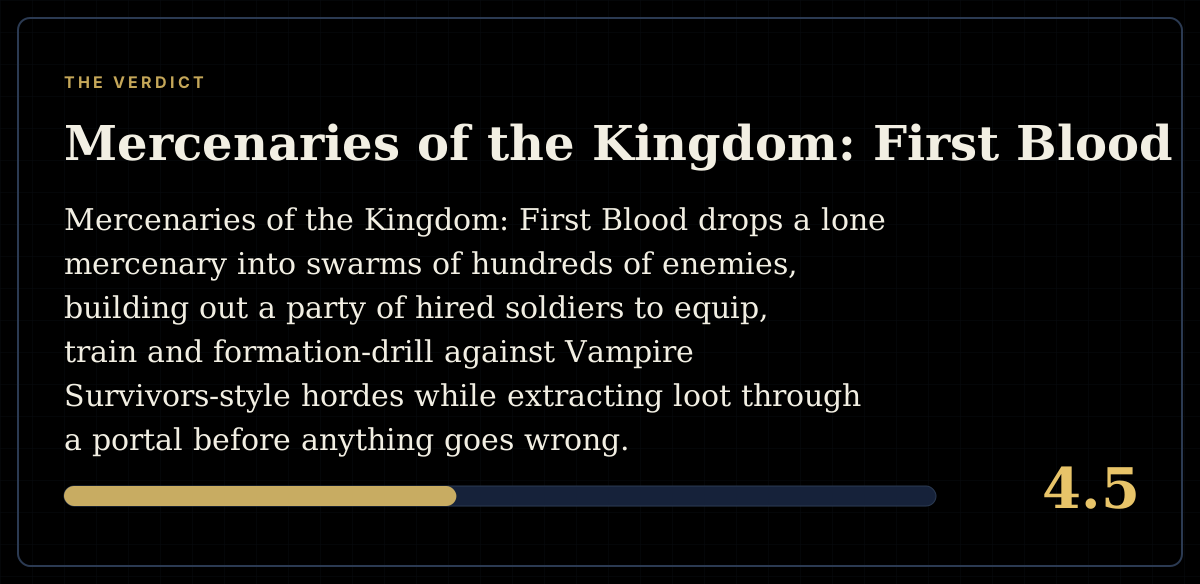
The short versionWanderer Editorial