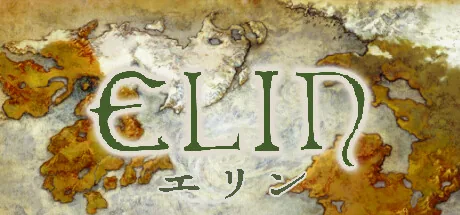
Game review
Elin
7.5 / 10
- Developer
- Lafrontier
- Publisher
- Lafrontier
- Released
- 1 November 2024
- Platforms
- Windows
- Genre
- Roguelike RPG
- Monetisation
- One-time Early Access purchase. No in-app purchases or DLC.
- Players
- Single-player only
The short version
Elin is the official successor to Elona, a Japanese freeware roguelike whose cult following spent 17 years waiting for its creator, Noa, to finish a proper follow-up. What arrived in Early Access on 1 November 2024 is a sandbox RPG that layers traditional roguelike combat and permadeath-adjacent stakes under crafting, farming, base-building, taxation, livestock breeding, theft, music and a running list of systems long enough that reviewers regularly give up trying to summarise it and just call it "wild." It sits at Very Positive across 8,288 Steam reviews (93% positive), with reviewer playtimes that regularly run past 150, 250 and even 400 hours -- a genre norm here, not an outlier.
The English negative sample is small but pointed: a 37-hour reviewer who "largely enjoyed" their time still can't recommend it because most of its many systems have "almost no depth," a tiny, hard-to-read default interface gets specifically called out, and at least one reviewer raises the same concern that has followed the Elona lineage for years -- character and art design choices some players find genuinely off-putting. None of that stops the game's core audience from treating it as close to a full-time hobby.
Biggest strengths
- An enormous, genuinely unusual combination of systems -- roguelike combat, base building, farming, taxation, theft, livestock breeding and more -- that reviewers consistently describe as unlike anything else on Steam
- Extremely active Early Access development, with reviewers specifically praising near-daily updates that add substantial new content rather than small tweaks
- The kind of playtime-per-review numbers that speak for themselves -- dozens of reviews in the 100-400+ hour range from players still actively engaged
Biggest weaknesses
- A punishing, often unexplained learning curve that multiple reviewers say requires outside wikis or guides to get through, even after significant playtime
- A tiny default interface and text size that at least one reviewer says makes it possible to die without noticing anything was wrong on screen
- Breadth over depth in several individual systems, according to a detailed 37-hour review -- once the initial "there's so much to do" feeling wears off, some mechanics reveal limited substance
Who it's for: Roguelike and sandbox-RPG veterans who want maximum systemic depth and don't mind consulting a wiki to make sense of it, especially existing fans of Elona, Dwarf Fortress or
Our recommendation: A genuine must-try for the specific audience it's built for, and one of Early Access's more actively developed sandbox RPGs -- but go in expecting to look things up, and be aware of the character-design criticism before you buy rather than after.
7.5 / 10
Seventeen years in the making
Elona is a strange piece of gaming history: a Japanese freeware roguelike RPG first released in 2007 that never had an official sequel, yet spawned one of the most dedicated modding communities in the genre and became a genuine cult reference point for players who like their RPGs dense, systemic and a little unhinged. Its solo creator, going by Noa, spent years working toward a true successor, and Elin -- developed and published under the studio name Lafrontier -- finally reached Steam Early Access on 1 November 2024. The response from that long-waiting community, and from players discovering the lineage for the first time, has been enormous: 8,288 reviews and climbing, 93% positive, with a review section where four-figure playtimes read as normal rather than remarkable.
What Elin actually is resists a short pitch, and reviewers routinely say so themselves. It's a roguelike RPG at its core -- turn-based combat, procedurally generated dungeons, permadeath- adjacent stakes for your character -- wrapped in an open sandbox that adds base building, farming, livestock breeding, crafting, music performance, running a shop, paying (or dodging) taxes, theft, and a story about humans and a fantasy race called the Elea that the game treats as a slow- burn backdrop rather than a rushed main quest. One reviewer compares it to "BG3 with no restraints." Another, more plainly: "an absolutely wild game with an absurd amount of content." A third calls it "a very fun fever dream-like experience, but incredibly hard to figure out without help." None of these are contradictions so much as different facets of the same sprawling design.
The case for total immersion
The single most persuasive piece of evidence in Elin's favour is the reviewer playtime distribution itself. Reviews logged at 159, 163, 242, 255, 288 and 428 hours are not cherry-picked outliers here -- they're a representative slice of the positive sample, and several of those reviewers are still actively playing rather than reporting from a completed, shelved game. "I don't think I can put into words just how much this game can give you," reads one 288-hour review, going on to specifically credit the developer's update cadence: "consistent, almost daily updates for unstable and monthly stable builds that don't just add a small thing here and there, but a substantial one." That kind of sustained development pace is genuinely rare in Early Access, where the far more common complaint across this library is a game that goes quiet for months at a time. Elin's community does not have that problem.
The scope of individual systems backs up the reputation. Reviewers describe automation loops, taxation systems complex enough that one review jokes about wanting "a life in a world with reasonable taxes," and enough emergent interaction between crafting, farming and combat that a JRPG-and-Harvest-Moon-meets-Project-Zomboid comparison shows up unprompted. For players who want a game that keeps generating new problems to solve rather than converging on one optimal loop, that breadth is close to the entire pitch, and the achievement data backs up how much of it goes mostly unseen even by dedicated players: the single most-earned achievement sits at only 20.9%, and the majority of the 34-achievement list sits under 4%. This isn't a game with a short completionist tail -- it's one where even hundreds of hours in, most players still haven't seen most of what's there.
The honest costs of that density
The same density that draws players in is exactly what the negative sample pushes back against, and the criticism is more specific than "the game is hard." The most detailed negative review in the sample, from a 37-hour player who says they "largely enjoyed" their time, makes a genuinely useful distinction: Elin has "a pretty massive foundation," but for that reviewer, individual systems frequently turn out to have "almost no depth" once engaged with directly, with progression hitting an effective wall that pushes the player back toward grinding rather than new content. That's a different complaint from "too complex" -- it's "wide rather than deep" in specific places, and it's worth taking seriously precisely because it comes from someone who otherwise liked the game rather than someone bouncing off the premise entirely.
The interface draws more universal criticism. One reviewer describes the default text and UI scale as "super tiny," bad enough that "you die without realising it because the UI are tiny again, and nothing change on the screen to make you realise something is wrong" -- a legitimate usability problem rather than a matter of taste, and one this review has no evidence has been fixed as of the current build. Several positive reviews independently recommend consulting external wikis or guides "before" rather than after getting stuck, which is a reasonable strategy for a systemically deep roguelike but a real barrier for anyone hoping the game will teach itself.
A content note worth stating plainly
One more thing belongs in this review rather than being left for players to discover after buying: character and creature design choices in both Elona and Elin have been a genuine, long- running point of criticism, not a one-off complaint. It shows up directly in this review's own negative sample, and independent community discussion elsewhere describes the same concern in similar terms -- some of the game's character and race designs lean into anime-fetish-adjacent aesthetics that a meaningful number of players find genuinely off-putting, separate from any question of the game's mechanical quality. This isn't a case of one loud complaint standing in for the whole audience -- Elin's Very Positive score, built on thousands of reviews, makes clear that plenty of players are unbothered or actively fond of the game's aesthetic choices. But it's a real, recurring, and checkable criticism rather than an isolated allegation, and readers deciding whether to try the game deserve to know about it before purchase rather than after.
Verdict
Elin earns its reputation as one of the more remarkable Early Access RPGs on Steam right now: an enormous, actively developed sandbox built by a creator whose previous game inspired real devotion, delivering the kind of systemic density and update cadence that keeps players logging hundreds of hours without running out of new problems to solve. It asks a lot in return -- a genuinely steep, often unexplained learning curve, an interface that needs work, and individual systems that don't always reward the depth their surface promises -- and it carries a real, specific content criticism around character design that this review isn't going to paper over. For the roguelike and sandbox-RPG audience it's built for, none of that outweighs what's here. For anyone outside that audience, or uncomfortable with the aesthetic concerns raised above, it's worth knowing about before spending the NZ$32.00 asking price rather than after.
Pros and cons
Pros
- An enormous, genuinely unusual combination of systems -- roguelike combat, base building, farming, taxation, theft, livestock breeding and more -- that reviewers consistently describe as unlike anything else on Steam
- Extremely active Early Access development, with reviewers specifically praising near-daily updates that add substantial new content rather than small tweaks
- The kind of playtime-per-review numbers that speak for themselves -- dozens of reviews in the 100-400+ hour range from players still actively engaged
- A direct lineage to Elona, a genuinely beloved cult game, carried forward with more content and modern conveniences rather than a soulless remaster
Cons
- A punishing, often unexplained learning curve that multiple reviewers say requires outside wikis or guides to get through, even after significant playtime
- A tiny default interface and text size that at least one reviewer says makes it possible to die without noticing anything was wrong on screen
- Breadth over depth in several individual systems, according to a detailed 37-hour review -- once the initial "there's so much to do" feeling wears off, some mechanics reveal limited substance
- Character and creature designs some reviewers and community discussions describe as anime-fetish-adjacent, a longstanding point of criticism inherited from the Elona series that prospective buyers should know about going in
Screenshots
-
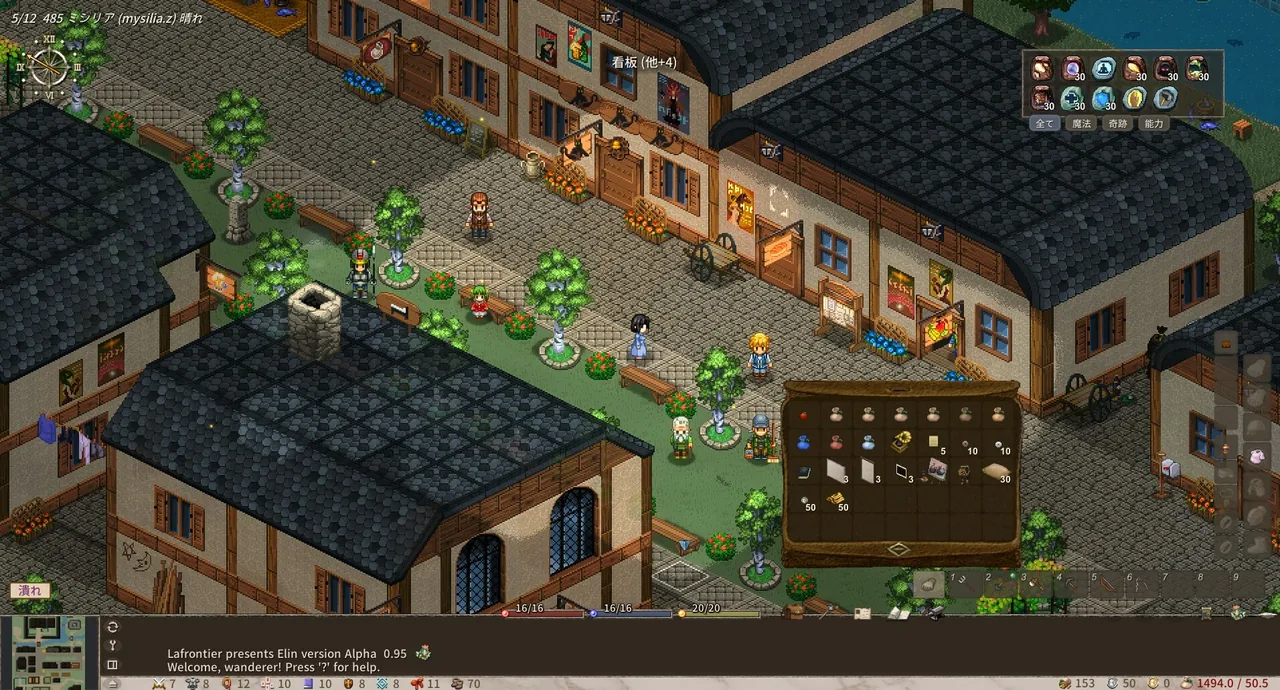
A town square, with the compact icon-heavy interface reviewers say takes real effort to learnImage: Lafrontier via Steam -
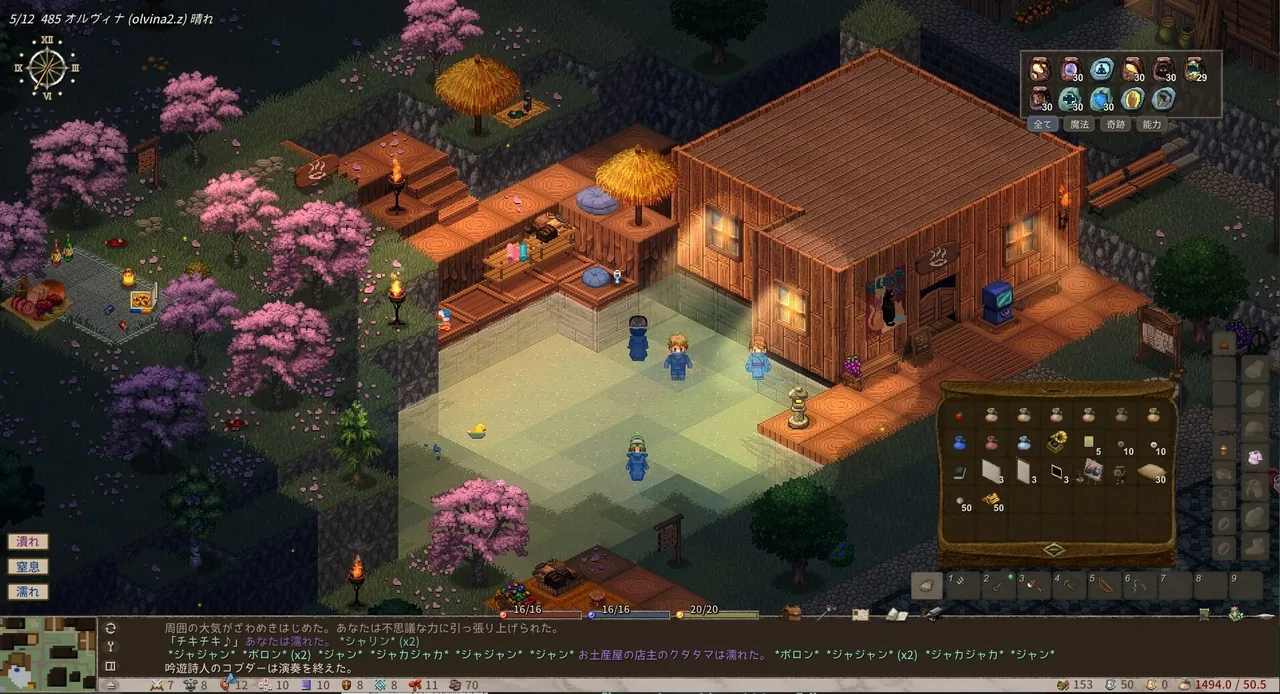
One of Elin's home-building and social scenes, lit by cherry blossoms and lanternsImage: Lafrontier via Steam -
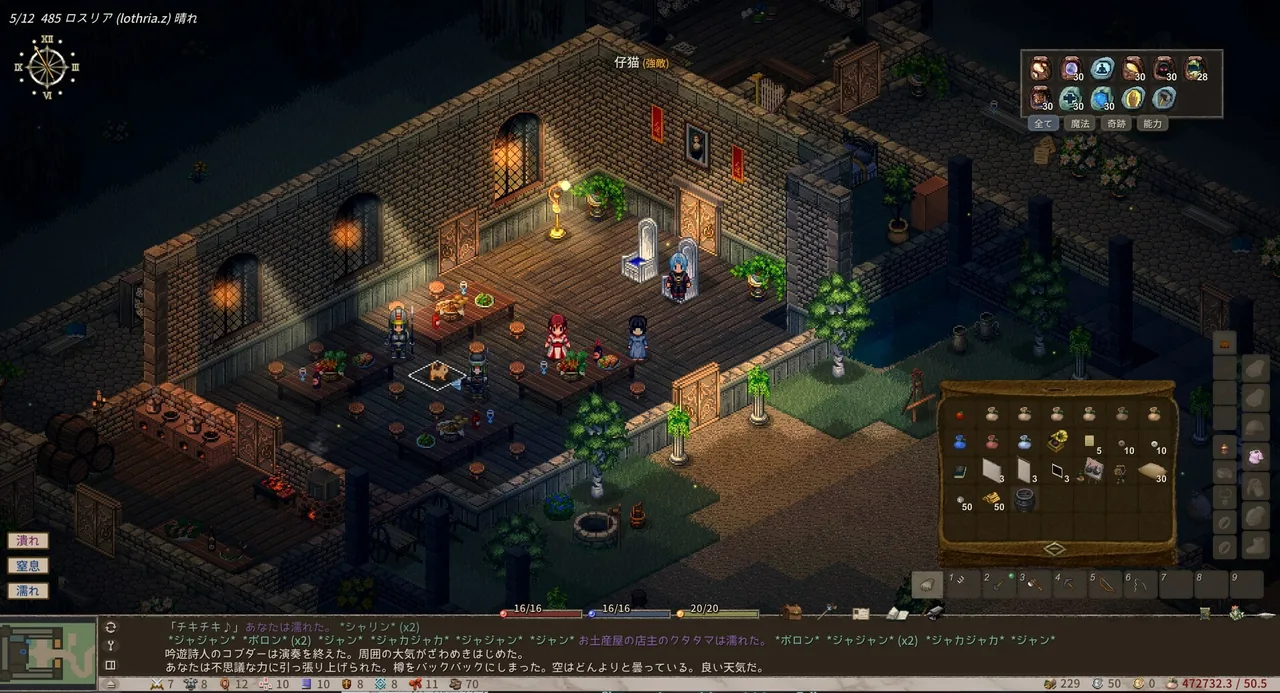
A tavern interior -- one of the many social and economic buildings layered on top of Elin's roguelike combatImage: Lafrontier via Steam -
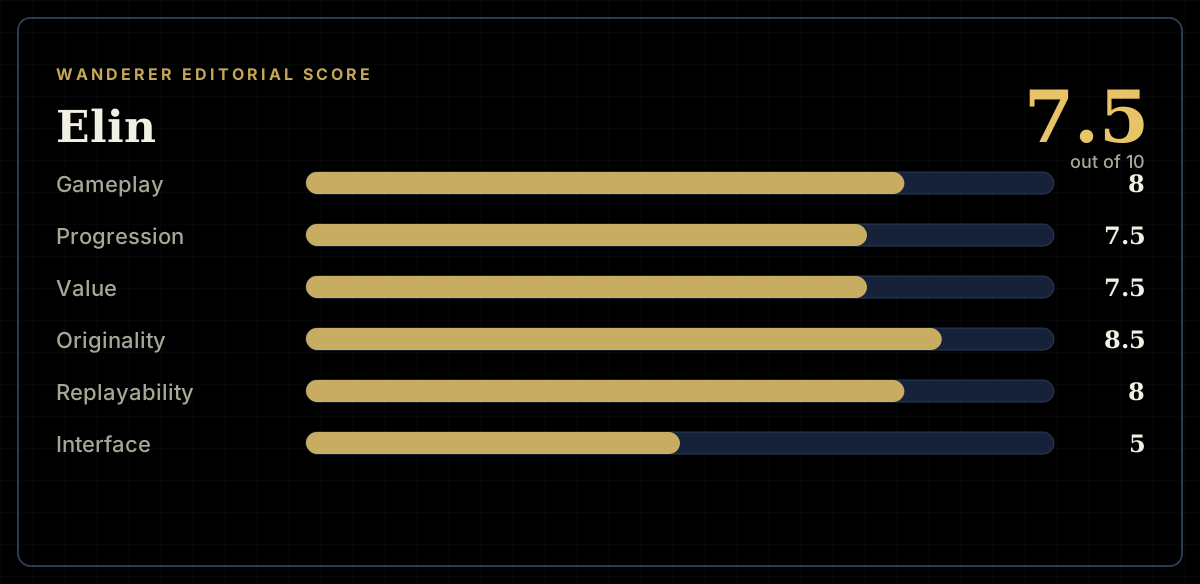
How the review scores each part of the gameWanderer Editorial -
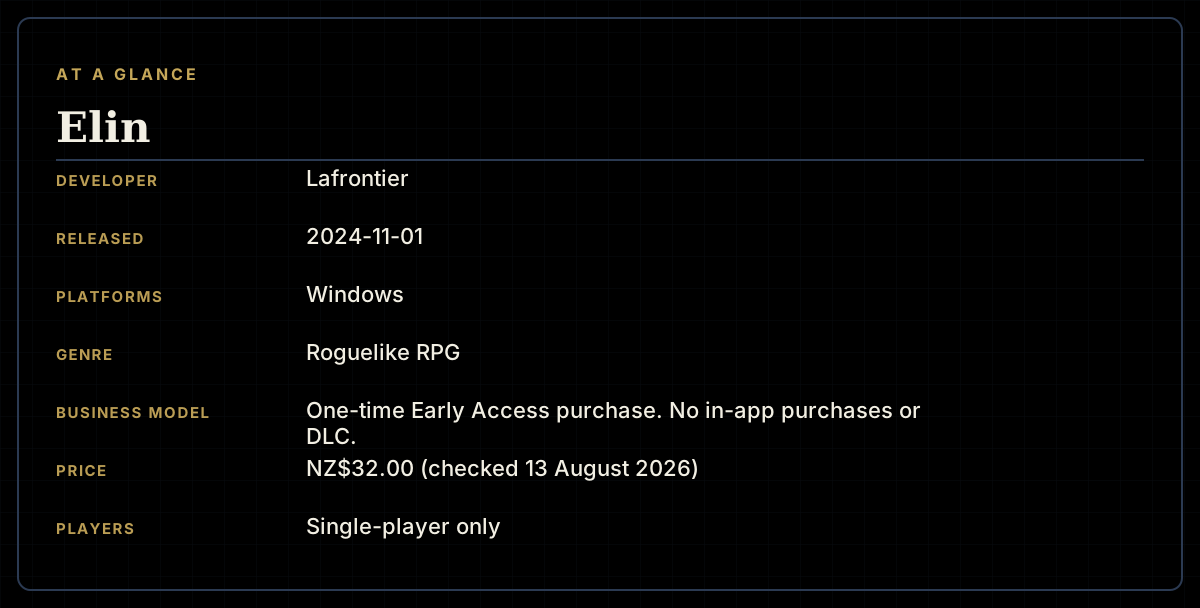
The game at a glanceWanderer Editorial -
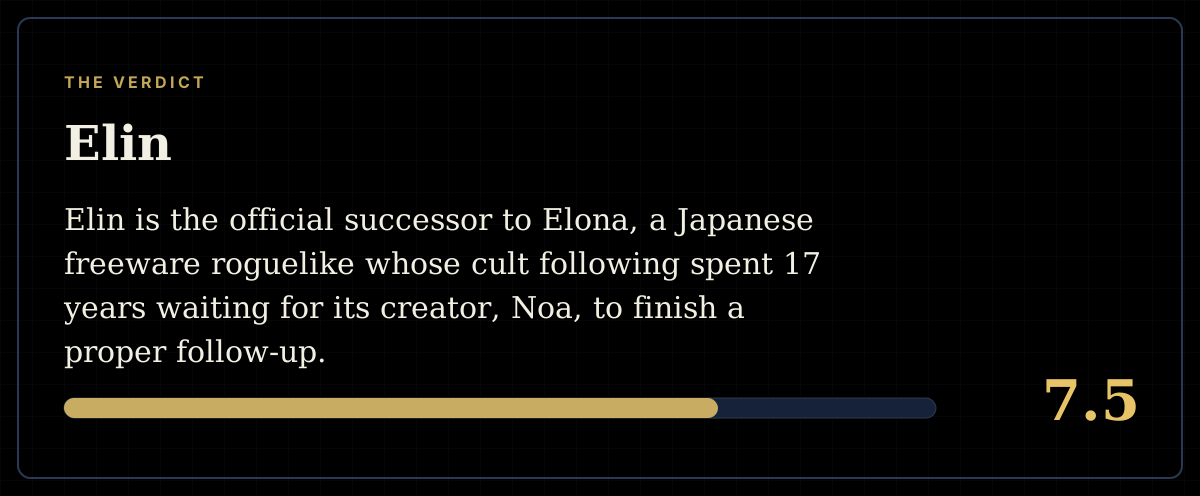
The short versionWanderer Editorial