Game review
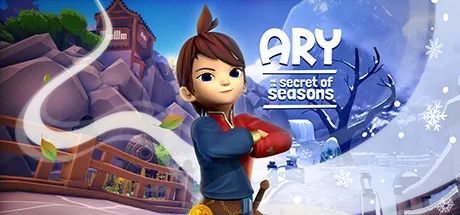
Ary and the Secret of Seasons
5 / 10
- Developer
- eXiin, Fishing Cactus
- Publisher
- Fishing Cactus
- Released
- 1 September 2020
- Platforms
- Windows, PlayStation 4, Xbox One, Nintendo Switch
- Genre
- Action Adventure RPG
- Monetisation
- One-time purchase, one soundtrack DLC, no in-game store
- Players
- Single-player only
The short version
Ary and the Secret of Seasons follows Aryelle, a young Guardian-in-training who can manipulate the seasons around her — freezing water into ice bridges, growing plants to reach new heights, reshaping the world of Valdi to solve environmental puzzles. It's a genuinely clever mechanic built around a well-told, if familiar, coming-of-age fantasy story, and critics who focused on the writing and puzzle design were positive. But the technical execution around all of that was the dominant story at launch: 57 on OpenCritic ("Weak"), Metacritic in the high 50s across every platform, both citing screen-tearing, performance issues and animation bugs so pervasive that reviewers described the game as feeling unfinished.
Steam's player base agrees closely: Mixed, 56% positive of 105 total reviews (checked 13 August 2026). The negative sample is consistent across six years — "unity asset flip" jank, skills and abilities that didn't work at launch, and save-corruption bugs still being reported as late as 2023, three years after the developers' post-launch patches.
Biggest strengths
- The season-manipulation mechanic — freezing, growing and reshaping the world to solve puzzles — is genuinely original and the single most-praised element across critics and players alike
- A well-told coming-of-age fantasy story with a well-realised world and cast, singled out by critics as a highlight even in otherwise negative reviews
- Distinctive, colourful art direction that draws consistent praise even from players who otherwise regret the purchase
Biggest weaknesses
- Launched with pervasive technical problems — screen-tearing, animation bugs, low frame rates even on capable hardware, and reviewers comparing the overall feel to an unfinished "asset flip" rather than a polished release
- Skills, abilities and quest triggers were reported broken at launch, and save-corruption bugs were still being reported by players as recently as 2023
- Combat is consistently described as the weakest system, average at best and a poor match for the quality of the puzzle and story design around it
Who it's for: Fans of gentle, puzzle-forward fantasy adventures — Zelda-lite exploration paired with an environmental-manipulation gimmick — who can tolerate real technical rough edges for a genuinely original central idea and a story reviewers consistently call the game's strongest asset.
Our recommendation: Wait for a deep sale, which is exactly what a large share of this game's own positive reviews recommend doing. The core idea and story are worth experiencing for the right player; the NZ$49.99 launch price never matched the state the game shipped in.
5 / 10
A genuinely clever idea
Ary and the Secret of Seasons builds its whole adventure around one mechanic: Aryelle, training to become a Guardian of Seasons, can reshape the world of Valdi by summoning winter, spring, summer or autumn around her. Freeze a lake into an ice bridge. Grow a vine to reach a high ledge. Melt a blockage that only winter created in the first place. It's the kind of single, strong idea that a Zelda-style adventure lives or dies by, and both critics and players consistently rate it as the game's best feature — genuinely original, well-integrated into the puzzle design, and paired with a coming-of-age fantasy story about tradition, duty and a secretive order of Guardians that reviewers repeatedly call well-told even when nothing else about their review is positive.
Belgian developers eXiin and Fishing Cactus — the latter previously known for console ports and smaller original titles — built a genuinely distinctive world around that idea. The art direction, colourful and clearly hand-crafted, draws praise even from players filing negative reviews out of frustration with everything else.
What went wrong: a launch that felt unfinished
"Everything else" is a lot. Critical reception was consistently in the mid-to-high 50s: 57 on OpenCritic, landing in its "Weak" tier from 62 critics, and 59 on Metacritic for PC (56 PS4, 57 Xbox One, 58 Switch). The critical consensus, in the words of one representative review, was of "a lovely looking game with some truly smart gameplay ideas, but all of that is plagued by screen-tearing, performance issues, animation bugs, and a general lack of polish in almost every aspect." That's not a minor asterisk on an otherwise good review — it's the dominant theme across nearly every outlet that covered the game at launch.
Steam's player base reached the same conclusion independently. Mixed, 56% positive of 105 total reviews — a small sample by this review series' usual standards, but a genuinely representative one, since this review draws on the complete available English-language negative sample (46 of
- rather than a truncated slice. "Needs more time in the oven. Very unpolished... the movement is
all over the place, animations finish abruptly," reads one typical launch-week review, from a player reporting 15-20fps on a GTX 1080 with no visible improvement from lowering settings. Another, posted the same week, calls it "a €40 unpolished, unfinished, basic and emp[ty]" game, only partially walking that back a month later after an October 2020 patch: "probably patched enough to be playable without bug issues... but collisions and platforming are still a terrible mess."
That pattern — genuine post-launch patching that improved some things while leaving core issues intact — recurs across the review timeline. It isn't confined to launch week: a 2021 review describes losing progress to a save bug after getting physically stuck in in-game barrels, and a 2023 review, more than 1,600 hours removed from launch in wall-clock time, opens with "holy hell did the game break a lot. And I mean A LOT," describing having to manually save every 10-20 minutes as a workaround for ongoing crashes. Reading the negative sample by year shows the complaints never fully stopped: 13 land in the 2020 launch window, 17 in 2021, and a steady trickle of 2-4 per year continues right through to 2026, six years on.
Combat comes in for separate, milder criticism — "average at best" is the most common description, overshadowed rather than compensated for by the puzzle and traversal systems built around the season mechanic.
Verdict
Ary and the Secret of Seasons has a genuinely original central idea, a story worth experiencing, and art direction that both critics and disappointed players single out as a highlight — the ingredients of a good game are visibly present. What shipped alongside them was a technical state consistently described, by critics and players independently and without much daylight between them, as unfinished: screen-tearing, broken abilities, performance issues on capable hardware, and bugs that outlived several rounds of post-launch patching. The 5.0 here reflects that split fairly literally — reward the idea, mark down the execution, and land in the middle, which is exactly where both Metacritic's high-50s and Steam's 56% agree the game actually sits.
If you're drawn to the premise, this review's advice matches the advice inside the game's own review corpus: wait for a deep sale, treat the story and the season mechanic as the reason to play, and go in with patience for the rough edges rather than an expectation of a fully polished launch — because for a NZ$49.99 asking price six years later, that's still what you'd be buying.
Pros and cons
Pros
- The season-manipulation mechanic — freezing, growing and reshaping the world to solve puzzles — is genuinely original and the single most-praised element across critics and players alike
- A well-told coming-of-age fantasy story with a well-realised world and cast, singled out by critics as a highlight even in otherwise negative reviews
- Distinctive, colourful art direction that draws consistent praise even from players who otherwise regret the purchase
Cons
- Launched with pervasive technical problems — screen-tearing, animation bugs, low frame rates even on capable hardware, and reviewers comparing the overall feel to an unfinished "asset flip" rather than a polished release
- Skills, abilities and quest triggers were reported broken at launch, and save-corruption bugs were still being reported by players as recently as 2023
- Combat is consistently described as the weakest system, average at best and a poor match for the quality of the puzzle and story design around it
- Critical consensus (57 OpenCritic "Weak", high-50s Metacritic across all four platforms) and Steam's own Mixed rating agree closely — this isn't a critics-vs-players gap, both audiences landed in the same place
Screenshots
-
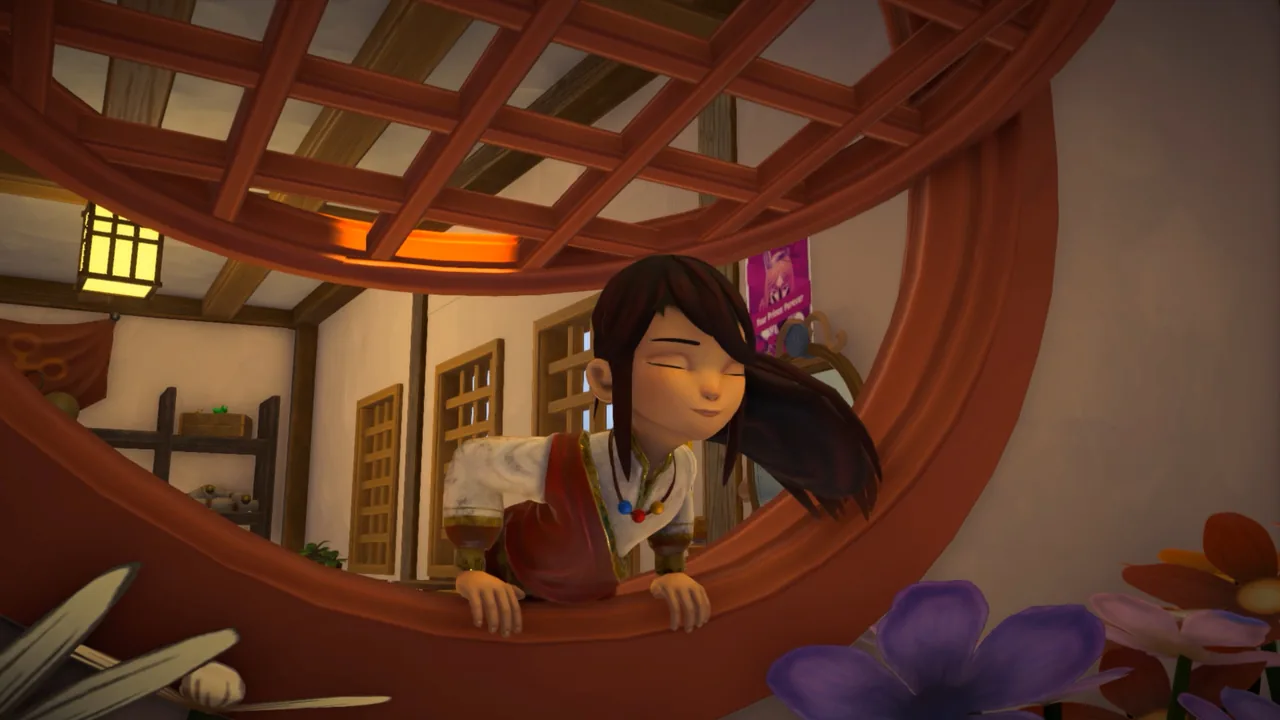
Ary and the Secret of SeasonsImage: Fishing Cactus via Steam -
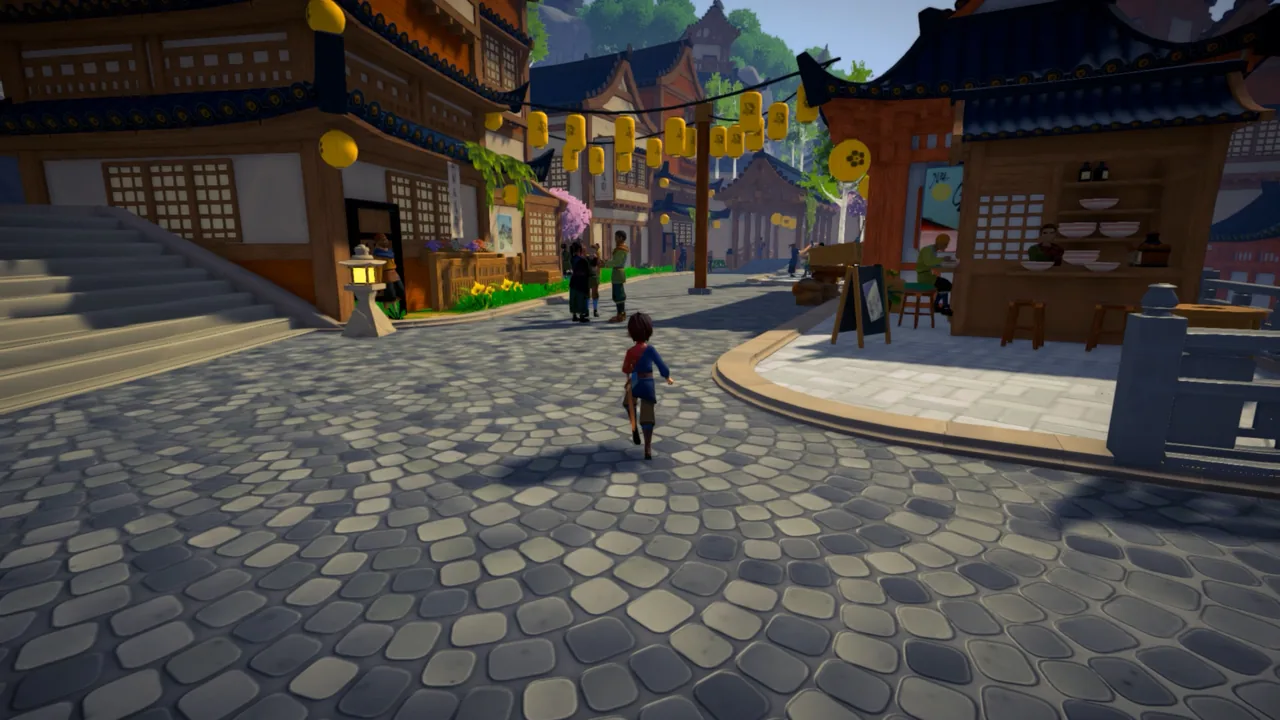
Ary and the Secret of SeasonsImage: Fishing Cactus via Steam -
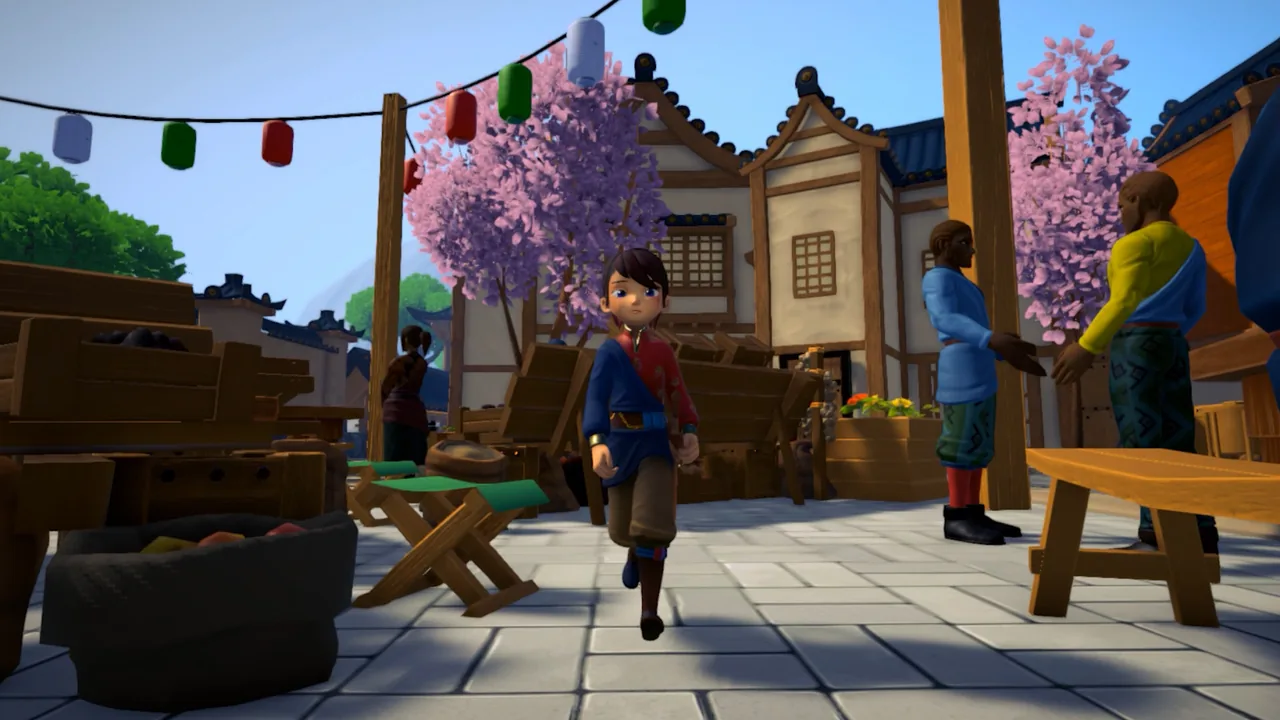
Ary and the Secret of SeasonsImage: Fishing Cactus via Steam -
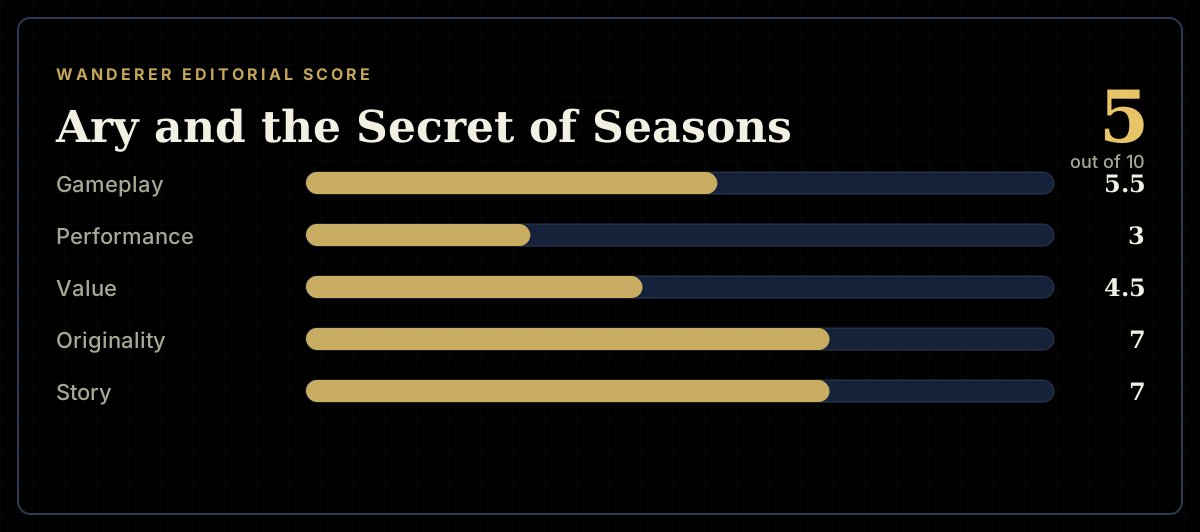
How the review scores each part of the gameWanderer Editorial -
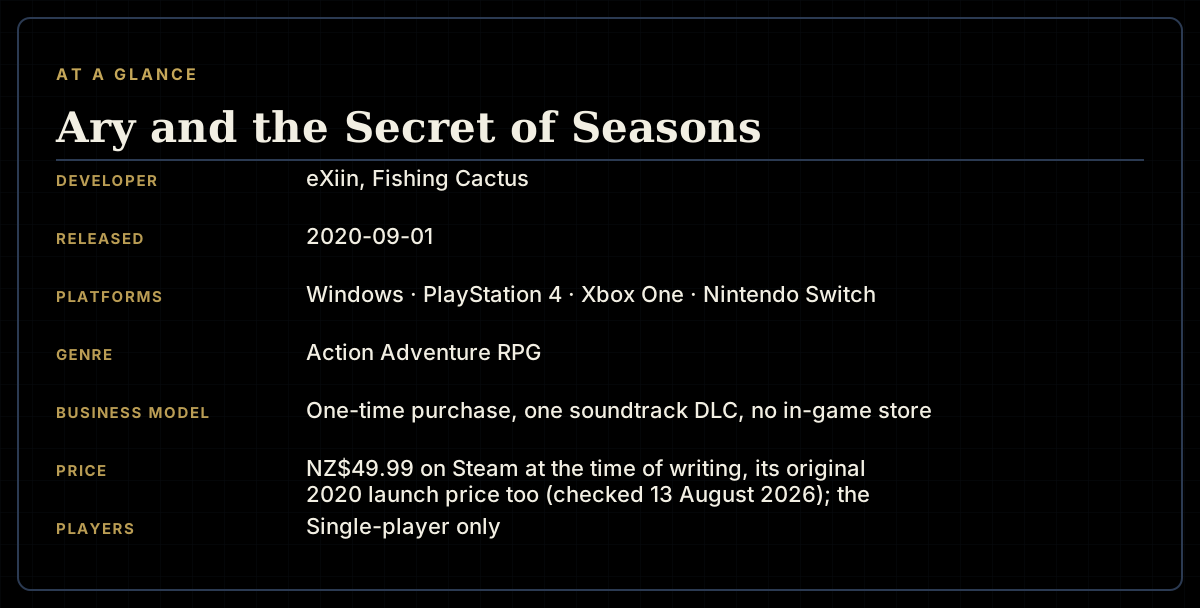
The essentials at a glanceWanderer Editorial -
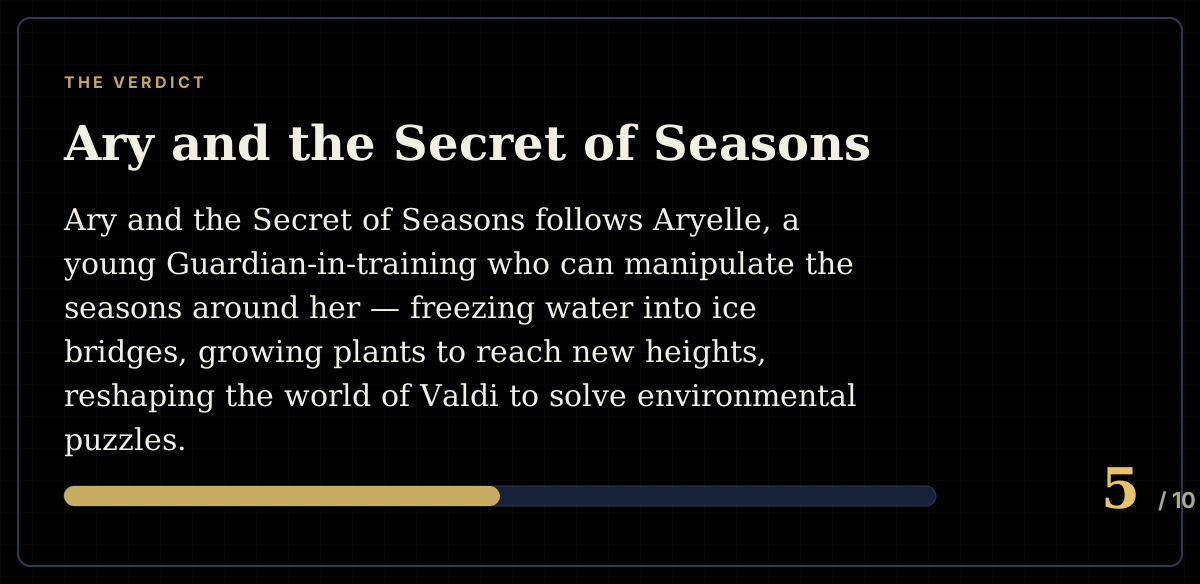
The short versionWanderer Editorial