Game review
Iron Danger
6 / 10
- Developer
- Action Squad Studios
- Publisher
- Daedalic Entertainment
- Released
- 25 March 2020
- Platforms
- Windows
- Genre
- Tactical Action RPG
- Monetisation
- One-time purchase, plus three small DLC packs (art book, soundtrack and similar extras). No in-game store
- Players
- Single-player only
The short version
Iron Danger's whole pitch rests on one genuinely novel idea: mid-battle, you can freely rewind time by several seconds and try a different approach, blending real-time positioning with the do-over safety net of a turn-based game. Critics responded to that hook specifically — 73 on both Metacritic and OpenCritic ("Fair," 56% critic recommend rate), with reviewers repeatedly calling the time mechanic worth the price of admission on its own for Finnish debut studio Action Squad Studios. Steam's player base lands close behind: Mostly Positive, 73.1% of 577 reviews (checked 13 August 2026).
The recurring complaint, across critics and players alike, is that the mechanic is doing all the work. There's no experience, loot, equipment or character customization despite marketing language that leans on "RPG," the story is widely described as thinning out sharply after its midpoint, and the novelty of the rewind system wears off well before the credits for a real share of players. Global achievement data backs that up plainly: only 7.3% of players who've unlocked an achievement have ever finished the game.
Biggest strengths
- A genuinely original time-rewind combat mechanic that both critics and players single out as the game's real achievement — nothing else in the genre plays quite like it
- Strong presentation for a debut studio's first release, with praised voice acting and art direction in its opening stretch
- An accessible, low-friction way to experiment with different tactical approaches without the usual permadeath stakes of the genre
Biggest weaknesses
- Marketed with RPG language despite having no experience points, loot, equipment or character customization — a mismatch several detailed reviews call out directly and feel misled by
- The story is widely reported to thin out sharply after its early chapters, with pacing and writing quality both taking a noticeable dip past the midpoint
- The central time-rewind mechanic's novelty wears off for a real share of reviewers well before the game ends, described by some as functionally similar to an undo button rather than deep tactical decision-making
Who it's for: Tactics and puzzle-combat fans specifically curious about a genuinely original mechanic, who don't need character-building systems to stay engaged and can tolerate a linear, story-light structure. A poor fit for anyone expecting the RPG progression the marketing implies.
Our recommendation: Worth trying for the combat mechanic alone, which is authentically inventive and well-executed — just go in expecting a linear tactical puzzler rather than an RPG, and be prepared for the novelty to flatten out well before the ending, which most players by Valve's own numbers never reach.
6 / 10
Rewinding time as a combat mechanic, not a gimmick
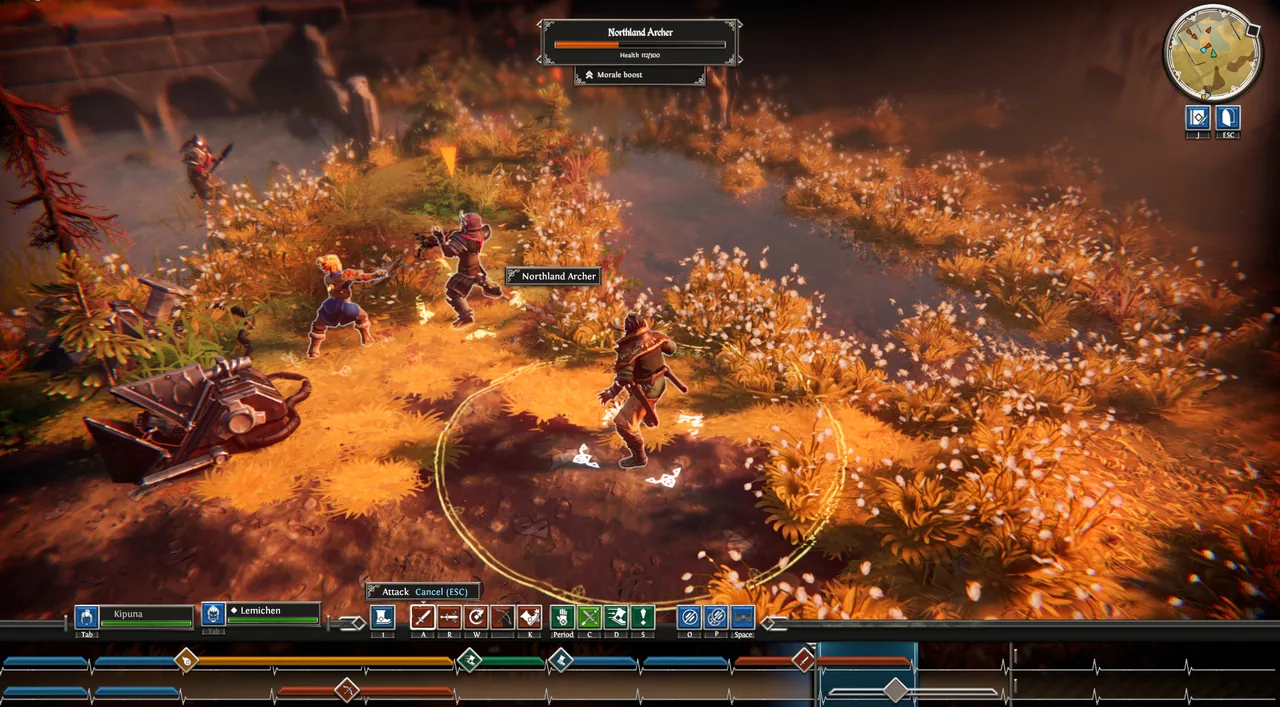
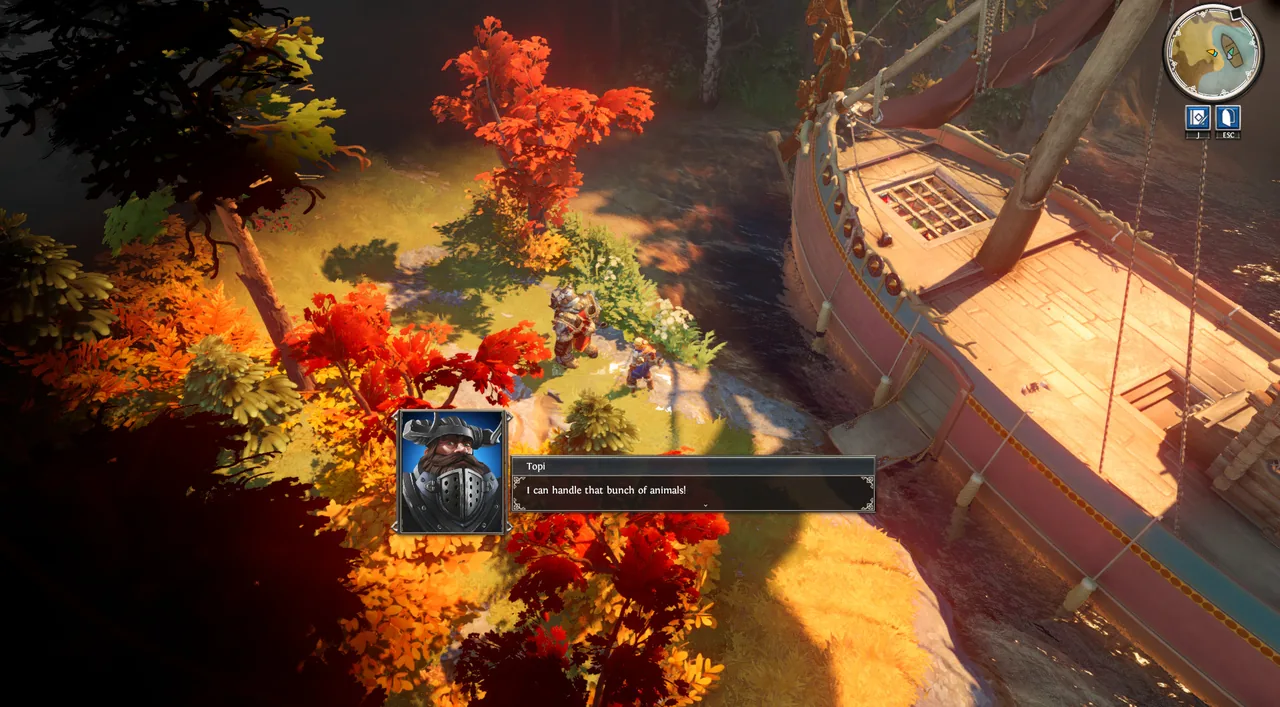
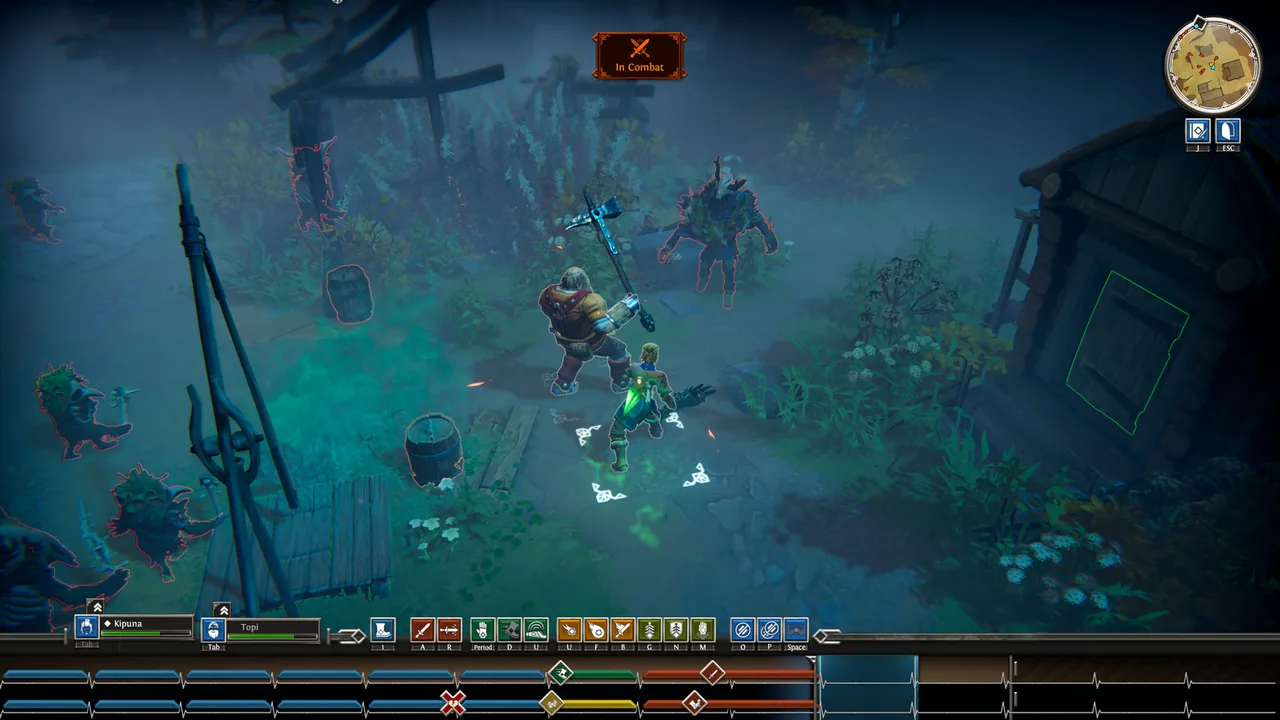
Iron Danger follows Kipuna, a young woman resurrected as an immortal spirit-warrior after a massacre in her village, fighting through a Finnish-folklore-inspired fantasy world to undo the catastrophe that killed her. The plot is a fairly conventional revenge-and-mystery setup. What isn't conventional is how you fight: at any point mid-battle, you can rewind time by a few seconds and try a completely different move, blending the split-second positioning of real-time combat with the safety net and experimentation of a turn-based game. One reviewer's framing has stuck as the go-to comparison across the whole review corpus: "It's like if Superhot was a TRPG game."
Critics responded to that mechanic specifically and consistently. Both Metacritic and OpenCritic settled at 73 — "Fair" on OpenCritic, with 56% of 27 critics recommending it — and the reviews repeatedly single out the time-rewind system as worth the price on its own, an impressive first outing for Action Squad Studios, a debut developer. Steam's player base landed close behind: Mostly Positive, 73.1% of 577 reviews as of this writing.
Where the marketing oversells it
The most specific, recurring complaint across the negative-review sample isn't about the mechanic itself — it's about what Iron Danger calls itself. Multiple detailed reviews object directly to the game's "RPG" framing: there are no experience points, no loot, no equipment, and no character customization. "There is nothing 'RPG' about this game," reads one review, going on to note that you don't even choose your own companion — the game assigns one. It's a tactical combat puzzler wearing RPG marketing, and reviewers who came in expecting the genre's usual systems of character growth describe feeling specifically misled rather than just disappointed by a lighter-than-expected feature set.
The story comes in for related, if softer, criticism. Several reviews describe a clear quality drop partway through — "the story takes a nose dive, the combat becomes bo[ring]," reads one, pointing to the point where the plot introduces its second major MacGuffin as where the game loses momentum it built in its stronger opening chapters.
A brilliant idea that some players say wears thin
Even reviewers who liked the central mechanic often qualify their praise with a shelf life. "The mechanics of reverse time allow for some good tactics but the novelty of the system wears out too soon," reads a representative mixed review; another calls it "not that different from simply having an 'undo' button in a tactical game" once the initial novelty fades. That's a meaningful distinction from a game whose entire pitch rests on that one system carrying the whole experience — if the mechanic stops feeling essential by the midpoint, everything underneath it (linear level design, light puzzle-solving, a story that's already thinning by then) has to hold the weight alone, and multiple reviews suggest it doesn't.
Valve's own achievement data quantifies just how many players stop engaging before the end: only 7.3% of players who've unlocked at least one achievement have the game-completion achievement, a figure one 2022 Steam review cites directly ("6.3% of people got the achievement for finishing Iron Danger... at the time of writing") as evidence the game loses people along the way — not from difficulty, in that reviewer's assessment, but from the moment-to-moment experience simply not sustaining interest that far.
Smaller complaints round out the negative sample: reported performance issues and frame drops in specific sections, and a stealth mechanic multiple reviews describe as actively working against the sequences that require it, slowing movement in exactly the situations where staying undetected should reward quick thinking rather than punish it.
Verdict
Iron Danger deserves real credit for its central idea — a genuinely inventive combat mechanic that both critics and players agree nothing else in the genre replicates, executed well enough in its opening hours to justify the price on its own. What it doesn't deserve is the RPG label its marketing leans on; this is a linear tactical puzzler with a strong hook and comparatively little underneath it, and the story and systems around that hook thin out noticeably as the game goes on. Play it for the mechanic, adjust your expectations for everything else, and don't be surprised if, like most players by Valve's own numbers, you don't feel compelled to see it all the way through.
Pros and cons
Pros
- A genuinely original time-rewind combat mechanic that both critics and players single out as the game's real achievement — nothing else in the genre plays quite like it
- Strong presentation for a debut studio's first release, with praised voice acting and art direction in its opening stretch
- An accessible, low-friction way to experiment with different tactical approaches without the usual permadeath stakes of the genre
Cons
- Marketed with RPG language despite having no experience points, loot, equipment or character customization — a mismatch several detailed reviews call out directly and feel misled by
- The story is widely reported to thin out sharply after its early chapters, with pacing and writing quality both taking a noticeable dip past the midpoint
- The central time-rewind mechanic's novelty wears off for a real share of reviewers well before the game ends, described by some as functionally similar to an undo button rather than deep tactical decision-making
- Global achievement data shows most owners never finish it — only 7.3% have the game-completion achievement, and completion falls off steeply well before that point too
- Reported optimization issues in specific sections, plus a stealth mechanic several reviewers describe as actively working against the sequences that require it
Screenshots
-
Iron DangerImage: Daedalic Entertainment via Steam -
Iron DangerImage: Daedalic Entertainment via Steam -
Iron DangerImage: Daedalic Entertainment via Steam -
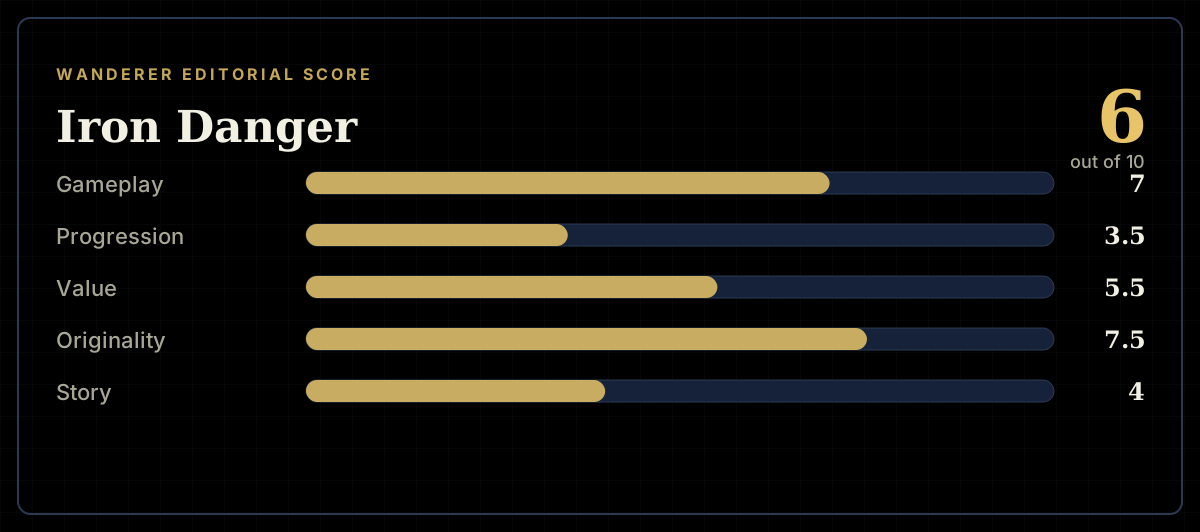
How the review scores each part of the gameWanderer Editorial -
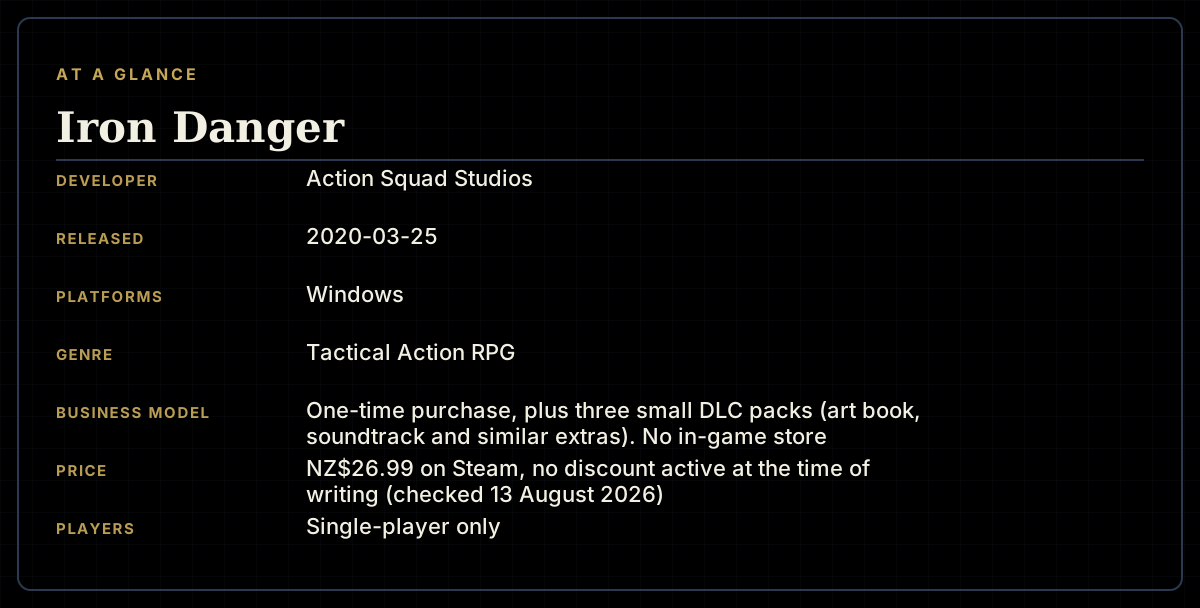
The essentials at a glanceWanderer Editorial -
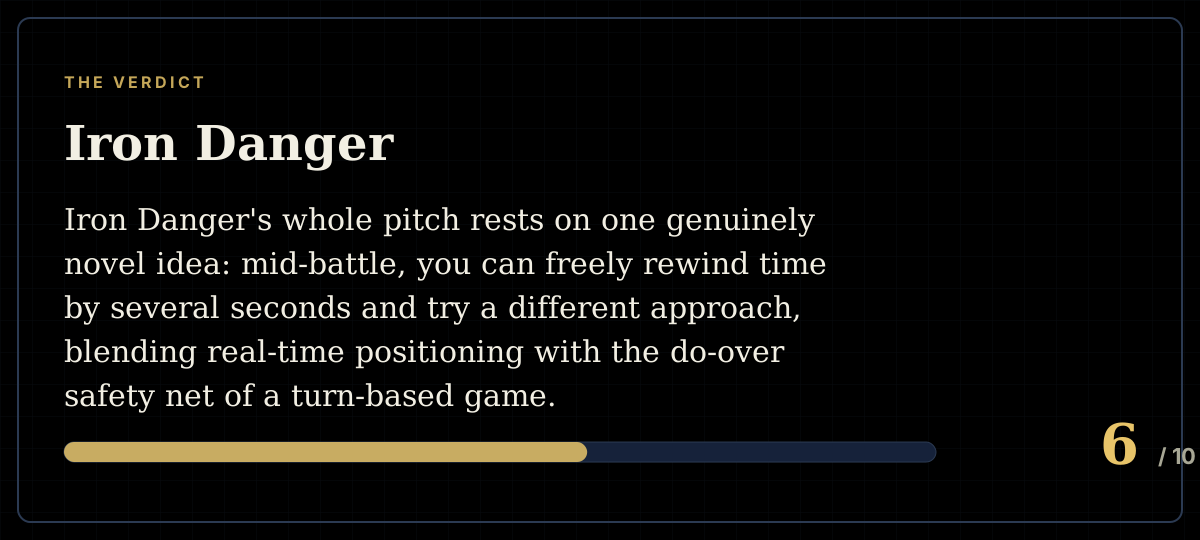
The short versionWanderer Editorial