
Game review
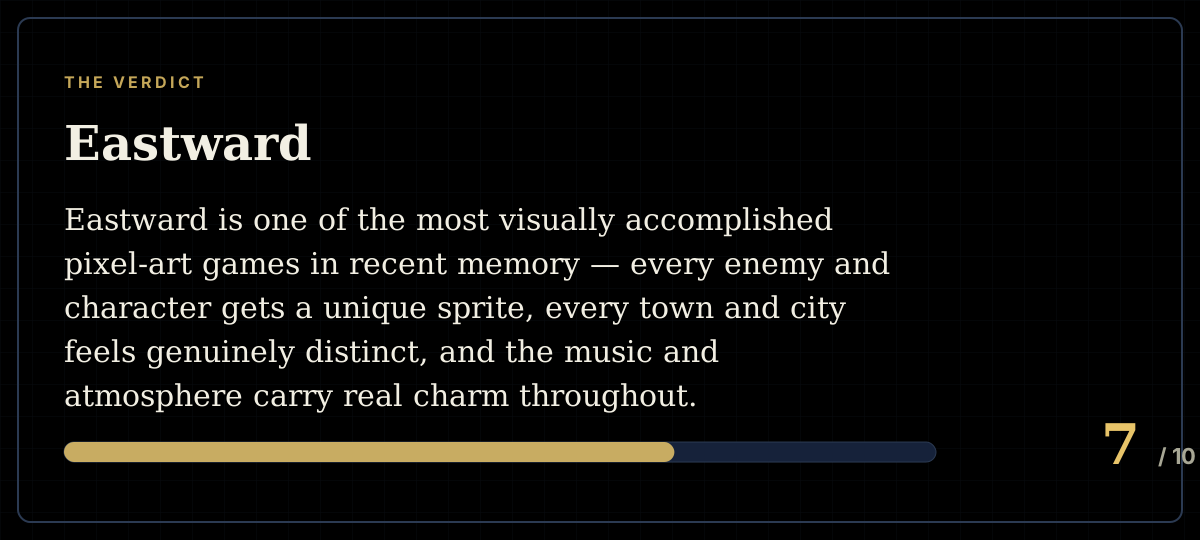
Eastward
7 / 10
- Developer
- Pixpil
- Publisher
- Chucklefish
- Released
- 16 September 2021
- Platforms
- Windows, macOS
- Genre
- Action-Adventure RPG
- Monetisation
- Premium, one-off purchase — no in-game purchases
- Players
- Single-player
The short version
Eastward is one of the most visually accomplished pixel-art games in recent memory — every enemy and character gets a unique sprite, every town and city feels genuinely distinct, and the music and atmosphere carry real charm throughout. Some reviewers describe it as scratching an Earthbound-shaped itch nothing else has managed in years.
The honest, widely repeated complaint concerns the story built around that presentation. A large and consistent share of reviewers, including many who otherwise love the game, describe the narrative as increasingly chaotic and badly paced through its middle chapters — heavy on unskippable dialogue relative to actual play, and prone to detours that lose momentum rather than building it.
Biggest strengths
- Extraordinary pixel art, with unique sprites for essentially every enemy and NPC and genuinely distinct town and city design throughout
- Excellent music and sound design that carries the game's atmosphere consistently
- A charming central relationship and strong opening hours that draw frequent comparisons to beloved Mother/Earthbound-style RPGs
Biggest weaknesses
- A large and consistent share of reviewers describe the story losing coherence and pacing through its middle chapters, with a widely cited slow stretch around the game's casino and circus sections
- The dialogue-to-gameplay ratio is notably high, with unskippable cutscenes and heavy reading that some reviewers found came at the expense of actual play
- Some reviewers describe the game as trying to be several different things — a gritty sci-fi narrative, a JRPG homage, a puzzle-dungeon crawler — without fully reconciling them
Who it's for: Pixel-art and story-driven adventure fans, especially those nostalgic for Mother/ Earthbound-style RPGs — go in prepared for a dialogue-heavy pace and a story that a meaningful share of players say loses its footing partway through.
Our recommendation: Worth playing for the art, sound design and atmosphere alone, which are genuinely among the best in the genre. Temper expectations for the story's pacing, especially through the middle chapters, and expect a much higher ratio of reading to playing than the genre typically asks for.
7 / 10
Eastward opens with a genuinely charming premise — a gruff excavator and a mysterious young girl navigating a declining underground society — and for its first several hours, it's easy to see why so many reviewers reach for comparisons to beloved Mother and Earthbound-style RPGs. The question this review has to answer honestly is whether that early charm sustains itself across the whole story, and the game's own reviewers give a remarkably consistent, if mixed, answer.
Some of the best pixel art the genre has produced
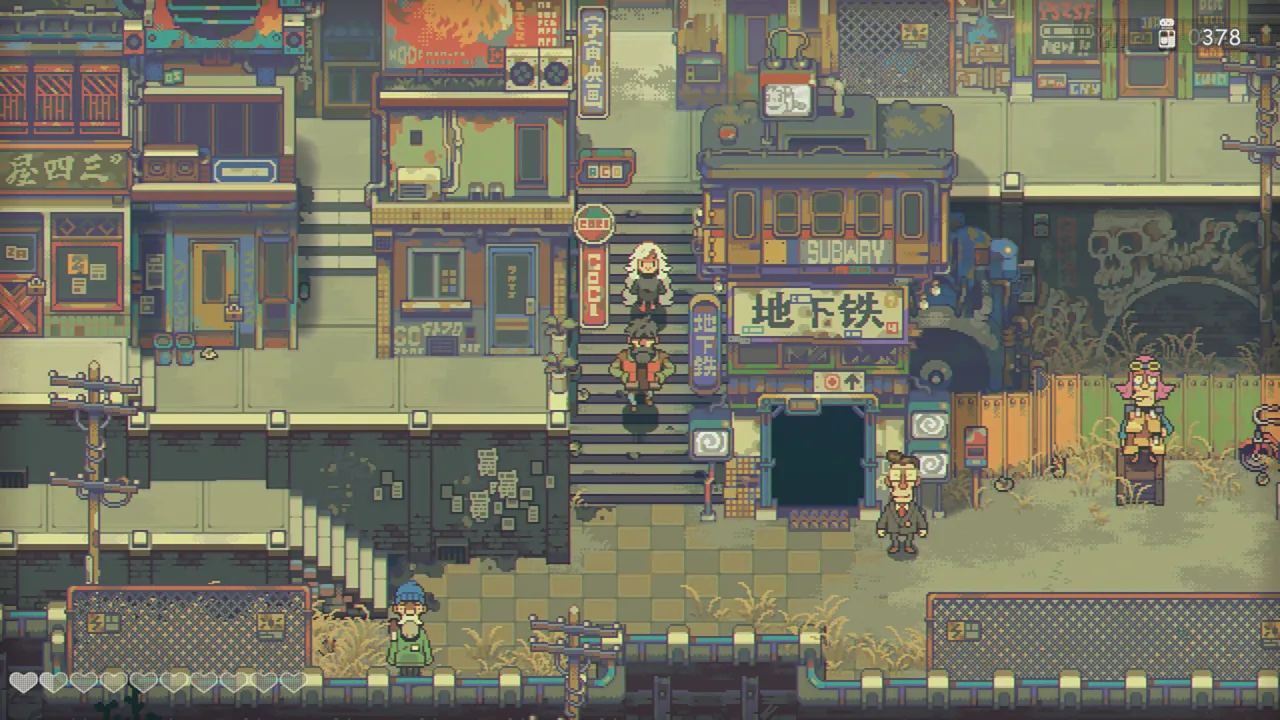
There's no real dispute about Eastward's visual and audio craft. Every enemy and NPC gets a unique sprite rather than a palette-swapped template, towns and cities are distinct enough to feel like genuinely different places rather than reskinned versions of each other, and the music carries the game's mood consistently from its cosier early towns to its more unsettling later areas. This is the kind of detail work that explains the game's devoted following on its visuals alone, and it holds up throughout rather than front-loading its best work into the opening hours.
Where the story loses its footing
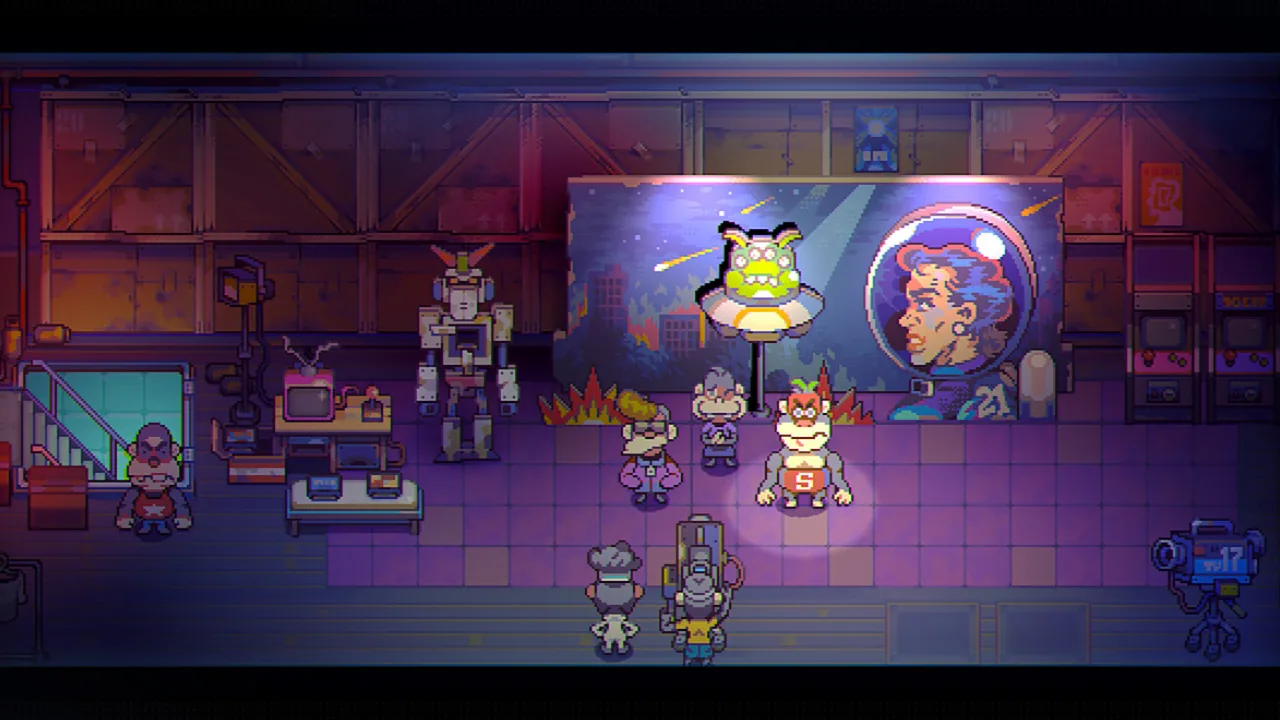
The honest, widely repeated complaint concerns pacing and narrative coherence. A large share of reviewers, including many who describe genuine early affection for the game, report the story becoming increasingly chaotic through its middle chapters — several specifically cite a slower stretch around the game's casino and circus sections as the point where momentum stalls. A related complaint concerns the ratio of dialogue to actual play: cutscenes are unskippable and frequent, and more than one reviewer describes stretches that feel like reading punctuated by short bursts of gameplay rather than the reverse. Some frame this as the game trying to be several distinct things at once — a gritty sci-fi narrative, a JRPG homage, a puzzle-driven dungeon crawler — without fully reconciling them into one consistent pace.
Mechanics that arrive, by most accounts, a little late
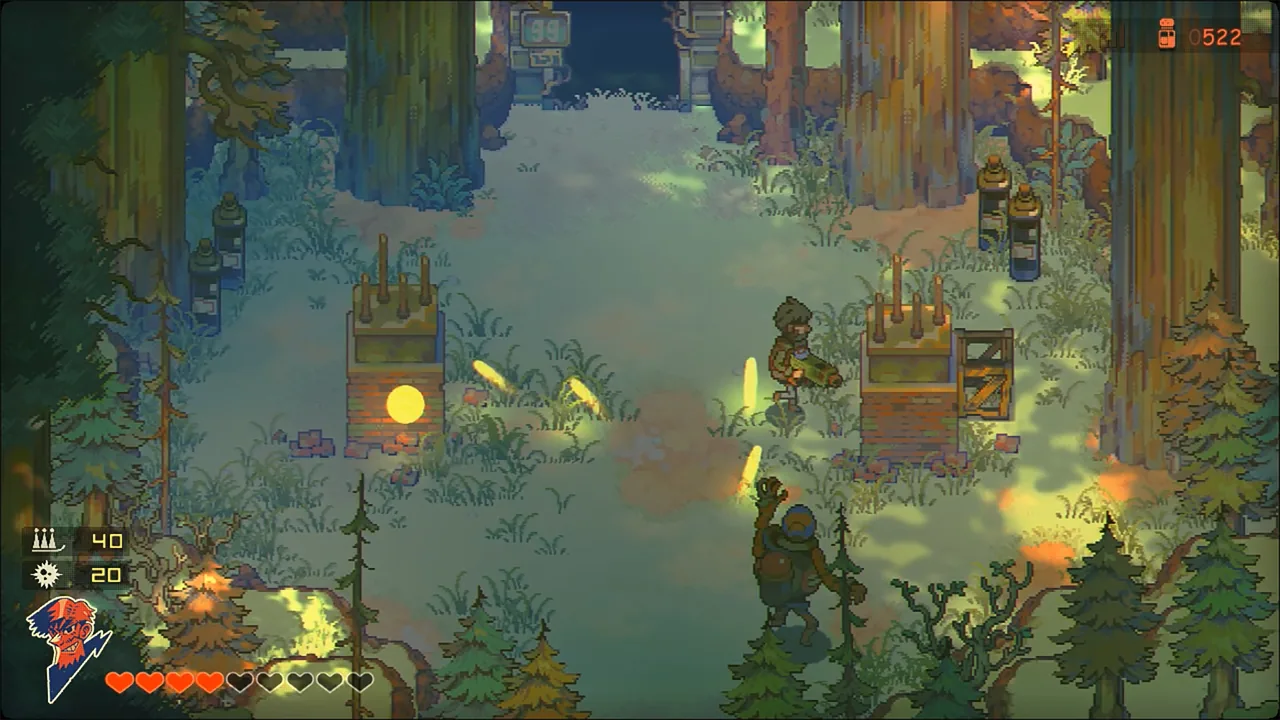
A related thread notes that Eastward's most satisfying gameplay systems — its puzzle and combat variety — genuinely improve as the game progresses, but several reviewers wish that improvement had arrived earlier, given how much of the early-to-mid game leans on dialogue and exploration over active play. That's a fair, specific pacing critique rather than a claim the mechanics themselves are weak.
Final verdict
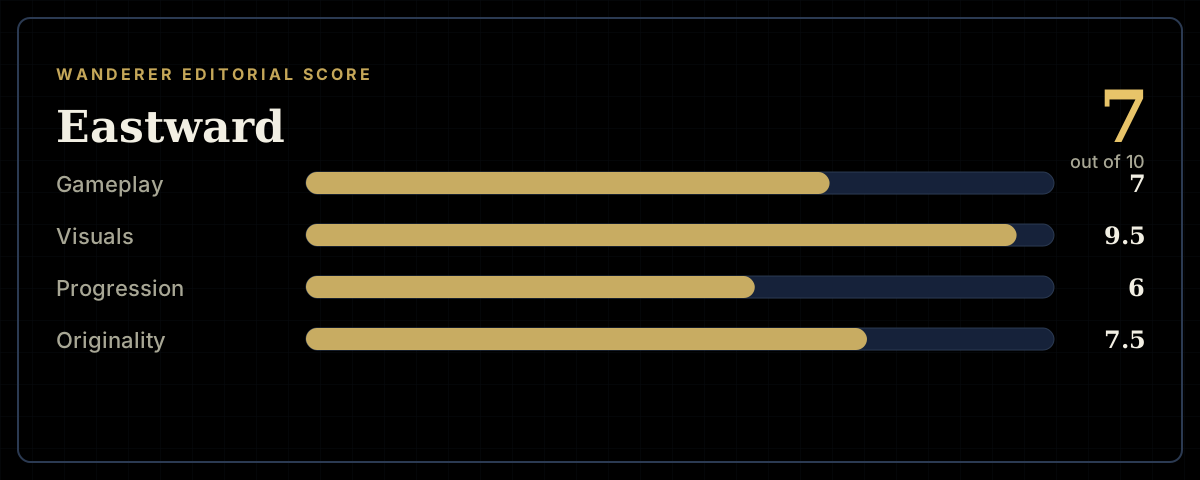
Eastward is a genuinely beautiful, well-composed pixel-art adventure that a large and consistent share of its own reviewers say doesn't fully deliver on its narrative promise once the middle chapters arrive. It settles at 7 because the visual and audio craft are exceptional enough to carry real recommendation weight on their own, while the story pacing complaints are specific, widely repeated and fair enough that this review can't simply wave them away in favour of the game's undeniable charm. Go in for the art and the opening hours, and temper expectations for how the story holds together as it goes.
Price and review data checked 5 August 2026.
If you'd rather your adventure's pacing stayed in your own hands rather than a fixed narrative script, Wanderer lets you set your own rhythm entirely.
Pros and cons
Pros
- Extraordinary pixel art, with unique sprites for essentially every enemy and NPC and genuinely distinct town and city design throughout
- Excellent music and sound design that carries the game's atmosphere consistently
- A charming central relationship and strong opening hours that draw frequent comparisons to beloved Mother/Earthbound-style RPGs
- Real mechanical variety across combat, puzzles and mini-games, even if their pacing draws mixed reactions
Cons
- A large and consistent share of reviewers describe the story losing coherence and pacing through its middle chapters, with a widely cited slow stretch around the game's casino and circus sections
- The dialogue-to-gameplay ratio is notably high, with unskippable cutscenes and heavy reading that some reviewers found came at the expense of actual play
- Some reviewers describe the game as trying to be several different things — a gritty sci-fi narrative, a JRPG homage, a puzzle-dungeon crawler — without fully reconciling them
- The satisfying gameplay mechanics arrive, by several accounts, later than the game's pacing should have allowed
Screenshots
-
EastwardImage: Chucklefish via Steam -
EastwardImage: Chucklefish via Steam -
EastwardImage: Chucklefish via Steam -
How the review scores each part of the gameWanderer Editorial -
The short versionWanderer Editorial