Game review
Rise of the Tomb Raider
7.5 / 10
- Developer
- Crystal Dynamics
- Publisher
- Square Enix
- Released
- 10 November 2015
- Platforms
- Windows, macOS, Linux
- Genre
- Action-Adventure
- Monetisation
- One-time premium purchase; Season Pass DLC available separately, including the Blood Ties VR experience. Base game reviewed here
- Players
- Single-player only; no online, co-op or PvP modes
The short version
Rise of the Tomb Raider expands directly on the 2013 reboot's formula — bigger open areas alongside its linear story sections, deeper crafting and skill systems, and noticeably fewer quicktime events — and reviewers consistently single out its visuals and platforming as some of the best in the genre. One of the most upvoted reviews in this sample sums up the trade-off precisely: "if you (dis)liked the first one, you will (dis)like the second one," since the core formula hasn't changed dramatically.
A real, recurring critique follows from that same continuity: several reviewers specifically miss the tighter, more focused storytelling of the 2013 original, describing this entry's open world as leaning on "busywork" — fast-traveling to gather collectibles and crafting materials — at the expense of narrative momentum, alongside generally forgettable antagonists. Two further, specific findings are worth flagging directly: multiple reviewers warn the game's VR-labeled content is limited to a single non-combat exploration area rather than the full campaign, and a more recent update added a mandatory Epic Games Services login requirement that a number of reviewers object to specifically as an unwanted addition to a Steam purchase.
Biggest strengths
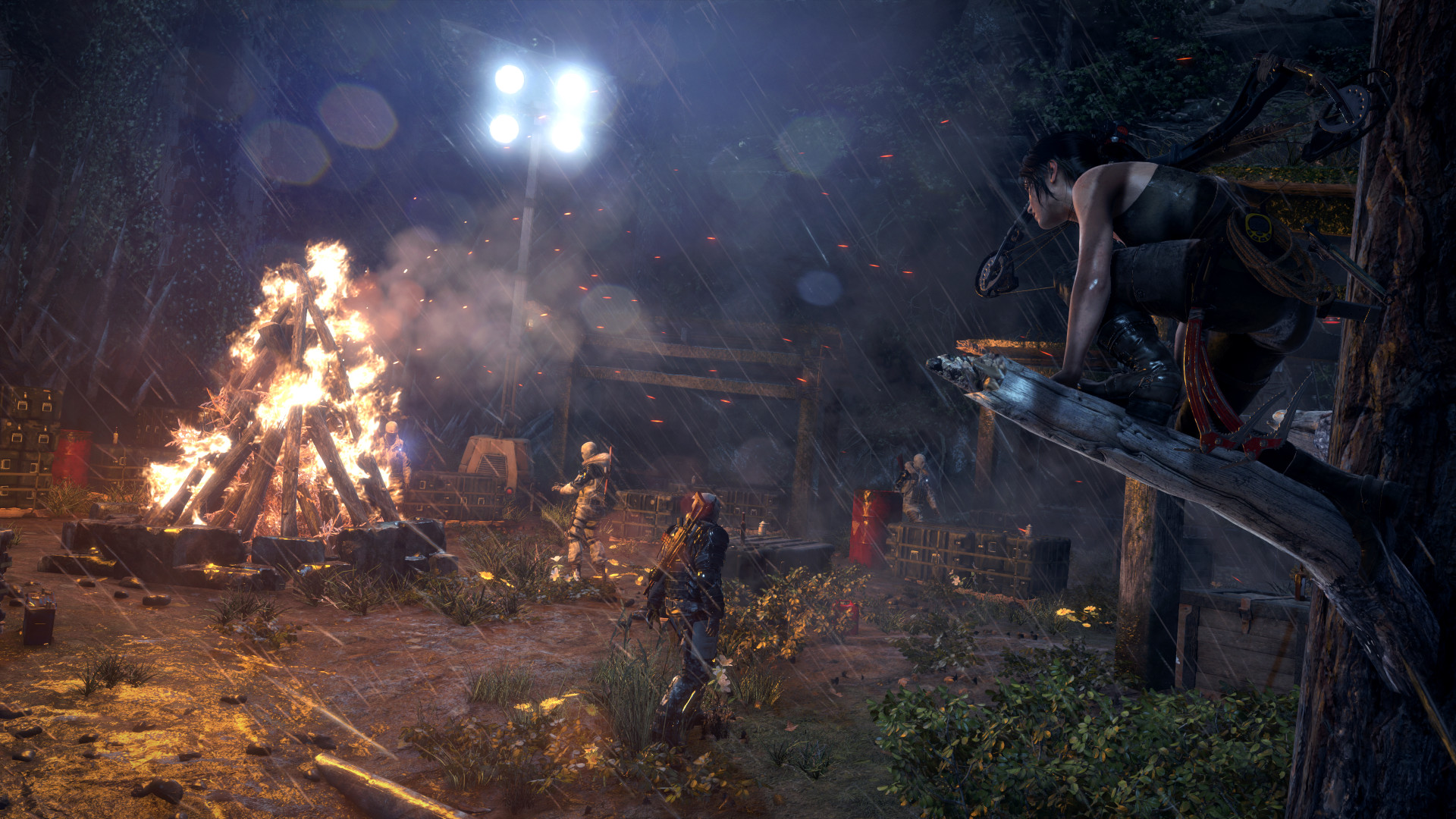
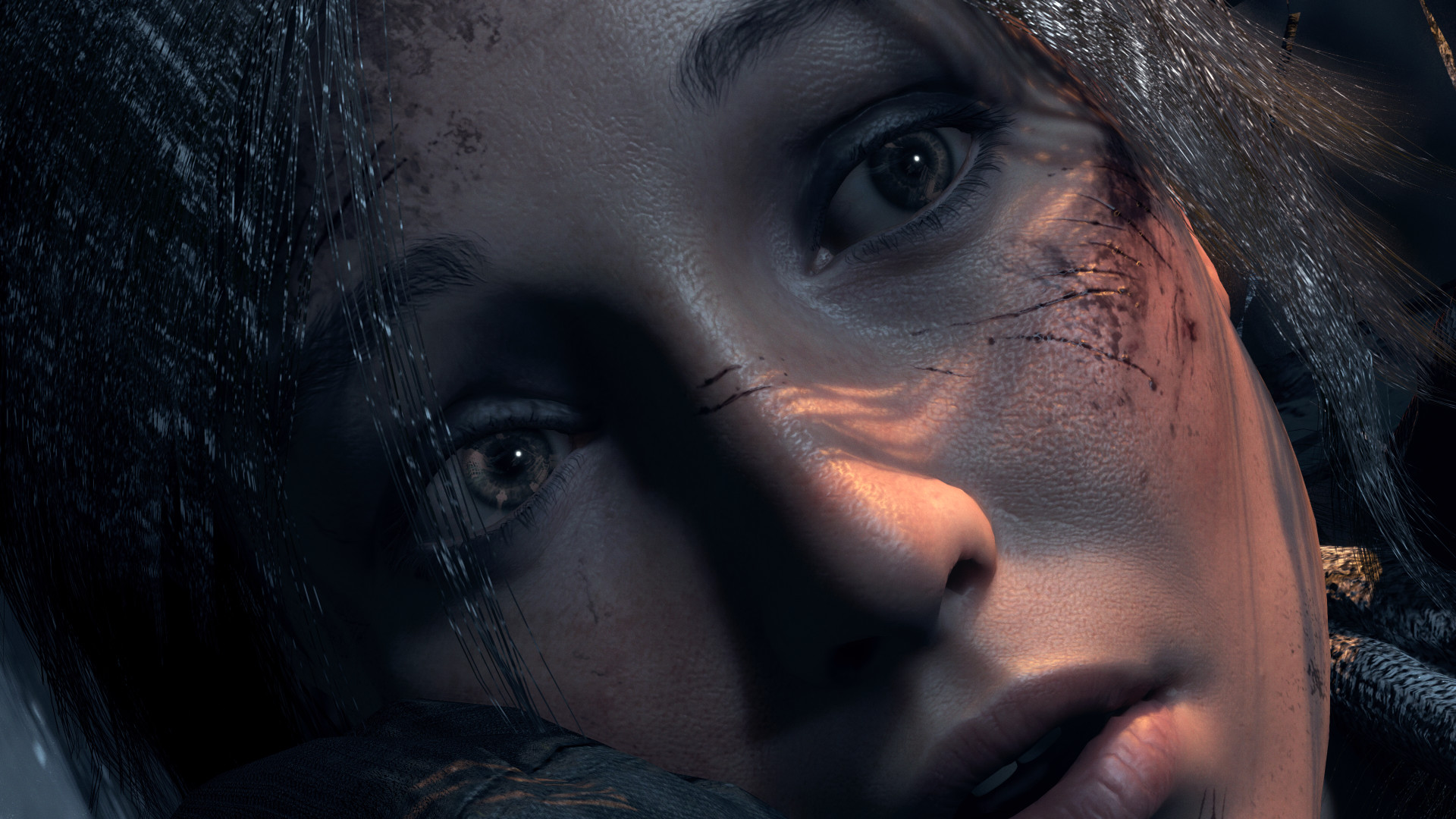
- Widely and consistently praised visuals and technical optimization, described by multiple reviewers as among the best-looking games in its genre even years after release
- Satisfying, tightly tuned platforming and traversal, building directly on the 2013 reboot's controls with reviewers specifically noting the improved feel
- Expanded crafting, skill and stealth systems that add variety to combat encounters compared to the previous game
Biggest weaknesses
- A recurring, specific critique: several reviewers say the open-world structure trades the 2013 original's focused storytelling for "busywork" — fast-traveling to collect resources and crafting materials — diluting narrative momentum in the process
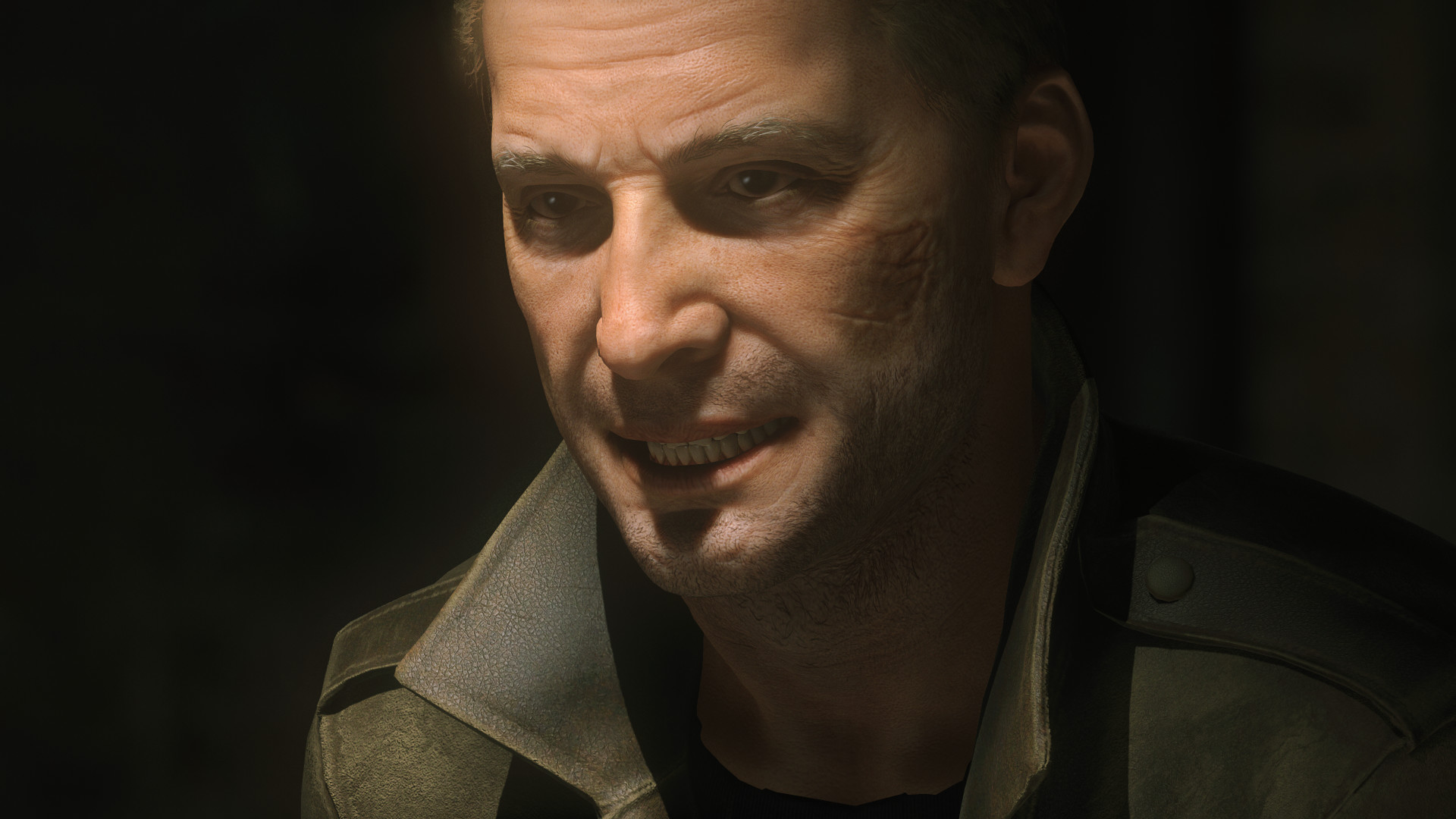
- Characters and the main antagonist are repeatedly described as generic and forgettable compared to the tightly written cast of the previous game
- Multiple reviewers specifically warn the game's VR support, despite store-page marketing, is limited to a single non-combat exploration area (the Blood Ties DLC's Croft Manor) rather than the full campaign, and should not be bought expecting a true VR experience
Who it's for: Fans of the 2013 Tomb Raider reboot who want more of the same with a larger open-world scope. Less suited to players who specifically valued that game's tighter, more focused story, or who are wary of buying a Steam game that now requires a separate third-party login service.
Our recommendation: A worthwhile purchase for fans of the 2013 reboot's traversal and combat systems — just go in expecting open-world padding over story focus, and know about the VR-content scope and Epic Games Services login requirement before buying.
7.5 / 10
Rise of the Tomb Raider launched first as an Xbox timed exclusive in November 2015 before reaching Steam a couple of months later, and it picks up directly where Crystal Dynamics' well-received 2013 reboot left off — a harder, more grounded Lara Croft, now chasing a lost city in Siberia rather than washing ashore on a mysterious island. The review sample here is large and detailed, and it converges on a clear picture: this is a gorgeous, mechanically satisfying sequel whose biggest departure from its predecessor is also its most divisive.
Visuals and traversal that still hold up
The praise for how this game looks and plays is remarkably consistent even a decade on. The most upvoted review in this sample opens with blunt, specific praise: "Gorgeous graphics, well optimized. One of the best looking games around," alongside "tight controls, platforming is very satisfying." A separate reviewer, someone who explicitly says they've completed the game five or more times, still returns to it years later, and multiple reviewers specifically credit whoever handled the game's performance optimization, with one simply writing: "Whoever optimizes these Tomb Raider games, keep them, whatever it takes." Fewer quicktime events compared to the 2013 original is another change reviewers repeatedly welcome, framing this entry as trusting the player's own input more than its predecessor did.
A wider world, and a real cost to focus
Where the review sample splits is on what that expanded, more open-world structure does to the story. Several detailed reviews make essentially the same argument independently: this game widens the scope of exploration and crafting at the expense of the tighter, more self-contained narrative that defined the 2013 reboot. One reviewer describes the open-world design bluntly as "Open World Busywork," arguing players can "completely lose track of the story" while fast traveling back and forth "so you can gather 50 rabbit skins for a new bow grip." Another agrees the game is still a strong overall experience, but specifically flags that its main antagonist and supporting cast are "generic, forgettable characters," where "the story has a few memorable moments but overall it falls flat." That's a consistent enough pattern across independent reviews to treat as a real structural trade-off rather than one reviewer's taste.
Two specific, checkable marketing concerns
Beyond the story-versus-scope debate, two more concrete findings are worth flagging directly for anyone comparing store listings. Multiple reviewers specifically warn that despite this game's VR support being advertised on its store page, that content is limited entirely to the separate Blood Ties DLC's Croft Manor sequence — a non-combat exploration area with no puzzles, fighting or main campaign content in VR at all. "This game is NOT a vr game as advertised," one reviewer states plainly, a specific, checkable claim any VR-motivated buyer should verify before purchasing on that basis. Separately, and more recently, the game was updated to require a login through Epic Games Services, and multiple reviewers object specifically to that addition on a game they bought through Steam, with one writing simply: "I bought this game on steam I want to play it on steam. This is not cool." That's a real, corroborated technical and privacy concern distinct from the franchise's core gameplay, worth knowing about going in.
Isolated but serious technical reports
Most of this review sample describes a well-optimized, technically solid game, which makes the small number of dissenting technical reports worth noting rather than dismissing outright. One detailed reviewer lists a specific, reproducible set of freezes — at campfires, when accessing the upgrade and skill menus, and during jumping and running — alongside frame drops and stuttering, describing it as the worst technical experience of the games mentioned in their review. That account sits at odds with the majority praise for the game's optimization, and this review can't independently confirm how widespread that specific freezing pattern is versus the much larger volume of reviewers reporting a smooth, well-performing experience, but it's a specific enough account to flag for anyone experiencing similar issues after purchase.
What the completion data adds
Steam's achievement statistics offer a rough independent read on engagement here too. Several early milestones sit above 80% of the tracked playerbase, a high starting completion rate consistent with an accessible, easy-to-begin campaign, but that curve falls away sharply toward the harder, presumably late-game or full-completion achievements, several of which sit close to 1% of the playerbase. As with a number of other titles in this catalogue, the achievement schema here returns only generic internal identifiers rather than readable names, so this review can describe the general shape of that drop-off without tying it to specific story chapters, tombs, or difficulty settings.
The middle chapter of a trilogy
It's worth placing this game within the wider rebooted trilogy it belongs to, since several reviewers explicitly frame their assessment that way. Rise of the Tomb Raider sits between the tightly focused 2013 original and 2018's Shadow of the Tomb Raider, and at least one reviewer who played the games out of order specifically credits this middle entry as the strongest of the three, even after enjoying Shadow's setting and tone. That kind of trilogy-wide comparison recurs often enough in this sample to suggest the games are frequently judged relative to each other rather than purely on their own terms, which is worth keeping in mind for anyone deciding where to start or whether to play all three in sequence.
Where it lands
Rise of the Tomb Raider earns its Very Positive reception through visuals, traversal and technical polish that reviewers still praise years after release, expanding meaningfully on the 2013 reboot's core systems. The recurring critique that its open-world scope comes at the cost of narrative focus is corroborated across multiple independent, detailed reviews, and the specific VR-marketing and Epic Games Services login concerns are concrete enough to check before buying rather than discover afterward. For fans of the series' traversal and combat who don't mind trading story focus for a bigger world, this remains a strong, visually impressive sequel.
Pros and cons
Pros
- Widely and consistently praised visuals and technical optimization, described by multiple reviewers as among the best-looking games in its genre even years after release
- Satisfying, tightly tuned platforming and traversal, building directly on the 2013 reboot's controls with reviewers specifically noting the improved feel
- Expanded crafting, skill and stealth systems that add variety to combat encounters compared to the previous game
- A good mix of substantial, well-designed optional tombs and puzzle content alongside the main story path, praised specifically in the late game
- Noticeably fewer quicktime events than the 2013 original, a change multiple reviewers specifically welcome
Cons
- A recurring, specific critique: several reviewers say the open-world structure trades the 2013 original's focused storytelling for "busywork" — fast-traveling to collect resources and crafting materials — diluting narrative momentum in the process
- Characters and the main antagonist are repeatedly described as generic and forgettable compared to the tightly written cast of the previous game
- Multiple reviewers specifically warn the game's VR support, despite store-page marketing, is limited to a single non-combat exploration area (the Blood Ties DLC's Croft Manor) rather than the full campaign, and should not be bought expecting a true VR experience
- A since-added requirement to log in via Epic Games Services draws specific, repeated objections from reviewers who bought the game on Steam and don't want an additional third-party account requirement
- Combat is described by more than one reviewer as too easy and occasionally janky, particularly during melee encounters
Screenshots
-
Rise of the Tomb RaiderImage: Square Enix via Steam -
Rise of the Tomb RaiderImage: Square Enix via Steam -
Rise of the Tomb RaiderImage: Square Enix via Steam -
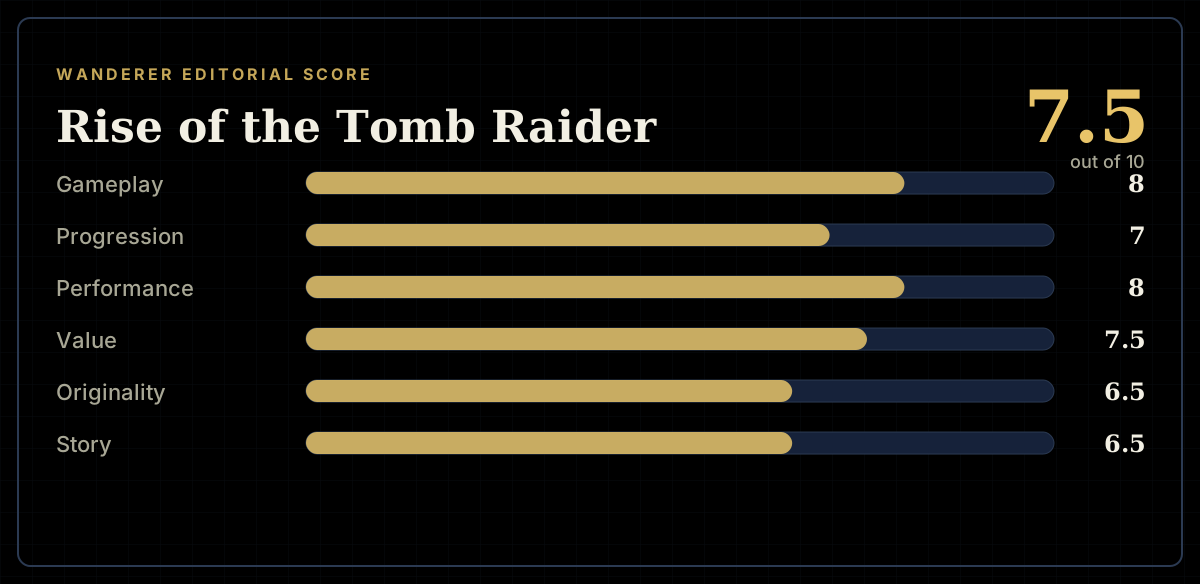
How the review scores each part of the gameWanderer Editorial -
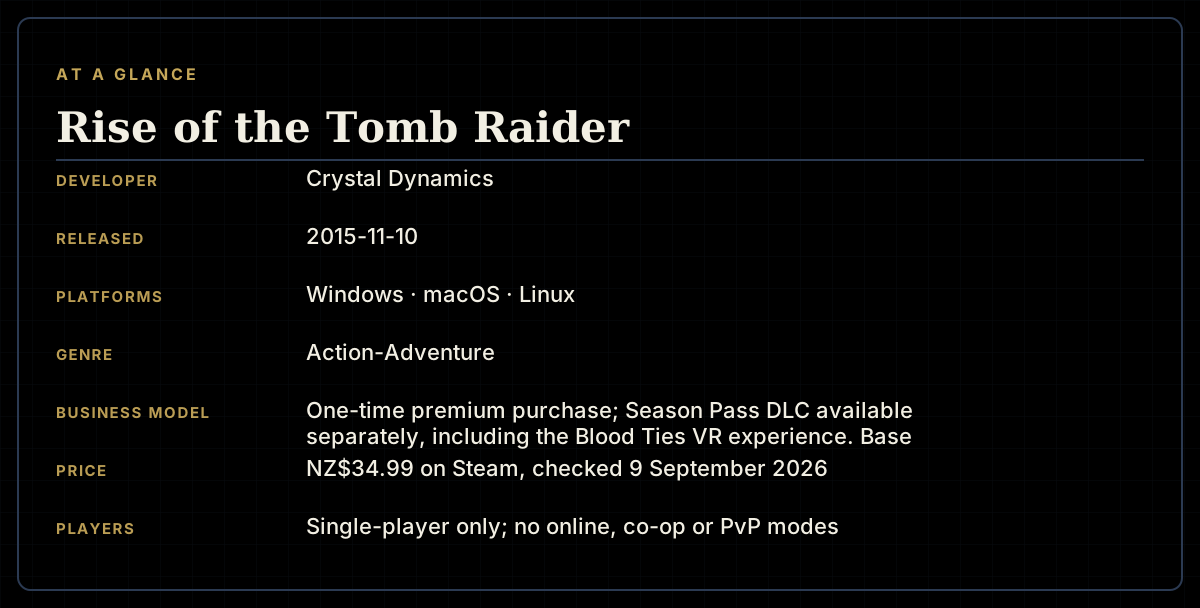
The specsWanderer Editorial -
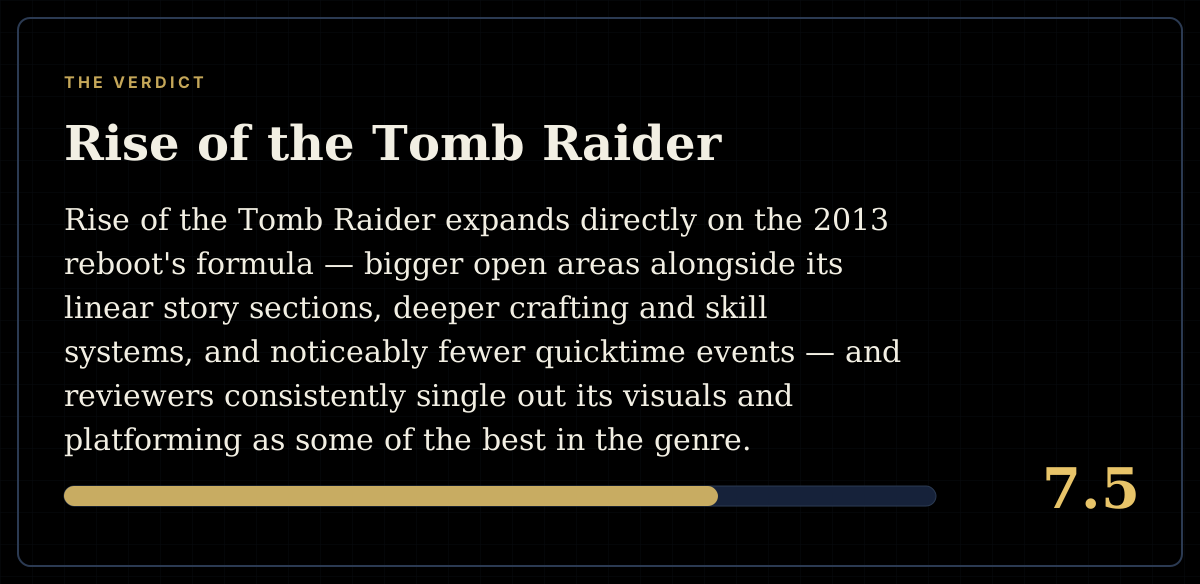
The short versionWanderer Editorial