
Game review
20,000 Miles Under the Sea
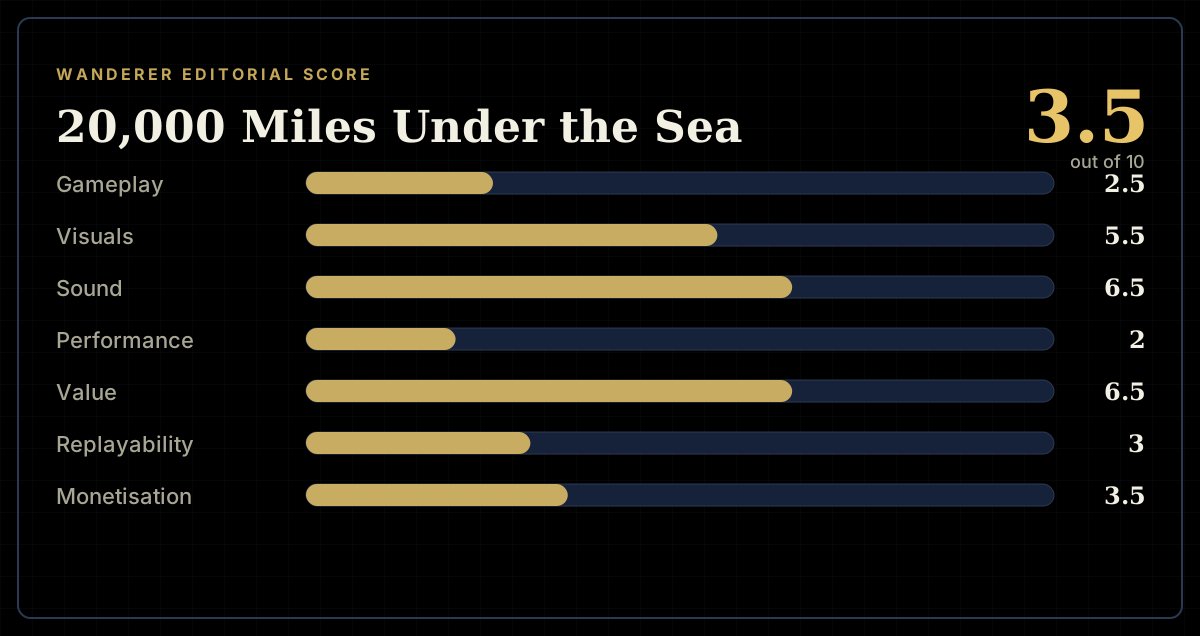
3.5 / 10
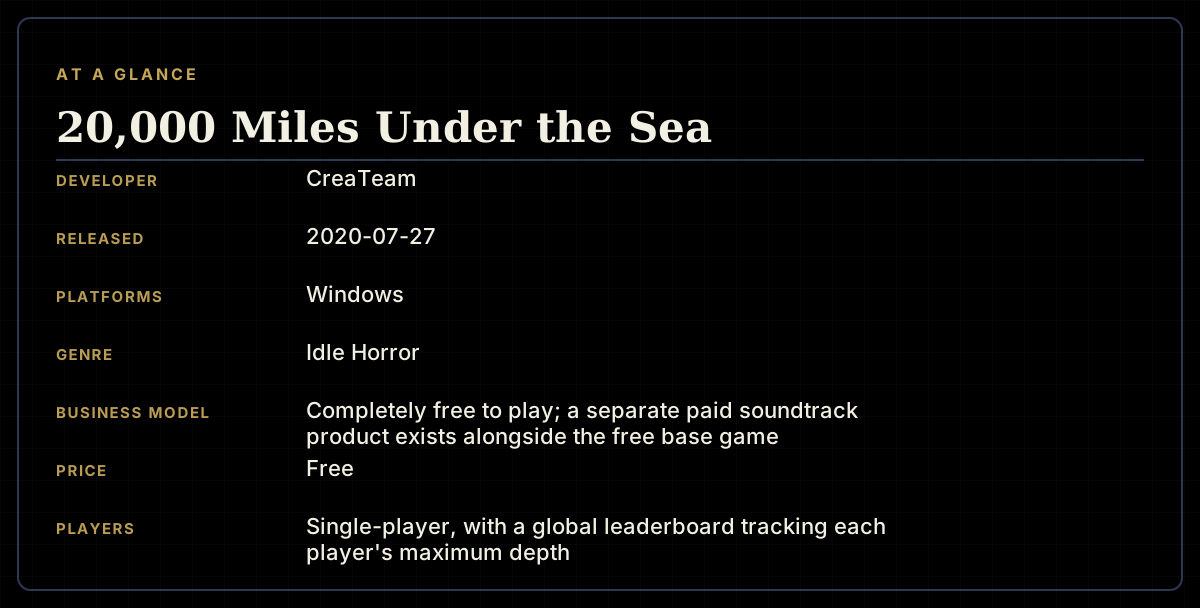
- Developer
- CreaTeam
- Publisher
- CreaTeam
- Released
- 27 July 2020
- Platforms
- Windows
- Genre
- Idle Horror
- Monetisation
- Completely free to play; a separate paid soundtrack product exists alongside the free base game
- Players
- Single-player, with a global leaderboard tracking each player's maximum depth
The short version
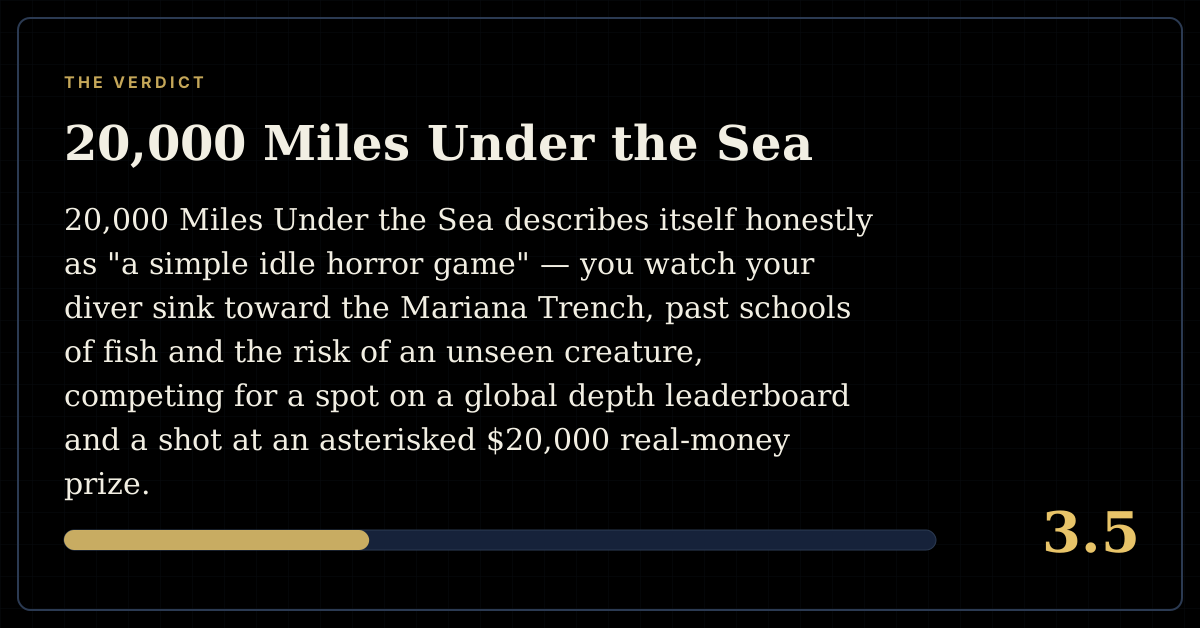
20,000 Miles Under the Sea describes itself honestly as "a simple idle horror game" — you watch your diver sink toward the Mariana Trench, past schools of fish and the risk of an unseen creature, competing for a spot on a global depth leaderboard and a shot at an asterisked $20,000 real-money prize. Reviewers are genuinely split on whether that passive, ambient premise works as intended. What isn't split at all is the game's most dominant complaint: a crash bug so frequent and so widely reported that it, far more than the sparse gameplay, is what most reviewers actually recommend against.
Biggest strengths
- The core concept — a slow, ambient descent through an underwater world with an implied threat lurking below — draws genuine, specific appreciation from a slice of reviewers who describe it as a relaxing "live wallpaper" experience rather than a conventional game
- Being completely free removes any purchase risk, and several reviewers explicitly frame their positive rating around that fact alone
- The soundtrack and general atmosphere draw specific praise even from some reviewers who are otherwise critical of the experience
Biggest weaknesses
- A large, extremely consistent body of reviews reports the game crashes frequently during normal play, with multiple independent accounts citing intervals as short as every two to three minutes, making extended sessions genuinely difficult to sustain
- Global achievement data shows an unusually flat completion curve, with every achievement clustering within about a two-point percentage range of each other, a pattern consistent with reviewers' accounts that most players who earn any achievements get nearly the entire list at once during a single long idle stretch rather than through distinct progression
- At least one detailed reviewer directly alleges the game exists primarily to sell a separately-listed paid soundtrack under cover of a free game promoting an unlikely cash prize; this review can confirm a separate paid soundtrack product does exist for this specific game, but cannot verify the reviewer's characterization of the developer's intent
Who it's for: Players specifically looking for a free, ambient "screensaver you can lose in" to leave running in the background, and achievement hunters chasing an easy, largely simultaneous unlock list, more than anyone expecting a real chance at the advertised prize or a fully functional piece of software.
Our recommendation: Free costs nothing to try, so there's little risk in a quick look — just expect frequent crashes to interrupt any extended session, and don't take the advertised cash prize seriously as a reason to play.
3.5 / 10
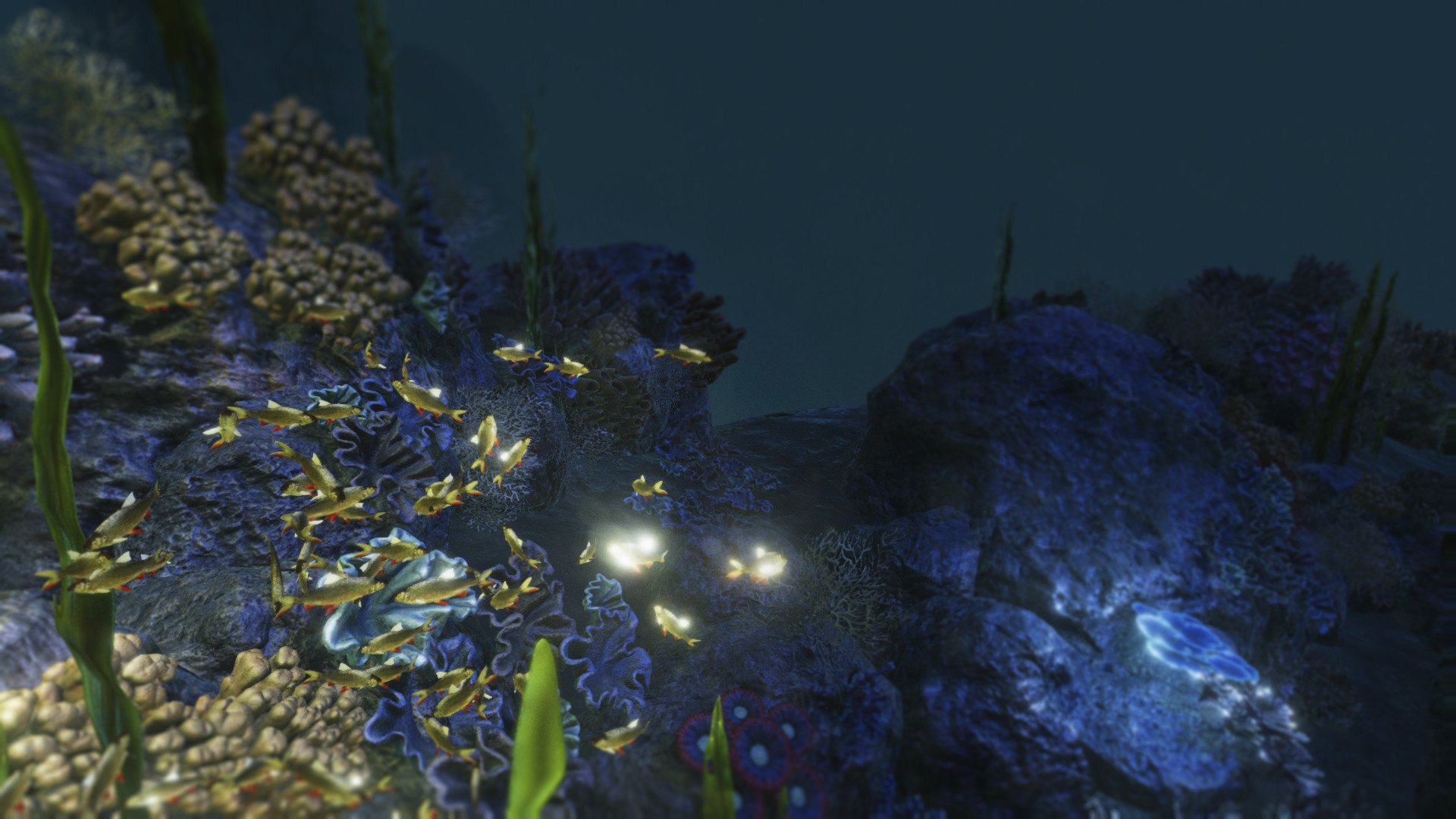
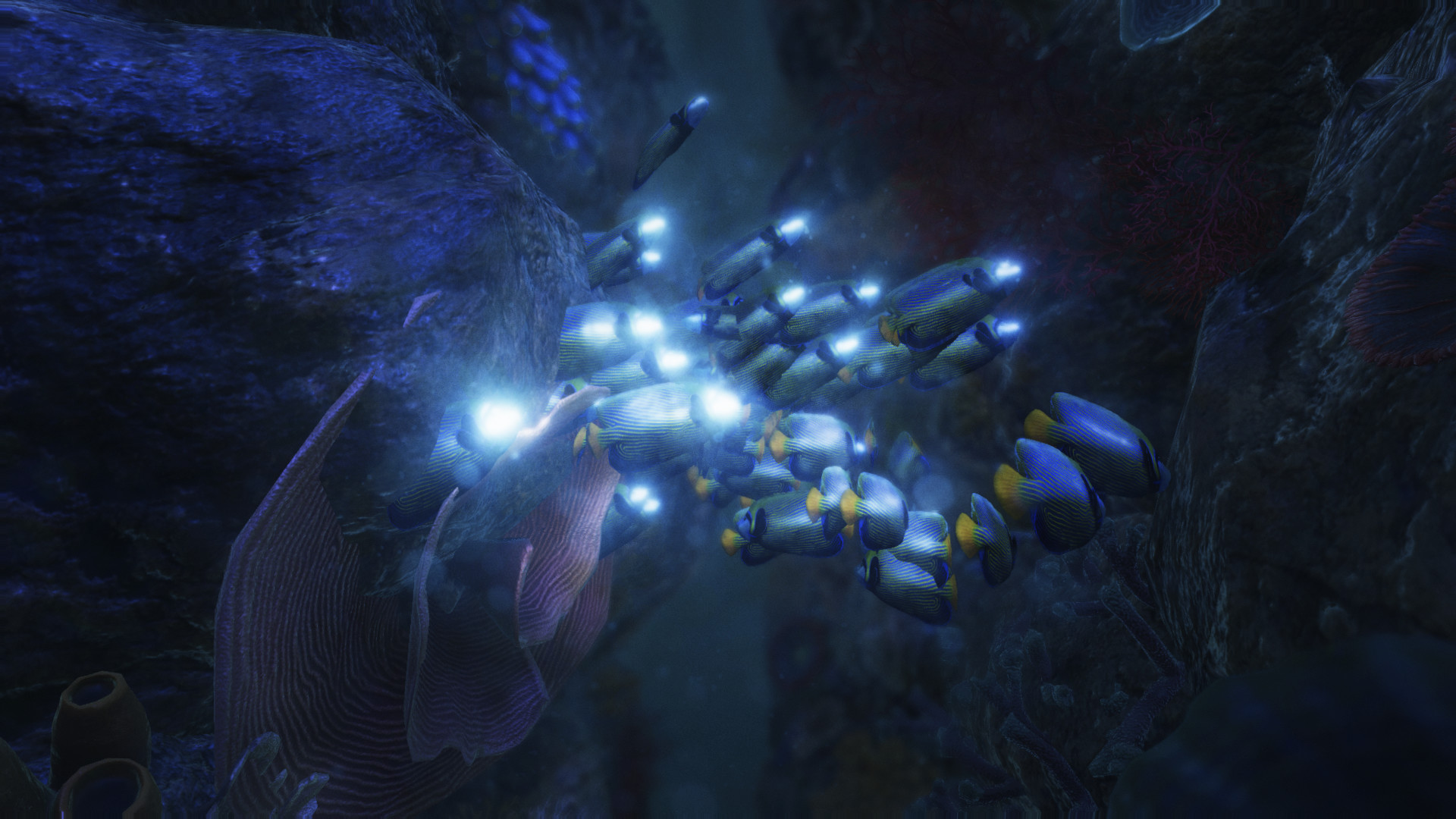
CreaTeam's own storefront description of 20,000 Miles Under the Sea is refreshingly upfront about what it actually is: "This is a simple idle horror game, and all that is required of you is to observe the life of the underwater world and wait." You suit up, descend toward the Mariana Trench, watch fish drift by, and can tap out at any point to leave your name at that depth on a global leaderboard — with an asterisked promise of a $20,000 prize for whoever reaches deepest. Reviewers who take that pitch at face value are, for the most part, willing to meet it there. What derails the reception isn't really a disagreement about the premise.
An ambient concept a real slice of reviewers genuinely embrace
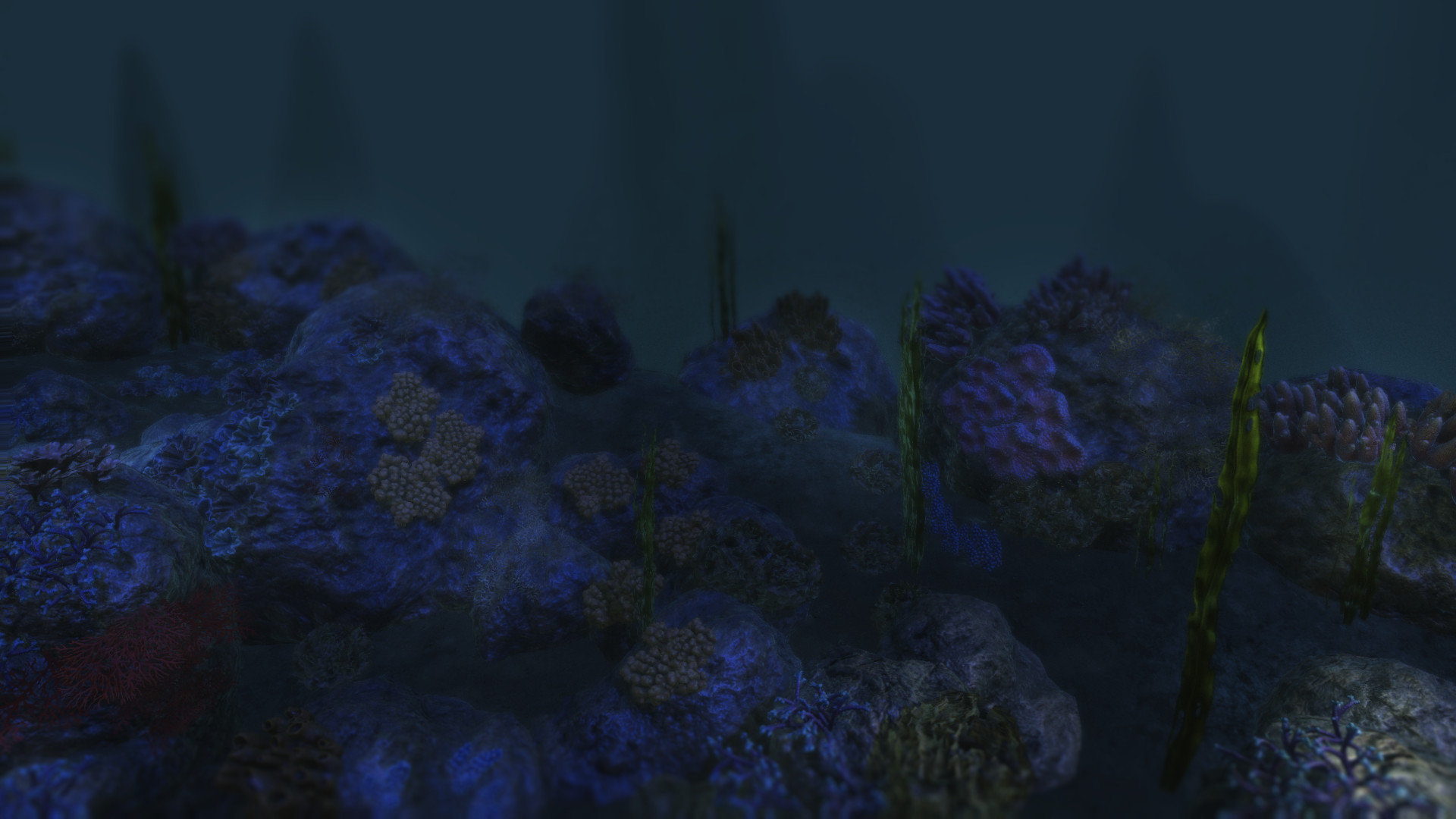
Set the technical problems aside, and a real slice of the review sample describes exactly the experience the developer's own description promises: a calm, atmospheric "live wallpaper" you minimize and check in on, with pleasant music and a simple pleasure in watching fish drift past on the way down. Several reviewers explicitly defend the lack of conventional gameplay as the point rather than a flaw, and being completely free removes the purchase-risk question entirely — more than one reviewer frames a positive rating around that fact alone, treating the game as a curiosity worth a few minutes rather than a serious purchase decision.
The one complaint that actually dominates the whole reception
What drags the aggregate down to Mostly Negative isn't really a dispute over whether idle horror screensavers are worthwhile. It's a specific, extremely widely and consistently reported technical failure: the game crashes, by multiple independent accounts, as often as every two to three minutes during normal play. Reviewers who otherwise sound sympathetic to the concept — who call the game "beautiful" or describe genuinely wanting to recommend it — still can't, because sessions are repeatedly interrupted before they can accomplish anything. That's a meaningfully different situation from a game that's simply thin or boring; this is software that a large share of its own curious, willing audience reports doesn't reliably run.
Global achievement data adds an interesting, oddly specific confirmation of how players actually experience the game in practice: every achievement in the list clusters within about two percentage points of every other, an unusually flat pattern suggesting most players who unlock anything unlock nearly the whole list in one extended sitting — consistent with reviewers' accounts of leaving the game running for a couple of idle hours rather than working through any real progression.
A specific allegation worth reporting carefully and precisely
One detailed reviewer goes further, alleging the entire free-game-plus-cash-prize structure exists specifically to drive traffic toward a separately sold soundtrack product rather than as a sincere game or contest. This review can confirm one part of that claim directly: a distinct, separately listed paid soundtrack does exist for this title, sold alongside the free base game. What this review cannot confirm is the reviewer's characterization of the developer's actual intent behind that structure, and it reports the allegation exactly as it appears — a specific, attributed claim rather than an established fact.
What the "horror" label and the cash prize actually mean in practice
It's worth being precise about the two hooks the game leans on, since reviewers describe both somewhat differently than the marketing implies. The horror element is a lurking, unseen creature that can end a run if a player descends too far without tapping out — a real tension mechanic, but one several reviewers describe as more of a mild jump-scare risk than sustained dread, consistent with a genuinely minimalist design rather than a bait-and-switch on the "horror" label. The cash prize draws more skepticism: reviewers consistently advise against taking it seriously as a reason to play, citing both the asterisk attached to the advertised figure and the practical reality that a leaderboard this easy to grind by simply leaving the game running overnight is unlikely to produce a meaningful, fairly-earned winner. Several reviewers frame the prize explicitly as a marketing hook rather than a genuine incentive worth factoring into a purchase or install decision.
A first-day patch that never actually resolved the core problem
The developer's own public update history shows exactly two posts: a first-day patch and one further update shortly after launch, with nothing visible in the record since. That's consistent with reviewers' accounts describing the crash bug as persisting across the entire time they played, including reviews posted well after both of those early patches — whatever those updates addressed, the specific stability complaint driving most of the Mostly Negative aggregate does not appear to have been resolved by them.
Verdict
20,000 Miles Under the Sea is honest about being a passive, minimal experience, and for a genuine slice of players that honesty is enough to make a free, ambient few minutes worthwhile. What holds it to a low score is almost entirely technical rather than conceptual: a crash bug reported so frequently and so consistently that it overwhelms any fair judgment of the ambient premise underneath it, alongside a specific, unverified but directly relevant allegation about what the game's real-money-prize framing is actually for. Try it for free if the concept interests you, but expect the software itself, not the sparse gameplay or the ambient premise it's built around, to be what actually disappoints most players who give it an honest chance.
Pros and cons
Pros
- The core concept — a slow, ambient descent through an underwater world with an implied threat lurking below — draws genuine, specific appreciation from a slice of reviewers who describe it as a relaxing "live wallpaper" experience rather than a conventional game
- Being completely free removes any purchase risk, and several reviewers explicitly frame their positive rating around that fact alone
- The soundtrack and general atmosphere draw specific praise even from some reviewers who are otherwise critical of the experience
- A short, largely simultaneous achievement list gives completionists an easy, low-effort target, with several reviewers reporting they earned most of the list in one extended idle session
- The game preserves a player's reached depth across a crash in at least some cases, according to one detailed reviewer, softening the otherwise severe cost of the game's most common technical problem
Cons
- A large, extremely consistent body of reviews reports the game crashes frequently during normal play, with multiple independent accounts citing intervals as short as every two to three minutes, making extended sessions genuinely difficult to sustain
- Global achievement data shows an unusually flat completion curve, with every achievement clustering within about a two-point percentage range of each other, a pattern consistent with reviewers' accounts that most players who earn any achievements get nearly the entire list at once during a single long idle stretch rather than through distinct progression
- At least one detailed reviewer directly alleges the game exists primarily to sell a separately-listed paid soundtrack under cover of a free game promoting an unlikely cash prize; this review can confirm a separate paid soundtrack product does exist for this specific game, but cannot verify the reviewer's characterization of the developer's intent
- There is no options menu in the base experience, and multiple reviewers report the window cannot be resized, a real limitation for a game explicitly designed to be minimized and left running in the background
- The interactive content is minimal even by the game's own description, and several reviewers explicitly argue it does not meet a reasonable bar to be called a game at all, a criticism distinct from and more fundamental than the technical crash complaints
Screenshots
-
20,000 Miles Under the SeaImage: CreaTeam via Steam -
20,000 Miles Under the SeaImage: CreaTeam via Steam -
20,000 Miles Under the SeaImage: CreaTeam via Steam -
How the review scores each part of the gameWanderer Editorial -
At a glanceWanderer Editorial -
The short versionWanderer Editorial