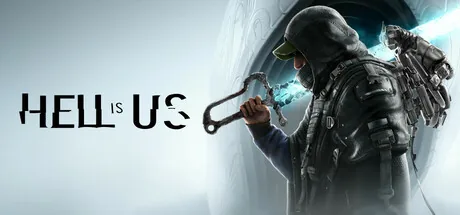
Game review
Hell is Us
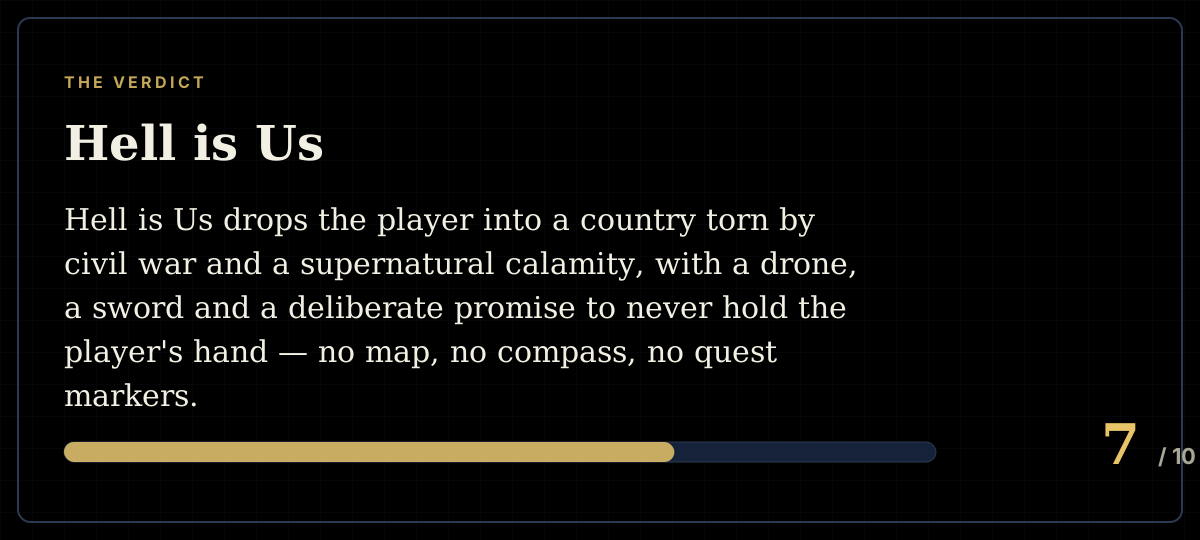
7 / 10
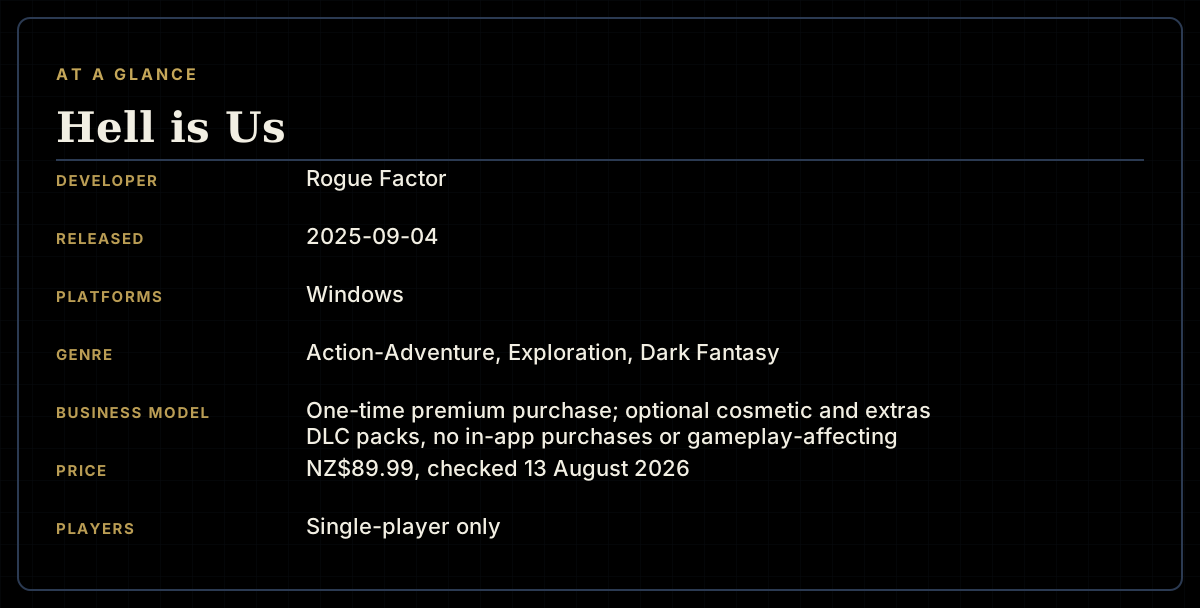
- Developer
- Rogue Factor
- Publisher
- Nacon
- Released
- 4 September 2025
- Platforms
- Windows
- Genre
- Action-Adventure, Exploration, Dark Fantasy
- Monetisation
- One-time premium purchase; optional cosmetic and extras DLC packs, no in-app purchases or gameplay-affecting microtransactions
- Players
- Single-player only
The short version
Hell is Us drops the player into a country torn by civil war and a supernatural calamity, with a drone, a sword and a deliberate promise to never hold the player's hand — no map, no compass, no quest markers. Developed by Rogue Factor and published by Nacon, it released 4 September 2025 to a Very Positive reception across 3,441 English-language reviews. What this review's research into a hundred negative and a hundred positive reviews finds is a genuine split not between fans and haters but between two different expectations of the same game: reviewers who came for Soulslike combat report repetitive fights against a handful of enemy types, while reviewers who understood it as an atmosphere-first puzzle-and-investigation game about the nature of violence largely came away satisfied. Both camps agree the exploration promise doesn't fully deliver what it advertises — several reviewers report the game eventually handing them direct instructions anyway, undercutting its own central pitch.
Biggest strengths
- Widely and specifically praised atmosphere, art direction and technical performance, with one detailed review reporting a steady 80fps at 1440p with DLSS Quality and no stutters on a three-generations-old graphics card
- A mature, ambitious central theme — the cyclical nature of human violence — that reviewers compare favourably to Spec Ops: The Line, backed by real narrative and investigative depth
- Genuine adjustable difficulty and accessibility options, letting players tune combat rather than being locked into one intensity
Biggest weaknesses
- Combat is the single most frequently criticised element in this game's negative sample, described as repetitive against roughly five recurring enemy types, with several reviewers specifically noting the directional-attack and auto-target systems don't work as intended
- The signature "no map, no quest markers" pitch is reported by a large share of reviewers to resolve into repetitive symbol-matched lock-and-key puzzles and backtracking rather than genuine intuitive discovery, and at least one reviewer reports an NPC eventually giving direct instructions regardless, undercutting the premise
- Pacing draws a consistent complaint of "overstaying its welcome," with several reviewers specifically flagging a drop-off in quality and narrative payoff in the game's third act
Who it's for: Players drawn to atmosphere, mature war themes and investigative exploration who can set aside expectations of deep Soulslike combat; a poor fit for anyone buying primarily for the marketing's combat and "no hand-holding" promises taken at face value.
Our recommendation: A visually and thematically strong action-adventure let down by combat that even its fans say isn't the point and an exploration system that doesn't always deliver on its own boldest claim, worth it for the right audience once expectations are set correctly.
7 / 10
Introduction
Hell is Us sends the player into a country split by civil war and a supernatural calamity, carrying a sword forged for an older age and a drone for the modern one, chasing answers about the monstrous creatures the disaster has unleashed. Developed by Rogue Factor and published by Nacon, it released 4 September 2025 built around one bold, specific promise: no map, no compass, no quest markers, just the player's own instincts and attention to the world around them. It landed to a Very Positive reception — 86% across 3,441 English-language reviews — and this review reads a hundred of the most-helpful negatives and a hundred-review positive sample to understand a split that turns out to be less about quality and more about expectations.
Two different games, depending on what you expected
The clearest, most repeated finding across this review's positive sample is a direct correction aimed at future buyers. "THIS IS NOT A SOULSLIKE. DO NOT BUY IT THINKING THAT COMBAT IS THE CORE PART OF GAMEPLAY!" opens the single most-upvoted English review, at 422 votes. A second, independent reviewer agrees almost word for word: "this is NOT A SOULS-LIKE. this is a PUZZLE SOLVER game first and foremost." A third simply states the combat is "simple, yet effective, but definitely not the main focus of the team," describing the real effort as going into "a perfect blend of atmosphere, mystery, and storytelling." Reviewers who understood the game on those terms report loving it — one describes spending 30 minutes genuinely navigating a forest "by observing my surroundings" rather than "looking at ten pulsing HUD elements," calling it a discovery in itself that they were capable of paying attention that closely. The story draws real, specific praise too: one review compares its "reprehensible" but honest depiction of war's psychological toll to Spec Ops: The Line, a high bar this library takes seriously when reviewers reach for it unprompted.
The promise the game doesn't fully keep
Set against that is a large, specific counter-narrative from reviewers who either wanted the combat-forward experience the trailers implied, or found the no-map exploration didn't deliver what it advertised even on its own terms. Combat draws the single heaviest volume of complaints in this game's negative sample — roughly three-quarters of it in some form — with reviewers describing a small, repeated enemy roster and directional-attack systems that don't respond as intended: "when I look in a direction I want the sword to swing in that direction... it keeps swinging in the same direction no matter what," reads one specific, mechanical complaint. The exploration pitch draws its own, separate rebuttal: "the game tried something really cool, but it was poorly made... you just waste time searching for something to unlock a door, only to [repeat]," reads one review, and a second makes the sharpest version of the point: "the big 'we never hold your hand!' selling point goes out the window when you find an NPC at the end of Act I who just tells you what to do moving forward." That's a specific, checkable inconsistency between the game's central marketing claim and what a meaningful number of players report actually experiencing partway through.
Where the fatigue sets in
A related, more general complaint concerns pacing: "overstays its welcome," "gets more boring and tedious the longer you play," "after the first couple hours it becomes so incredibly repetitive and tedious" are all variations on the same theme, and several reviewers specifically flag a quality drop in the third act — "overtuned enemy bosses," a story that "drop[s] the ball on most of your plot points," "a pointless ending." Steam's own achievement data offers a more precise picture of where players actually stop: the completion rate falls sharply between Act 1 (34.5%) and Act 2 (20.1%), but barely moves between Act 2 and Act 3 (19.6%) — suggesting the real attrition happens in the game's middle stretch rather than specifically at the ending reviewers criticise, and that players who make it past the midpoint mostly do see the story through.
A developer that's kept working on the pain points
To Rogue Factor's credit, Hell is Us hasn't sat still since launch. Regular patches continued through at least July 2026, and that month's Update 1.7 specifically added a "Guardian Detector" feature — a direct response, by name, to the kind of navigation frustration this review's negative sample documents at length. The game also picked up two wins from seven nominations at the 2026 Canadian Game Awards, a meaningful critical validation alongside the player-review record. Whether these changes have meaningfully shifted the balance between the game's ambitious pitch and its practical execution is something a future buyer should check against the current patch notes rather than this review's snapshot of launch-era and mid-2026 sentiment.
Value and monetisation
At NZ$89.99, Hell is Us carries no in-app purchases or gameplay-affecting microtransactions — the optional DLC on its store page is cosmetic and extras content (an artbook, a soundtrack, cosmetic gear packs) rather than anything that changes the moment-to-moment experience. Several reviewers explicitly recommend waiting for a sale given the pacing complaints above, and the game's own news feed references it hitting "its lowest price" by early 2026, suggesting the developer or publisher has been willing to discount it meaningfully since launch.
Final Verdict
Hell is Us is a genuinely striking, thematically serious action-adventure that a large, real audience has connected with deeply — its atmosphere, performance and narrative ambition are not in serious dispute across this review's research. What holds it back from a stronger score is a specific, well-documented gap between its boldest marketing promise and what a substantial share of its own players report experiencing: combat that isn't the focus but gets criticised as if it should be, and a "figure it out yourself" exploration pitch that at least partially resolves into guided instructions and repetitive lock-hunting. Go in understanding what kind of game this actually is — an atmospheric investigation with combat as a secondary system, not a Soulslike with story trimmings — and the odds of a good experience improve considerably.
Pros and cons
Pros
- Widely and specifically praised atmosphere, art direction and technical performance, with one detailed review reporting a steady 80fps at 1440p with DLSS Quality and no stutters on a three-generations-old graphics card
- A mature, ambitious central theme — the cyclical nature of human violence — that reviewers compare favourably to Spec Ops: The Line, backed by real narrative and investigative depth
- Genuine adjustable difficulty and accessibility options, letting players tune combat rather than being locked into one intensity
- Sustained post-launch support, including a July 2026 update adding a "Guardian Detector" feature aimed directly at the navigation frustrations reviewers had been reporting since launch
Cons
- Combat is the single most frequently criticised element in this game's negative sample, described as repetitive against roughly five recurring enemy types, with several reviewers specifically noting the directional-attack and auto-target systems don't work as intended
- The signature "no map, no quest markers" pitch is reported by a large share of reviewers to resolve into repetitive symbol-matched lock-and-key puzzles and backtracking rather than genuine intuitive discovery, and at least one reviewer reports an NPC eventually giving direct instructions regardless, undercutting the premise
- Pacing draws a consistent complaint of "overstaying its welcome," with several reviewers specifically flagging a drop-off in quality and narrative payoff in the game's third act
- Several reviewers report the game plays significantly better with a controller than mouse and keyboard, despite the latter being fully supported
Screenshots
-
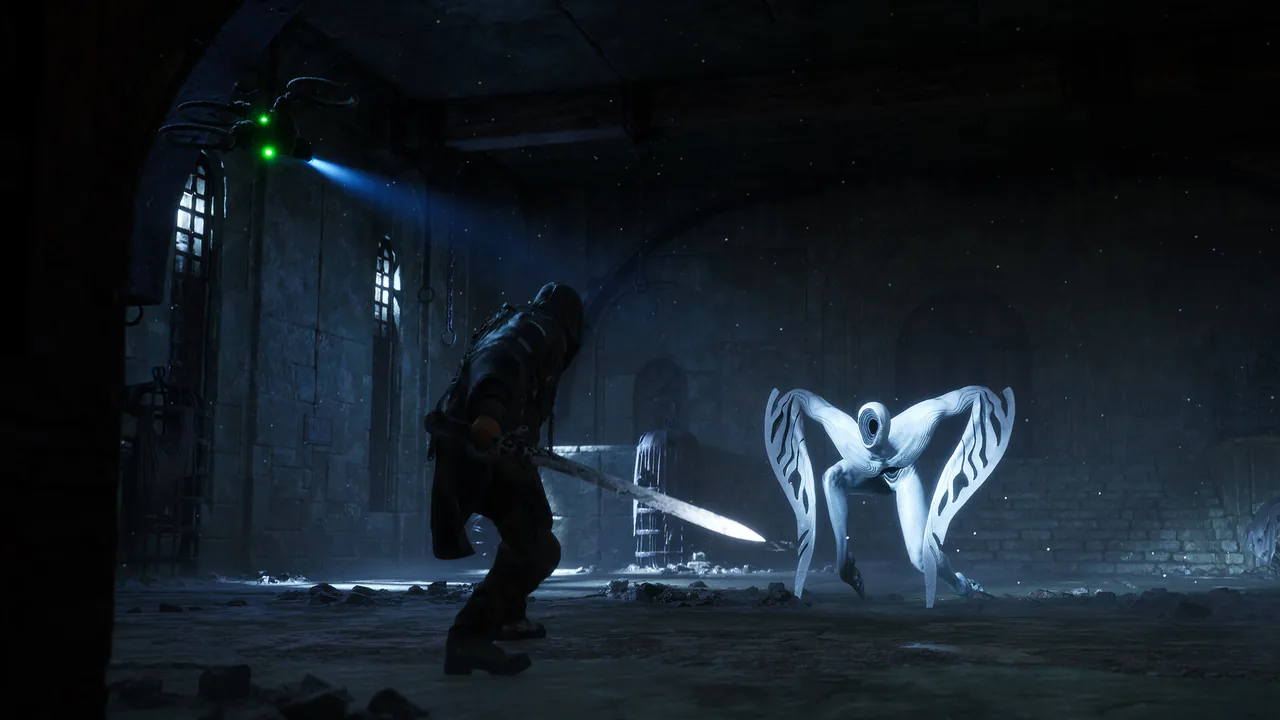
Hell is UsImage: Nacon via Steam -

Hell is UsImage: Nacon via Steam -
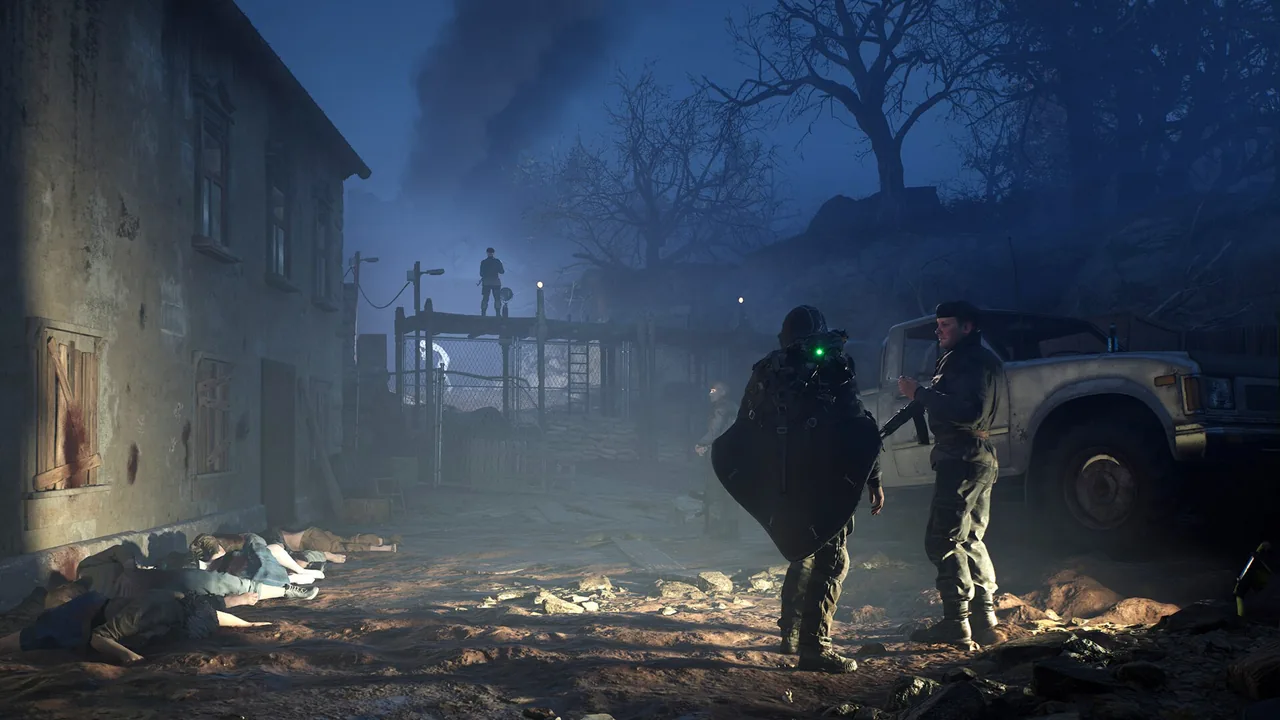
Hell is UsImage: Nacon via Steam -
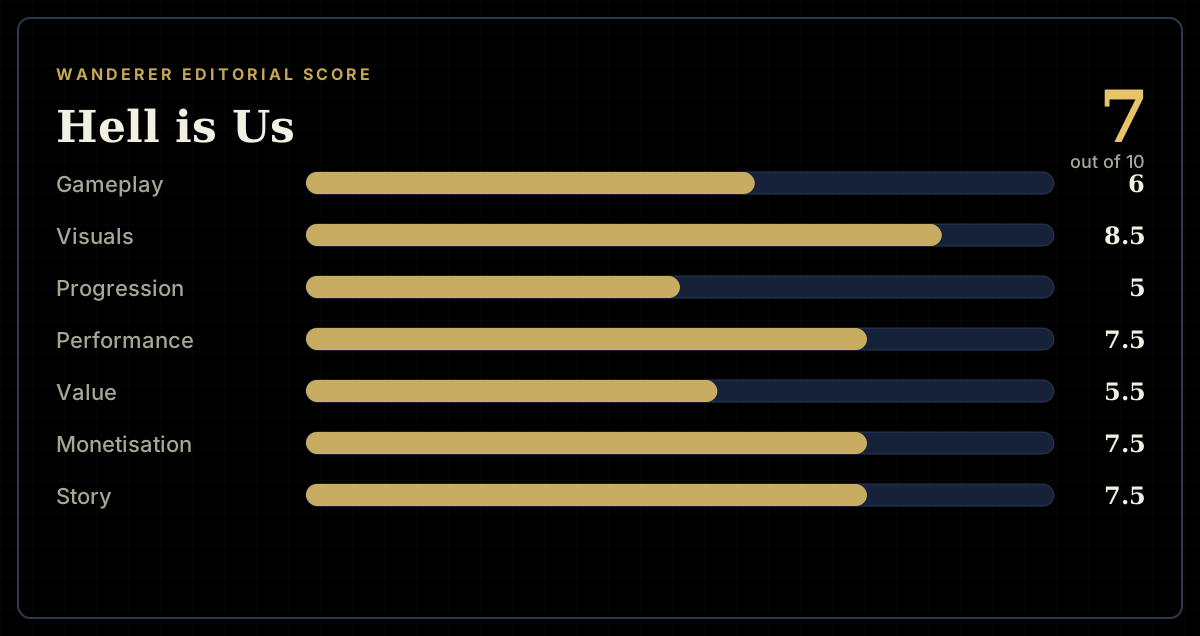
How the review scores each part of the gameWanderer Editorial -
The essentials at a glanceWanderer Editorial -
The short versionWanderer Editorial