Game review
The Wild at Heart
7.5 / 10
- Developer
- Moonlight Kids
- Publisher
- Balor Games
- Released
- 19 May 2021
- Platforms
- Windows, macOS
- Genre
- Adventure, Fantasy
- Monetisation
- One-time purchase. No DLC, no microtransactions.
- Players
- Single-player only
The short version
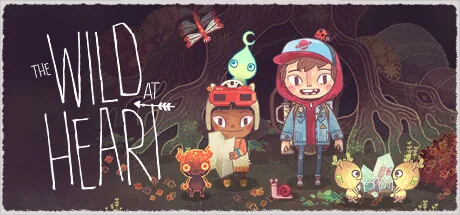
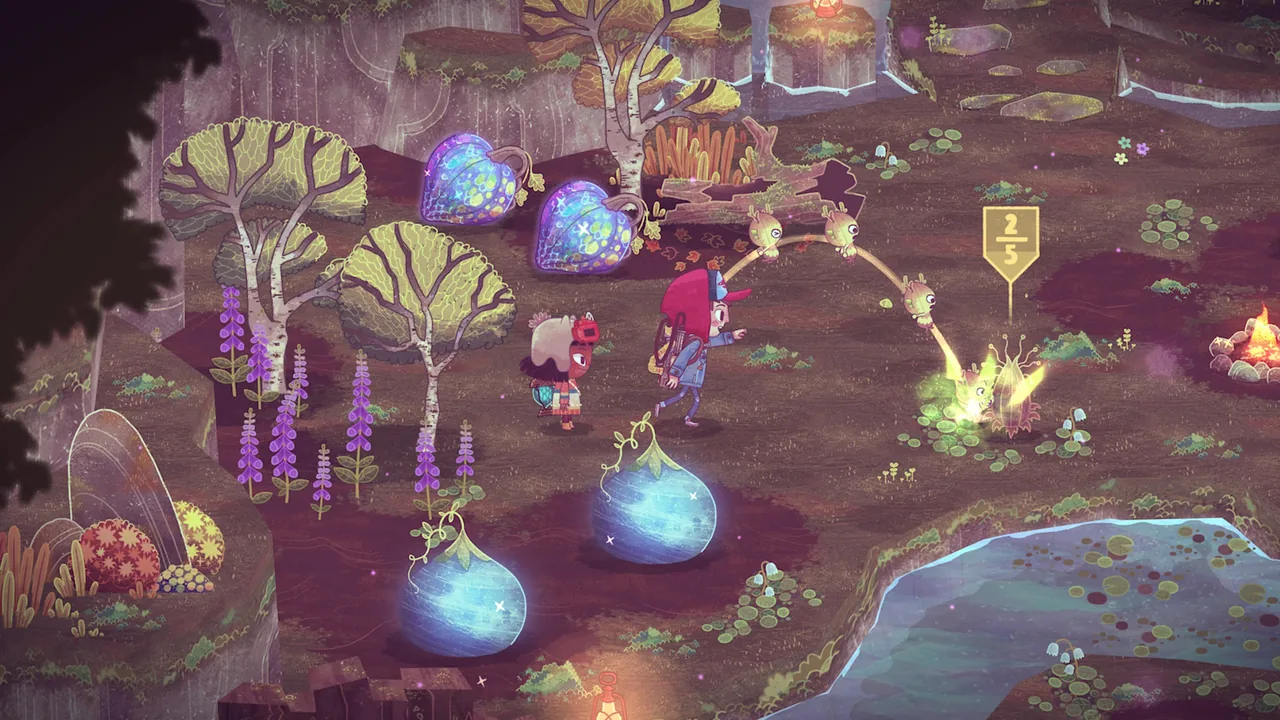
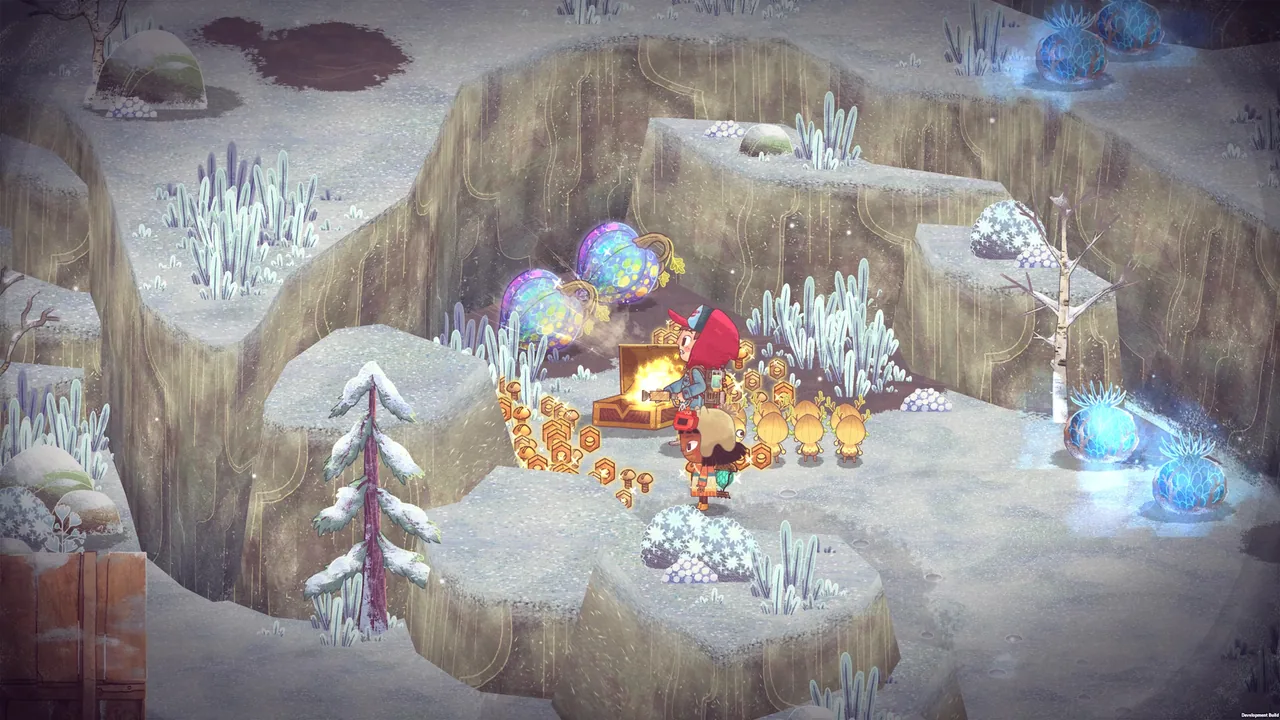
The Wild at Heart follows two runaway children, Wake and Kirby, into a fantastical Deep Woods where they command an ever-growing herd of small forest spirits -- called Spritelings -- to solve puzzles, clear paths and fight off monsters, in a formula reviewers consistently and approvingly compare to Nintendo's Pikmin. It launched on 19 May 2021 to Overwhelmingly Positive reviews, roughly 95% of 907 total, on the strength of genuinely charming art, music and atmosphere.
The complaint that recurs across the review sample, from launch through 2026, is specific rather than diffuse: combat and Spriteling control feel notably less responsive and satisfying than the Pikmin games reviewers measure it against, especially on keyboard. Several reviewers also note a tonal mismatch between the storybook-cute presentation and genuinely dark underlying story elements, and a small number report save-corrupting bugs serious enough to lose hours of progress.
Biggest strengths
- Genuinely charming, distinctive hand-crafted storybook art direction and a relaxing, well-liked soundtrack that draw consistent praise across the entire review sample
- An accessible but still satisfying puzzle-and-exploration loop that reviewers say strikes a good balance for newcomers to the Pikmin-like genre without being too shallow for experienced players
- A whimsical, imaginative world with real creative variety in its Spriteling types and environments, reflecting what several reviewers call obvious love and imagination in its design
Biggest weaknesses
- A consistent complaint, present since launch, that combat and Spriteling throwing/aiming feel noticeably less responsive than Pikmin, particularly on keyboard, undercutting the genre comparison the game invites
- Several reviewers describe the gameplay loop as repetitive or tedious over a full playthrough, with progression sometimes gated behind backtracking that feels more like padding than pacing
- A tonal mismatch some reviewers flag directly: marketing and presentation suggest a purely light, kid-friendly game, but the story includes genuinely dark family themes that surprised players who bought it for younger children
Who it's for: Fans of Pikmin-style creature-commanding puzzle games who want a cozier, story-driven spin on the formula, and players drawn to a distinctive hand-crafted storybook art style. Less suited to players who want tight, responsive combat, or parents assuming a purely light-hearted game for young children without previewing its darker story beats first.
Our recommendation: A worthwhile buy for fans of the genre and its distinctive aesthetic, particularly on sale. Go in expecting a gentler, more puzzle-focused experience than Pikmin's combat-forward loop, and be aware of both the story's occasional darker turns and scattered reports of progress-losing bugs before committing serious hours.
7.5 / 10
The Wild at Heart follows Wake, a boy running away from a difficult home, and Kirby, a girl he meets along the way, into a fantastical realm called the Deep Woods, where they command an ever-growing herd of small, distinct forest spirits called Spritelings to clear paths, solve puzzles and battle monsters. Developed by the small studio Moonlight Kids, it launched on 19 May 2021 to Overwhelmingly Positive reviews — roughly 95% of 907 total — and has held that standing steadily for five years. The comparison reviewers reach for almost universally, and mostly approvingly, is Nintendo's Pikmin, and the review sample's most consistent complaint is specifically about where that comparison starts to break down.
A genuinely charming world, well realised
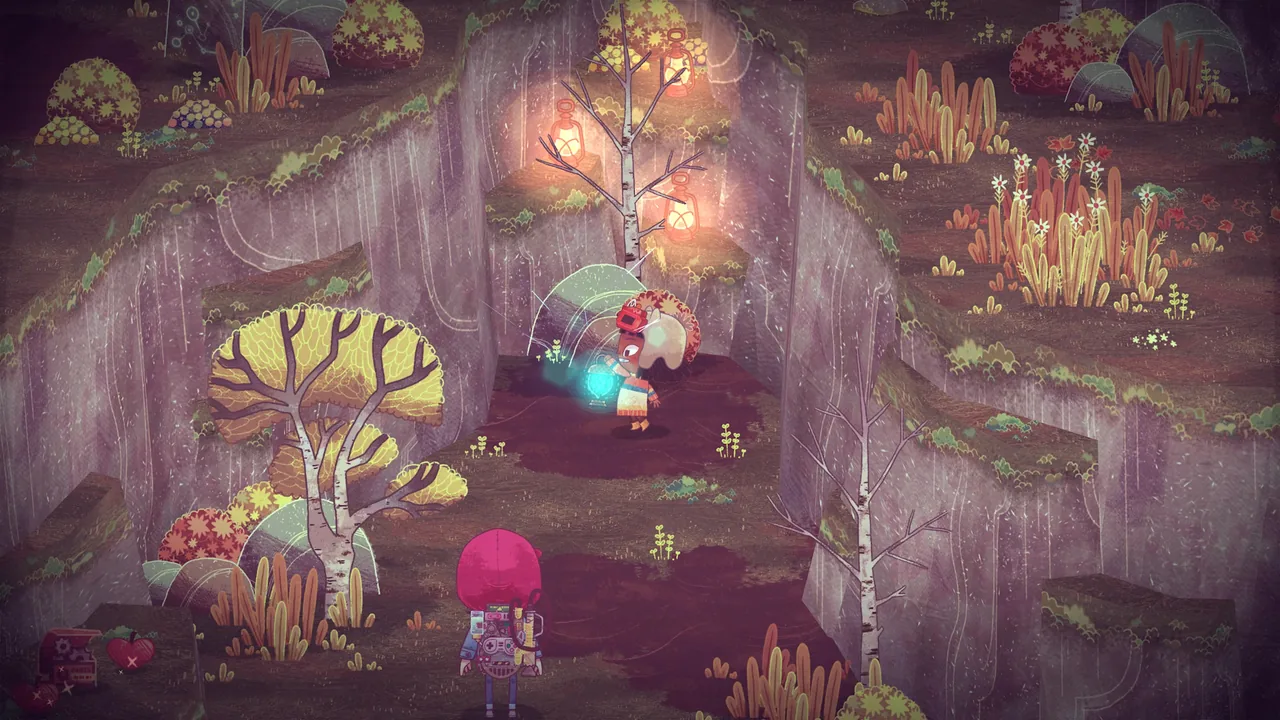
The praise across the sample is remarkably consistent and specific: hand-crafted, storybook-style art direction, a relaxing and well-liked soundtrack, and a genuine sense of imagination in the Deep Woods' creature and environment design. "So, Pikmin, Where the Wild Things Are, Luigi's Mansion and Knights and Bikes had a two-generation love child," reads a representative 2022 review, capturing the affectionate, comparison-heavy register most positive reviews use. "The atmosphere is so incredibly charming and full of life," reads another. Reviewers consistently describe the puzzle and exploration loop as accessible without being shallow — a good on-ramp for players new to the Pikmin-like genre, several say, while still offering enough depth to satisfy experienced fans of the format across its roughly 15-20 hour campaign. The achievement data supports a game most buyers who start do get well into: a top milestone at 92%, tapering to a healthy median of 27.8% across 29 achievements.
Where the Pikmin comparison breaks down
Set against that praise, the review sample converges on one specific, consistent complaint: combat and creature control feel noticeably less responsive than the genre benchmark the game so openly invites comparison to. "Third-rate Pikmin clone, cute at first but quickly becomes tedious, lackluster gameplay," reads one blunt 2026 review. A more detailed 2022 review makes the same point with specifics: "Wild at Heart is a game that tries to emulate one of my favorite game franchises ever, Pikmin... but does a very [poor job of it]." Multiple reviewers single out aiming and throwing Spritelings on keyboard as the specific point of friction — "using a controller it is kinda really non-responsive to take aim with the analog and just smash the throw," reads one, and a 2026 review puts it plainly: "the keyboard controls are clunky and unintuitive." A comparison to a similar contemporary indie recurs too: "compared to its competition Tinykin it's just not as fun," reads one review, suggesting reviewers hold The Wild at Heart to a genuinely competitive bar within its own small niche rather than measuring it only against Nintendo's much bigger-budget series.
A second, quieter complaint concerns pacing and repetition — several reviewers describe stretches of backtracking and simplistic mechanics that start to feel padded rather than purposeful over a full playthrough. "It does not feel good to play... also this works for every enemy in the game," reads one review describing combat that doesn't meaningfully evolve. These complaints sit alongside, not instead of, the genuine praise for atmosphere and creativity — the pattern across the sample is consistently "beautiful and imaginative, but mechanically the weakest part of what it's trying to be," rather than an outright rejection of the game.
A tonal surprise worth flagging for parents
One complaint worth naming plainly, distinct from the mechanical ones, concerns tone. The game's cute, storybook presentation and marketing lead some buyers to expect a purely light, family- friendly experience, but the story deals directly with a difficult home situation — Wake's reason for running away involves a father struggling with alcohol — handled with more weight than the surface aesthetic suggests. "She was too nervous about the dark story elements, i.e., boy runs away from home because of his drunken f[ather]," reads one review describing buying the game for a young daughter who found it more unsettling than expected. This isn't a widespread complaint in the sample, but it's specific and worth flagging directly for anyone buying based on the cute art alone without previewing the story for a younger player.
A smaller number of reviews also describe serious, progress-losing bugs — one detailed account describes a Steam Cloud save-corruption incident that cost several hours of accumulated progress, a more severe technical complaint than the general "some jank" reports elsewhere in the sample, though not one that recurs with the frequency of the combat and control complaints above.
How it has aged
The Wild at Heart's reputation has held remarkably steady across five years — the specific combat and control complaints in 2026 reviews read almost identically to those from launch week, suggesting the game's core strengths and limitations were both apparent from day one rather than something that shifted with patches or changing expectations. It hasn't received a sequel or major follow-up content, but reviews continue arriving steadily, several from 2026 still discovering and enjoying it for the first time, consistent with a small, well-crafted indie that found and kept a genuinely appreciative audience rather than fading after its launch window.
7.5 out of 10. The Wild at Heart is a genuinely lovely, imaginative storybook adventure that earns its Overwhelmingly Positive standing through art, music and atmosphere reviewers consistently and sincerely praise, undercut by combat and creature-control mechanics that a consistent slice of the review sample says never quite matches the Pikmin comparison it invites. Go in for the world and the charm, expect a gentler, occasionally janky combat loop rather than a tight action experience, and preview the story yourself before assuming it's purely light fare for young children.
Pros and cons
Pros
- Genuinely charming, distinctive hand-crafted storybook art direction and a relaxing, well-liked soundtrack that draw consistent praise across the entire review sample
- An accessible but still satisfying puzzle-and-exploration loop that reviewers say strikes a good balance for newcomers to the Pikmin-like genre without being too shallow for experienced players
- A whimsical, imaginative world with real creative variety in its Spriteling types and environments, reflecting what several reviewers call obvious love and imagination in its design
- A story with more emotional weight than its cute surface suggests, touching on real family difficulty in ways that surprised and moved some reviewers
Cons
- A consistent complaint, present since launch, that combat and Spriteling throwing/aiming feel noticeably less responsive than Pikmin, particularly on keyboard, undercutting the genre comparison the game invites
- Several reviewers describe the gameplay loop as repetitive or tedious over a full playthrough, with progression sometimes gated behind backtracking that feels more like padding than pacing
- A tonal mismatch some reviewers flag directly: marketing and presentation suggest a purely light, kid-friendly game, but the story includes genuinely dark family themes that surprised players who bought it for younger children
- Scattered but serious bug reports, including at least one detailed account of Steam Cloud save corruption costing several hours of progress
Screenshots
-
The Wild at HeartImage: Balor Games via Steam -
The Wild at HeartImage: Balor Games via Steam -
The Wild at HeartImage: Balor Games via Steam -
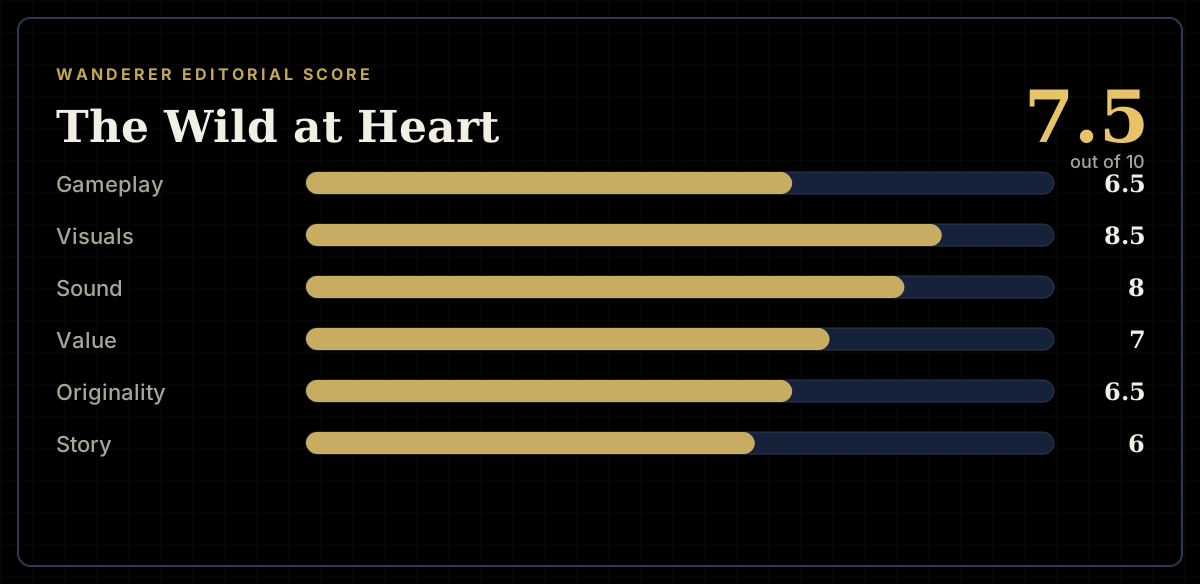
How the review scores each part of the gameWanderer Editorial -
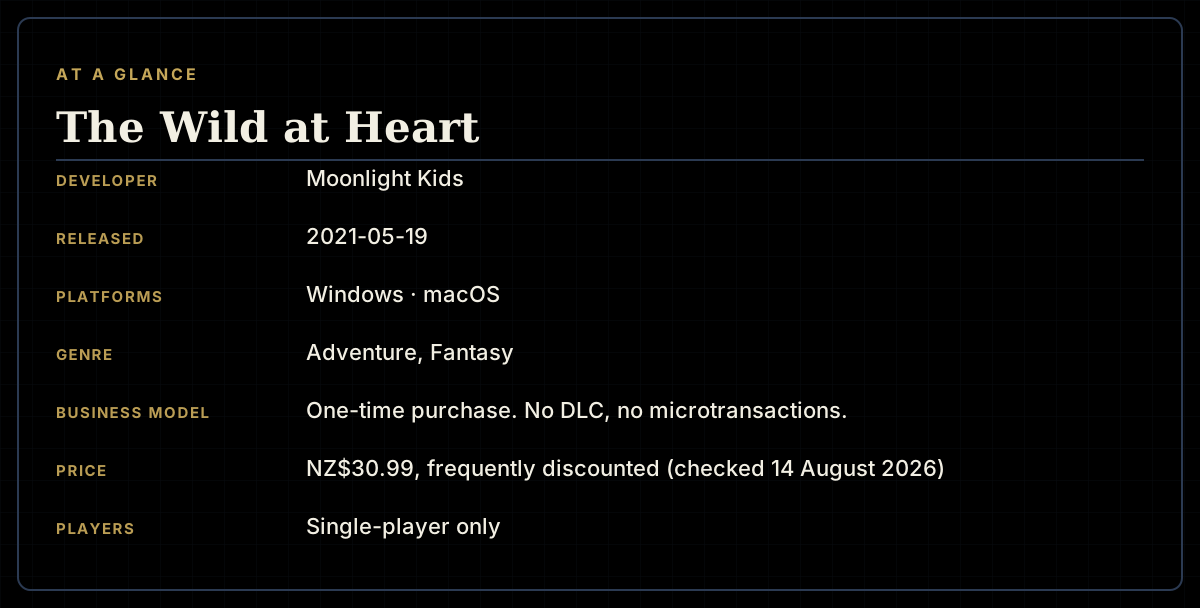
The essentialsWanderer Editorial -
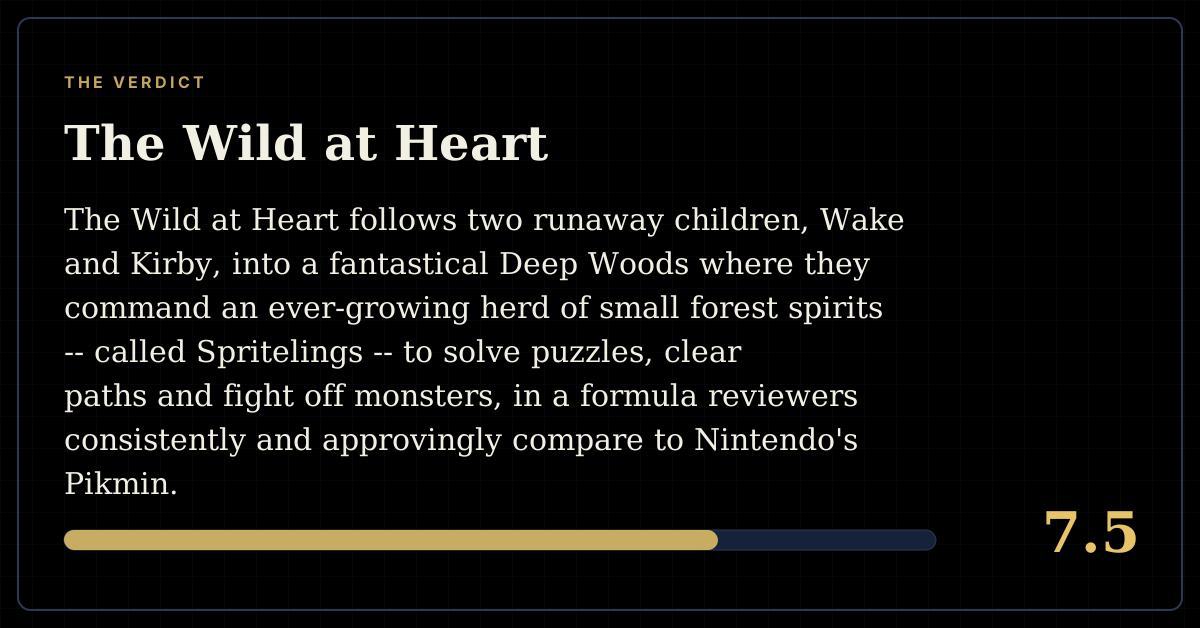
The short versionWanderer Editorial