
Game review
Dark Deity
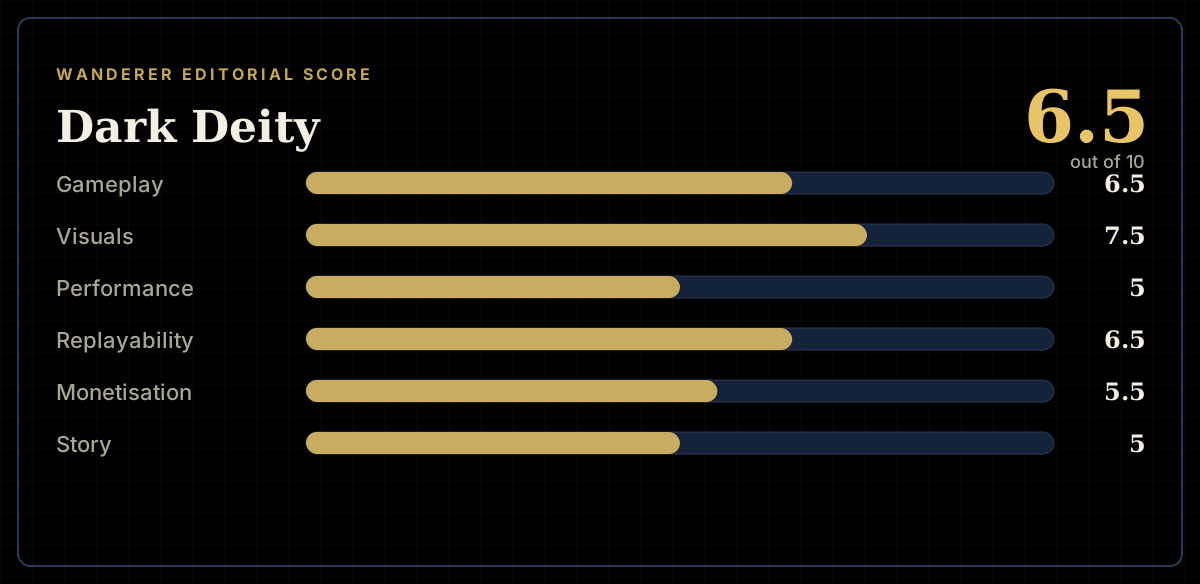
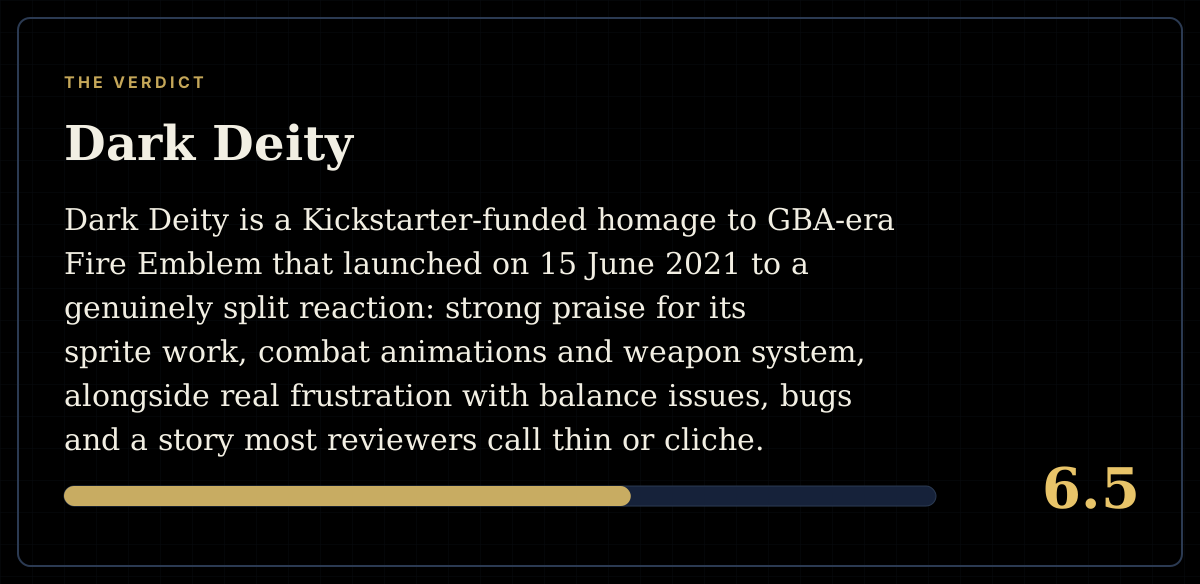
6.5 / 10
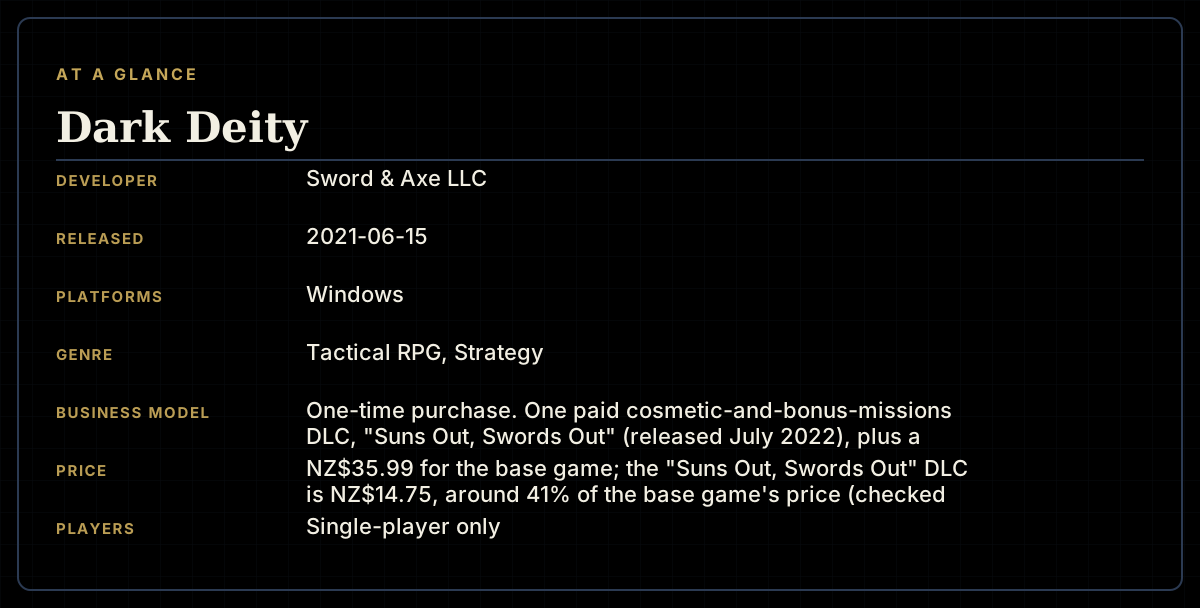
- Developer
- Sword & Axe LLC
- Publisher
- indie.io
- Released
- 15 June 2021
- Platforms
- Windows
- Genre
- Tactical RPG, Strategy
- Monetisation
- One-time purchase. One paid cosmetic-and-bonus-missions DLC, "Suns Out, Swords Out" (released July 2022), plus a separately-sold soundtrack. No microtransactions or live-service systems.
- Players
- Single-player only
The short version
Dark Deity is a Kickstarter-funded homage to GBA-era Fire Emblem that launched on 15 June 2021 to a genuinely split reaction: strong praise for its sprite work, combat animations and weapon system, alongside real frustration with balance issues, bugs and a story most reviewers call thin or cliche. It sits at Mostly Positive, roughly 72% of just over 3,000 Steam reviews.
What makes it worth revisiting five years on is how much of the negative sentiment is about the launch specifically rather than the game underneath it -- a post-launch ad-supported third-party launcher that players had to work around, a swimsuit cosmetic DLC that arrived before some launch-week bugs were fixed, and crash reports that persisted for a minority of players for years. Enough of the core held up that the developer shipped a full sequel, Dark Deity 2, in March 2025.
Biggest strengths
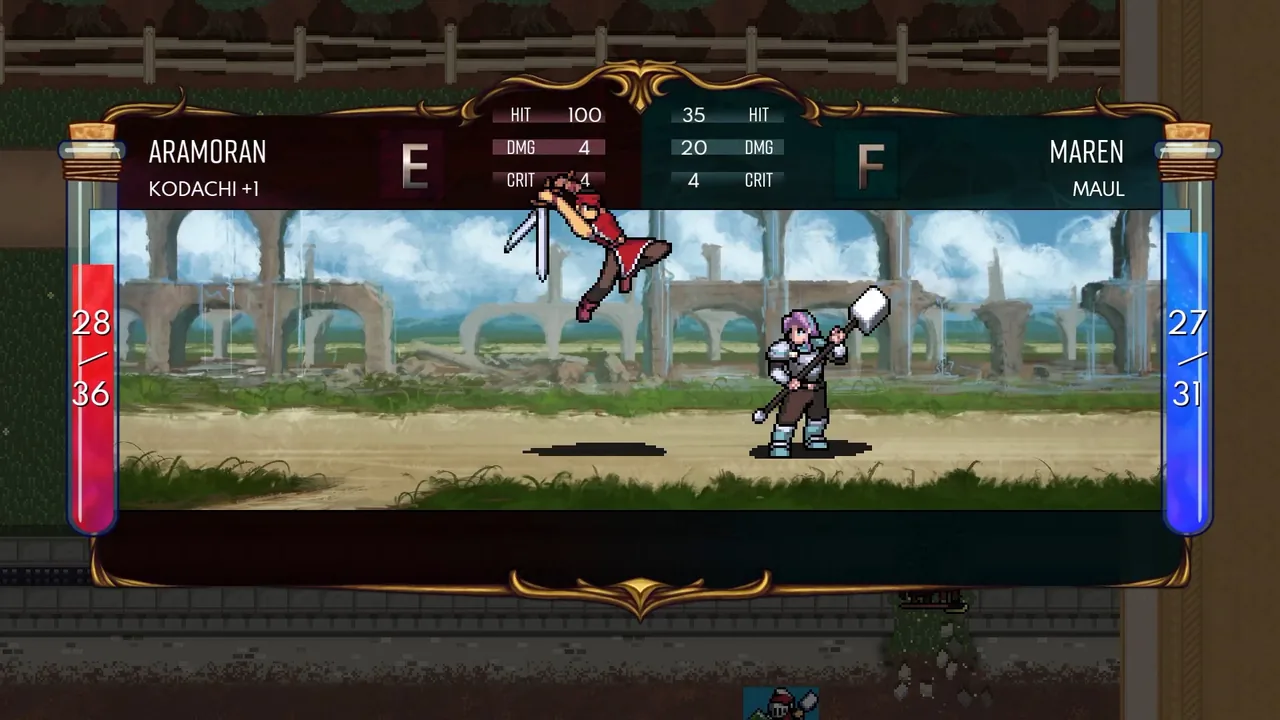
- Sprite work and combat animations that reviewers -- even critical ones -- consistently single out as the game's clearest strength, capturing the specific GBA Fire Emblem aesthetic closely
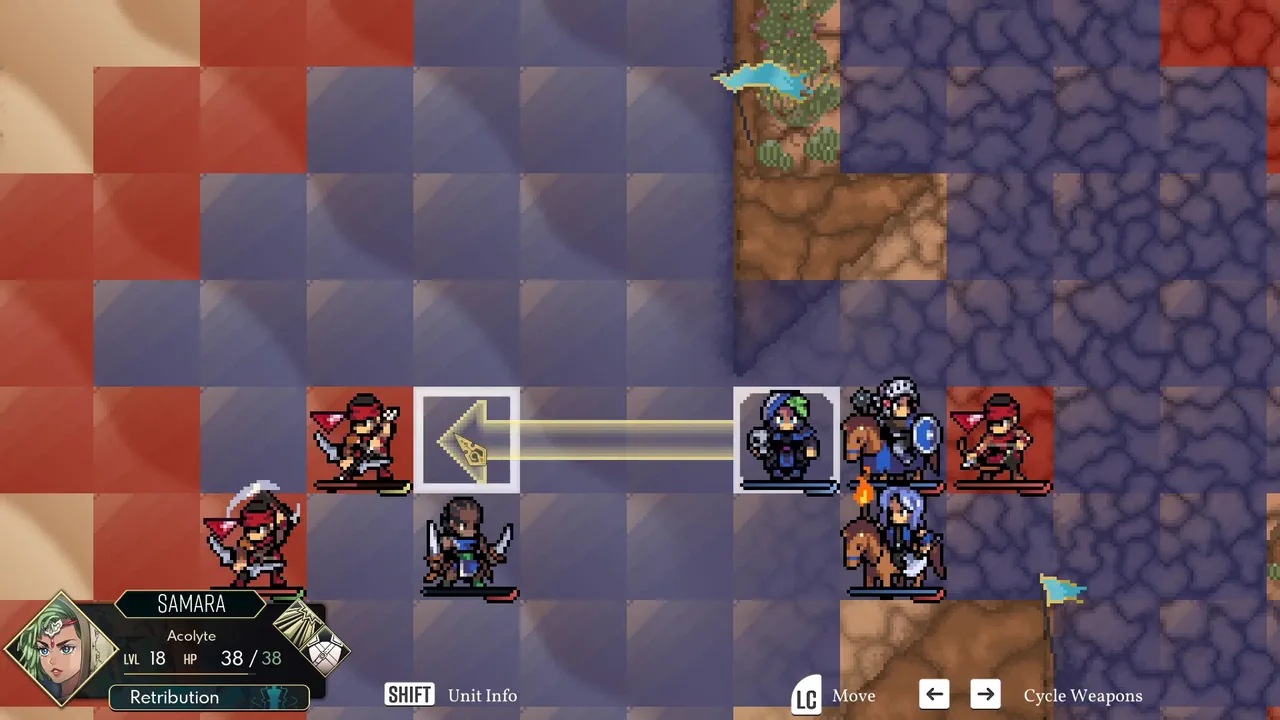
- A weapon and class system with real tactical depth, including a distinctive stat-loss-instead- of-permadeath twist on Fire Emblem's classic risk of losing a unit forever
- Genuine commercial and creative follow-through -- Sword & Axe LLC has continued supporting the game with patches for years and shipped a full sequel, Dark Deity 2, in March 2025
Biggest weaknesses
- Launched on 15 June 2021 with widely-reported balance problems -- unforgiving luck-based combat rolls, unintuitive damage math and battle previews reviewers say were sometimes simply wrong
- A story that a large share of reviewers, including many who otherwise recommend the game, call derivative, disjointed or simply weak
- A third-party ad-supported launcher added by publisher Freedom Games after launch drew sustained Steam community backlash, with players sharing workarounds to bypass it
Who it's for: Fire Emblem fans on PC who want the GBA-era formula -- weapon triangle, permanent unit loss risk (softened here), character relationships -- and are prepared to tolerate rough edges a bigger-budget tactics game wouldn't have. Not for anyone who wants a tight, well-balanced story or zero technical friction.
Our recommendation: A reasonable buy on sale for tactics fans starved of a PC-native Fire Emblem alternative, especially now that years of patches have addressed much of the launch-week balance and bug list. Go in expecting an amateur-hour launcher, a thin story and occasional reports of persistent bugs even in recent reviews, and calibrate the NZ$35.99 asking price against a roughly 20-30 hour campaign rather than the polish of the series it's imitating.
6.5 / 10
Dark Deity is exactly what its Kickstarter promised: a turn-based tactics RPG built in the specific image of the Game Boy Advance-era Fire Emblem games, funded by 2,394 backers who pledged over six times the campaign's original goal in 2020. It launched direct to a full 1.0 release on 15 June 2021 — no Steam Early Access period, no staged rollout — and the reception that followed was less a verdict on the game's design than a case study in what happens when a small studio's first release meets a fanbase that knows exactly what it's being compared to.
A faithful homage, unevenly executed
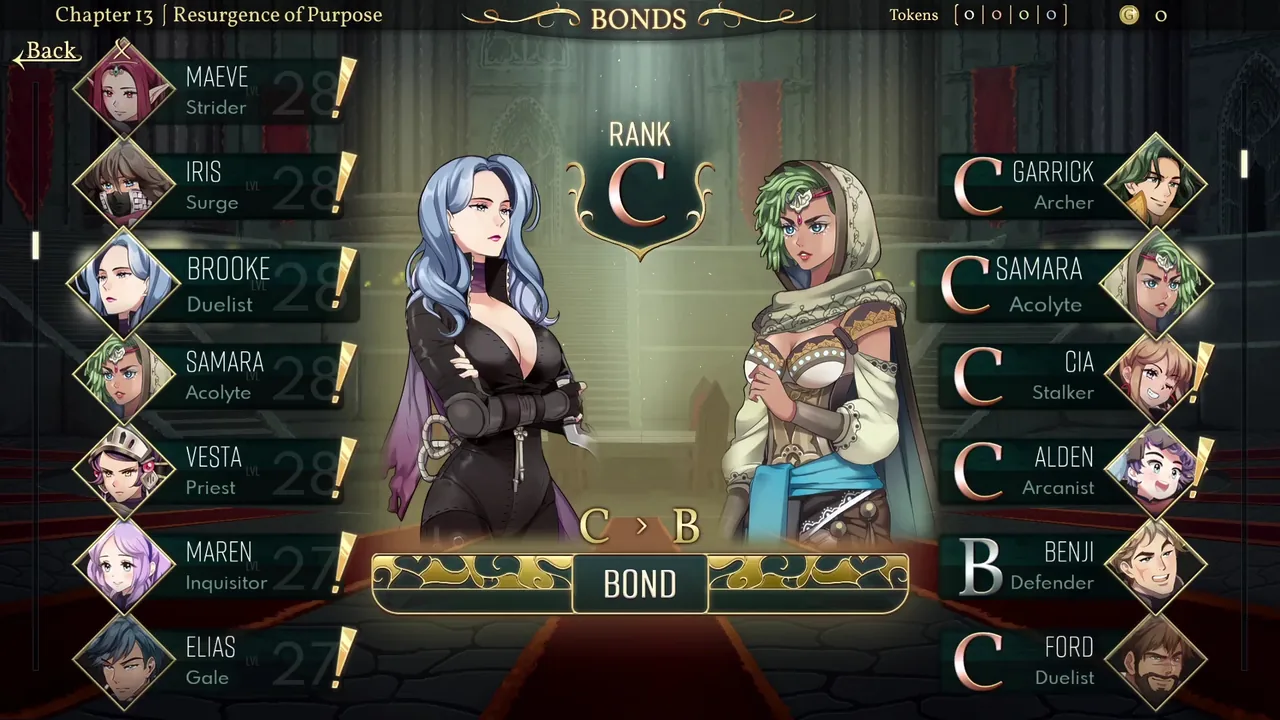
The pitch lands cleanly: grid-based tactical combat, a weapon triangle, a roster of soon-to-be legendary heroes with individual growth stats and relationships, and — Dark Deity's one real twist on the formula — units that lose a stat point instead of dying permanently when defeated, a softer answer to Fire Emblem's famous permadeath tension. Reviewers across the review sample, positive and negative alike, converge on the same praise: the sprite work and combat animations are genuinely excellent, close enough to the GBA aesthetic that several reviewers call it the closest thing to a PC-native Fire Emblem they've found. "The sprite work is great, the units and the different attacks based on weapon looks amazing," reads one early review, itself ultimately mixed on the game overall.
Where the praise breaks down is balance and story. A significant share of both positive and negative reviews describe unforgiving, luck-dependent combat rolls, damage math that several reviewers call overcomplicated or unintuitive, and — as recently as 2025 — a battle preview window that reviewers say sometimes shows the wrong outcome entirely: "the preview will show the enemy will attack me once for 5 damage, but instead they hit twice." The story fares worse in the review sample than the mechanics do. "The story is bad," reads one representative negative review. "It's sort of a cliche fantasy story to begin with, but the real issue is that the execution is terrible... jarring scene transitions and abrupt direction changes." Even several positive reviews concede the same point in passing before recommending the game anyway for its combat.
Launch week and the launcher backlash
Dark Deity's negative review sample clusters heavily around its June 2021 launch, and the complaints from that window are specific rather than vague: "Devs asked for an early review... that excitement isn't enough to overlook the severe lack of polish from an actual gameplay perspective," reads one review from launch day itself, with 98 helpful votes. Reviews from the following weeks describe units rubber-banding on the map, sprites appearing on the wrong tile, and a general sense the game had shipped before it was ready — not unusual for a small studio's first release, but a rockier start than a Kickstarter audience specifically primed for a beloved series had signed up for.
The complaint with the most staying power in the review history, though, isn't about the base game at all. Some time after launch, publisher Freedom Games added a third-party launcher to Dark Deity that displayed ads before the game itself would start — a genuinely unusual thing to bolt onto a single-player, one-time-purchase offline game, and one reviewer's language ("has some sort of spyware involved... shouldn't be any need to collect information about the player," 111 helpful votes) captures how seriously part of the community took it. Steam community discussion threads describe players creating direct shortcuts to the game's executable to bypass the launcher entirely, only for later patches to reset the desktop shortcut back to the ad-laden launcher — the kind of low-grade, recurring friction that keeps a launch controversy alive in reviews years after the fact, including one 2022 review that specifically asks the developers to "remove the launcher" alongside otherwise calling the underlying game "very enjoyable."
Layered on top of that: the game's one paid DLC, "Suns Out, Swords Out," released in July 2022 and swaps the cast's outfits for swimsuit alternates alongside some bonus missions, priced at NZ$14.75 against the base game's NZ$35.99 — a little over 40% of the core game's price for what one negative review, with 40 helpful votes, called out directly: "Rather than fix the many, many bugs or refine the game which desperately needs it, the developers have added swimsuit DLC for more than a third of the price of the full game itself. That should tell you everything you need to know." Whether or not that criticism is entirely fair to how the studio's priorities actually worked, the fact that several reviewers reached for it independently says something about how launch-week goodwill had already worn thin by the time the DLC arrived a year later.
How it has aged
This is the part a 2021 launch review couldn't answer, and it's the most interesting thing about revisiting Dark Deity in 2026: enough of it held up. Reviews from 2022 onward increasingly describe a more stable, more balanced game than the one that launched — "This game faced criticism on release. As of now, most of these criticisms have been addressed. Strongly recommend," reads one 2026 review with real specificity about the gap between launch and now. That's not universal; crash reports and progression-blocking bugs still surface in reviews as recently as late 2024 and early 2025, and a March 2026 review describes controls failing entirely on Steam Deck at the very start of the game. But the balance of sentiment across the years-long review timeline shifts noticeably toward "rough but worth it" rather than "broken," and the global achievement curve — a top achievement at 81.5%, tapering steadily rather than falling off a cliff, down to 1.2% for the hardest — is consistent with a reasonably-sized audience actually finishing a 20-30 hour campaign rather than bouncing off early.
The clearest evidence that Dark Deity earned real staying power sits outside Steam reviews entirely: Sword & Axe LLC shipped a full sequel, Dark Deity 2, on 24 March 2025 — nearly four years after the original's rocky debut. A studio doesn't get a green light for a sequel of that scale on goodwill alone; it takes a base game that, whatever its launch problems, sold and satisfied enough of its audience to be worth building on again.
6.5 out of 10. Dark Deity is a genuine, largely successful attempt at putting GBA-era Fire Emblem on PC, let down at launch by balance problems, a thin story and a publisher decision — the ad launcher — that did real reputational damage independent of the game's own quality. Years of patches have closed much of that gap, and the sequel it earned is the strongest evidence the underlying tactics game was worth the trouble. Buy it on sale, expect an amateur launch behind it, and judge it on the combat rather than the story.
Pros and cons
Pros
- Sprite work and combat animations that reviewers -- even critical ones -- consistently single out as the game's clearest strength, capturing the specific GBA Fire Emblem aesthetic closely
- A weapon and class system with real tactical depth, including a distinctive stat-loss-instead- of-permadeath twist on Fire Emblem's classic risk of losing a unit forever
- Genuine commercial and creative follow-through -- Sword & Axe LLC has continued supporting the game with patches for years and shipped a full sequel, Dark Deity 2, in March 2025
- A respectable roughly 20-30 hour campaign at a one-time price with no monetisation beyond a single optional DLC
Cons
- Launched on 15 June 2021 with widely-reported balance problems -- unforgiving luck-based combat rolls, unintuitive damage math and battle previews reviewers say were sometimes simply wrong
- A story that a large share of reviewers, including many who otherwise recommend the game, call derivative, disjointed or simply weak
- A third-party ad-supported launcher added by publisher Freedom Games after launch drew sustained Steam community backlash, with players sharing workarounds to bypass it
- Bug and crash reports continue to surface in reviews as recently as 2024-2026, though multiple long-time players confirm the game is meaningfully more stable than at launch
Screenshots
-
Dark DeityImage: indie.io via Steam -
Dark DeityImage: indie.io via Steam -
Dark DeityImage: indie.io via Steam -
How the review scores each part of the gameWanderer Editorial -
The essentialsWanderer Editorial -
The short versionWanderer Editorial