Game review
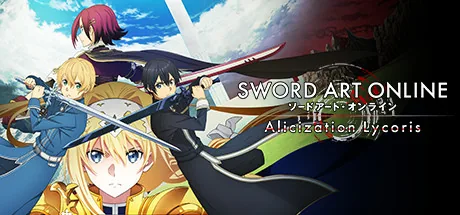
SWORD ART ONLINE Alicization Lycoris
5 / 10
- Developer
- AQURIA Co., Ltd.
- Publisher
- Bandai Namco Entertainment
- Released
- 9 July 2020
- Platforms
- Windows, PlayStation 4, Xbox One
- Genre
- Action RPG
- Monetisation
- NZ$34.95 base game (checked 13 August 2026), plus a gacha loot-box system (CUBEs, bought with SAOCoins that carried a 90-day expiration) layered on top for costumes, weapon skins and stat-affecting accessories. Two paid story-expansion DLCs, "Blooming of Forget-me-not" and "Blooming of Matricaria" (NZ$39.99 each), a Premium Pass bundle (NZ$78.99) and a small cosmetics pack were also sold separately
- Players
- Online co-op for up to 3 players, but locked behind roughly the first 15-20 hours of the main story before it unlocks
The short version
SWORD ART ONLINE Alicization Lycoris retells the Alicization arc of the long-running light novel and anime franchise as an action RPG, with Kirito and friends fighting through the Underworld's fully-realised virtual world using a skill-combo combat system several reviewers single out as the game's genuine strength. Critics were unconvinced overall — 53 on Metacritic, 54 on OpenCritic ("Weak"), citing a convoluted, badly-paced story and heavy technical problems. Steam's player base landed kinder but still split: Mixed, 67.5% positive of 2,205 reviews (checked 13 August 2026).
Two specific complaints dominate that negative third. Performance at launch was rough enough that changing every graphics setting made no visible difference for many players regardless of hardware, and the publisher spent months patching it without fully resolving it by player accounts. And on top of a roughly NZ$50-60 (at 2020 prices) full-price purchase, the game layers a gacha loot-box system — CUBEs bought with expiring SAOCoins — for costumes and stat-affecting accessories, on top of separately-sold story DLC and a Premium Pass bundle. More than one reviewer compares the stacking of systems unfavourably to a full-price game with a live-service monetisation layer bolted on.
Biggest strengths
- A skill-combo combat system, built on the franchise's established Sacred Arts and weapon skills, that multiple reviewers call genuinely satisfying once it opens up
- A close, detail-attentive retelling of the Alicization arc's first season that existing fans of the source material appreciate
- Two post-launch story DLC packs extended the narrative rather than abandoning it after launch
Biggest weaknesses
- Launch-week performance was poor enough that graphics settings made little visible difference for many players regardless of hardware, and the developer spent months patching without, by player accounts, ever fully resolving it
- A gacha loot-box system (CUBEs, bought with SAOCoins on a 90-day expiration timer) sits on top of an already full-price purchase, drawing direct comparisons from players to live-service monetisation bolted onto a single-player game
- The opening chapters are frequently described as a bland, low-interactivity retelling of already-familiar anime material, including stretches of static dialogue screens that take control away from the player for extended periods
Who it's for: Existing Sword Art Online fans who want to replay the Alicization arc interactively and can tolerate technical rough edges and a loot-box layer they can mostly ignore. A poor fit for newcomers to the franchise, or for anyone who wants a game's monetisation to stop at the sticker price.
Our recommendation: Only recommended to committed fans of the source material, and even then, on a deep sale rather than at launch pricing — the gacha and DLC stack adds up fast if you engage with any of it, and the base game's technical issues were never fully resolved according to the ongoing community discussion around it.
5 / 10
A VRMMORPG story, told as a single-player action RPG
Sword Art Online's premise — a virtual-reality MMORPG where death in the game means death in real life — has always sat close to the kind of games Wanderer's own readers play, minus the mortal stakes. Alicization Lycoris dramatises the Alicization arc specifically: the Underworld, a fully-simulated virtual world running at an accelerated time ratio, and the fight to determine whether its AI inhabitants are people. It's genuinely dense, ambitious source material, and AQURIA — the studio behind several previous SAO games — built an action RPG around it rather than another MMO-lite, with Kirito's cast fighting through it using the series' established Sacred Arts and weapon-skill system.
That combat is the part of the game reviewers across the spectrum agree on. Skill combos, weapon variety and the Sacred Arts system come in for real, specific praise even from reviewers who otherwise can't recommend the game — "combat is similar to SAO:HR [Hollow Realization]. Skill combos are visually nice," reads a fairly typical positive note buried inside an otherwise mixed review. Where the agreement stops is almost everywhere else.
The gap between critics and players
Critical reception was genuinely harsh: 53 on Metacritic and 54 on OpenCritic, landing in OpenCritic's "Weak" tier with only 11% of critics recommending it, citing a convoluted, badly-paced story alongside the technical problems below. Steam's player base was notably more forgiving — Mixed at 67.5% positive across 2,205 reviews — which is a real and worth-flagging gap: this is a game where the audience most invested in the source material rates it meaningfully higher than critics evaluating it as a standalone RPG. If you're not already a Sword Art Online fan, that gap is the single most useful piece of information in this review.
What actually went wrong at launch
Two specific, heavily-repeated complaints explain most of that critical gap, and both showed up immediately on release day.
Performance. "No matter what you do, it will run like [expletive]. All graphic settings on low or high give the same result," reads one of the most-upvoted reviews, posted the day after launch from a player running an RTX 2070. That wasn't an isolated report — it's the dominant theme of the launch-week review wave, and 41 of the 100 reviews in this review's negative sample date to 2020 alone, the heaviest single-year concentration in that sample. Publisher Bandai Namco and developer AQURIA did respond: producer Yousuke Futami publicly committed to frame-rate fixes within weeks of launch, and patches through version 1.40 addressed battle-system bugs and other issues over the following months. By player accounts in ongoing community discussion, though, the fixes never fully resolved the underlying performance problems — one widely-shared community workaround simply recommends locking the frame rate to 30fps to cut load times from over a minute down to 10-30 seconds, which is a workaround for a symptom, not a fix for the cause.
A slow, low-interactivity opening. Multiple detailed reviews describe the first chapters as a "bland retelling of the Anime" that strips out the player's agency rather than adapting it: "the Sword Academy section, where control is frequently taken away from the player to go through 20-minutes of static 2D character portraits, and text box[es]," in the words of one review with over 100 hours logged. For a full-price action RPG, that's a real structural complaint distinct from ordinary pacing criticism — it's the game choosing to be a visual novel at exactly the moments players wanted to be playing.
The monetisation stack
The complaint that shows up with the most consistency, across both the Steam review corpus and the game's own community discussion boards, is what sits on top of the NZ$34.95 (checked 13 August
- base price. Alicization Lycoris ships with a gacha loot-box system: CUBEs, opened using
SAOCoins — a currency purchased with real money and, notably, one players report expiring after 90 days if unused — that award random costumes, weapon skins, accessories and consumables. Multiple community threads specifically flag that basic outfit options previous SAO games included as standard content were moved behind this randomised system here. Layered on top of that: a NZ$78.99 Premium Pass bundle, two separate NZ$39.99 story-expansion DLCs ("Blooming of Forget-me-not" and "Blooming of Matricaria"), and a small cosmetics pack — all still sold individually six years later, all currently discounted alongside the base game. One player thread title puts the community reaction bluntly: "Warning this game has microtransactions and is similar to Ubisoft kind of monetization." For a single-player-focused action RPG with no live-service population to sustain, that's an unusually heavy structure, and it's the throughline connecting a large share of the game's harshest reviews regardless of what year they were posted.
Verdict
SWORD ART ONLINE Alicization Lycoris has a combat system worth the praise it gets, and a genuinely committed retelling of material its fanbase cares about — that's real, and it's why the Steam score sits meaningfully above the critic consensus rather than agreeing with it. But the launch-week performance problems, a slow and control-stripping opening act, and a gacha-plus-DLC monetisation stack layered on top of an already full-price game are not launch-era footnotes; they're the reasons critics rated this considerably lower than the fans who bought it anyway, and they're still the first things any new community discussion of the game reaches for six years on.
It's worth noting, with a straight face, how strange it is to review a game about a fictional VRMMORPG's exploitative currency systems while it charges real money for randomised loot boxes on top of the sticker price — the kind of contrast Wanderer, an actual persistent RPG, tries hard to avoid by keeping its own economy free of anything you can't earn by playing.
Pros and cons
Pros
- A skill-combo combat system, built on the franchise's established Sacred Arts and weapon skills, that multiple reviewers call genuinely satisfying once it opens up
- A close, detail-attentive retelling of the Alicization arc's first season that existing fans of the source material appreciate
- Two post-launch story DLC packs extended the narrative rather than abandoning it after launch
- Online co-op for up to three players, once you reach it
Cons
- Launch-week performance was poor enough that graphics settings made little visible difference for many players regardless of hardware, and the developer spent months patching without, by player accounts, ever fully resolving it
- A gacha loot-box system (CUBEs, bought with SAOCoins on a 90-day expiration timer) sits on top of an already full-price purchase, drawing direct comparisons from players to live-service monetisation bolted onto a single-player game
- The opening chapters are frequently described as a bland, low-interactivity retelling of already-familiar anime material, including stretches of static dialogue screens that take control away from the player for extended periods
- Co-op multiplayer, one of the game's headline features, is locked behind roughly 15-20 hours of solo story progress before it becomes available
- Critics were considerably harsher than the Steam playerbase (53 Metacritic, 54 OpenCritic "Weak" against a Mixed 67.5% Steam score), a gap worth knowing about before buying on reputation alone
Screenshots
-
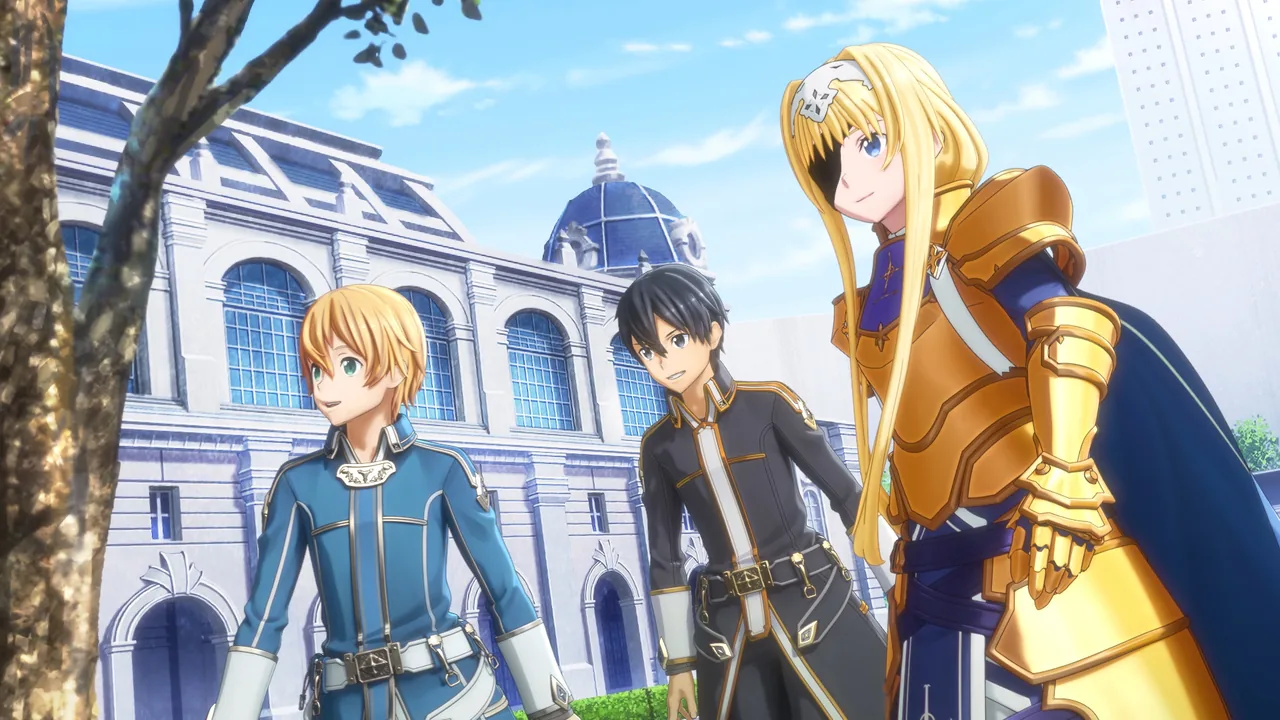
SWORD ART ONLINE Alicization LycorisImage: BANDAI NAMCO Entertainment via Steam -
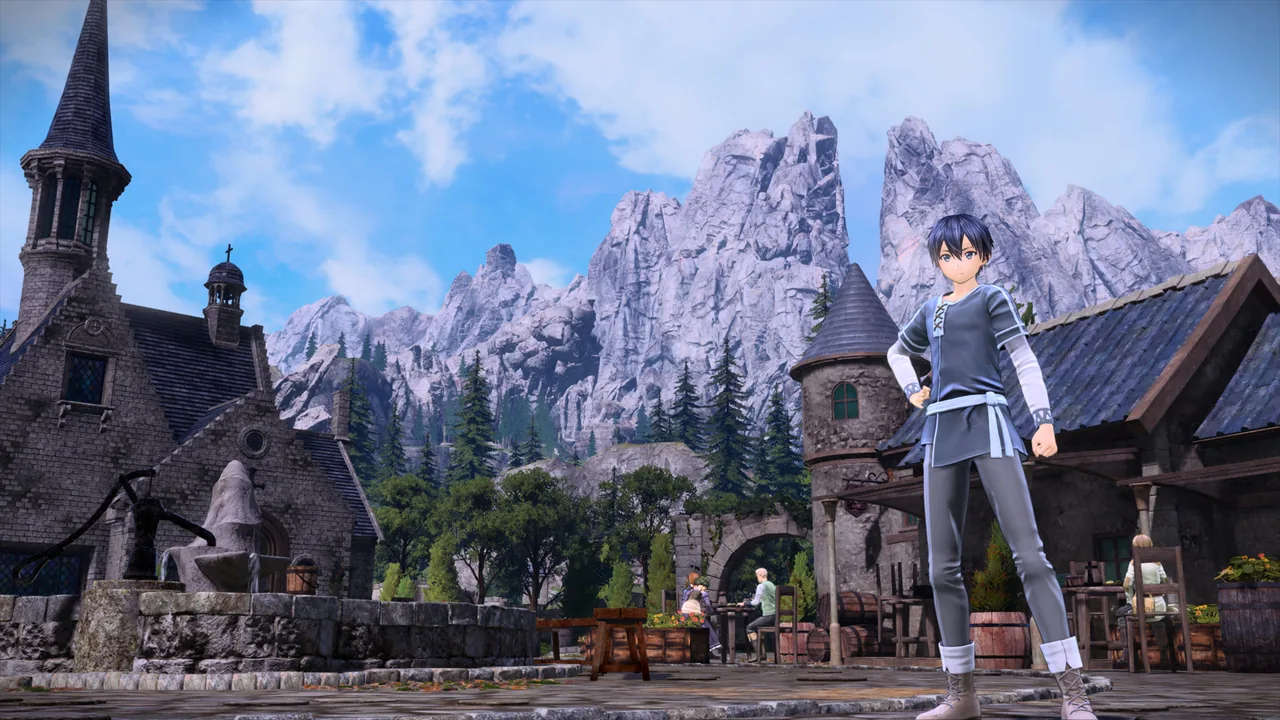
SWORD ART ONLINE Alicization LycorisImage: BANDAI NAMCO Entertainment via Steam -
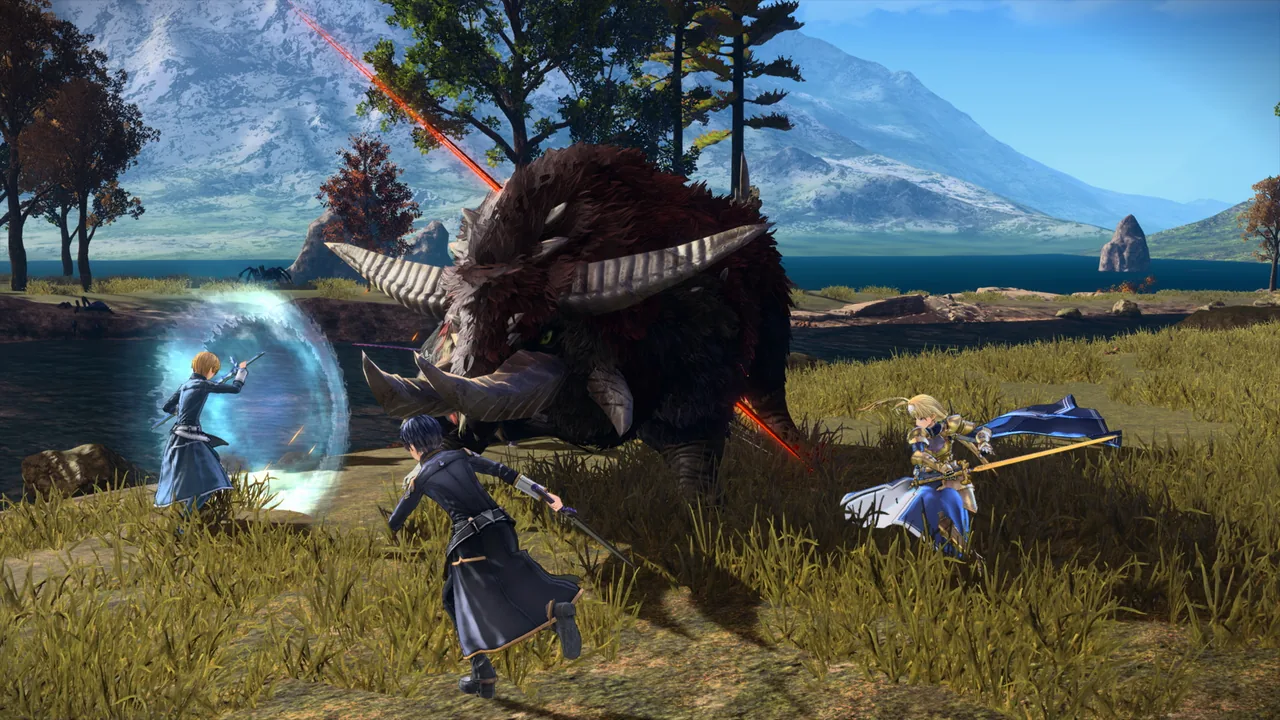
SWORD ART ONLINE Alicization LycorisImage: BANDAI NAMCO Entertainment via Steam -
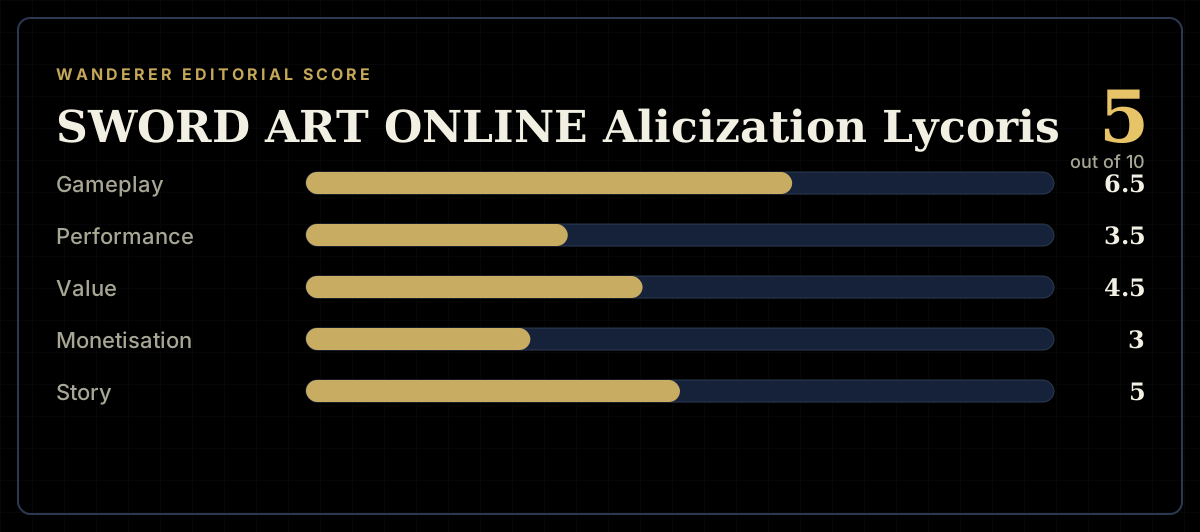
How the review scores each part of the gameWanderer Editorial -
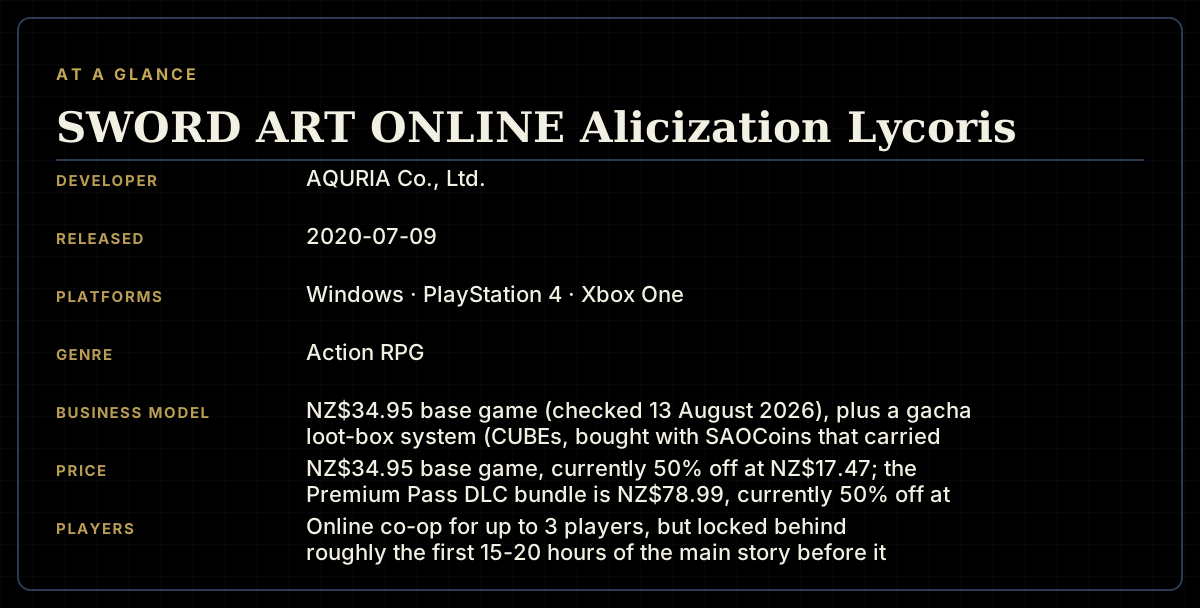
The essentials at a glanceWanderer Editorial -
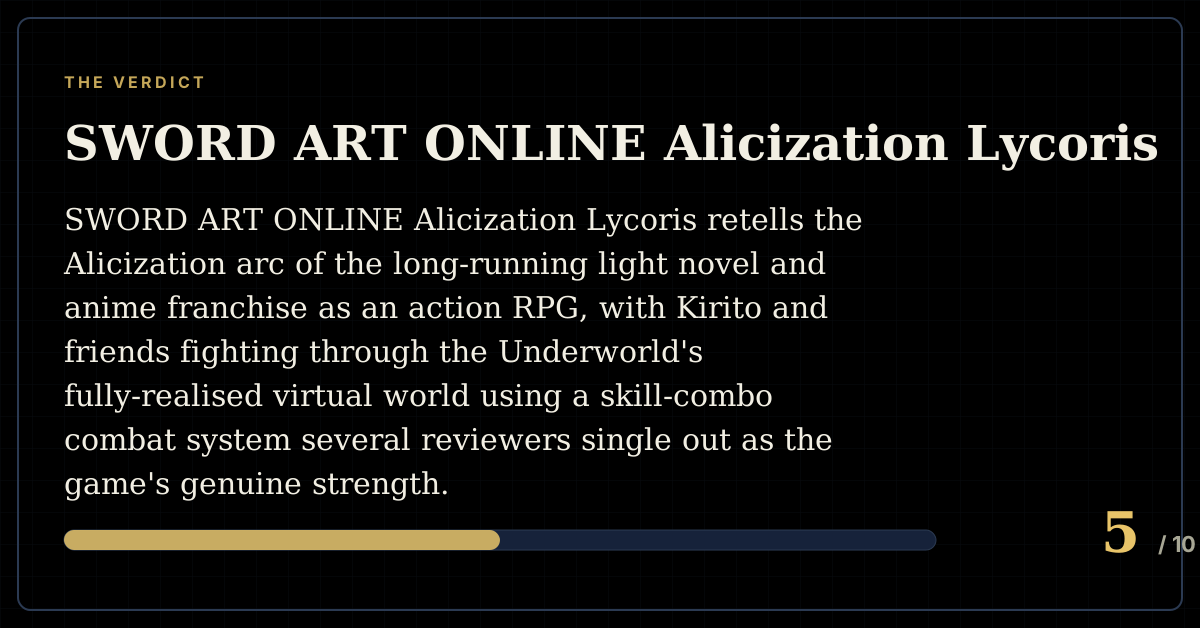
The short versionWanderer Editorial