Game review
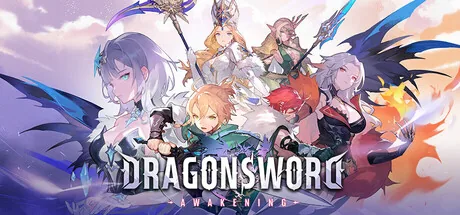
DragonSword : Awakening
7.2 / 10
- Developer
- Hound13 Inc.
- Publisher
- Hound13 Inc.
- Released
- 22 July 2026
- Platforms
- Windows
- Genre
- Action RPG
- Monetisation
- One-time purchase, no gacha or loot boxes, paid cosmetic and quality-of-life DLC
- Players
- Online co-op via host-generated invite codes for dungeons and raids only; the overworld and main story are single-player
The short version
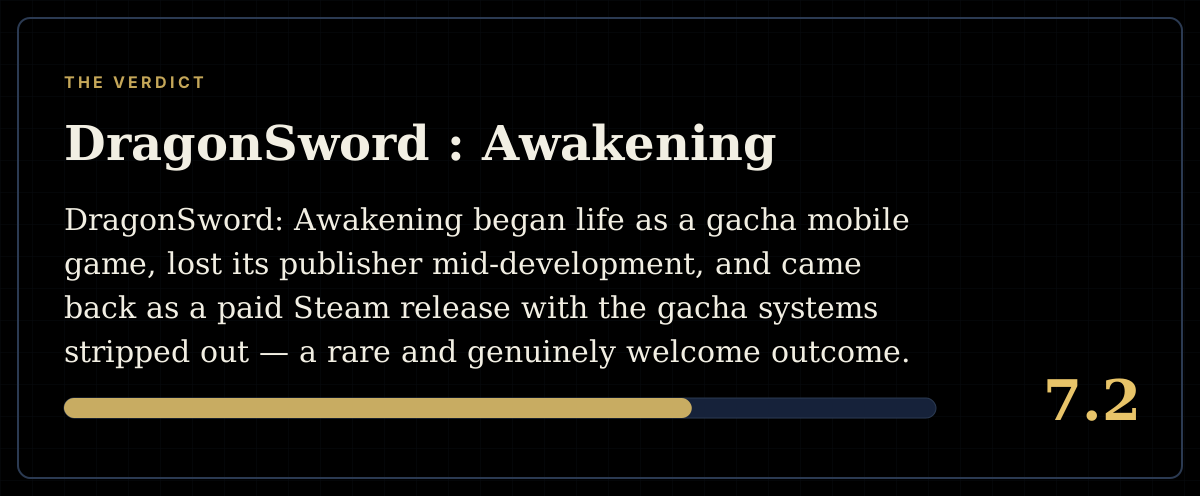
DragonSword: Awakening began life as a gacha mobile game, lost its publisher mid-development, and came back as a paid Steam release with the gacha systems stripped out — a rare and genuinely welcome outcome. The tag-team combat and anime presentation land well, and cutting the stamina timers and character pulls is a real improvement. What's left behind is the skeleton of a mobile game: currency sinks with nothing left to gate, menus built for a thumb on a phone screen, and a story that was clearly never designed to be finished in one sitting.
Biggest strengths
- Tag-team status-ailment combat between the 19 heroes is fast and legitimately rewards planning combos rather than button-mashing
- Every character, gear upgrade and Familiar is earnable through play, with no stamina meter, energy timer or currency purchase gating story progress
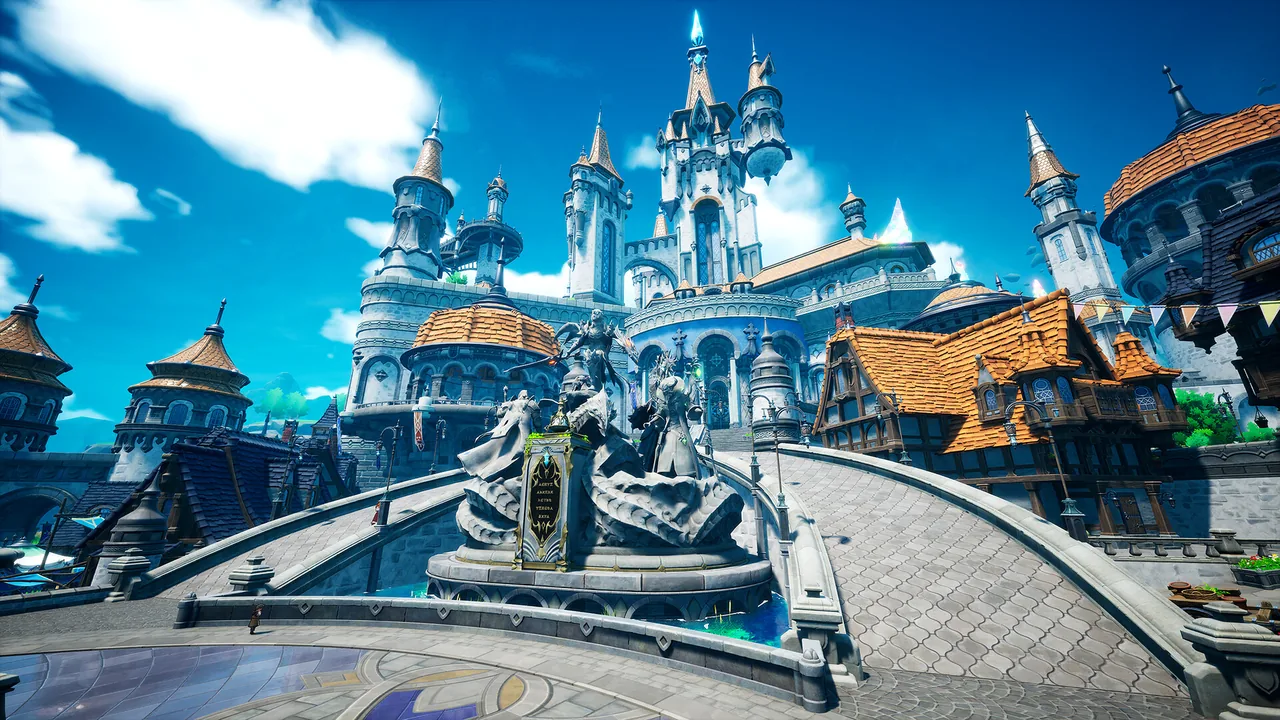
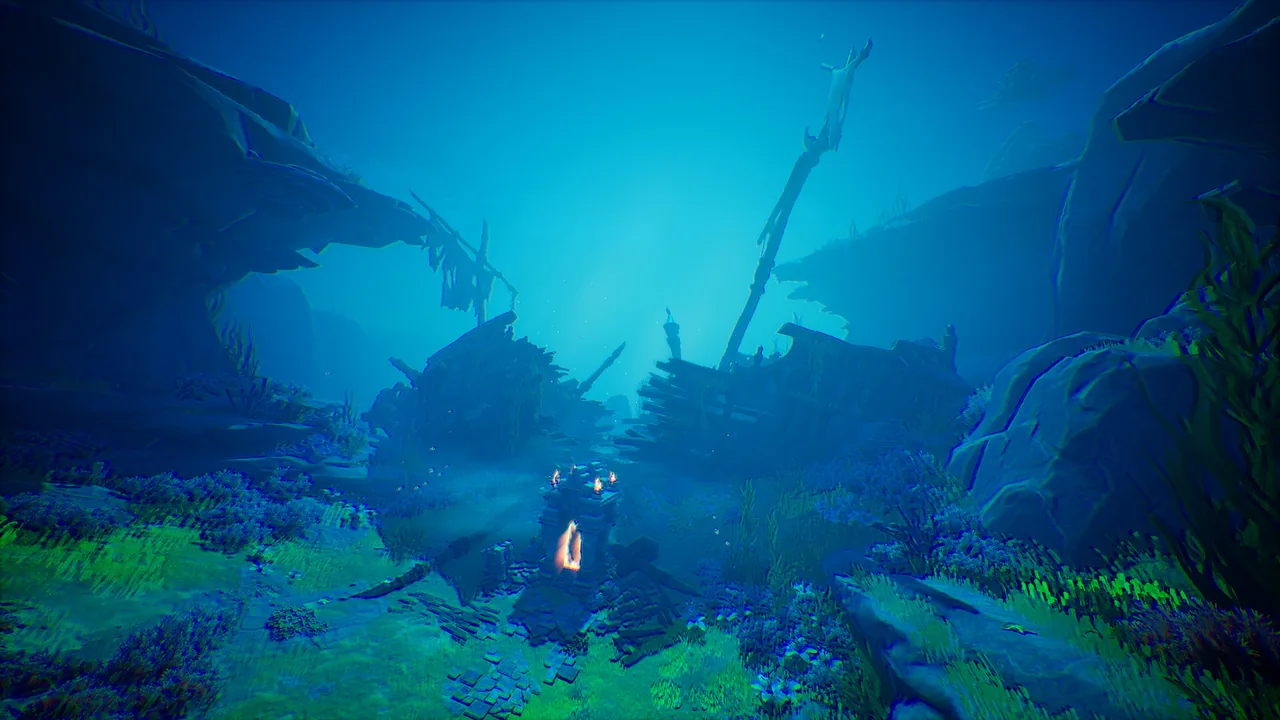
- Unreal Engine 5 anime art direction is consistently strong across environments and character models, and the game runs cleanly on Steam Deck
Biggest weaknesses
- Menus, currency types and material-grinding systems still assume a mobile screen and a gacha economy that no longer exists, leaving busywork with no purpose behind it
- Each hero carries only two active skills, and encounter design leans on repeating the same combo strings long after the novelty wears off
- Main story cutscenes are frequent, poorly paced, and end abruptly with minimal endgame content once the credits roll
Who it's for: Anime-action fans who want a Dragon Nest-adjacent combat system without a gacha attached, and players curious how a mobile RPG's bones hold up once the monetisation is removed.
Our recommendation: Worth buying for the combat and the novelty of a genuinely de-gacha'd release, provided you go in tolerant of mobile-game UI conventions and a story that trails off rather than concludes. Skip the optional DLC unless a specific costume matters to you — none of it is necessary to finish the game.
7.2 / 10
Most games that advertise "no gacha" are simply free-to-play titles being coy about a battle pass. DragonSword: Awakening is a different case entirely: it actually was a gacha game, built and published that way, before the arrangement fell apart and its developer walked away with the rights and rebuilt the release around a single upfront price. That backstory isn't marketing colour — it's the single most useful lens for understanding why the finished product feels the way it does, equal parts genuinely liberated and structurally unfinished.
From mobile gacha to a Steam RPG
Hound13, the Korean studio behind DragonSword: Awakening, made its name with Hundred Soul, a mobile action RPG built around fast, character-switching combat. DragonSword was conceived as that combat system's evolution into an open world, originally under a gacha publishing deal with Webzen. When that partnership collapsed, Hound13 fought to reclaim the game rather than let it die, and the version that shipped on Steam in July 2026 is the result: every one of its 19 heroes, every piece of gear and every Familiar is unlockable through ordinary play, with no stamina meter, no energy timer and no currency purchase standing between a player and the next hour of content.
That's a genuinely rare outcome, and the Steam user base has responded to it — "no gacha" is the single most repeated phrase in the game's overwhelmingly positive reviews, and it's not hard to see why. Removing a monetisation layer that most competing anime-action RPGs still lean on hard is worth real credit on its own terms.
Tag-team combat that mostly delivers
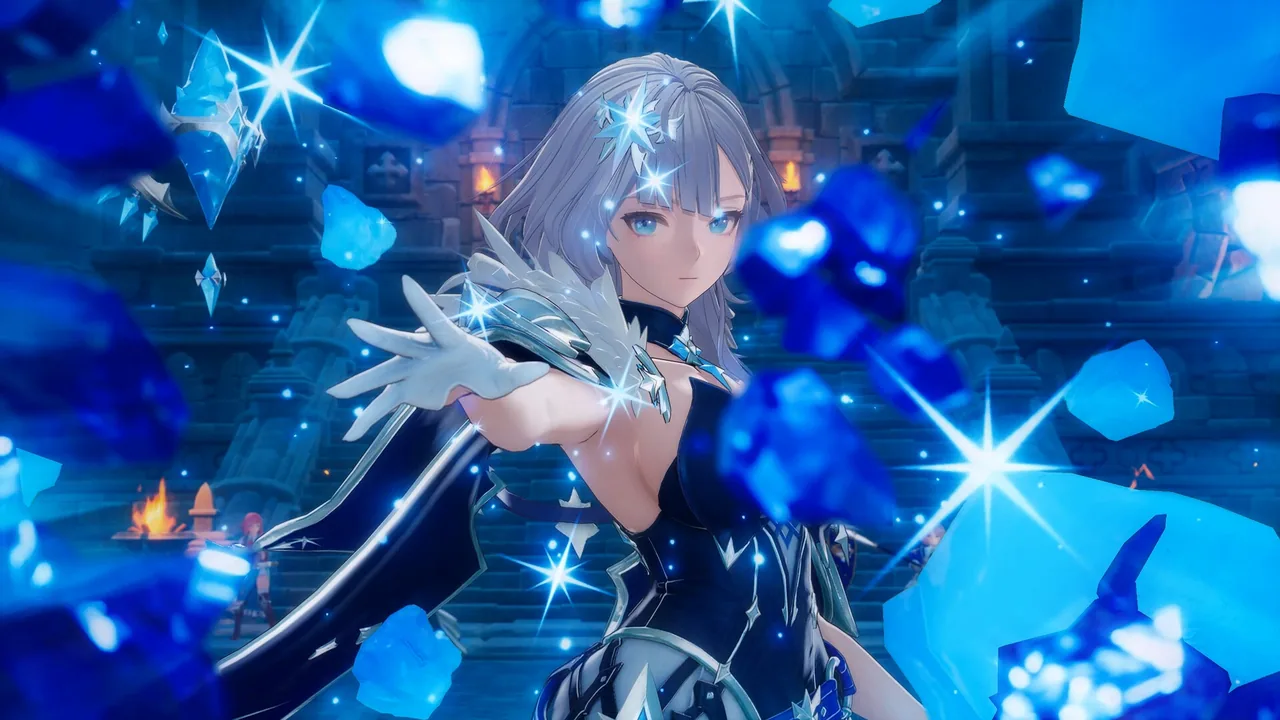
The action itself borrows Hundred Soul's core idea and scales it up. You control a party of up to three heroes at once, swapping the active fighter mid-combo to chain elemental status ailments — burn into shock into freeze — for bonus damage windows that reward planning a rotation rather than mashing whichever attack is fastest. It's fluid, reads well on screen, and the roster's variety gives it real staying power for the first stretch of the game: a tank who staggers, a ranged caster who sets up ailments from range, a rogue who closes the gap and detonates them.
The system has a ceiling, though, and players who put real hours in tend to hit it. Each hero carries only two active skills, which is enough for early encounters to feel snappy but not enough to keep late-game fights from repeating the same two or three combo strings once the enemy roster stops introducing new resistances to play around. Movement complaints follow a similar pattern — sprinting cancelling on a jump landing, a dash with a forced recovery animation — small frictions that matter more once you're executing the same rotation for the fortieth time than they did in the opening hours.
Progression still has a gacha-shaped hole in it
This is where the game's history shows through most clearly. DragonSword: Awakening kept the currency types, material tiers and crafting sinks that a gacha economy needs to slow down spenders and give whales something to buy their way past — except there's no gacha anymore, and nothing left to spend real money to skip. What remains is busywork: multiple overlapping currencies, gear upgrade materials farmed from repeated dungeon runs, and level caps gated behind story milestones that exist to pace a mobile release, not a $50 PC game with no subscription pulling players back daily. Several players who've put dozens of hours in describe the grind as deliberately time-consuming in a way that has no real purpose once you strip the reason it was built that way in the first place.
The open world around that grind is attractive but thin on incentive. Exploration is rewarded mostly with the same crafting materials the dungeons already hand out, and the game's mount system and puzzle design get consistent praise for variety even as the underlying loop of "go somewhere, collect generic materials, return" repeats more than the world's presentation earns.
A story built to be interrupted, not finished
DragonSword: Awakening's narrative — a dragon reawakening sixty years after its last defeat, a cast of heroes assembling to stop it — is competent, generic fantasy scaffolding that mobile players were never meant to sit through in long sessions. On Steam, where players do sit through it in long sessions, that shows. Cutscenes arrive frequently and interrupt exploration rather than punctuating it, quest structure leans hard on fetch-and-return errands, and the ending arrives abruptly with what multiple players describe as barely any endgame content behind it — a couple of boss fights rather than a genuine post-story loop. Voice acting is Korean-only, and the English localisation carries the rough edges of machine-assisted translation in a handful of quest and skill descriptions.
An interface that never stopped being a phone app
The clearest tell that this game wasn't built for a keyboard and a large monitor is its UI. Menus stack the way a mobile inventory screen stacks, there's no way to pause during single-player exploration, and healing routes through teleporting back to save statues rather than a field option — a design choice that adds a loading screen to every failed dungeon attempt instead of just resetting you in place. None of it is broken, but all of it reads as ported rather than redesigned, and it's the part of the game most likely to wear on a player who came in expecting a PC-native RPG interface.
Co-op is there, but only in the back rooms
Multiplayer is strictly opt-in and strictly limited: the overworld and story are single-player throughout, and co-op only opens up inside dungeon and raid menus, where a host generates an invite code and shares it directly — no matchmaking, no server browser, and connection quality tied entirely to the host's own internet. It's a serviceable way to tackle harder content with friends who already know each other, but it's a long way from a persistent shared world, and it stays locked away until well into the game's runtime.
Monetisation: mostly honest, one contradiction
The headline claim — no gacha, no stamina paywall, no pay-to-win — holds up under scrutiny, and that's the part of the pitch worth taking at face value. Every character and every meaningful progression system is earnable without spending beyond the box price. Where the story gets more complicated is the DLC shelf sitting next to that pitch: individually priced cosmetic costumes running roughly NZ$6.59 to NZ$13.49 apiece, a separate Familiar pack, and a NZ$32.99 Deluxe Pack on top of the NZ$49.99 base price. None of it is required and none of it touches combat power, so it doesn't undercut the "no pay-to-win" claim in any concrete sense — but a game built its entire marketing pitch around freedom from monetisation pressure, and then shipped nearly twenty separate paid add-ons at launch, which is a harder needle to thread than Hound13's messaging suggests.
Final verdict
DragonSword: Awakening is a rare thing done right and a familiar thing done carelessly, in the same package. Watching a studio reclaim its own game from a collapsed gacha deal and relaunch it without the predatory systems attached is worth genuine respect, and the tag-team combat and Unreal Engine 5 presentation are strong enough to carry the opening stretch on their own merits. But the game underneath that combat is still built like the mobile release it used to be — a currency economy with nothing left to protect, an interface designed for a thumb, and a story paced for check-ins rather than sessions. For players who care more about "no gacha" being true than about a fully PC-native design, that trade is an easy one to make. For players expecting a console-and-PC-grade open-world RPG from the ground up, the seams will show early and often.
Players who'd rather their character kept growing between sessions without a currency system built for a storefront that no longer exists might also want to look at Wanderer.
Pros and cons
Pros
- Tag-team status-ailment combat between the 19 heroes is fast and legitimately rewards planning combos rather than button-mashing
- Every character, gear upgrade and Familiar is earnable through play, with no stamina meter, energy timer or currency purchase gating story progress
- Unreal Engine 5 anime art direction is consistently strong across environments and character models, and the game runs cleanly on Steam Deck
- The legal history behind the release — Hound13 fighting to reclaim the game from a collapsed publisher and relaunch it gacha-free — is unusual enough that the result earns real goodwill
- 40 to 200-plus hours of content for a flat NZ$49.99, by the account of long-session players
Cons
- Menus, currency types and material-grinding systems still assume a mobile screen and a gacha economy that no longer exists, leaving busywork with no purpose behind it
- Each hero carries only two active skills, and encounter design leans on repeating the same combo strings long after the novelty wears off
- Main story cutscenes are frequent, poorly paced, and end abruptly with minimal endgame content once the credits roll
- No pause function during single-player exploration, and healing routes players back through save-statue teleports that add loading screens to failed dungeon runs
- Voice acting is Korean-only with machine-assisted subtitle translation, and paid DLC (costumes from roughly NZ$6.59 to NZ$13.49, a NZ$32.99 Deluxe Pack) sits oddly next to a game that markets itself on having no monetisation pressure
Screenshots
-
DragonSword : AwakeningImage: Hound13 Inc. via Steam -
DragonSword : AwakeningImage: Hound13 Inc. via Steam -
DragonSword : AwakeningImage: Hound13 Inc. via Steam -
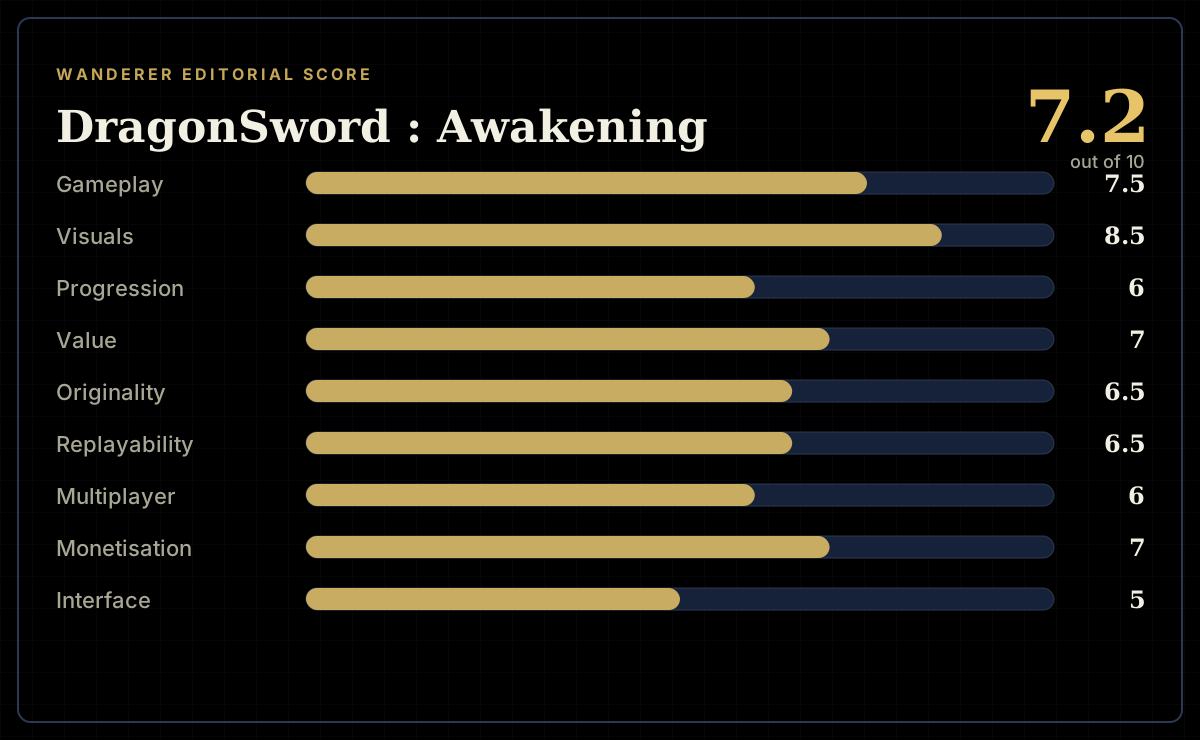
How the review scores each part of the gameWanderer Editorial -
The short versionWanderer Editorial