Game review
Necromunda: Underhive Wars
5 / 10
- Developer
- Rogue Factor
- Publisher
- Focus Entertainment
- Released
- 7 September 2020
- Platforms
- Windows, PlayStation 4, Xbox One
- Genre
- Tactical RPG
- Monetisation
- One-time purchase, plus four post-launch gang DLC packs (House Van Saar, House Cawdor and others) sold separately, each adding a new playable faction rather than gating core content
- Players
- Online PvP and co-op for up to 4 players, but achievement data shows barely anyone plays it any more — see below
The short version
Necromunda: Underhive Wars puts you in charge of a gang fighting for territory in the Underhive, the lawless depths beneath Warhammer 40,000's hive cities, in turn-based tactical combat from Rogue Factor — the studio previously known for the cult tactics game Mordheim: City of the Damned. Critics found real ideas worth praising underneath a launch riddled with problems: Metacritic settled at 53 on PC, 59 on PS4, 64 on Xbox One, and the dominant theme across every platform was the same — "erratic AI and far too many glaring technical issues." Steam's lifetime player score reflects that split: Mixed, 54.4% positive of 2,217 reviews (checked 13 August 2026).
Rogue Factor did keep patching, hard, for nine months — five major updates between the September 2020 launch and June 2021, adding two new gang DLCs and fixing over a hundred issues in a single November 2020 pass alone. Then support stopped entirely. Global achievement data shows the cost of that gap plainly: only 3.5% of players who own an achievement have ever played a multiplayer match, and completing 50 multiplayer wins sits at just 0.3% — the online mode this game shipped with is functionally dead.
Biggest strengths
- Genuine tactical depth in its core ideas — limb-targeting, permanent injuries that persist between missions, and a gang-management layer that critics singled out as a fresh spin on the genre
- Rogue Factor visibly committed to fixing the launch — five major patches and over a hundred individual fixes across nine months of active post-launch support
- A distinctive, grim Warhammer 40,000 setting realised with real attention to the source material's atmosphere
Biggest weaknesses
- Launched in a state multiple reviewers compared to an alpha build — crashes, characters getting stuck on scenery, AI that stood idle or walked in circles mid-battle
- Save corruption was reported well into the post-launch patch cycle, including from players with 100+ hours who lost entire gang campaigns, which is especially damaging in a mode built around permanent, persistent consequences
- Post-launch support stopped after June 2021 — nine months of patching, then five-plus years of silence, leaving whatever bugs remained at that point permanent
Who it's for: Tactics fans specifically drawn to Necromunda's grim, gang-warfare setting who can tolerate real, unresolved jank in exchange for genuine strategic ideas — limb-targeting, permanent injuries, gang customization. A poor fit for anyone wanting the multiplayer, which by Valve's own numbers almost nobody plays, or for anyone who won't forgive a campaign that could corrupt hours of progress even after patching.
Our recommendation: Only for committed Warhammer 40,000 tactics fans, and only on a deep sale — go in expecting a single-player campaign with real but unresolved rough edges rather than the competitor to Mordheim or XCOM its marketing implied, and don't expect the multiplayer to have anyone in it.
5 / 10
A tactics studio's second attempt at grim gang warfare
Rogue Factor built its reputation on Mordheim: City of the Damned, a cult tactics game set in Games Workshop's fantasy skirmish setting. Necromunda: Underhive Wars is the studio's return to that formula in Warhammer 40,000's Necromunda setting — the lawless, industrial Underhive beneath the hive cities, where rival gangs fight over territory, resources and honor in turn-based combat with real strategic ambition: limb-by-limb targeting, permanent injuries that carry between missions, and a gang-management layer that lets losses actually cost you fighters rather than resetting cleanly between battles.
Critics found real substance in those ideas. But the dominant story of every review from launch week wasn't the design — it was the state the game shipped in. Metacritic settled at 53 on PC (59 PS4, 64 Xbox One), and the phrase that recurs across outlets is close to identical: "erratic AI and far too many glaring technical issues." One of the most-upvoted Steam reviews, posted the day after launch, opens with over 600 hours logged in Mordheim as credentials before delivering its verdict: "it's been a pretty miserable experience so far in the sense that it's an alpha product," going on to describe enemy AI that got stuck on scenery, ran aimlessly, and generally failed to function as opposing tactical intelligence should.
What launch week actually looked like
The negative-review sample from September 2020 reads like a bug-tracker rather than a set of opinions. "I just watched an enemy walk past one of my gang members three times before stopping to attack. I just had the game CTD when I tried to go back to the main menu. I just had my save file corrupted," reads one representative review from launch day. Another, posted the same week and upvoted by hundreds of players, opens with a direct warning: "This store page is a trap," before explaining the reviewer bought the game expecting the successor to Mordheim it was marketed as and found instead a project that needed substantially more development time.
Save corruption is the specific complaint worth taking most seriously, because Underhive Wars' core design — permanent injuries and persistent gang progression across an entire campaign — depends on saves actually holding. A review from November 2020, two months after launch, describes losing 100 hours of progress to a lockup that corrupted the save file; a similar report surfaces again from a different player the following January. For a game whose whole pitch is that your gang's losses matter and carry forward, a save system that can't reliably hold that data is a failure at the design's own foundation, not an unrelated technical footnote.
Real, sustained patching — then silence
To Rogue Factor's credit, the response wasn't nothing. The studio shipped five major updates between launch and June 2021: an October 2020 patch, a November 2020 update the developers described as containing over a hundred individual improvements and fixes, a December 2020 patch bundled with the House Van Saar gang DLC, a February 2021 update alongside the House Cawdor DLC, and a final patch in June 2021 adding a new playable career. Several Steam reviews from that window specifically credit the studio for the effort — "the game is now in a much less buggy state," reads one review updated ahead of the first DLC's release — even while noting that some game-breaking issues, including the save-corruption problem, persisted through multiple patch cycles rather than being fully resolved.
Then, after that June 2021 update, support stopped. There has been no further patch, fix or content update in the five-plus years since. Whatever state the game was in by mid-2021 — improved from launch, but by multiple accounts still carrying real bugs — is permanently the state it's in today.
The multiplayer nobody plays
Underhive Wars shipped with online PvP and 4-player co-op as headline features, and Valve's global achievement data shows just how little of that survived contact with reality. Only 3.5% of players who've unlocked at least one achievement have ever played a single multiplayer match. Winning 50 multiplayer matches — the top multiplayer milestone tracked — sits at 0.3%. For all practical purposes, the multiplayer mode this game was built around no longer has a population, if it ever had a substantial one to begin with.
The single-player campaign fares only modestly better by completion terms: 83.2% of players who own an achievement have started the game, but that falls to 21.3% by story mission 5 and just 9.1% by mission 15 — a steep early drop-off consistent with a launch rocky enough to lose a large share of players before the story properly got going.
Verdict
Necromunda: Underhive Wars had a genuinely interesting tactical foundation and a studio that, for nine months, visibly tried to fix what launched broken. Neither of those things changes the practical reality for anyone considering it in 2026: a campaign that historically corrupted saves even after extensive patching, a multiplayer mode that Valve's own numbers say is essentially empty, and five-plus years of total silence from a developer that stopped supporting it in the middle of 2021. The ideas underneath are worth acknowledging — this genuinely wasn't a cynical cash-grab, and the post-launch effort was real while it lasted — but "real effort, then abandoned" is still abandoned, and that's the game you'd be buying today.
Pros and cons
Pros
- Genuine tactical depth in its core ideas — limb-targeting, permanent injuries that persist between missions, and a gang-management layer that critics singled out as a fresh spin on the genre
- Rogue Factor visibly committed to fixing the launch — five major patches and over a hundred individual fixes across nine months of active post-launch support
- A distinctive, grim Warhammer 40,000 setting realised with real attention to the source material's atmosphere
- Non-predatory DLC structure — new playable gangs rather than content withheld from the base game
Cons
- Launched in a state multiple reviewers compared to an alpha build — crashes, characters getting stuck on scenery, AI that stood idle or walked in circles mid-battle
- Save corruption was reported well into the post-launch patch cycle, including from players with 100+ hours who lost entire gang campaigns, which is especially damaging in a mode built around permanent, persistent consequences
- Post-launch support stopped after June 2021 — nine months of patching, then five-plus years of silence, leaving whatever bugs remained at that point permanent
- Multiplayer is effectively dead by Valve's own data: only 3.5% of players who've unlocked an achievement have ever played a match, and 0.3% have won 50
- Story mission completion falls steeply — 83.2% start the game, but only 21.3% reach story mission 5 and just 9.1% reach mission 15, suggesting most owners bounce off early
Screenshots
-
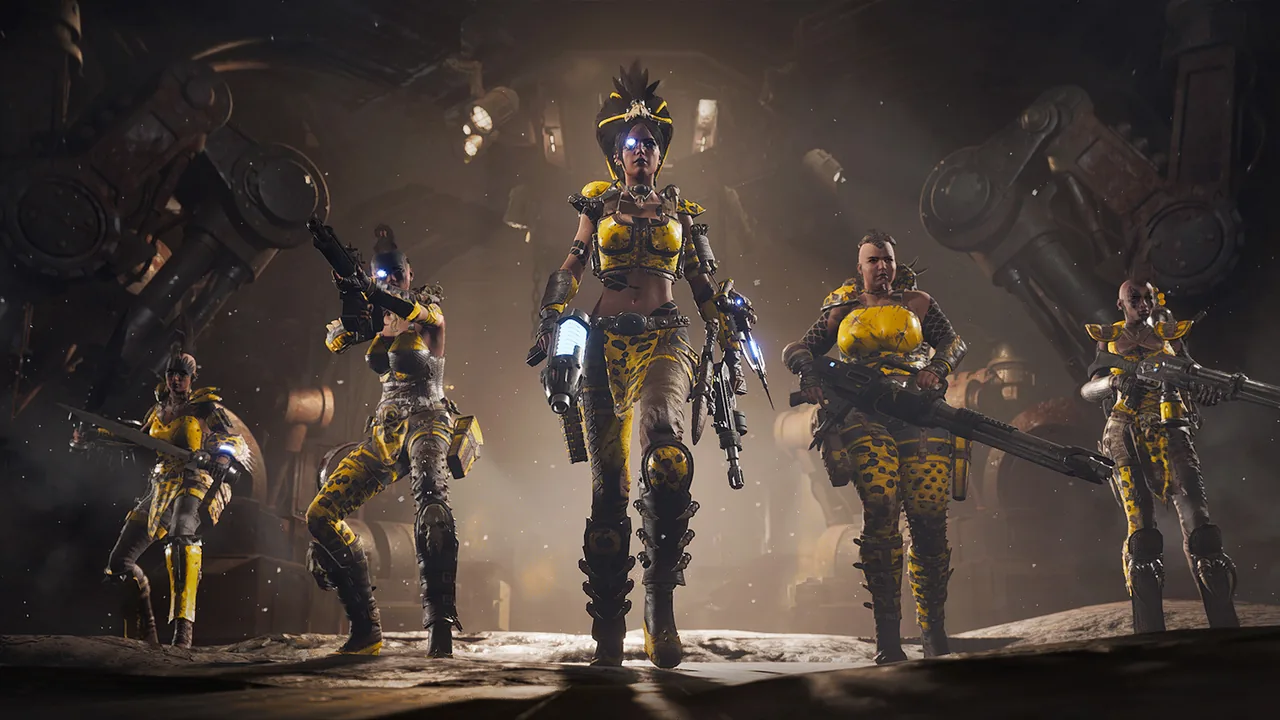
Necromunda: Underhive WarsImage: Focus Entertainment via Steam -
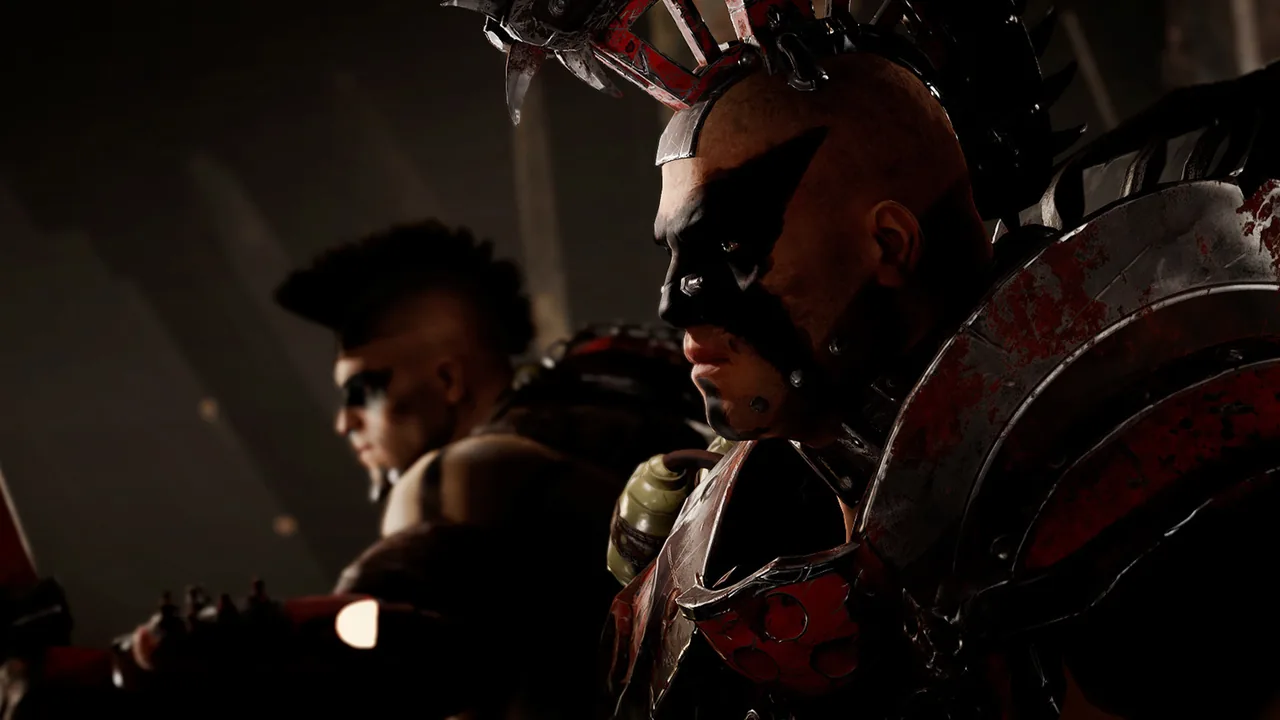
Necromunda: Underhive WarsImage: Focus Entertainment via Steam -
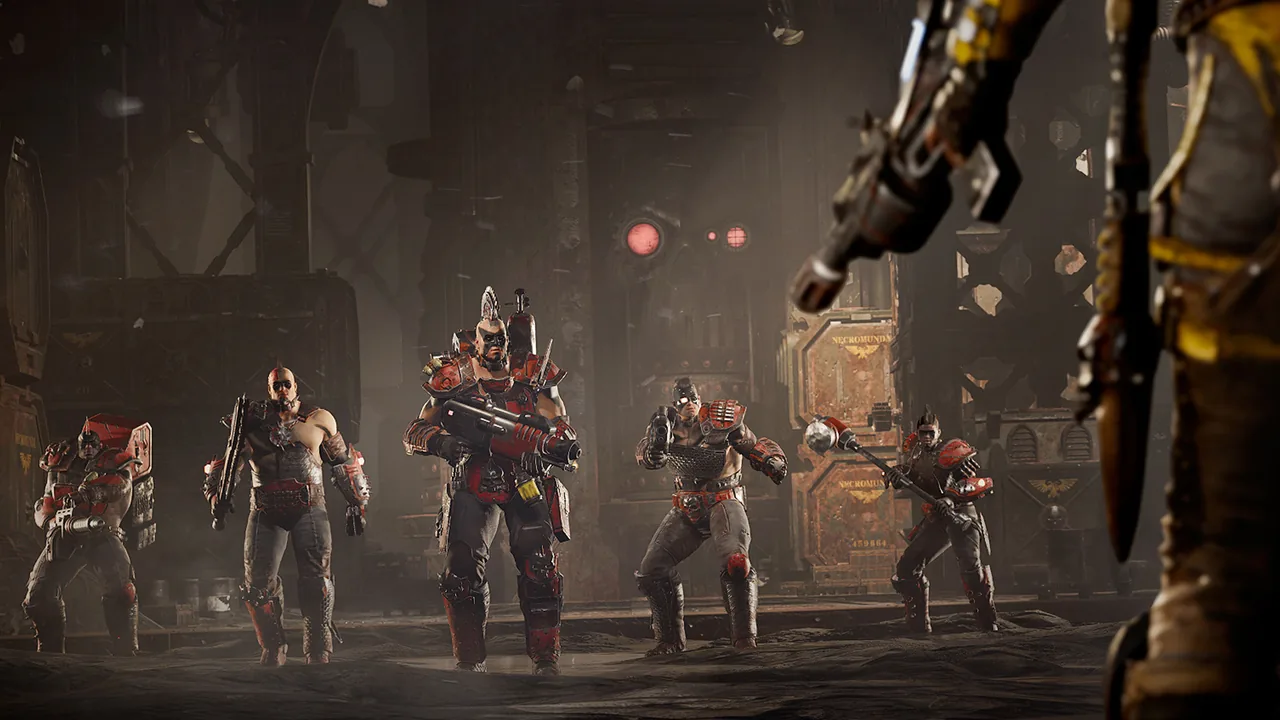
Necromunda: Underhive WarsImage: Focus Entertainment via Steam -
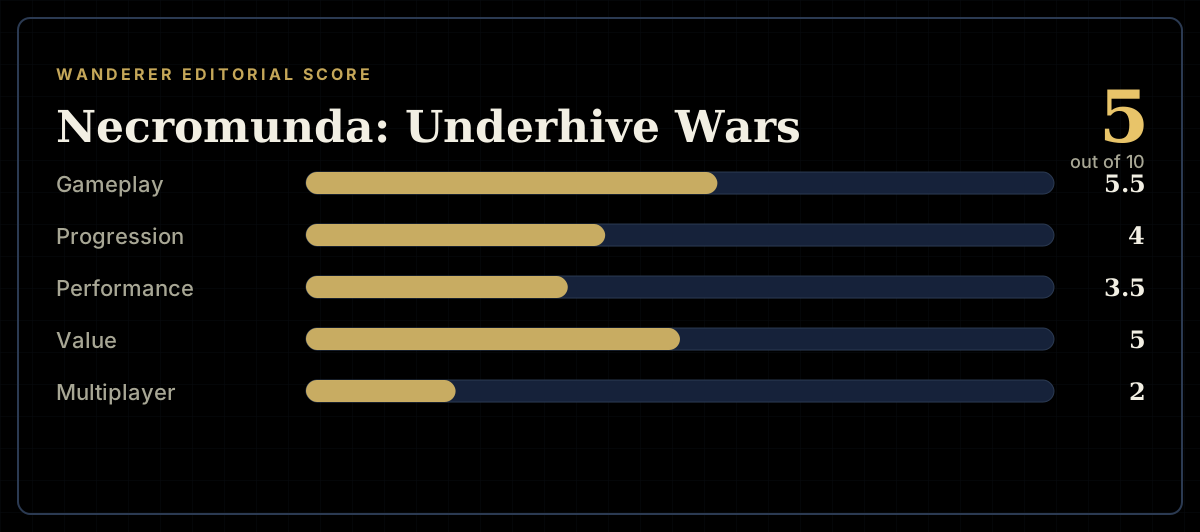
How the review scores each part of the gameWanderer Editorial -
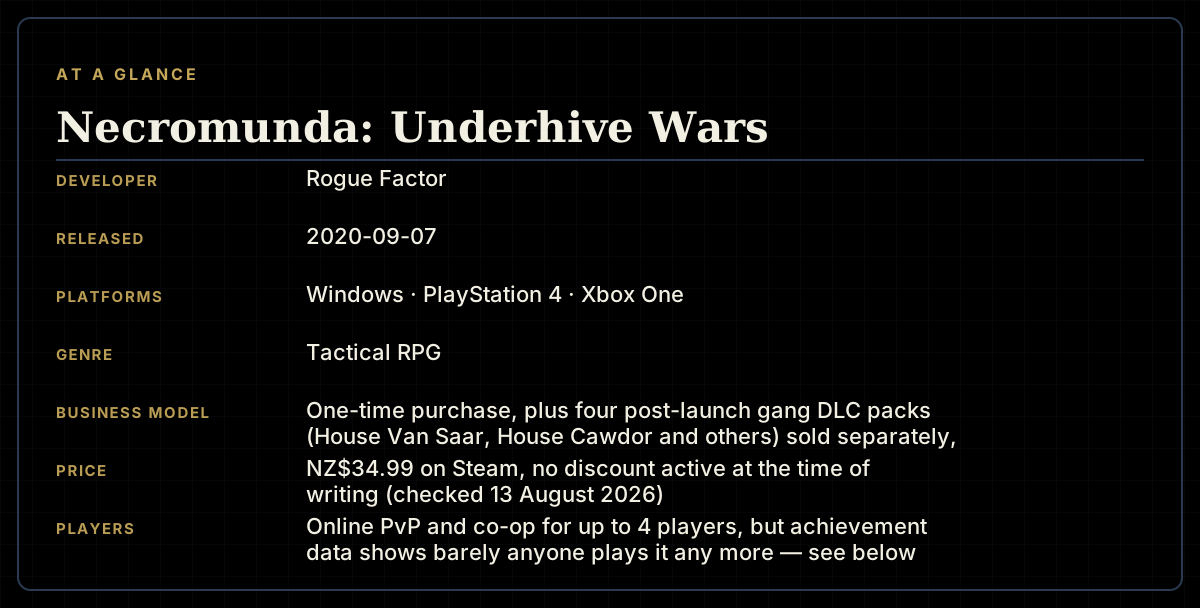
The essentials at a glanceWanderer Editorial -
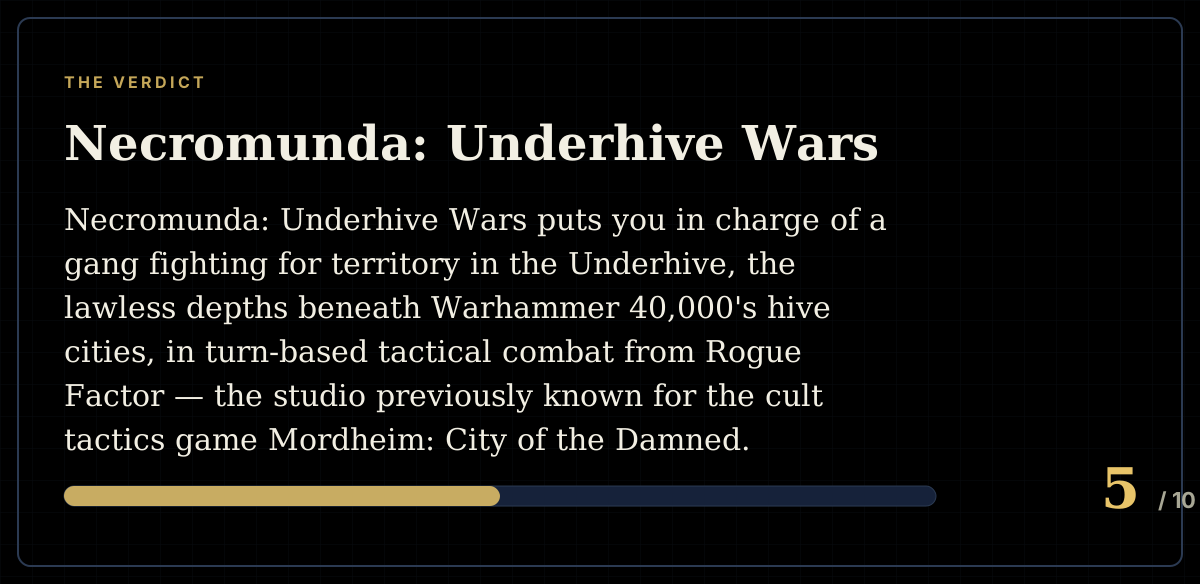
The short versionWanderer Editorial