Game review
SpellForce 3
6.5 / 10
- Developer
- Grimlore Games
- Publisher
- THQ Nordic
- Released
- 7 December 2017
- Platforms
- Windows
- Genre
- RTS/RPG Hybrid
- Monetisation
- One-time purchase. Two paid story expansions (Soul Harvest, Fallen God) released after launch.
- Players
- Online and LAN PvP and co-op, alongside a single-player campaign
The short version
SpellForce 3 revives a genuinely uncommon genre combination -- real-time strategy base-building and army command sitting inside a full party-based RPG, complete with a hero you level, equip and send on quests between skirmishes. Steam calls it Mostly Positive, 75% of 3,515 English-language reviews, a number that undersells how rocky its actual launch was: the negative sample from December 2017 through much of 2018 describes a game with a genuinely interesting premise sitting on top of dumb unit AI, persistent bugs and an unfinished feel, several reviewers explicitly warning that the game "shouldn't have released for a extra month or two."
What separates SpellForce 3 from most rocky launches in this review's coverage is what happened next: in 2020, Grimlore Games shipped SpellForce 3: Reforced, a free overhaul that rebuilt systems, folded the two paid story expansions' improvements back into the base game, and replaced the original listing on Steam entirely. Reviewers who tried both versions are close to unanimous that Reforced fixes a meaningful share of what launch reviewers complained about, and the game also carried, briefly, one specific, well-documented 2018 controversy: it shipped with Red Shell, a third-party ad-tracking tool bundled in dozens of games that year, which Grimlore removed within weeks after a broad industry backlash reported by outlets including PC Gamer.
Biggest strengths
- A genuinely uncommon structural hybrid -- real RTS base-building and army command alongside a full party-based RPG with gear, levelling and quests -- that reviewers say few other games attempt this fully
- Strong art direction and environment design, praised even by reviewers otherwise critical of the game's systems
- The free 2020 Reforced overhaul, which a large share of reviewers who tried both versions say meaningfully improved balance, bugs and pacing over the original launch build
Biggest weaknesses
- A genuinely troubled launch -- reviewers from December 2017 through much of 2018 describe dumb unit AI, persistent bugs, missing quest markers and dialogue that could softlock progress
- RTS and RPG fans each tend to find their preferred half of the game underserved, with several reviewers saying the hybrid works better in concept than either half does compared to a dedicated game in that genre
- Briefly shipped with Red Shell, a third-party ad-tracking tool bundled in dozens of 2018-era games, removed within weeks following a documented industry-wide backlash
Who it's for: Fans of the earlier SpellForce games, or anyone curious about RTS and RPG genuinely fused rather than one wearing the other's skin. Not for players who want either half -- base-building strategy or character-driven RPG -- to be the primary focus, since SpellForce 3 insists on both at once.
Our recommendation: Play the Reforced version, which is what Steam now sells by default -- reviewers who compare it directly to the 2017 launch build describe a substantially better game. At its usual steep discount it's a strong value case for RTS/RPG hybrid fans specifically.
6.5 / 10
The pitch
SpellForce 3 asks you to run two games' worth of systems at once. On one layer, it's a real-time strategy game: build a base, manage resources, train and command an army, and fight skirmishes against AI or other players. On the other, it's a party-based RPG: a customisable hero character gains levels, equips gear, recruits companions and works through a branching story campaign. The two halves are meant to feed each other -- your hero fights alongside the armies you build, and RPG progression carries between and inside the RTS missions -- and it's a structural combination few other games attempt this thoroughly.
Developed by Grimlore Games and published by THQ Nordic, SpellForce 3 released as a full game on 7 December 2017, following a 2017 open beta that gave an early look at its content rather than a separate-year Early Access period. It's the third mainline entry in a series stretching back to 2003, and it landed carrying real expectations from longtime fans of the earlier games.
A genuinely rocky launch
Reading the negative reviews from December 2017 through much of 2018, the complaints are specific, consistent and largely mechanical rather than about the core concept. Unit AI on the RTS side gets called "dumb as bricks," requiring constant micromanagement while the game's own AI opponents play more competently. Bugs recur across many reviews -- missing quest markers, dialogue that could stall progress, systems that didn't behave as documented -- and at least one reviewer explicitly suggests the game needed another month or two of development before shipping. A January 2018 review sums up the tone of the period well, describing "a bumpy release with mixed reviews, mostly due to the presence of bugs and a fairly high retail price." None of this reads as reviewers rejecting the hybrid concept -- multiple negative reviews explicitly say they wanted to like the game and found real things to praise in its writing and art, while still concluding the execution wasn't there yet.
The Red Shell controversy, briefly and specifically
SpellForce 3 also carries one specific, well-documented 2018 controversy worth stating plainly rather than gesturing at vaguely. In June 2018, PC Gamer and other outlets reported that Red Shell, a third-party marketing-attribution tool that tracked whether players who'd clicked an ad later bought or played a game, had been quietly bundled into dozens of popular titles -- Civilization VI, Kerbal Space Program and Elder Scrolls Online among them -- without clear player consent, and was tracking device and browser data beyond what the game itself needed. The backlash was broad and fast: developers across the industry pulled the tool within days of the story breaking, and Grimlore Games removed Red Shell from SpellForce 3 in that same window. Neither the current standard release nor the Reforced version contains it. It's a real episode in the game's history, but a resolved and dated one -- not an ongoing concern for anyone buying the game today.
What actually improved: Reforced
What separates SpellForce 3 from many rocky 2017 launches is what Grimlore Games did about it. In 2020, the studio released SpellForce 3: Reforced, a free overhaul available to every existing owner, which folded improvements from the game's two paid story expansions back into the base campaign and reworked balance, pacing and a number of the systems launch reviewers had criticised. It's now the only version sold on Steam -- the storefront listing itself carries the Reforced name. Reviewers who specifically compare the two describe a meaningfully better game: "Reforced version is SpellForce 3 like how it should have been done from start on," reads one, crediting it with merging the expansion-era improvements back into a single, more polished whole. That kind of direct, substantial post-launch course-correction is relatively rare, and it's the clearest reason this review scores meaningfully higher than a snapshot of the December 2017 launch build would have.
Where fans of each half still land
Even in its improved form, SpellForce 3 draws a specific, recurring complaint from genre purists on both sides: RTS players sometimes find the strategy layer thinner than a dedicated RTS, and RPG players sometimes find the character-and-quest layer thinner than a dedicated RPG. One reviewer puts it plainly, guessing that people who dislike the game "are either dedicated RPG fans or hardcore RTS players," while players without a strong preference for one genre over the other tend to enjoy the blend more freely. That's a structural trade-off rather than a bug, and it's worth weighing honestly: SpellForce 3 rewards players who want both halves roughly equally, more than players who came primarily for one.
What the achievement data shows
Global achievement completion tracks a familiar shape for a long campaign RPG/RTS hybrid: early story milestones sit at 40-65%, dropping steadily through the mid-campaign, and late-game and multiplayer-specific achievements -- defeating a late-campaign dragon, completing skirmish matches -- sit under 5%. That's consistent with a substantial single-player campaign that a meaningful share of players don't finish, in line with the genre's usual pattern rather than an unusually steep or unusually shallow drop-off.
Value
At NZ$59.95, currently 75% off at NZ$14.98 at the time of checking, SpellForce 3 -- now sold as the Reforced version by default -- is a strong value case for a substantial campaign with two additional story expansions' worth of content folded in. The steep, frequent discount reflects a franchise title rather than a AAA blockbuster, but for RTS/RPG hybrid fans specifically it represents a large amount of genuinely distinctive content for a modest price, particularly compared to what its 2017 launch price and reception would have suggested.
Verdict
SpellForce 3 is a good example of a genre experiment that shipped before it was ready and got meaningfully better afterward rather than being abandoned to its launch-week reputation. The rocky 2017 launch -- bad unit AI, real bugs, an unfinished feel -- was real, and reviewers from that period documented it consistently and fairly. The free 2020 Reforced overhaul is just as real, and reviewers who've played both versions largely agree it addressed a meaningful share of those problems. Buy it today, and you're buying the improved version by default; approach it as a genuine hybrid that asks you to want both an RTS and an RPG at once, and it remains one of the more distinctive entries in either genre.
Pros and cons
Pros
- A genuinely uncommon structural hybrid -- real RTS base-building and army command alongside a full party-based RPG with gear, levelling and quests -- that reviewers say few other games attempt this fully
- Strong art direction and environment design, praised even by reviewers otherwise critical of the game's systems
- The free 2020 Reforced overhaul, which a large share of reviewers who tried both versions say meaningfully improved balance, bugs and pacing over the original launch build
- A well-regarded story and companion writing for fans of the earlier SpellForce games, several reviewers specifically crediting the narrative for carrying them through rough mechanical patches
Cons
- A genuinely troubled launch -- reviewers from December 2017 through much of 2018 describe dumb unit AI, persistent bugs, missing quest markers and dialogue that could softlock progress
- RTS and RPG fans each tend to find their preferred half of the game underserved, with several reviewers saying the hybrid works better in concept than either half does compared to a dedicated game in that genre
- Briefly shipped with Red Shell, a third-party ad-tracking tool bundled in dozens of 2018-era games, removed within weeks following a documented industry-wide backlash
- A steep achievement completion curve -- common early story milestones sit around 40-65%, while late-campaign and multiplayer-specific achievements sit under 5%
Screenshots
-
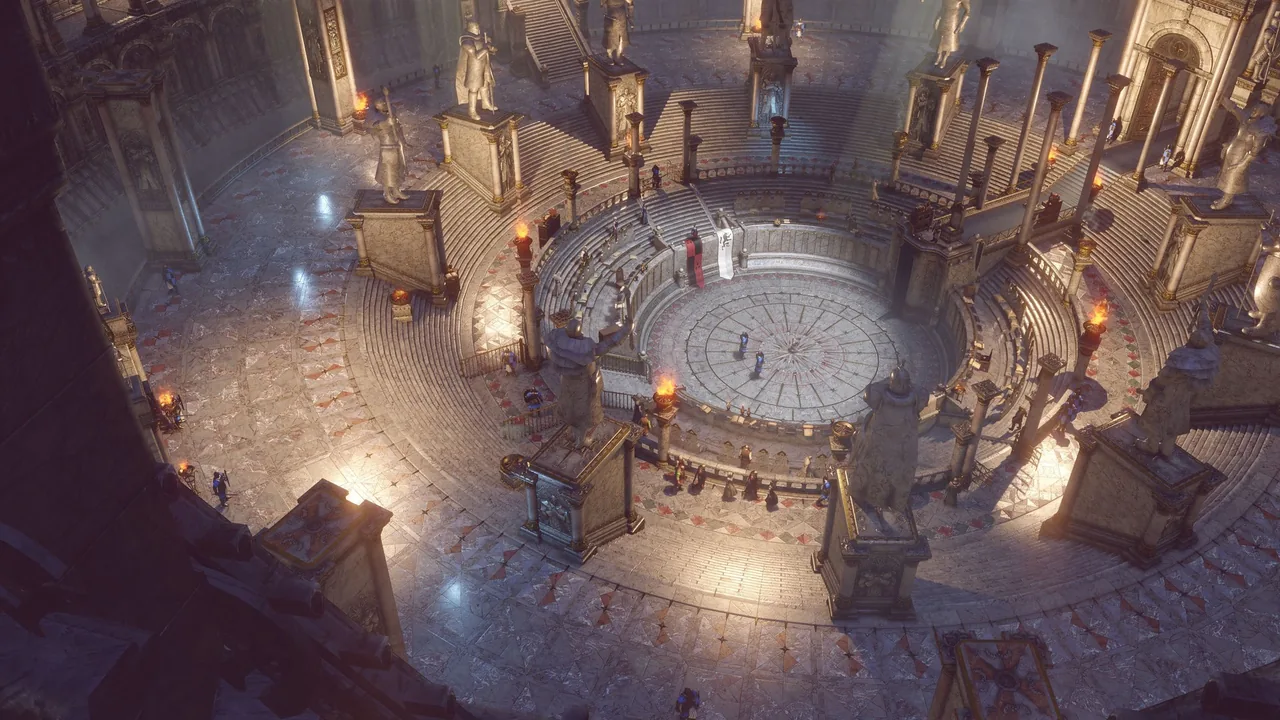
SpellForce 3 ReforcedImage: THQ Nordic via Steam -
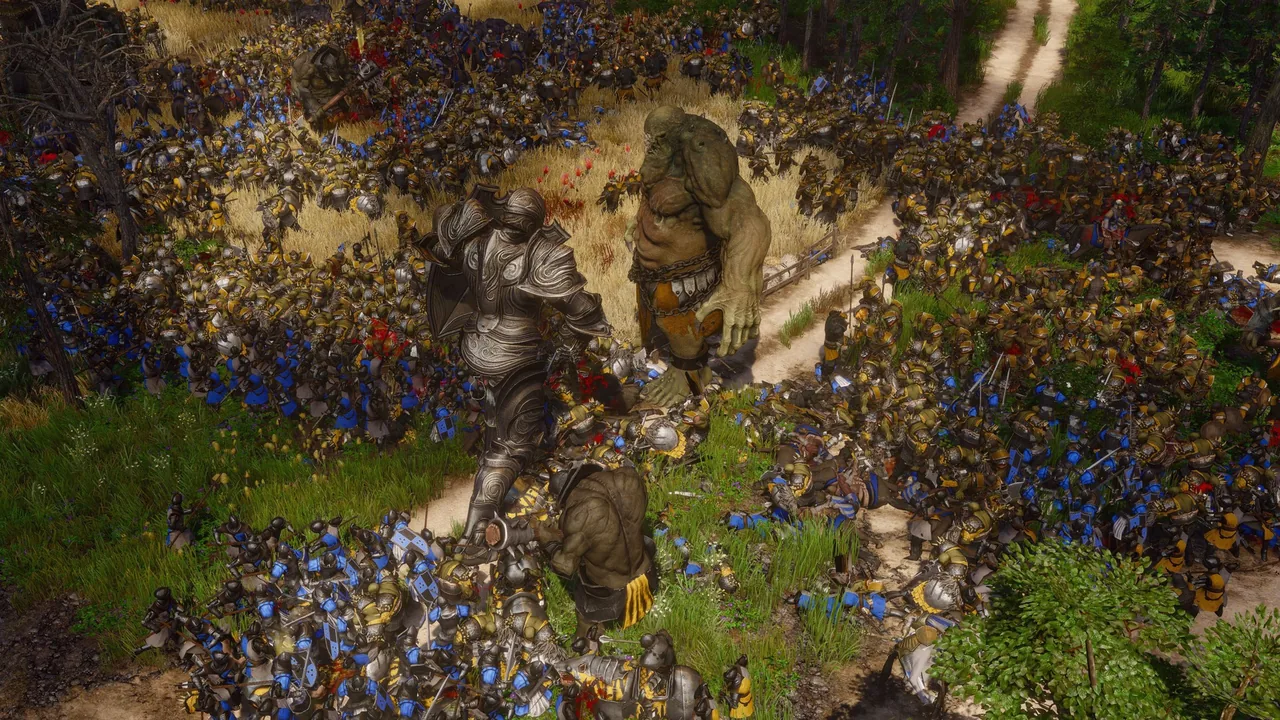
SpellForce 3 ReforcedImage: THQ Nordic via Steam -
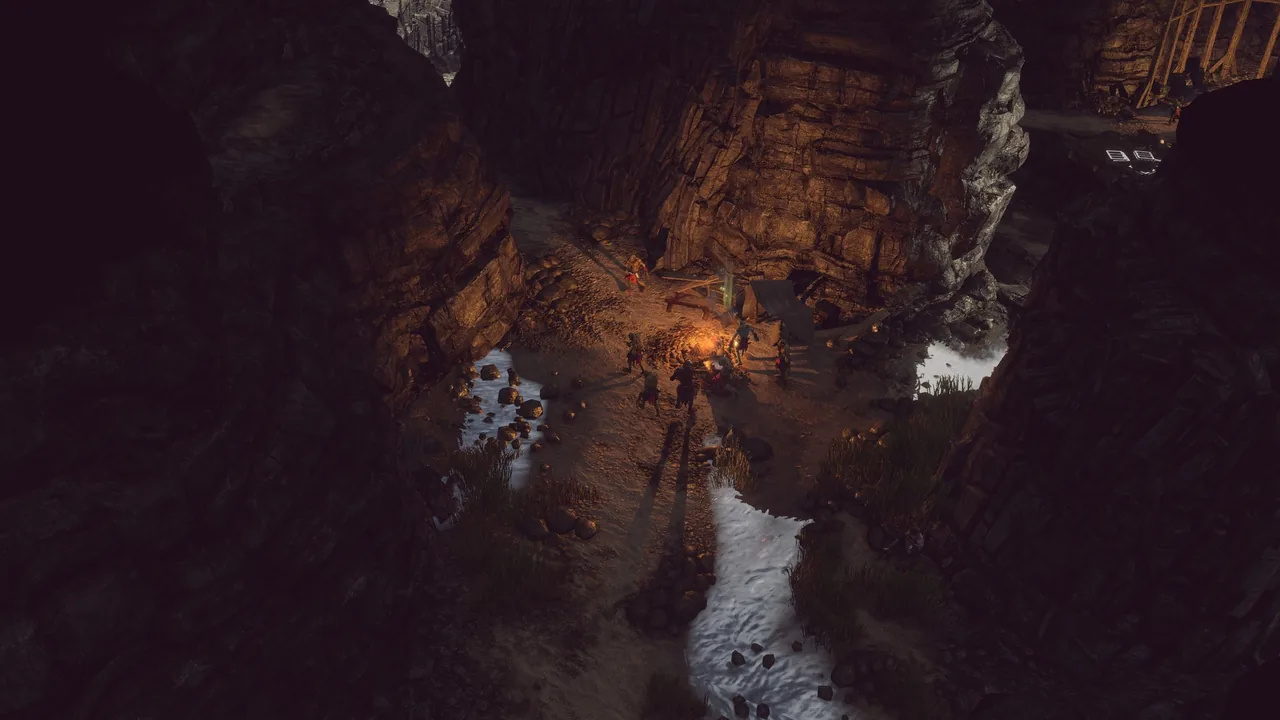
SpellForce 3 ReforcedImage: THQ Nordic via Steam -
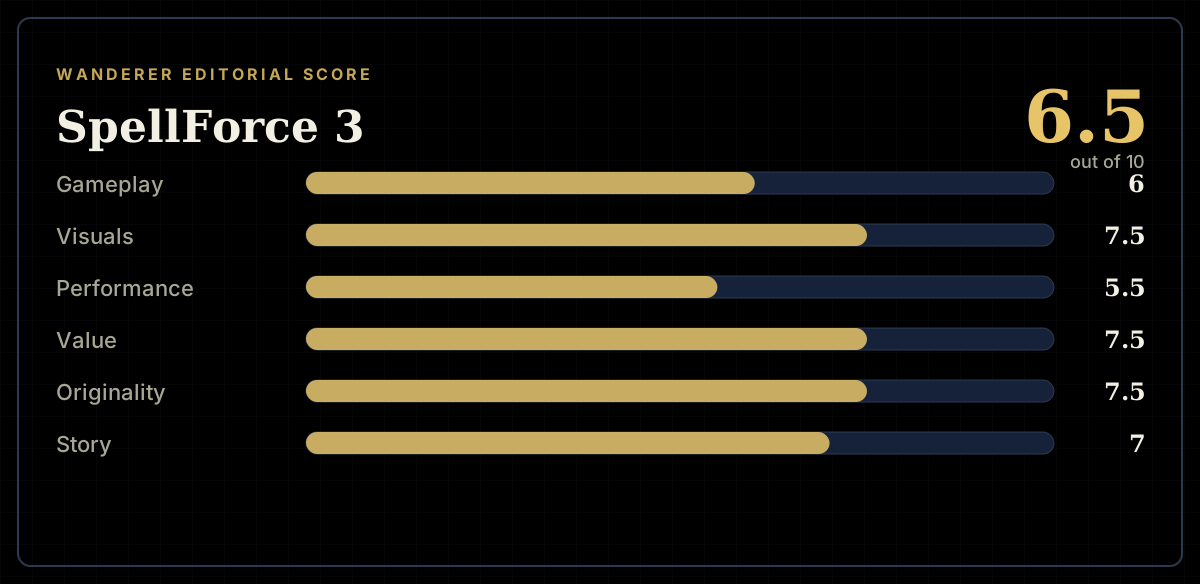
How the review scores each part of the gameWanderer Editorial -
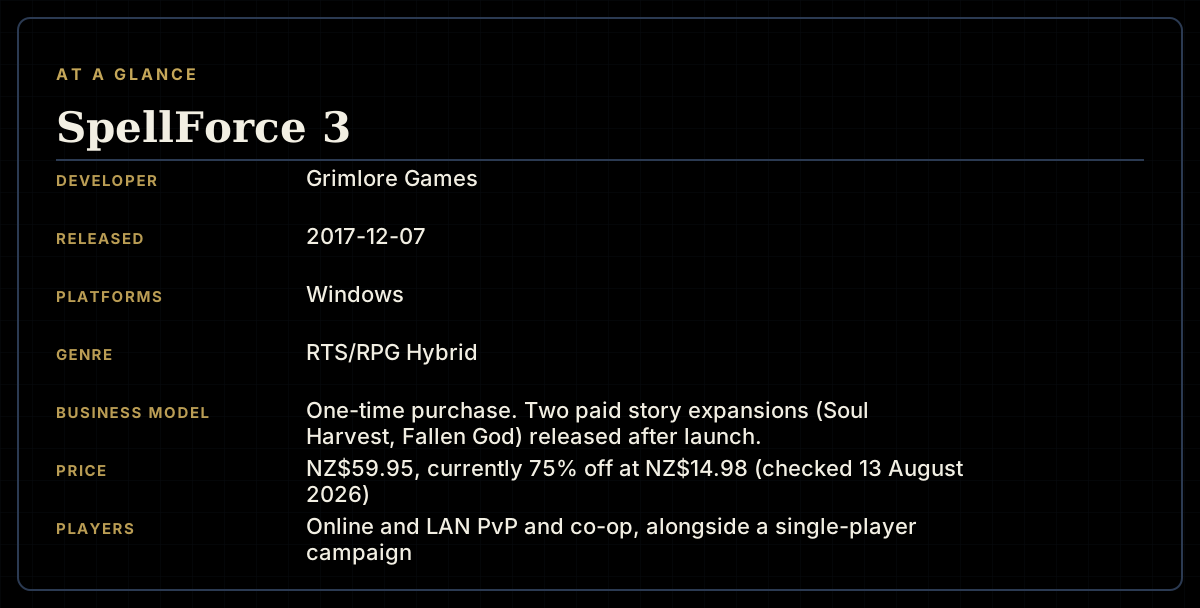
SpellForce 3 at a glanceWanderer Editorial -
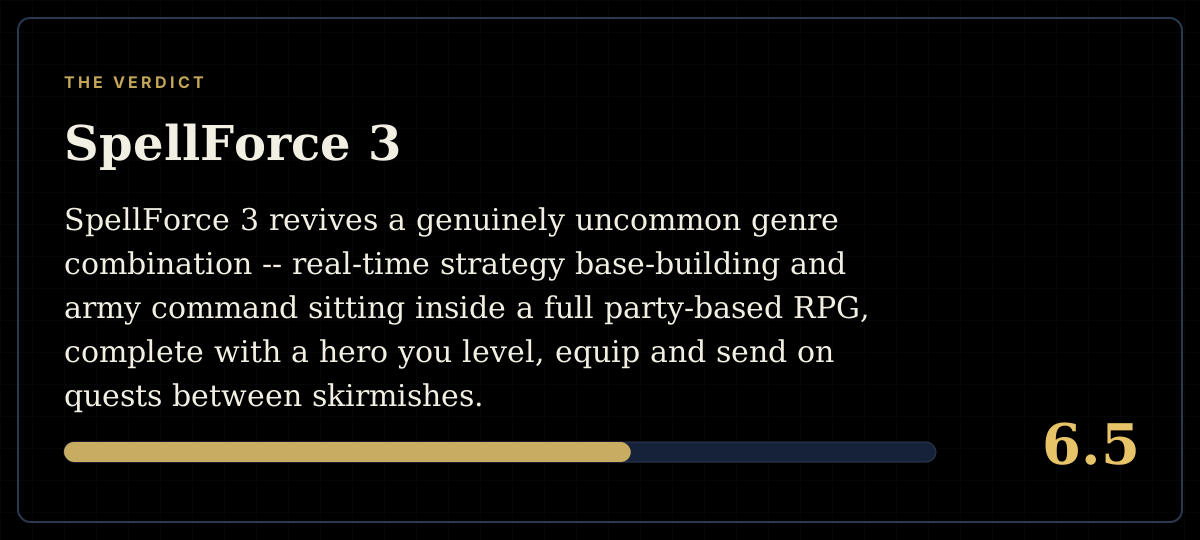
The short versionWanderer Editorial