Game review
Dispatch
8.5 / 10
- Developer
- AdHoc Studio
- Publisher
- AdHoc Studio
- Released
- 22 October 2025
- Platforms
- Windows, PlayStation 5, Nintendo Switch
- Genre
- Narrative Adventure
- Monetisation
- One-time purchase, plus an optional Digital Deluxe Edition upgrade and a soundtrack. No in-game purchases.
- Players
- Single-player only
The short version
Dispatch is a superhero workplace comedy about being the person on the radio rather than the person in the suit, and it is very funny, extremely well performed, and written by people who clearly learned everything Telltale knew and then went and did it properly. It won Outstanding Story-Rich Game at the 2025 Steam Awards on player votes, took a BAFTA after nine nominations, and sold four million copies.
Read its negative reviews and something odd emerges: nearly half were written in the first six weeks, and most are about the weekly episodic release rather than the game. That schedule is over. What remains is a fair criticism that the strategy layer is thin, that "choices matter" is doing more work in the marketing than in the branching, and that ten hours is short at this price.
Biggest strengths
- Genuinely funny writing with timing and delivery that almost no game manages
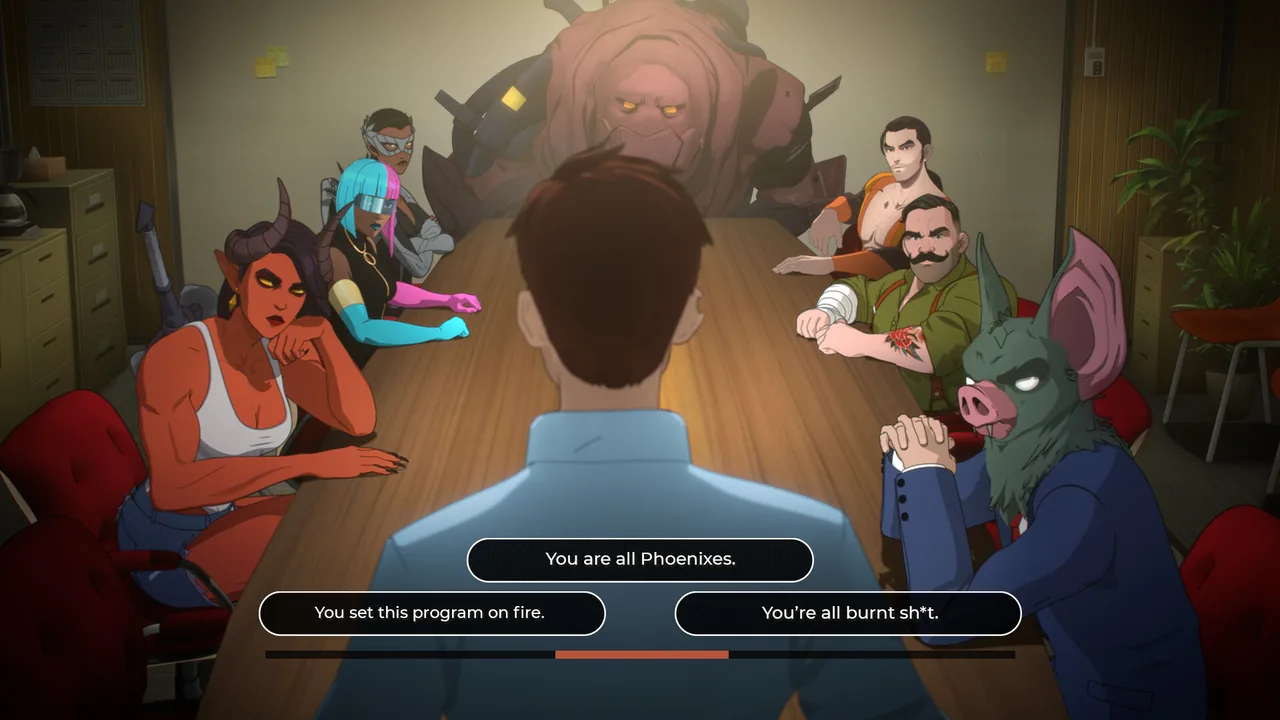
- Voice performances are the standout, carrying a large ensemble of misfit ex-villains
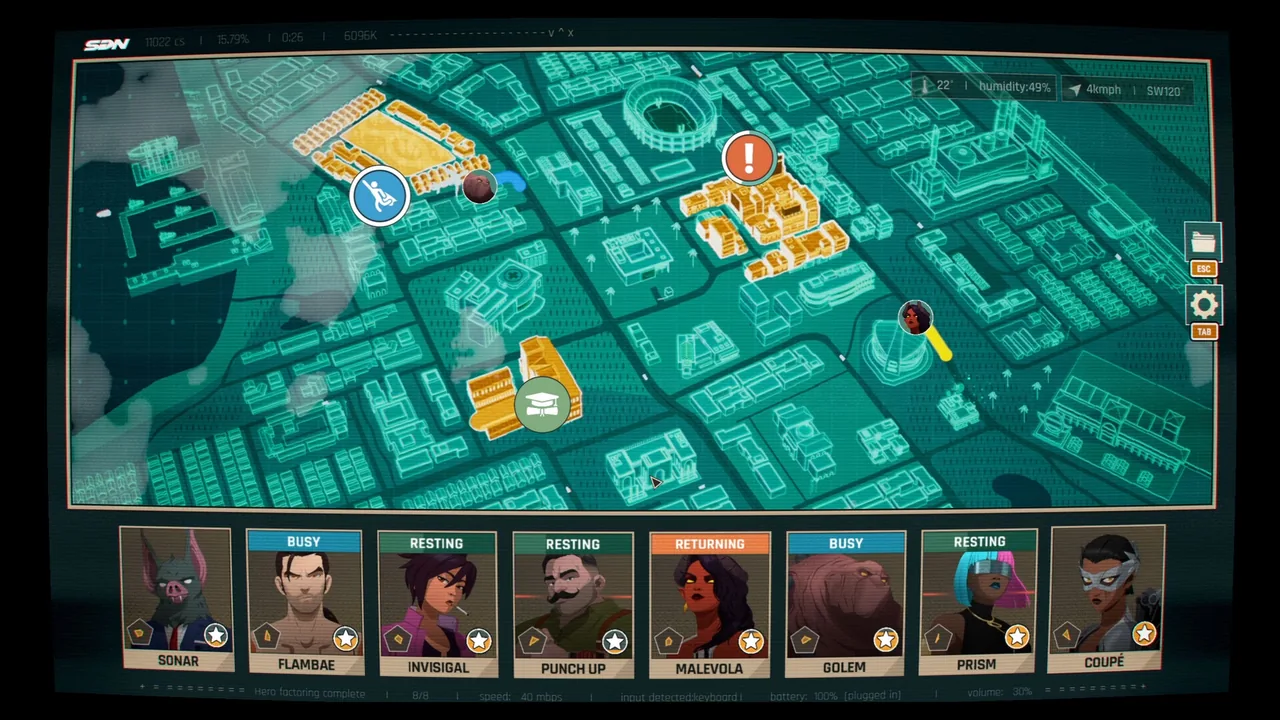
- The dispatch board gives narrative choice a physical form — deciding who to send where has real character consequences
Biggest weaknesses
- The management layer is shallow, and doing it well rarely changes much
- Multiple reviewers argue the choices don't meaningfully branch and there are no fail states
- Around ten hours for NZ$43.59 is steep, and there's no discount yet
Who it's for: Anyone who misses The Wolf Among Us or Tales from the Borderlands and wants a modern, sharper version made by the same people. Not for players who need mechanical depth — the game part is the lightest thing here.
Our recommendation: Buy it, ideally knowing it's a ten-hour interactive comedy-drama rather than a management game with a story attached. Everyone now gets all episodes at once, which removes the single biggest complaint in its review history.
8.5 / 10
You are Robert Robertson. You used to be Mecha Man. Your suit is scrap, your nemesis is at large, and you now sit in a dispatch centre in Los Angeles deciding which reformed supervillain to send to a bank robbery, while managing a breakroom full of people who very recently tried to destroy the city.
That premise is the whole pitch, and it works because the people who wrote it wrote The Wolf Among Us and Tales from the Borderlands. Dispatch is the choice-driven narrative game done by the team that got best at it, freed from the studio that ran the format into the ground — and the vindication has been total. Four million copies. Outstanding Story-Rich Game at the 2025 Steam Awards, voted by players. Nine BAFTA nominations and a win. 97.5% positive across 181,617 reviews, which is about as close to consensus as a game of this size gets.
So the interesting job here isn't establishing that it's good. It's working out what the 2.5% are saying, and whether it still applies.
Nearly half the complaints are about a schedule that ended
Sort the hundred most-helpful English negative reviews by date and the shape is unmistakable: 24 were posted in October 2025 and 23 in November. Almost half the entire critical corpus arrived in the first six weeks, and the dominant subject is not the writing, the characters or the game — it's the release model.
Dispatch launched episodically, two episodes a week. Players hated it with a specificity that's almost funny in hindsight. "The game is time gated badly, it makes no sense, the full game is done, they are just choosing to release it 'episodically'," reads the most-upvoted negative review. Another put the fairness problem plainly: "The decision to make early adopters of your game have a worse experience, for presumably the sake of 'being more like a real TV show' is awful. It's a game. Just make it a game." A third finished the two available episodes in two hours and had to stop.
Every one of those reviews is now describing a condition that no longer exists. Buy Dispatch today and you get the whole series immediately. If you're reading the store page and weighing that yellow cluster of criticism, understand that roughly half of it evaporated the moment the last episode shipped — which is a genuinely unusual thing to be able to say about a review score.
What's left is real, and worth knowing
The rest divides into three arguments.
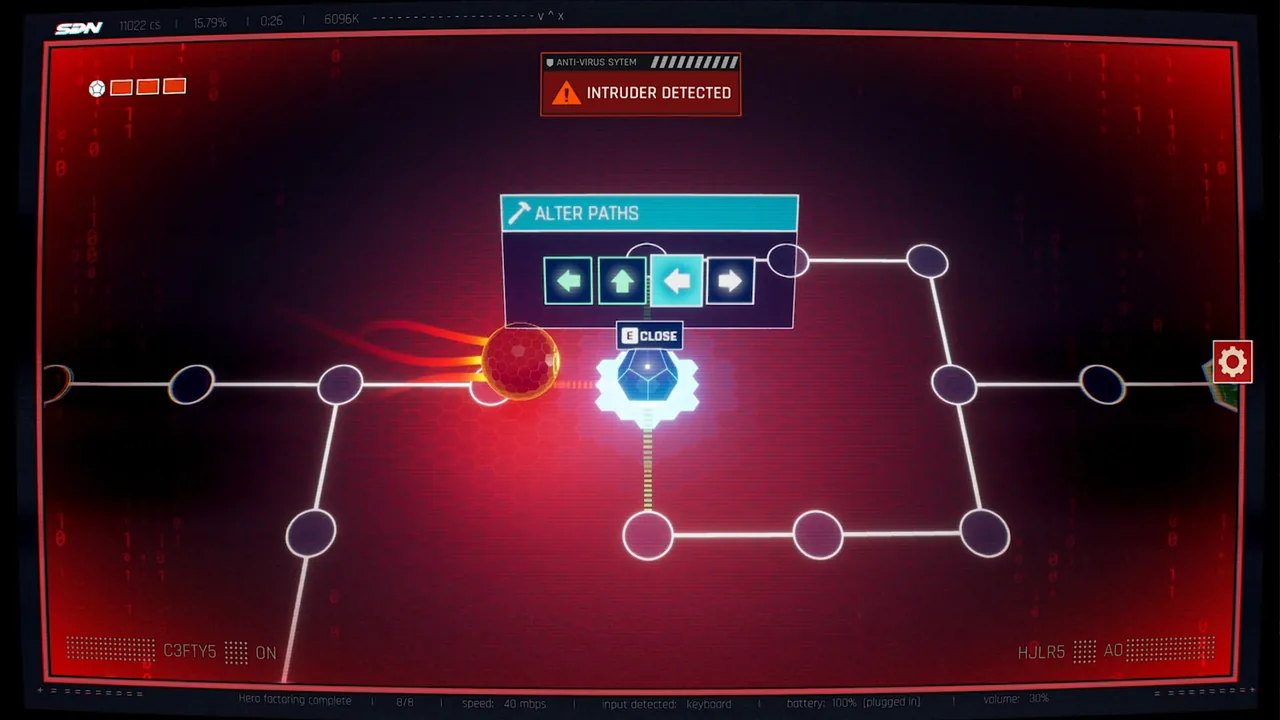
The game part is thin. You have a strategy map, hero cards, and emergencies to assign people to, and it's charming — but as a system it's slight, and several reviewers note that performing well rarely changes much. "The management minigame is very shallow, and it usually doesn't matter how well you do," writes one. That's accurate. The dispatch board is best understood as a way of turning character knowledge into a decision — you send the arsonist to the fire because you know what she's like, not because the numbers say so — rather than as a management game in its own right.
"Choices matter" is generous. 58 of the hundred negatives mention choice, and the recurring finding is that there are no fail states and limited real branching. For a genre built on the phrase, that's the criticism that stings, and it's the one Telltale games always attracted too. Dispatch is better at consequence than most — relationships shift, allegiances move — but if you're expecting your decisions to reshape the plot, calibrate down.
It's short for the money. The median playtime among recent reviewers is 10.6 hours, and among critical ones 9.3. At NZ$43.59 with no discount yet, that's a real consideration, and reviewers who otherwise loved it say so: "I love this game I truly do but damn is it short."
The writing criticism that keeps recurring
One thread deserves separating out because it appears repeatedly with heavy support, and it's about the script rather than the structure.
Multiple reviewers, including ones with 400-plus helpful votes, argue that the game effectively penalises the player for declining a particular romance — and that the character in question is written behaving toward the protagonist in ways they describe as sustained harassment, with the dialogue offering no way to firmly reject it. "'Choices matter,' and yet I can't even reject my subordinate who continuously sexually harasses the MC despite being rebuffed," reads one.
I'd take that seriously rather than filing it under taste. It's a coherent objection from players who otherwise like the game, and it points at a specific design failure: if a narrative punishes the option it also frames as the reasonable one, the choice architecture is working against the writing. Whether it spoils the game is personal. That it recurs, unprompted, across many reviews is a fact about the reception.
There's also an accessibility complaint worth flagging: dialogue choices are timed, with no option to slow or pause them, which one reviewer describes as making the game unplayable to share with a dyslexic partner. The store now advertises adjustable text size, subtitle options and colour alternatives, so the studio is clearly thinking about this, but timed input remains the barrier people name.
Still being looked after
AdHoc have kept working. Bug fixes for episodes five and six through early 2026, quality-of-life passes, and a steady localisation programme adding Spanish LATAM, Turkish, Thai, Polish and Ukrainian as recently as July 2026. In June 2026 they added optional visual censorship filters, with uncensored remaining the default — a response, it seems, to platform-holder differences that had made news earlier in the year.
That's a small studio treating a finished game as something to maintain rather than move on from, and it's part of why the recent sentiment is holding at 95 of the last 100 English reviews positive.
The verdict
Dispatch earns an 8.5. As writing and performance it's a 9-plus — the funniest game of its year, an ensemble that lands, and the clearest proof available that the choice-driven narrative adventure was never a dead format, just a badly managed one. If you have any affection for what Telltale did at its best, this is the thing you've been waiting for.
It sits below a 9 because the game around the story is slight. The dispatch board is a lovely framing device and a thin system; the choices branch less than the genre's promise implies; and ten hours at full price is a real ask when nothing is discounted yet. Those are the same criticisms the format has always attracted, and Dispatch answers them better than its ancestors did without answering them fully.
Buy it for the writing, play it in two evenings, and ignore the launch-window reviews complaining about waiting for episodes — that problem solved itself. If you want the other end of the spectrum, where a story-led game also has a deep system underneath it, Clair Obscur: Expedition 33 is the obvious companion, and the two are even sold together in a bundle.
Pros and cons
Pros
- Genuinely funny writing with timing and delivery that almost no game manages
- Voice performances are the standout, carrying a large ensemble of misfit ex-villains
- The dispatch board gives narrative choice a physical form — deciding who to send where has real character consequences
- A confident revival of a format everyone had written off, and complete at release rather than cancelled halfway
- Still supported nine months on, with localisation and quality-of-life patches into July 2026
Cons
- The management layer is shallow, and doing it well rarely changes much
- Multiple reviewers argue the choices don't meaningfully branch and there are no fail states
- Around ten hours for NZ$43.59 is steep, and there's no discount yet
- A recurring criticism that the story penalises declining one particular romance, with a character whose behaviour toward the protagonist reads as harassment
- Timed dialogue with no way to extend it locks out slower readers, a complaint raised with real specificity
Screenshots
-
DispatchImage: AdHoc Studio via Steam -
DispatchImage: AdHoc Studio via Steam -
DispatchImage: AdHoc Studio via Steam -
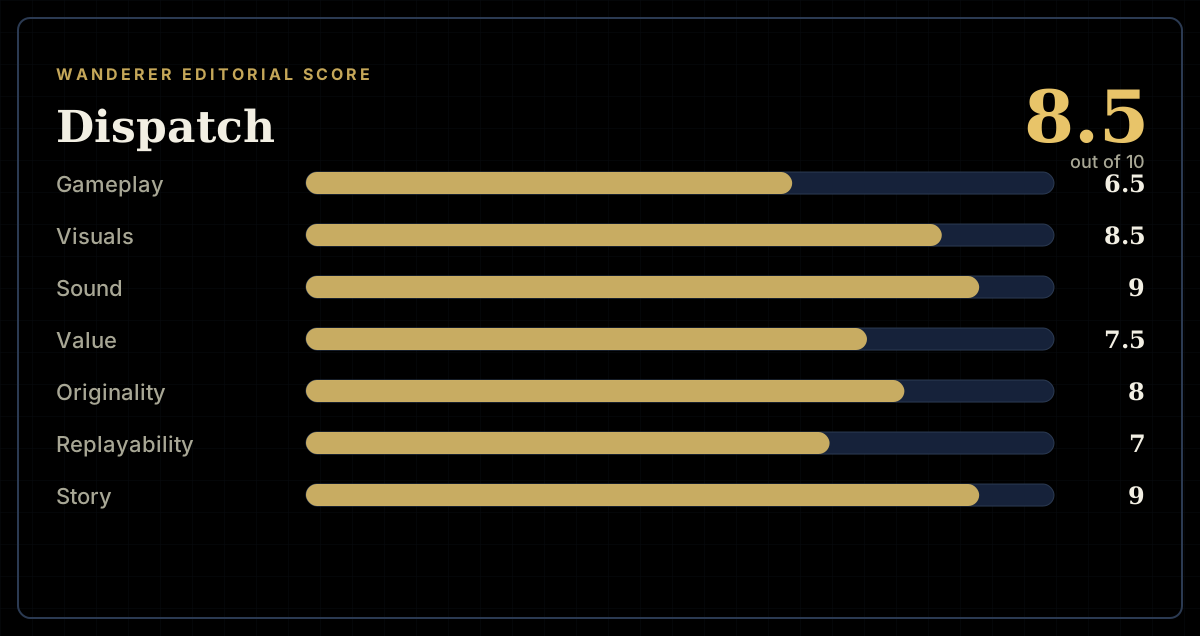
How the review scores each part of the gameWanderer Editorial -
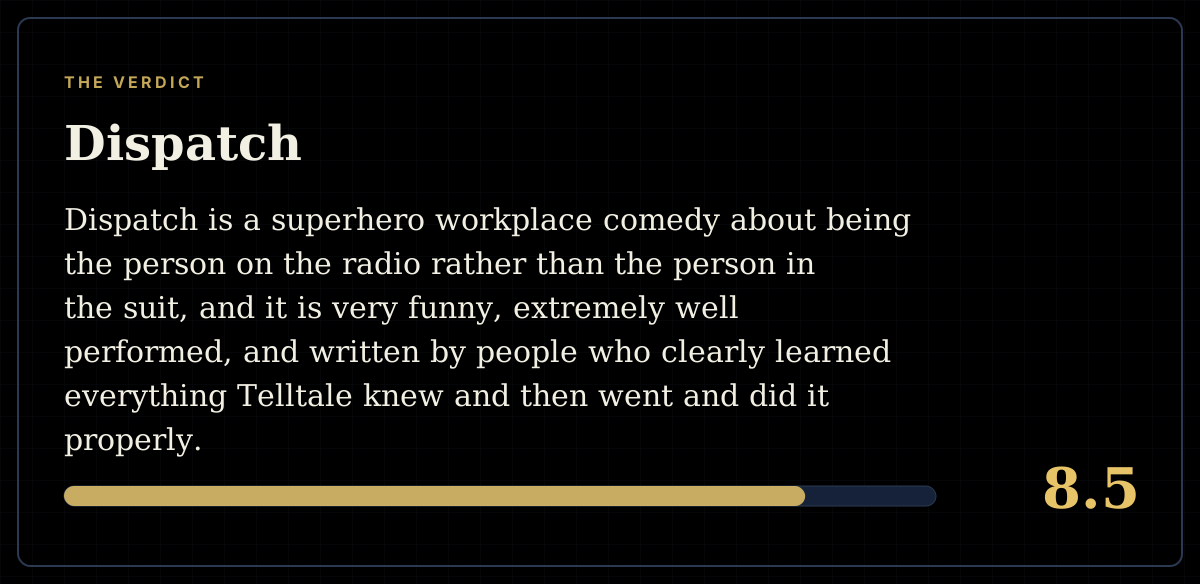
The short versionWanderer Editorial