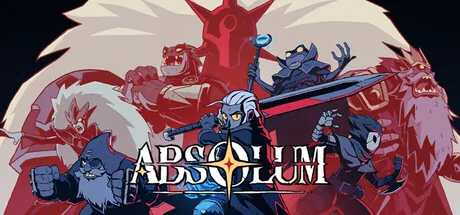
Game review
Absolum
8 / 10
- Developer
- Dotemu, Guard Crush Games, Supamonks
- Publisher
- Dotemu, Gamirror Games
- Released
- 9 October 2025
- Platforms
- Windows, PlayStation 4, PlayStation 5, Nintendo Switch
- Genre
- Roguelite Beat 'Em Up RPG
- Monetisation
- One-time purchase. No microtransactions found in the store listing or reviews.
- Players
- Local and online co-op for up to four players, alongside single-player.
The short version
Absolum fuses the beat 'em up -- the genre Dotemu and Guard Crush Games revived with Streets of Rage 4 -- with Hades-style roguelite run structure, and it landed as one of 2025's most acclaimed indies for doing it: Metacritic 87, Very Positive on Steam at 93.6% of 4,568 reviews, and several outlets (Game Informer, Inverse, GameSpot) scoring it 9/10. The four playable heroes of Talamh each control like a distinct fighting-game archetype rather than a reskin, wrapped in hand-drawn art that draws close to universal praise.
The negative sample surfaces two real, specific problems rather than a scattershot list: multiplayer stability, with several detailed reports of crashes and dropped co-op sessions (including one game-breaking bug on a specific late boss that made runs literally unwinnable), and a smaller but articulate group of players who find the run-to-run structure and elemental upgrade trees derivative of Hades without adding enough of their own idea to justify the comparison -- "we have Hades at home," as one puts it.
Biggest strengths
- Combat that critics and players independently compare to the genre high bar of Streets of Rage 4 while adding real roguelite depth -- distinct character movesets, meaningful build choices, and combos that stay satisfying across dozens of hours by multiple accounts
- Hand-drawn art, character design and animation that draw close to universal praise, even from reviewers otherwise critical of the game's systems
- Genuine narrative ambition for the genre -- worldbuilding, unfolding story threads across runs and characters several reviewers describe as unexpectedly heartfelt for a beat 'em up
Biggest weaknesses
- Multiplayer stability is a real, repeated complaint -- crashes dropping one player mid-run, and at least one specific late-game boss (the Interloper) reported by multiple reviewers to stop taking damage entirely, making an otherwise-winnable run permanently unwinnable
- A vocal minority of detailed negative reviews argue the elemental upgrade trees and meta-progression loop lean too directly on Hades' template without enough of a distinct idea of their own, undercutting build variety once players learn the system
- Single-player difficulty tuning draws specific complaints -- enemies mobbing aggressively, non-omnidirectional parrying, and RNG-heavy elite encounters that several reviewers say feel unfair rather than challenging
Who it's for: Beat 'em up fans who never got a genre-defining roguelite, Hades players looking for a fresh combat feel, and co-op pairs (including parent-and-child pairs, by several reviewers' account) wanting something with real depth to return to. Less essential for players who've already run Hades or Hades II to the ground and want something structurally different rather than a new coat of paint on familiar bones.
Our recommendation: One of 2025's stronger genre releases and worth the NZ$35.99 for beat 'em up or roguelite fans on the strength of its combat and presentation alone -- just be aware co-op stability has real, documented problems reviewers are still hitting, and check for a stability patch before committing to a long online run with a friend.
8 / 10
Beat 'em ups and roguelites are, on paper, an obvious combination -- waves of enemies, a run structure, permanent unlocks between attempts -- and yet almost nobody had actually married the two at scale before Absolum, released on 9 October 2025 by Dotemu and Guard Crush Games, the studio behind 2020's Streets of Rage 4. The result landed about as well as a genre-fusion indie can: Metacritic 87, Very Positive on Steam at 93.6% across 4,568 reviews, 9/10 scores from Game Informer, Inverse and GameSpot, and enough players naming it a personal Game of the Year that it's worth taking seriously as one of 2025's real indie highlights -- alongside a real, specific, well-documented multiplayer stability problem this review isn't going to paper over.
Talamh, and four heroes who actually feel different
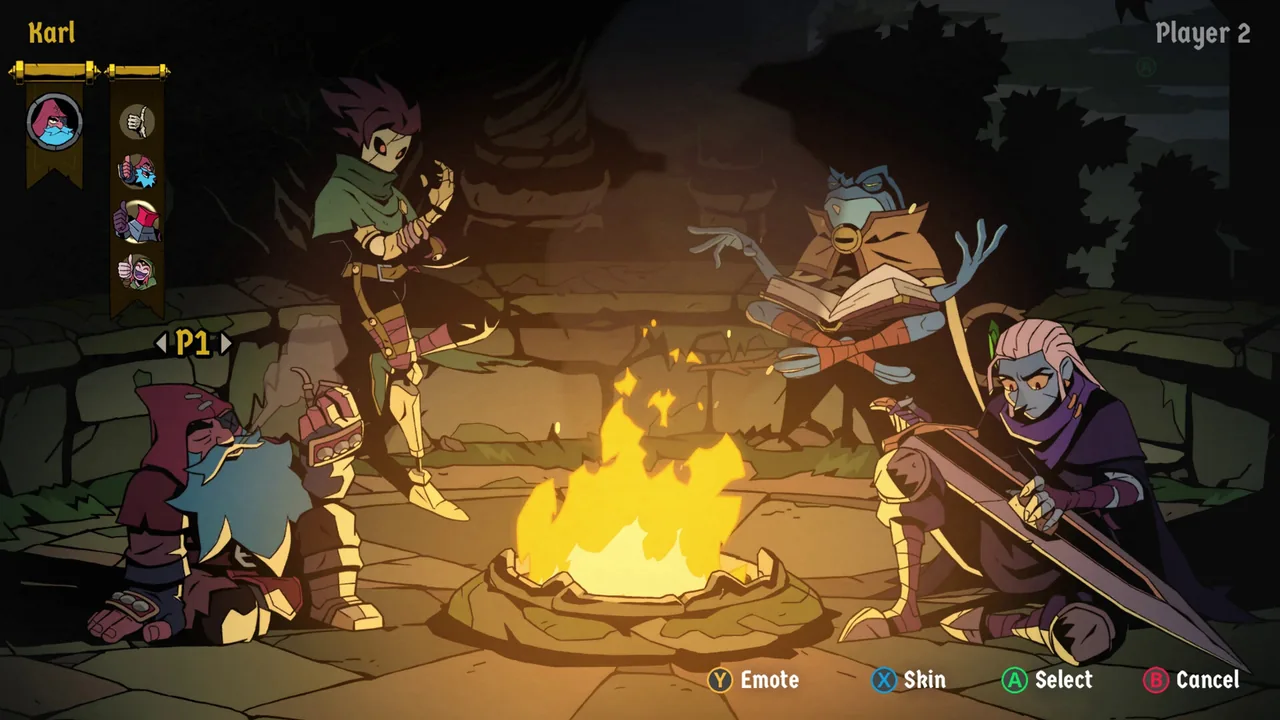
Absolum drops you into Talamh, a fantasy world where Sun King Azra has seized magic for himself, and hands you one of four playable outcast heroes to take it back. What separates it immediately from a re-skinned brawler is how distinct those four actually control -- reviewers repeatedly describe them less as palette swaps and more as different fighting-game archetypes stitched into a beat 'em up frame, each with its own combo language and pacing. "Playable characters have very different playstyles, you can do some cool combos," reads one review that is otherwise critical of the game's structure -- a useful signal, because even players unconvinced by Absolum's meta-progression consistently credit the moment-to-moment combat.
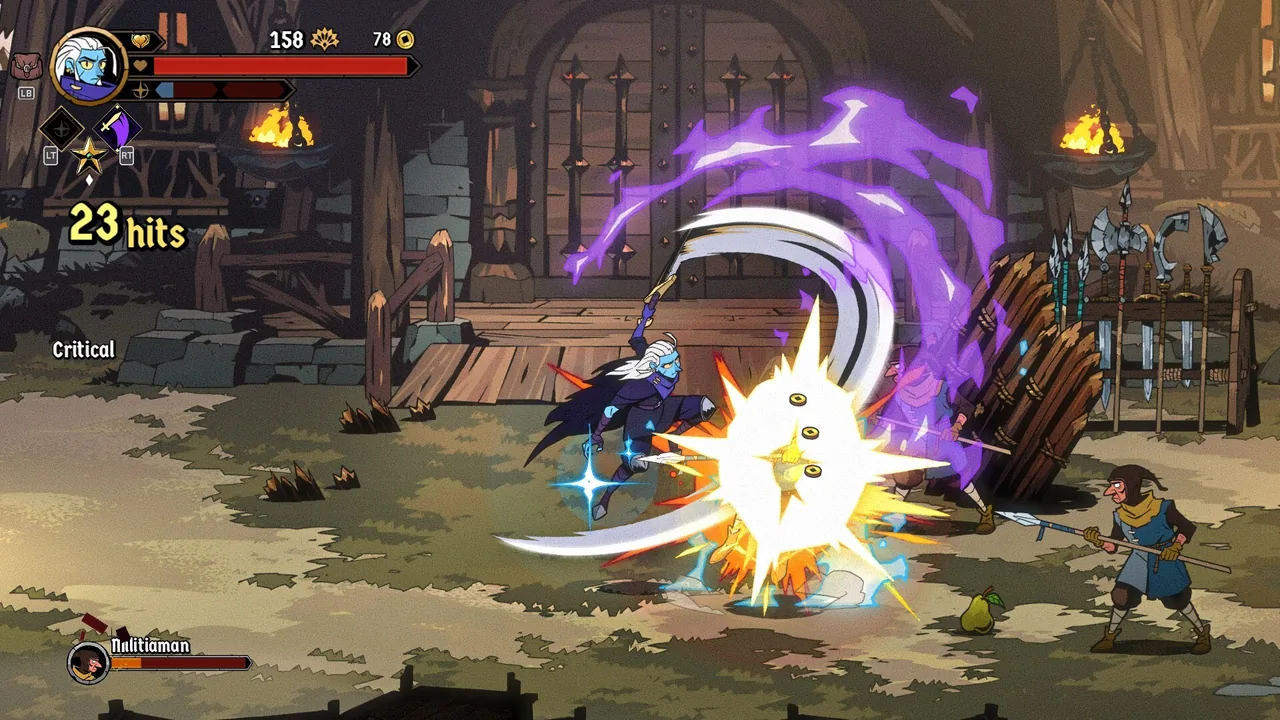
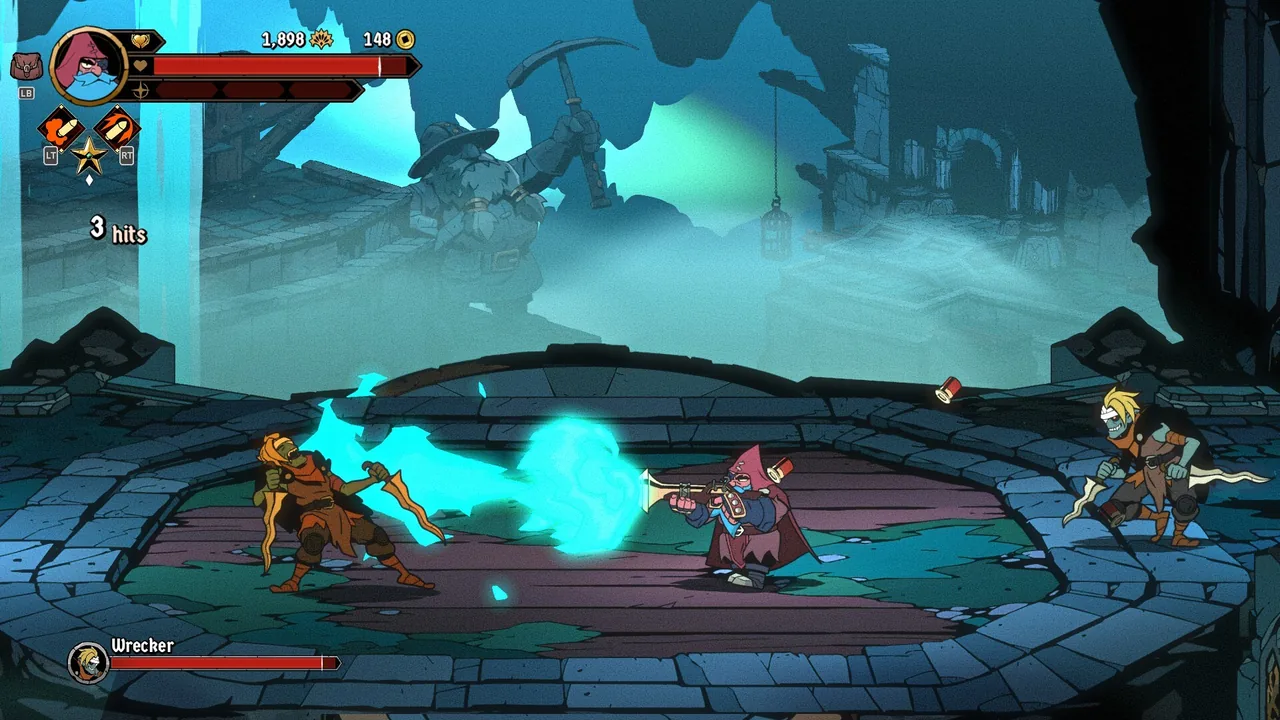
That combat draws the most direct comparisons in the review corpus to Streets of Rage 4, the genre's modern high-water mark and, not coincidentally, also a Guard Crush Games credit. "The combat system is instantly satisfying, with combo mechanics that feel similar to Streets of Rage 4," reads one detailed 4,779-minute review. Another calls it "the biggest thing for beat 'em ups since Streets of Rage 4 single-handedly brought them back," a framing echoed across several of the outlet reviews surfaced in research for this piece.
The art carries even the reviewers who bounce off everything else
If there's one element of Absolum that draws close to unanimous praise, it's the presentation. The hand-drawn art, character design and animation come up in nearly every review this piece read, positive or negative -- "beautiful art, good voice acting," concedes one negative review before detailing its other complaints; "its beautiful hand drawn style combined with what will I'm sure be one of, if not the best" soundtracks of the year, reads a glowing one. Several reviewers describe genuinely being won over on a genre they didn't expect to like specifically because of how the game looks and sounds in motion -- "I went from thinking: beat em ups are boring > Absolum is not for me > Absolum is fun > 100% the game," reads one, crediting the game with "gently altering my gamer spirit." That's an unusually strong, consistent signal for presentation specifically, independent of how any individual reviewer felt about the systems underneath it.
Real narrative ambition, unusual for the genre
Beat 'em ups have traditionally treated story as scaffolding between fight scenes. Absolum tries for more, weaving unfolding narrative threads across characters and repeat runs rather than a flat save-the-world plot, and multiple reviewers single this out as a pleasant surprise: "what I got was surprisingly heart felt," reads one, describing a straightforward "evil guy is slowly killing the land" premise that develops more texture than expected as runs accumulate. It's not universal praise -- outside coverage flagged for this review notes the narrative "struggles to match the grandeur of its worldbuilding" for some critics -- but it's a genuine attempt at something the genre rarely bothers with, and it lands for a clear majority of the people who wrote about it.
The real problem: multiplayer stability
Set combat and presentation aside and the negative sample converges hard on one recurring, specific, technical complaint: co-op sessions crashing and dropping players. "The game crashing on multiplayer together almost every single time," reads one review from a couple who otherwise loved the game enough to finish it once already. "Multiplayer doesnt work most of the time," reads another, "and the interloper boss has ruined two runs. The boss stops losing health making the run unwinnable" -- a specific, game-breaking bug on a named late-game encounter, independently corroborated by the shape of a second review describing crashes "on the final boss of the game on two different hour-long playthroughs, and having no way to recover the lost games." For a game whose co-op is one of its most consistently praised features -- multiple reviewers describe warm, memorable sessions with partners and even children -- these are not minor annoyances. They're the single most repeated, most specific complaint in the entire negative sample, and worth checking current patch notes for before committing a co-op weekend to it.
"We have Hades at home"
The second real fault line in Absolum's reception is about its bones rather than its bugs. A meaningful minority of detailed reviews argue the run structure and elemental upgrade system lean too heavily on Hades' template without contributing enough that's genuinely new. "'We have Hades at home'," one review opens, bluntly, before crediting the game's art, voice acting and character variety and still landing on a thumbs-down over the progression loop specifically. Another describes the game as devolving into "'1 punch, 10 different explosions' once you unlock some of the latter elemental upgrade trees," arguing the colour-coded damage system is "as uninspired as in Hades" and rarely pushes a genuinely different playstyle. It's a fair critique of a specific system, not a rejection of the whole game -- most of the reviewers making this argument still praise the combat feel and presentation in the same breath -- but it's a real ceiling on how far Absolum's roguelite half innovates versus how far its beat 'em up half does.
A smaller, related complaint concerns single-player-specific balance: enemies "mob up around you," parrying isn't omnidirectional, and elite encounters lean on RNG in ways a few reviewers say feel unfair rather than hard. This reads as the sharper edge of a design built with co-op very much in mind, where the difficulty math assumes more bodies on screen to spread aggro.
Verdict
8.0 out of 10. Absolum earns its acclaim -- Metacritic 87, 93.6% positive on Steam, and a chorus of players naming it a genuine Game of the Year contender in a year stacked with much bigger releases -- on the strength of combat that stands comfortably next to Streets of Rage 4, hand-drawn presentation that wins over even its critics, and a real, if imperfect, attempt at beat-'em-up storytelling with actual weight. It loses points here specifically for two documented, repeated problems rather than vague reservations: co-op stability that's dropped and corrupted real players' runs, up to and including a specific boss-breaking bug, and a progression system a genuine minority of thoughtful reviewers find too close to Hades' shadow to fully call its own. Neither sinks the game. Both are worth knowing before you buy it -- especially the first, if you're planning to play it the way its biggest fans say it's best played: with someone else in the room.
Pros and cons
Pros
- Combat that critics and players independently compare to the genre high bar of Streets of Rage 4 while adding real roguelite depth -- distinct character movesets, meaningful build choices, and combos that stay satisfying across dozens of hours by multiple accounts
- Hand-drawn art, character design and animation that draw close to universal praise, even from reviewers otherwise critical of the game's systems
- Genuine narrative ambition for the genre -- worldbuilding, unfolding story threads across runs and characters several reviewers describe as unexpectedly heartfelt for a beat 'em up
- Real, substantial co-op -- local and online, up to four players -- that multiple reviewers single out as a highlight, including cross-generational couch co-op accounts
- A confident critical and commercial debut for the genre combo: Metacritic 87, several 9/10 reviews from major outlets, and a number of players naming it a genuine 2025 Game of the Year contender alongside far higher-profile releases
Cons
- Multiplayer stability is a real, repeated complaint -- crashes dropping one player mid-run, and at least one specific late-game boss (the Interloper) reported by multiple reviewers to stop taking damage entirely, making an otherwise-winnable run permanently unwinnable
- A vocal minority of detailed negative reviews argue the elemental upgrade trees and meta-progression loop lean too directly on Hades' template without enough of a distinct idea of their own, undercutting build variety once players learn the system
- Single-player difficulty tuning draws specific complaints -- enemies mobbing aggressively, non-omnidirectional parrying, and RNG-heavy elite encounters that several reviewers say feel unfair rather than challenging
- A hitbox and invincibility-frame roughness that a handful of reviewers describe as "jank," particularly when multiple enemies attack simultaneously
Screenshots
-
AbsolumImage: Dotemu via Steam -
AbsolumImage: Dotemu via Steam -
AbsolumImage: Dotemu via Steam -
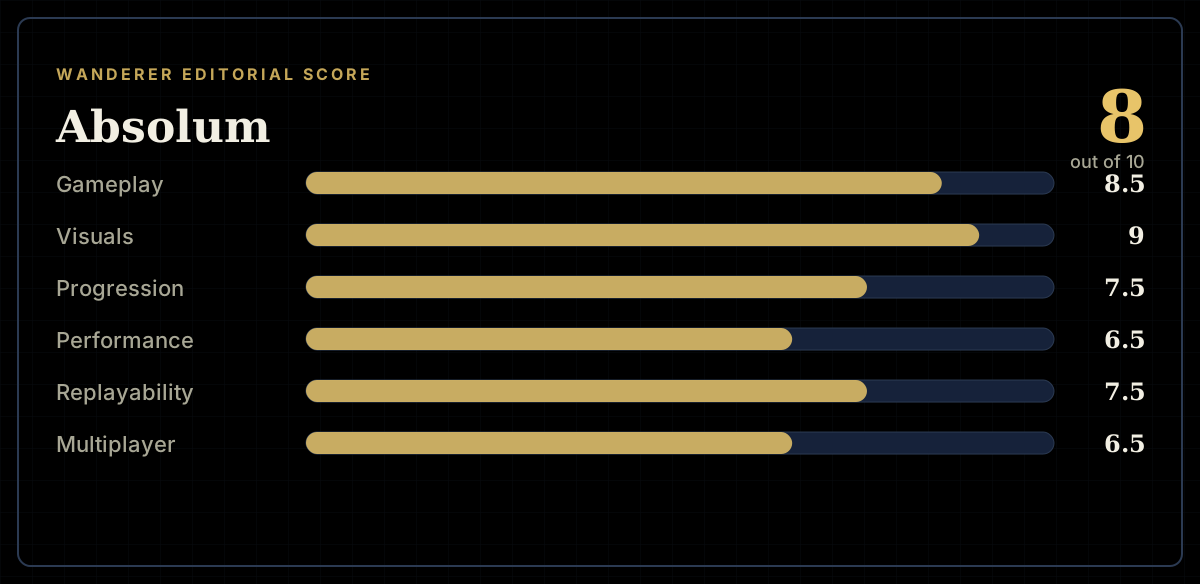
How the review scores each part of the gameWanderer Editorial -
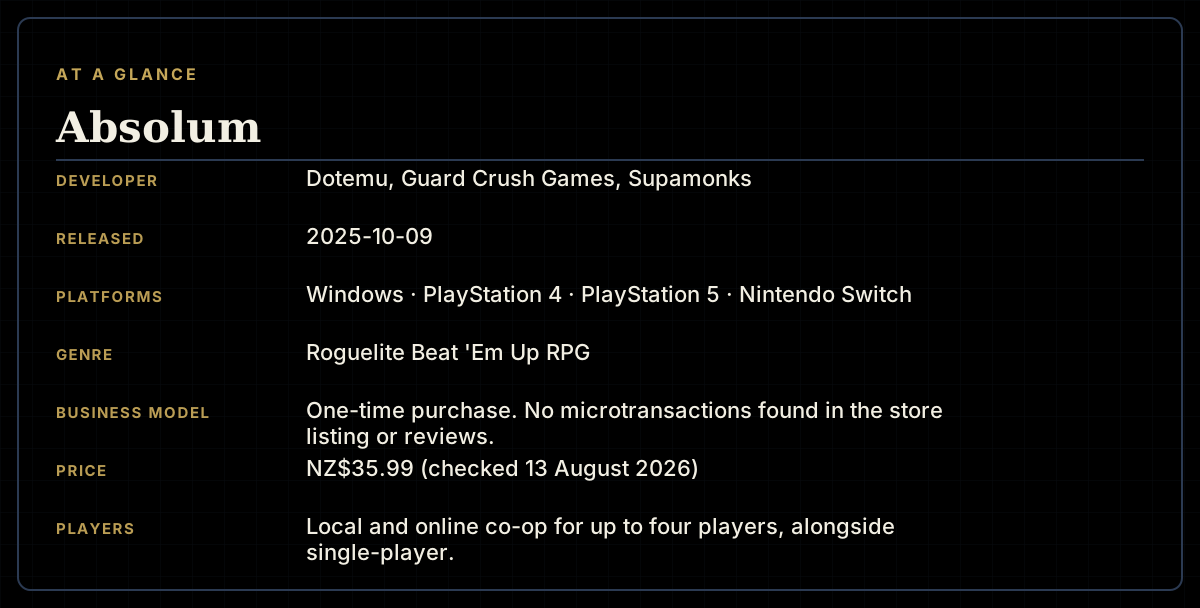
The essentialsWanderer Editorial -
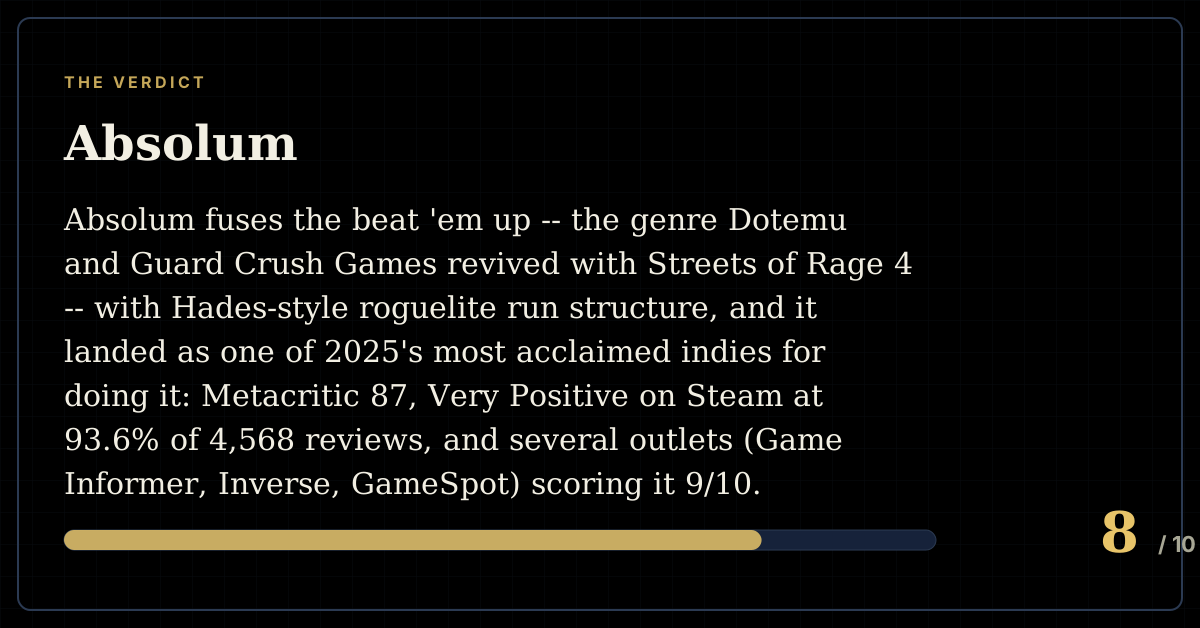
The short versionWanderer Editorial