Songs of Syx
A city builder that abandons the colonist as its unit of decision and manages a population instead — tens of thousands of citizens, an empire beyond the walls, and an interface that makes you earn every bit of that scale.
7.5 / 10
The Wanderer reading room
Idle RPGs, MMOs, browser games and mobile RPGs, taken apart properly. Every review carries a score out of 10, what the game does well, what it does badly, and the kind of player it is actually for.
A city builder that abandons the colonist as its unit of decision and manages a population instead — tens of thousands of citizens, an empire beyond the walls, and an interface that makes you earn every bit of that scale.
7.5 / 10
Eight fully voice-acted BioWare RPGs wearing an MMO's clothing, fifteen years on and still the best argument for that structure the genre has ever produced. Reviewed with Update 7.9 "Legacy Reborn" current and 8.0 on the public test server.
7.5 / 10
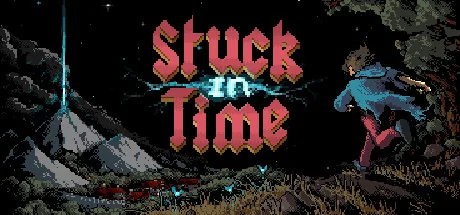
A NZ$10.29 fusion of time-loop adventure and idle incremental that has held a Very Positive Steam rating across four and a half years — not by avoiding friction, but by turning the loop's reset into the exact mechanism that makes idle progression permanent, while never fixing the one interface complaint players have repeated since launch week.
7 / 10
An open-world survival game that strips out weapons almost entirely and replaces them with an oxygen gauge, a sound cue you can't place, and a lot of very dark water. Eight years after full release, it's still the best argument that dread works better than a sword.
9 / 10
A free auto-battler RPG that runs as a tiny window pinned to your taskbar, built on a six-class roster and a stack-nine-to-rank-up loot system — undercut by a storefront that sells two more classes and the extra bag space its own item design is engineered to demand.
6 / 10
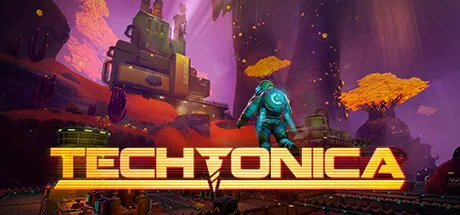
A factory-automation game that puts the camera underground and gives you a gun that deletes stone, so verticality and terrain destruction do real design work instead of being a setting. The idea is stronger than the execution — a convoluted tech tree, a frame rate that sags under a big base, and a developer that's gone quiet since the 1.0 launch hold it back.
6.5 / 10
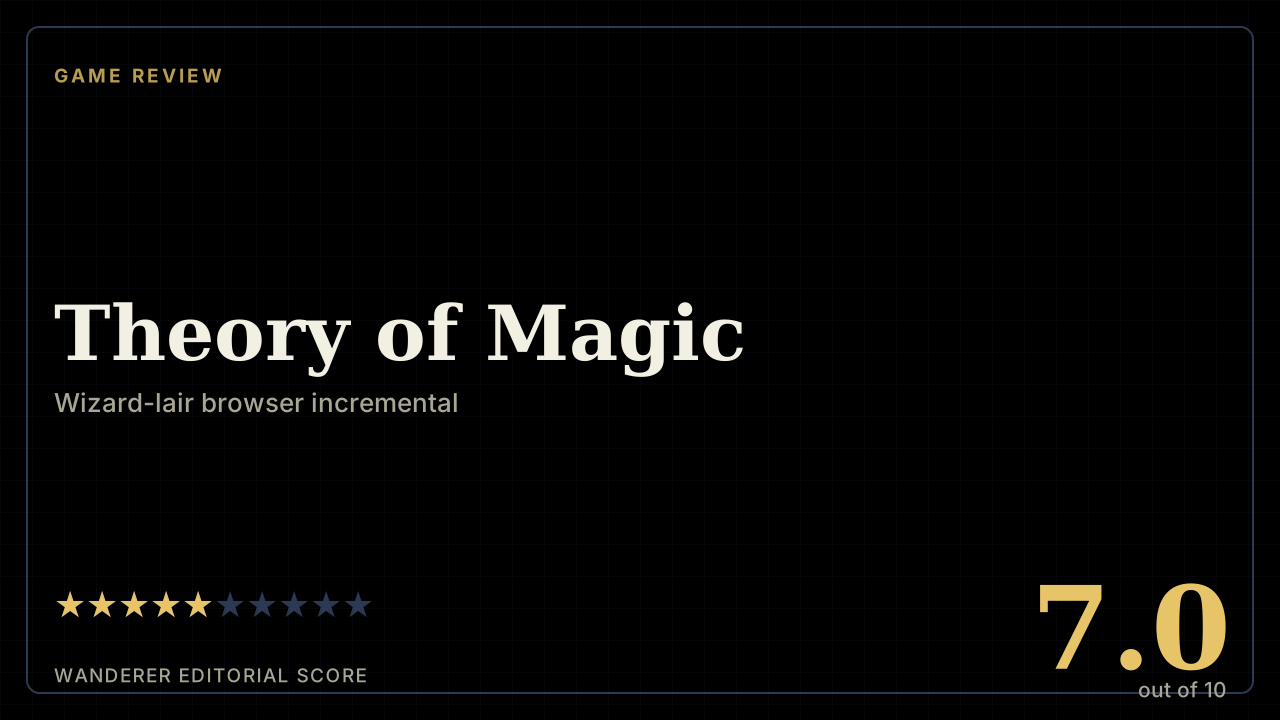
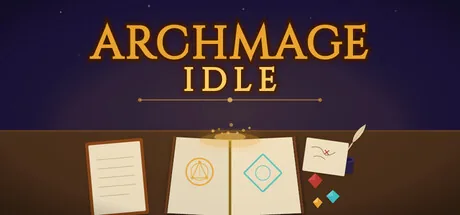
A free browser idle-RPG about running a wizard's lair that quietly became one of the genre's most influential designs, then got left behind by its own creator and kept alive since by a scattered handful of fans.
7 / 10
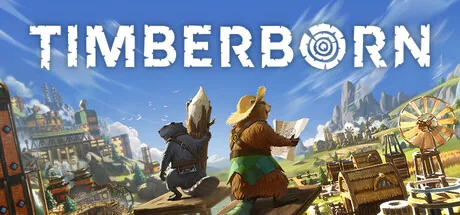
A city builder where the antagonist isn't a raid or a monster roster but a drought timer, and every dam, canal and reservoir you build is really an answer to a scheduling problem. Beavers are the theme; water is the game.
8 / 10
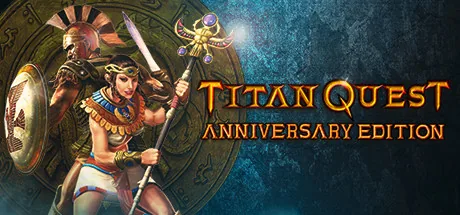
The 2006 Diablo alternative that swapped gothic horror for Greek, Egyptian and Asian mythology, revisited twenty years on through the Anniversary Edition that's now the only way to buy it.
7.5 / 10
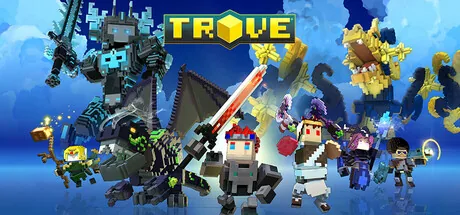
A voxel-building MMO welded to an ARPG loot treadmill, still running eleven years after Trion Worlds made it and three community letters a month after gamigo took over. The question in 2026 isn't whether Trove survives — it clearly does — it's how much of it is still a game and how much is a storefront.
6 / 10
A voxel survival sandbox that replaces Minecraft's tap-a-block-get-an-ingot logic with real material science — knapping, pit kilns, bloomeries and alloy ratios you actually have to measure — sold direct from the developer for one flat price with no storefront in between.
8.4 / 10
A frozen-apocalypse city-builder that plays fair for the first month and then quietly hands the server to whoever's alliance has the deepest wallets — the honest question isn't whether it's generous early on, it's where that generosity actually stops.
6.5 / 10
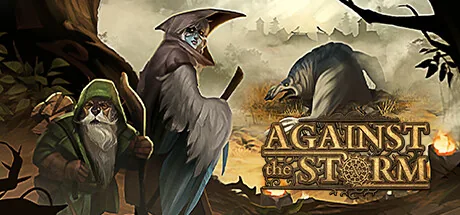
A city builder that refuses to let any settlement become permanent, banking what you learn into a roguelite meta-progression layer instead. It is one of the only games in its genre to treat the endgame as a design problem worth solving rather than a state to reach and stop.
8.5 / 10
A solo-developed hybrid that welds grand-strategy nation management onto clicker mechanics — genuinely novel in concept, but a divisive combat rework, opaque economy and buggy pathfinding have left its Early Access reception stuck at Mixed.
6 / 10
A hands-off map simulator where you paint borders, spawn AI-controlled nations and then watch them conquer, ally, revolt and collapse across thousands of simulated years. The scenario tools and Steam Workshop are genuinely excellent; the combat resolution underneath them is close to a coin flip, and that undercuts the "simulator" the title promises.
7 / 10
A party of the world's most useless heroes carries a fairly ordinary idle RPG through sheer force of writing, while its rewarded-video-ad economy is honest enough about what it's selling that the comparison to gacha idlers actually favours it.
7.5 / 10
A free-to-play idle RPG built around a wizard guild where every skill quietly multiplies every other skill — a genuinely clever synergy system undercut by a one-worker-at-a-time bottleneck and a VIP purchase ladder players have to climb tier by tier.
6.5 / 10
A tower-defense puzzle wearing gacha-RPG clothes, where the placement grid matters more than the banner history — and where the sanity bar, not the wallet, is the thing actually managing your time.
8.5 / 10
A stamina-gated piggy-bank smasher that turns an anxious premise — debt collectors, deadlines, a hand that gets tired — into one of the tightest, funniest short incrementals on Steam, even if the skill tree runs out of ideas well before the hammer does.
8 / 10
A ten-year-old pixel dungeon-crawler that never quite decided whether it wants you clicking through fights or leaving them to auto-battle, held together by a four-currency stamina economy that structures every session it doesn't quietly monetise.
6.5 / 10
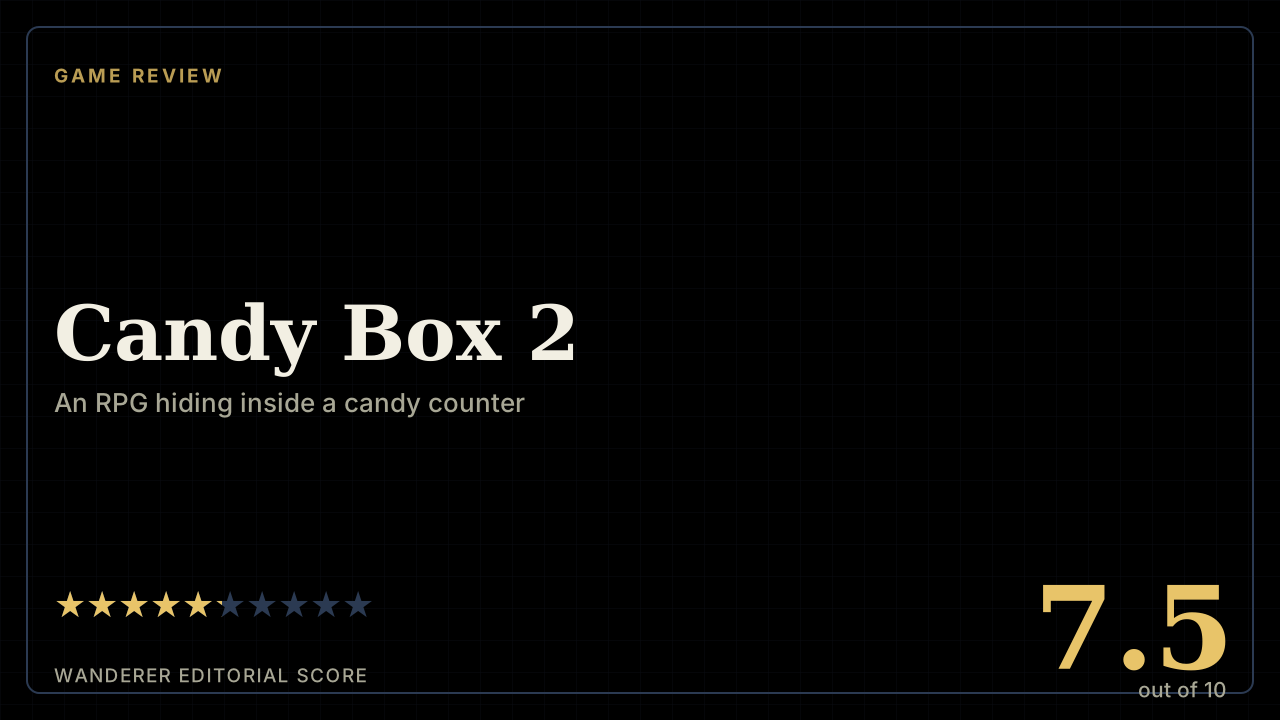
A free ASCII-art browser game that opens on a candy counter and nothing else, then spends the next several hours quietly revealing a full RPG underneath — one of the genre's founding tricks, and still one of the hardest to pull off honestly.
7.5 / 10
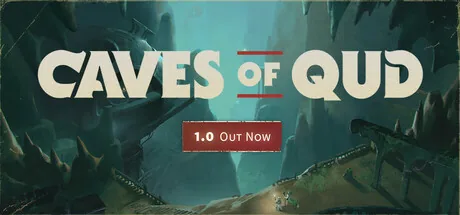
Freehold Games' science-fantasy roguelike spent nine years in Steam Early Access before reaching 1.0 in December 2024, and what it built in that time is less a dungeon crawler than a character-building engine wrapped around a simulation that keeps generating outcomes nobody scripted. The reputation for impenetrability is earned. So is the one for depth.
8.8 / 10
An idle clicker that spends its entropy on the entire history of life and technology instead of lemonade stands, with genuine scientific content dressing up a tech tree that is more linear than it looks and a monetisation stack that leans harder every year it stays alive.
6.5 / 10
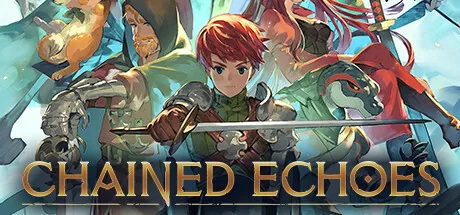
A 16-bit-style JRPG built almost entirely by one developer over seven years, whose real achievement isn't the pixel art but a heat-gauge combat system that replaces MP attrition with active turn-by-turn risk management.
8 / 10