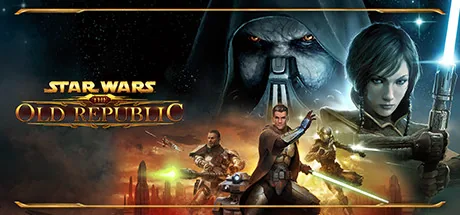
Game review
Star Wars: The Old Republic
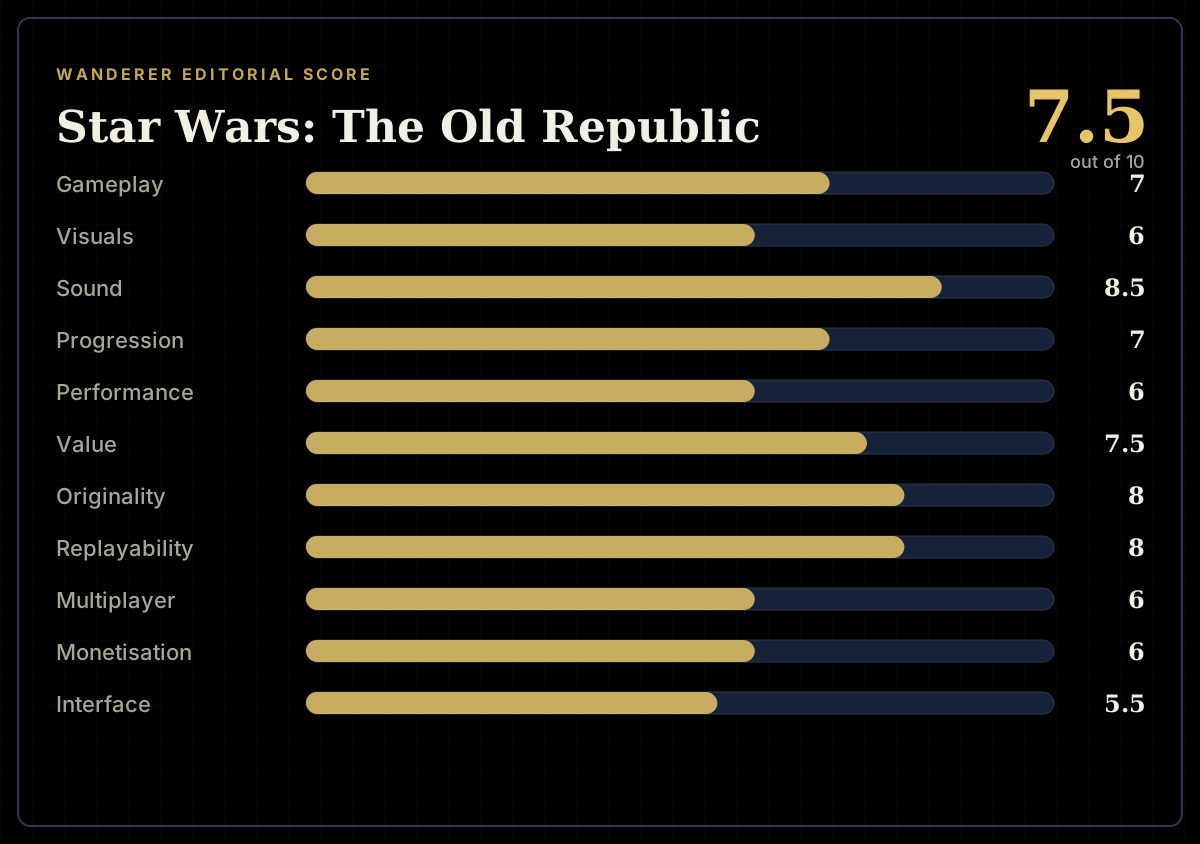
7.5 / 10
- Developer
- Broadsword Online Games (development and live operations since 2023; originally built by BioWare, 2011-2023)
- Publisher
- Electronic Arts
- Released
- 20 December 2011
- Platforms
- Windows
- Genre
- MMORPG
- Monetisation
- Hybrid free-to-play. A Free account and a one-time-purchase "Preferred" account raise granular caps rather than unlock content outright; a recurring subscription removes those caps, grants a monthly Cartel Coin stipend and is required for current-tier story access and full character slots. The Cartel Market cash shop on top sells cosmetics, mounts, XP boosts, unlock items and convenience unlocks — no purchasable combat gear
- Players
- Massively multiplayer persistent world built around eight-player Flashpoints, larger Operations, PvP Warzones and Galactic Starfighter space combat, layered underneath a campaign that is almost entirely soloable with an AI companion; Steam's own review sample is small (most subscribers use the standalone launcher instead), and population reads as healthy enough on populated servers to sustain grouping but thin enough off-peak that queue times vary
The short version
Star Wars: The Old Republic is, underneath its MMO scaffolding, eight complete BioWare RPGs: fully voice-acted, branching along light and dark choices, built around companions who argue with your decisions and sometimes leave over them. Fifteen years on, that structure is still unmatched anywhere else in the genre, and it is still the entire reason to install this game.
Everything built around it shows its age more plainly. HeroEngine's fundamentals haven't changed since 2011, the interface still expects a player willing to dig into its settings, and the narrative that follows the class stories has shrunk from eight separate journeys into one shared story delivered in thinner, slower instalments. None of that erases what the opening campaign still does better than any other MMO on the market.
Biggest strengths
- Eight fully voice-acted origin stories with real light/dark branching and companion relationships remain unmatched by anything else in the MMO genre
- The free tier is a genuinely complete way to play every class story and the game's first several years of content without spending anything
- Cartel Market purchases are cosmetic, convenience and account-unlock items rather than combat power, so subscribing never buys a raid advantage
Biggest weaknesses
- Free and Preferred accounts are capped at roughly 1,000,000 credits, six inventory rows and a single crew skill, restrictions granular enough to need a guide to plan around
- HeroEngine, structurally unchanged since 2011, still shows up as visible frame drops in eight-player Operations and crowded Warzones
- Story content since Legacy of the Sith arrives as numbered Game Updates rather than full paid expansions, a noticeably thinner drip than the original eight-class-story era
Who it's for: Players who want a genuine single-player Star Wars RPG with other people wandering through the same galaxy, more than they want a modern MMO combat system or a bustling group scene. A poor fit for anyone chasing cutting-edge raid content, tight population everywhere, or an interface that doesn't ask for any configuration.
Our recommendation: Play it as what it actually is — a free single-player RPG series with company — and stop expecting anything more. Roll a Jedi Knight or Sith Warrior first, play through your class story on a Free or Preferred account without spending anything, and only weigh a subscription once you already know whether the galaxy is one you want to keep living in.
7.5 / 10
Strip away the server browser, the guild tab and the auction house, and Star Wars: The Old Republic is eight complete BioWare role-playing games sharing one galaxy. Each origin story — Jedi Knight, Jedi Consular, Trooper, Smuggler, Sith Warrior, Sith Inquisitor, Bounty Hunter, Imperial Agent — is fully voice-acted from the first line to the last, branches along light and dark side choices that actually change how NPCs and companions treat you, and runs for dozens of hours before it ever asks you to think about raiding. That was a strange, expensive idea for an MMO in 2011. Fifteen years and one change of studio later, it's still the only game in the genre that has fully committed to it, and it's still the entire case for installing this game in 2026.
The rest of the picture is less flattering. The game was built by BioWare from its 2011 launch until 2023, when Electronic Arts moved development and live operation to Broadsword Online Games — a smaller, MMO-focused studio that has kept the game running since, on an engine (HeroEngine) that was already showing its age a decade ago. The honest question this review has to answer isn't "is SWTOR good" — it's whether the eight-campaigns-in-an-MMO structure is still the right way to spend time here, and whether what's grown up around those campaigns since 2011 has kept pace. The first answer is a clear yes. The second is more complicated.
Eight stories, one galaxy
The class story is still SWTOR's whole identity. Each of the eight origins gets its own arc, its own villain, its own companions and its own voice cast, running from level 1 through the original game's level cap with a scale of recorded dialogue no other MMO has matched before or since — not just quest text, but full conversations with camera cuts, branching responses and companions who react to what you pick. A Sith Inquisitor climbing from slave to Dark Council power player and a Smuggler running a found-family crew through double-crosses and heists are, mechanically, playing the same game engine, but they don't feel like the same story, and that's the point. Light and dark side choices aren't cosmetic either: they shift how companions regard you, unlock different dialogue trees, and occasionally cost you a companion outright if you push far enough in a direction they can't stomach.
Companions do real mechanical work here too. Every class gets a roster of them, each fillable into tank, healer or damage roles, which means a player who never wants to group can still clear almost the entirety of the class story and a large amount of side content solo, with a companion covering whatever role the build needs. That's the MMO scaffolding paying off rather than getting in the way — multiplayer systems exist around the story instead of gating it, and a genuinely solo-minded player is never stuck waiting on a group just to see the next chapter.
Combat carrying all of this is the more dated part of the equation. It's tab-target, with global cooldowns, resource bars and a rotation built around weaving a small set of abilities in a fixed priority order — competent, class-differentiated, and nowhere near the mechanical depth World of Warcraft or Final Fantasy XIV have built into the same years. Read alongside Wanderer's Final Fantasy XIV review, the contrast is stark: FFXIV's job system has kept evolving combat design for over a decade, while SWTOR's has stayed close to what it shipped with. The trade is real. What SWTOR spends on cinematic dialogue and branching consequence, other MMOs spend on combat systems. Neither choice is wrong, but a player expecting 2026-grade combat mechanics under all that voice acting will be disappointed.
The Outlander problem
The class stories end, and something changes. Knights of the Fallen Empire, in 2015, collapsed all eight separate narratives into a single shared story — every class becomes "the Outlander," following one continuous plot rather than eight divergent ones. It's a defensible move for a studio that can no longer justify eight parallel voice-acted campaigns forever, and the production values through Knights of the Eternal Throne and Onslaught stayed genuinely high. But it's also the moment the game's most distinctive feature — eight different people living eight different stories — gives way to one story everyone lives together, and something is lost in that merge that the class-story era never asked you to give up.
Legacy of the Sith, in February 2022, raised the level cap to 80 and pushed that shared narrative further, closing out threads that trace back to the original game's central antagonist. What's happened since is the part worth flagging plainly for anyone checking whether this is still a living game: there hasn't been a new paid expansion since. Broadsword has instead shipped numbered Game Updates — 7.1 through 7.9 — delivering the ongoing story in smaller, slower instalments, with 7.9 ("Legacy Reborn," 10 June 2026) closing out the Legacy of the Sith arc and Update 8.0 currently sitting on the public test server. That's a genuinely active cadence for a fifteen-year-old MMO under a smaller studio than BioWare, and it deserves credit against games that got shelved after a publisher handover. It is not, however, the same rate of substantial new content the class-story era delivered, and anyone judging "is this game still being made" should know the current answer is measured in numbered updates a few months apart, not new expansions.
What a free player actually gets
This is the number that actually matters for most readers, and it deserves a straight answer rather than a marketing one. A Free account can download SWTOR, create characters and play every one of the eight class stories plus the game's first several years of expansion content, with no time-limited trial clock running. That's a genuinely rare offer — most of what makes this game worth playing costs nothing.
It comes with real, granular restrictions, and current guides (checked against SWTOR's own patch 7.7.1-era account structure) put them at roughly this: Free and one-time-purchase "Preferred" accounts are capped around 1,000,000 credits, with anything earned past that redirected out of reach until it's spent down; six inventory rows against a subscriber's eight; a single crew skill per character against a subscriber's three; four character slots per server against a subscriber's 24; and two Galactic Trade Network listings at a time against a subscriber's fifty. Reaching "Preferred" status just requires spending any amount of real money once — buying Cartel Coins, for instance — after which several of those caps loosen but don't disappear. Story access past a certain point in the timeline, and the current level cap of 80, effectively require a subscription to reach.
Set next to Wanderer's review of The Lord of the Rings Online, which runs an almost identical three-tier Free/Premium/VIP structure with its own granular caps, the pattern is familiar: both games make the honest floor genuinely playable, and both then gate the current story behind a subscription while layering separate caps on credits, storage and character slots that a new player has no way of knowing about until they hit one. SWTOR's version is at least more transparent about the credit cap and inventory numbers than LOTRO is about its own expansion pricing — but "you'll need a guide to know what you're restricted from" is a fair criticism of both games, not just one of them.
Monetisation: subscribing, and what money buys
SWTOR's subscription, checked directly on swtor.com on 2 August 2026, runs US$14.99 on a rolling 30-day plan, dropping to US$13.99 a month billed quarterly and US$12.99 a month on the marked "Best Deal" 180-day plan — squarely in the same band as World of Warcraft's and Final Fantasy XIV's Standard subscriptions, both referenced at US$14.99 in Wanderer's other MMO reviews. Subscribing removes the credit cap, inventory and crew-skill restrictions outright, unlocks the current story and level cap, and pays out a monthly Cartel Coin stipend toward the cash shop.
That cash shop, the Cartel Market, sells cosmetic gear, mounts, pets, decorations for player Strongholds, character-slot and race unlocks, and convenience items like XP boosts — not combat-relevant equipment. That's an important distinction to hold onto: no purchase in this game buys a raid or Warzone advantage directly. What it does buy, repeatedly, is quality of life that a Free or Preferred account otherwise has to grind or work around, and the shop surfaces itself often enough in the client that "visible" is the right word for how present it is during ordinary play. Steam's own starter bundles reinforce the same pattern from a different angle: "Enter the Fight" and "Continue the Fight" both sell temporary subscription time bundled with Cartel Coins and a mount, not a permanent one-time unlock — there's no purchase in this game's current storefront that turns a Free account into a Subscriber account for good. The subscription is the product; everything else is dressed around it.
The state of the game now
Under Broadsword, SWTOR reads as a maintained live service rather than a game running out the clock. Update 7.9 landed in June 2026 closing out the Legacy of the Sith story, smaller patches (7.9a, 7.9c) addressed bugs and balance in between, and 8.0 was already in public testing by late July 2026 with a new Operations boss and further class balance changes. Seasonal events, Galactic Seasons progression tracks and PvP seasons keep running on schedule. Steam's own review sample for the game reads "Very Positive," though it's a small one — most of this game's actual playerbase runs through its own standalone launcher rather than Steam, so that number is closer to a sanity check than a full picture. The recurring complaint pattern in current negative feedback isn't about the game vanishing; it's about veterans feeling that the gap between major content drops has grown, and about an engine that still audibly strains during large-scale PvP and eight-player Operations regardless of how the story around it is holding up.
Verdict
Fifteen years on, Star Wars: The Old Republic is still the best argument the MMO genre has for building a game around eight complete, voice-acted, branching single-player campaigns rather than one generic world with a class system stapled on. That idea hasn't aged, the free tier still gives a new player genuine, unrestricted access to all of it, and Broadsword has kept the lights on with a real content cadence since taking over from BioWare rather than letting the game coast.
What keeps this from scoring higher is everything built around that core: an engine whose fundamentals haven't moved since 2011, an interface that still assumes a player willing to configure it, a granular free-tier restriction list that takes real effort to learn, and a post-class-story narrative that has thinned from eight parallel journeys into one shared story delivered in slower instalments. None of that erases what the opening campaign does. It just means the honest recommendation for most readers is exactly what it sounds like: play this as a free single-player Star Wars RPG series that happens to have other people wandering through it, and treat the MMO layer around it — the raiding, the PvP, the subscription — as optional rather than the point. Players who'd rather their character kept progressing quietly between sessions, without eight hours of mandatory story standing between them and it, might also want to look at Wanderer.
Pros and cons
Pros
- Eight fully voice-acted origin stories with real light/dark branching and companion relationships remain unmatched by anything else in the MMO genre
- The free tier is a genuinely complete way to play every class story and the game's first several years of content without spending anything
- Cartel Market purchases are cosmetic, convenience and account-unlock items rather than combat power, so subscribing never buys a raid advantage
- Companions carry enough mechanical weight that a story-focused player can clear almost the entire campaign solo
- Broadsword has kept a real content cadence since taking over from BioWare, closing the Legacy of the Sith story arc with Update 7.9 in June 2026 with 8.0 already on the test server
Cons
- Free and Preferred accounts are capped at roughly 1,000,000 credits, six inventory rows and a single crew skill, restrictions granular enough to need a guide to plan around
- HeroEngine, structurally unchanged since 2011, still shows up as visible frame drops in eight-player Operations and crowded Warzones
- Story content since Legacy of the Sith arrives as numbered Game Updates rather than full paid expansions, a noticeably thinner drip than the original eight-class-story era
- Group content depends on a population healthy enough to sustain grouping on populated servers but thin enough elsewhere that queues and cross-server matching do real work
- The default interface still expects a player willing to dig into options menus and third-party parsers to see information other 2026 MMOs surface automatically
Screenshots
-
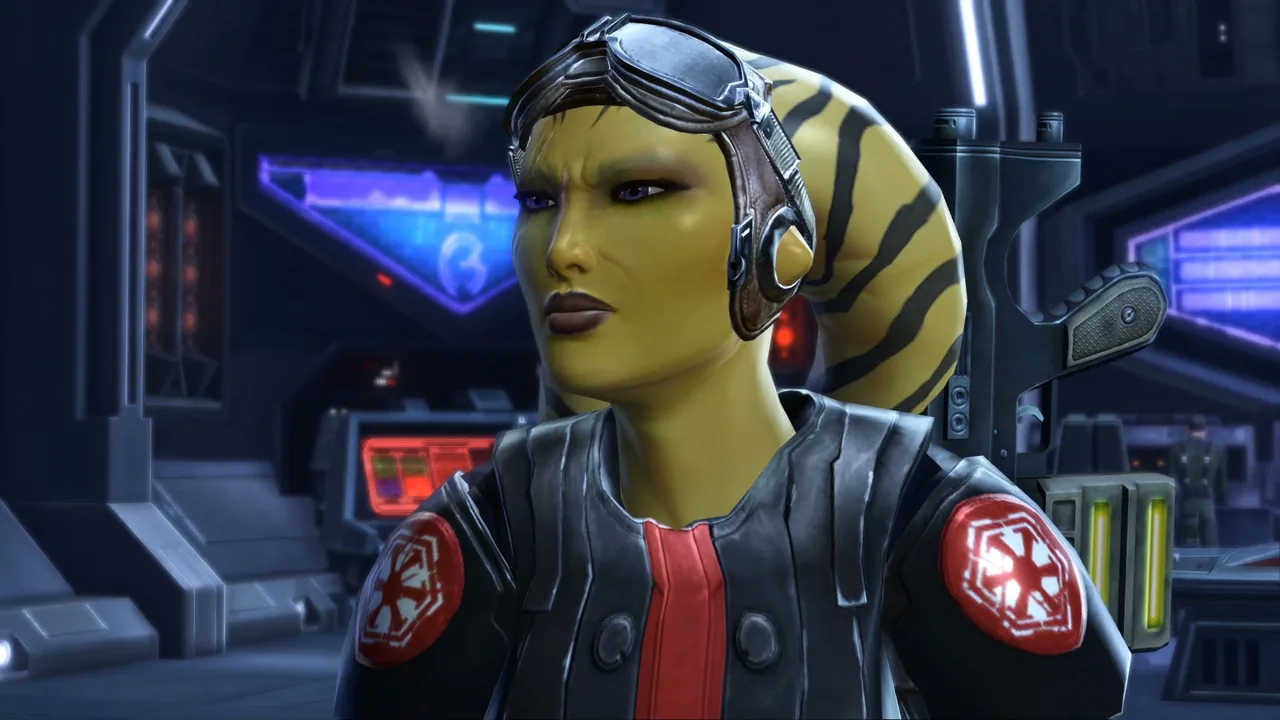
STAR WARS™: The Old Republic™Image: Electronic Arts via Steam -
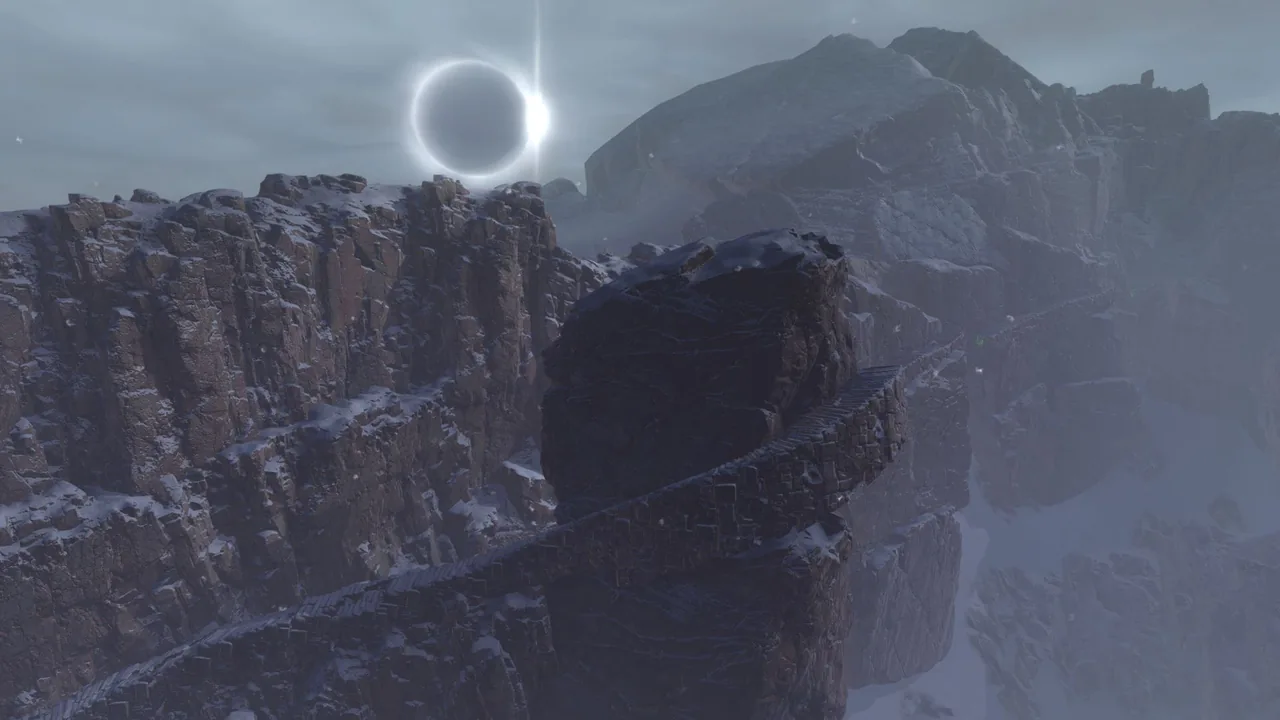
STAR WARS™: The Old Republic™Image: Electronic Arts via Steam -
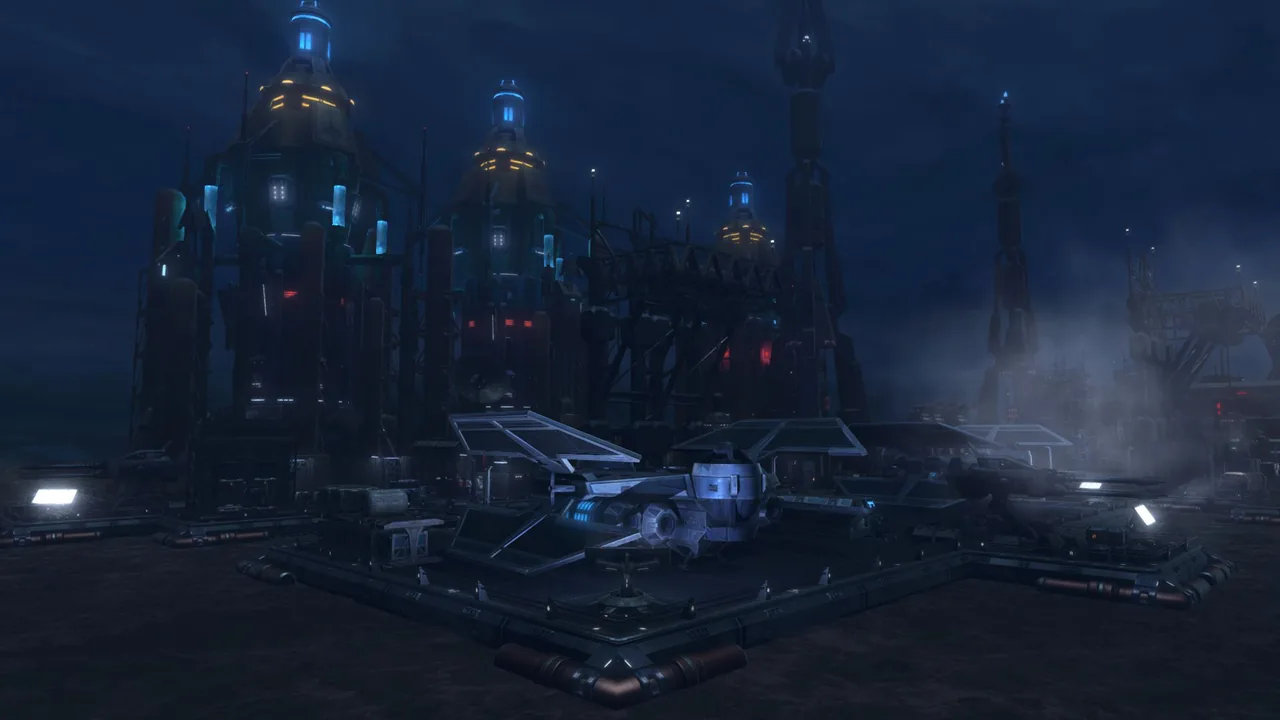
STAR WARS™: The Old Republic™Image: Electronic Arts via Steam -
How the review scores each part of the gameWanderer Editorial -
The short versionWanderer Editorial