The Wanderer reading room

Game Reviews

Idle RPGs, MMOs, browser games and mobile RPGs, taken apart properly. Every review carries a score out of 10, what the game does well, what it does badly, and the kind of player it is actually for.

Browse the reviews

Mabinogi

Twenty-two years before "life-skill game" became a genre, Mabinogi built one — a rank-based skill system and an ageing/rebirth loop that still let a character who never fights become a genuinely finished build, currently mid-transplant into a new Unreal Engine 5 body.

7.5 / 10

Reviewed

Read review of Mabinogi

MapleStory

The original 2D side-scrolling MMORPG is still running twenty-three years after its Korean debut, still free to download, and still built around a gear-enhancement gamble severe enough that a Korean regulator fined its publisher for hiding how it worked.

6.5 / 10

Reviewed

Read review of MapleStory

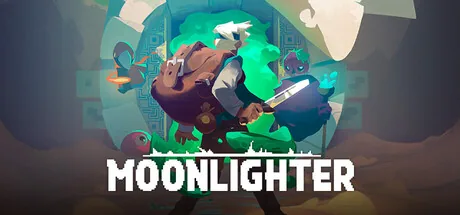
Moonlighter

Moonlighter splits itself between a dungeon-crawling roguelite and a shop-management sim, and the two halves are tied together by a genuinely clever idea — you set your own prices and read the customers to find out if you got it right. The question worth answering eight years on is whether that idea, and the combat around it, still hold up once the spreadsheet gets written.

7.5 / 10

Reviewed

Read review of Moonlighter

Noita

Nolla Games' falling-sand roguelite simulates every pixel of fire, gas, liquid and rock as one honest physical system, then hands you a wand editor deep enough to break that system on purpose. Four and a half years after its 1.0 release, only one in ten owners has ever finished it.

9 / 10

Reviewed

Read review of Noita

Ore & Odds

A NZ$7.99 mining incremental that puts a slot machine in the middle of its progression loop, then declines to say clearly what a bad spin actually costs you — a genuinely interesting hook, undercut by how little the game or its early reception have yet proven about it.

6.5 / 10

Reviewed

Read review of Ore & Odds

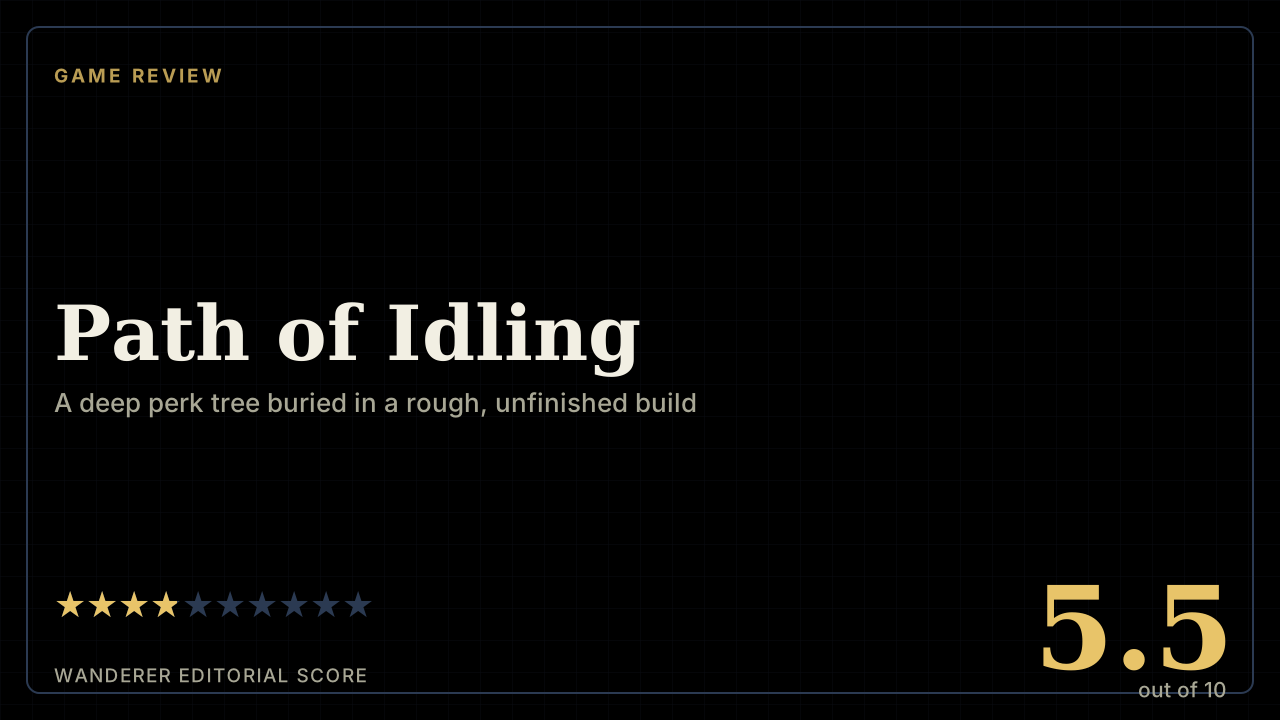
Path of Idling

A one-developer idle RPG that hides a genuinely dense passive-perk tree and a town worth automating behind a rough Android build that still crashes for some players seven years after its first prototype.

5.5 / 10

Reviewed

Read review of Path of Idling

Persona 5 Royal

The version of Persona 5 that's actually for sale everywhere now, and the one worth reviewing on its own mechanical terms — a turn-based JRPG whose real engine isn't the combat or the style, it's a calendar that turns every evening into a resource-allocation decision with consequences that outlast the day.

9 / 10

Reviewed

Read review of Persona 5 Royal

shapez

The 2020 game that started the shape-cutting automation genre, built by stripping Factorio down to logistics alone — no combat, no scarcity, no enemies. Cheap, historically important, and rougher than the sequel it spawned.

7.5 / 10

Reviewed

Read review of shapez

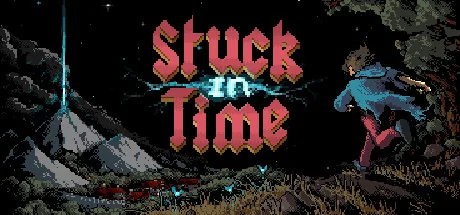
Stuck In Time

A NZ$10.29 fusion of time-loop adventure and idle incremental that has held a Very Positive Steam rating across four and a half years — not by avoiding friction, but by turning the loop's reset into the exact mechanism that makes idle progression permanent, while never fixing the one interface complaint players have repeated since launch week.

7 / 10

Reviewed

Read review of Stuck In Time

Subnautica

An open-world survival game that strips out weapons almost entirely and replaces them with an oxygen gauge, a sound cue you can't place, and a lot of very dark water. Eight years after full release, it's still the best argument that dread works better than a sword.

9 / 10

Reviewed

Read review of Subnautica

Task Bar of Ragnalis

A free auto-battler RPG that runs as a tiny window pinned to your taskbar, built on a six-class roster and a stack-nine-to-rank-up loot system — undercut by a storefront that sells two more classes and the extra bag space its own item design is engineered to demand.

6 / 10

Reviewed

Read review of Task Bar of Ragnalis

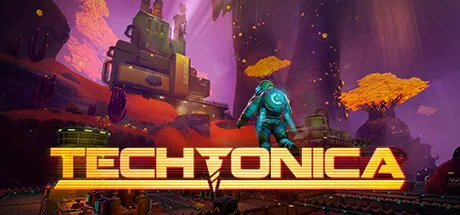
Techtonica

A factory-automation game that puts the camera underground and gives you a gun that deletes stone, so verticality and terrain destruction do real design work instead of being a setting. The idea is stronger than the execution — a convoluted tech tree, a frame rate that sags under a big base, and a developer that's gone quiet since the 1.0 launch hold it back.

6.5 / 10

Reviewed

Read review of Techtonica

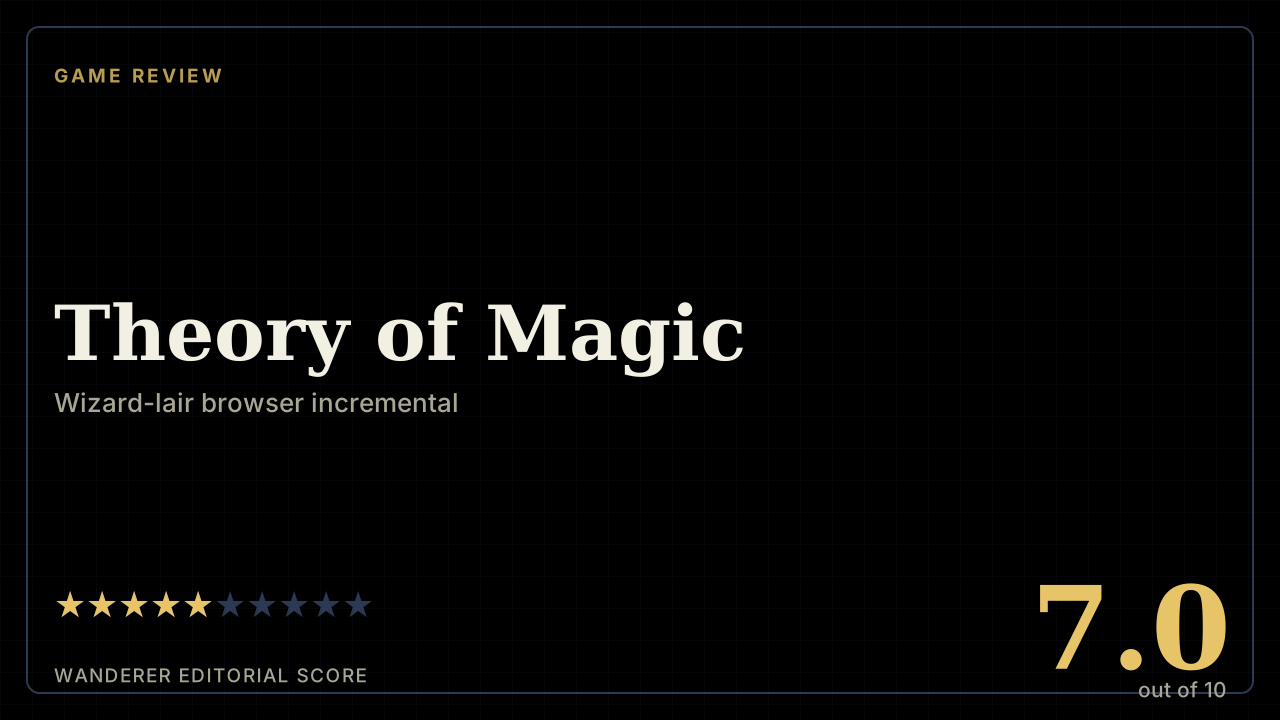
Theory of Magic

A free browser idle-RPG about running a wizard's lair that quietly became one of the genre's most influential designs, then got left behind by its own creator and kept alive since by a scattered handful of fans.

7 / 10

Reviewed

Read review of Theory of Magic

Trove

A voxel-building MMO welded to an ARPG loot treadmill, still running eleven years after Trion Worlds made it and three community letters a month after gamigo took over. The question in 2026 isn't whether Trove survives — it clearly does — it's how much of it is still a game and how much is a storefront.

6 / 10

Reviewed

Read review of Trove

Vintage Story

A voxel survival sandbox that replaces Minecraft's tap-a-block-get-an-ingot logic with real material science — knapping, pit kilns, bloomeries and alloy ratios you actually have to measure — sold direct from the developer for one flat price with no storefront in between.

8.4 / 10

Reviewed

Read review of Vintage Story

Whiteout Survival

A frozen-apocalypse city-builder that plays fair for the first month and then quietly hands the server to whoever's alliance has the deepest wallets — the honest question isn't whether it's generous early on, it's where that generosity actually stops.

6.5 / 10

Reviewed

Read review of Whiteout Survival