
Game review
Mabinogi
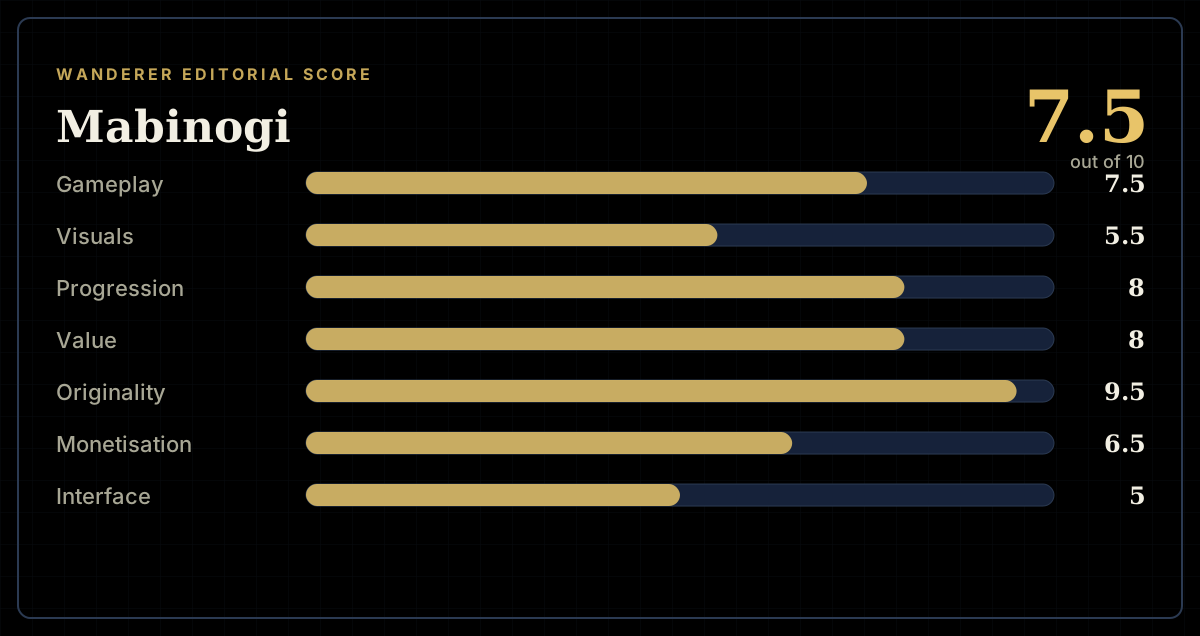
7.5 / 10
- Developer
- NEXON Korea Corporation
- Publisher
- Nexon America Inc.
- Released
- 22 June 2004
- Platforms
- Windows
- Genre
- MMORPG
- Monetisation
- Free to play with a full cash shop — Nexon Cash (NX) buys gachapon capsules, pets, cosmetics, rebirth potions and VIP Membership subscriptions layered on top of a completely playable free game
- Players
- Persistent massively multiplayer world, fully soloable for long stretches
The short version
Mabinogi was doing "life skills as real progression" before that phrase existed as a marketing line, and in 2026 it's still one of the only MMORPGs where Commerce, Cooking, Music and Weaving are complete builds rather than a side menu next to the real game. The rank-and-rebirth system that replaces conventional levelling is genuinely clever design, letting a two-decade-old character sheet stay interesting instead of just getting bigger numbers forever.
What keeps it from being an easy modern recommendation is everything sitting on top of that system: a 2004-era interface that hasn't been rebuilt, VIP subscriptions that gate real convenience for serious traders and crafters, and a cash shop with gachapon boxes that never went away. Nexon's answer to all of that — a full Unreal Engine 5 rebuild called Eternity — is in alpha testing this autumn, and it's the most interesting thing happening to this game in years.
Biggest strengths
- The skill rank system ties every rank-up to actually doing the thing — casting the spell, swinging the weapon, smelting the ore — rather than an abstract experience bar
- Rebirth resets a character's age and stats for more Ability Points instead of stacking levels forever, so the build stays a living decision for years rather than months
- Commerce, Cooking, Music, Weaving and a dozen other life skills are complete progression ladders on their own, deep enough to build a character around with little or no combat
Biggest weaknesses
- Hand-painted 2004 character models and environments look their age next to anything released in the last decade, engine rebuild or not
- The interface is a real relic of mid-2000s MMO design, down to quests that expect a remembered chat keyword rather than a tracked objective
- Life VIP Membership gates real conveniences for serious traders and crafters — auction house slots, homestead perks, bank limits — behind a recurring subscription
Who it's for: Players who want gathering, crafting and commerce to be the actual game rather than a chore between combat sessions, and who don't mind an interface that predates almost everything else they've played. A poor fit for anyone who needs modern production values or fast onboarding.
Our recommendation: Worth trying for free specifically to test the life-skill loop — cooking, weaving, commerce and music are all reachable without ever fighting anything harder than a tutorial goblin. Weigh a VIP subscription only once you know which of those systems you actually want to go deep on.
7.5 / 10
Long before "cozy MMO" or "life-skill game" were phrases anyone marketed with, Mabinogi built one and never really left. It launched in South Korea in 2004 and reached North America in 2008, built by devCAT around a strange, patient premise: that a fantasy MMORPG's real content could be Commerce runs between towns, five-star meals cooked by hand, and a lute performance judged on actual note timing, with combat sitting alongside those systems rather than above them. Twenty-two years later that premise is still the most interesting thing about the game, and it's currently being rebuilt from the inside out in Unreal Engine 5. Both facts matter to anyone who came to this genre through something like Wanderer and wants to know whether the game that arguably invented the idea still holds up.
Two things this isn't, worth clearing up before anything else: Vindictus — called Mabinogi Heroes in Korea — is a separate, combat-focused prequel built on different systems and a different engine, not this game with a new coat of paint. And Mabinogi Mobile, which launched in March 2025 and has already grossed hundreds of billions of won, is a distinct mobile product with its own progression model. This review covers the original PC MMORPG, still running on Nexon's own launcher.
Ranks instead of levels
Mabinogi's character sheet doesn't really have a level in the way most MMORPGs mean it. Every skill — combat, gathering, crafting, or otherwise — climbs its own ladder of ranks: Novice, then F through A, then 9 down to 1, then Dan ranks beyond that for the truly committed. Ranking up costs Ability Points, which come from levelling and from ageing, and each rank has its own "training requirements" — cast this spell forty times, land this many critical hits, smelt this much ore — that you either grind out by actually doing the thing, or skip with an AP Training shortcut that burns saved-up Ability Points instead of repetition.
That's a genuinely different pacing model from an experience bar, and it's the reason Mabinogi's progression still reads as interesting in 2026 rather than nostalgic. A character's overall power isn't one number going up — it's a hundred small ladders, each climbed at its own speed, each demanding you actually practise the skill rather than abstractly earn credit for using it. It produces the same effect Old School RuneScape gets from its skill web: real players end up mechanically distinct from each other because two characters who've "played the same amount" made different choices about which of those hundred ladders to climb first.
The rebirth loop is the real trick
The system that makes this sustainable long-term is rebirth. Rather than scaling forever toward an ever-higher level cap, a Mabinogi character periodically resets their in-game age and redistributes stat points, gaining fresh room to grow without erasing skill ranks already earned. As of the Pioneers of Iria update, any non-pet character gets a free rebirth once they reach age 20, which meaningfully softened what used to be a cash-shop toll — Nexon still sells rebirth potions for players who want to reset more often than the free cadence allows, and VIP Membership shortens the cooldown further, but the core loop no longer requires a credit card to function at all.
What that buys the game is longevity without treadmill fatigue. A character built two years ago isn't obsolete the way a level-60 character in a game that's since raised the cap to 90 would be — it's still the same rank-based build, just with more Ability Points banked toward whichever ladder you're currently climbing. It's a smarter answer to "how do you keep an MMO's progression relevant for decades" than most western MMOs have ever tried, and it's the mechanical spine that lets everything else in this review make sense.
A whole game without ever fighting anything
The part of Mabinogi that actually earns this review's attention, though, is how much of it is reachable without combat at all. Beyond a handful of early tutorial encounters, a player can build an entire character around Commerce — hauling goods between towns like Dunbarton and Belvast for Ducats, watching prices shift with supply — or around Cooking, which still demands manually balancing ingredient ratios to land a five-star dish rather than pressing one button and waiting. Weaving feeds Tailoring, Music lets a lute or a hand drum performance be judged on real timing, and Carpentry, Potion Making and a dozen other life skills each stand as their own complete ladder. None of them are side content bolted onto a combat game; they're the game, for a player who wants them to be.
That's the pitch this genre's readers should actually care about, and it holds up under scrutiny better than most games that claim it. A pacifist build is slower to reach the same nominal power as a combat-focused one — there's no getting around that — but "slower" here means a different rhythm, not a locked door. Life skills also feed back into combat readiness for players who do want both: Mining raises Strength, Herbalism and Cooking support Alchemy, and a serious crafter ends up supplying gear to a combat-focused guildmate as often as buying it. The crafting ladders reward time spent training a skill directly far more than they reward spending — the Ability Points that skip a grind can be earned through ordinary play, not only bought — which is the single most important thing this review can tell readers who've been burned by "crafting" that turns out to be a currency sink.
Where the wallet actually matters
None of that makes Mabinogi's business model invisible, and it would be dishonest to write this review without saying exactly where money still buys something. VIP Membership splits into Basic, Combat and Life tiers (or a bundled Combination package), and the Life tier is squarely aimed at the exact audience this review has been describing: extra auction house slots and duration, homestead housing perks, bank limit increases, waived check-processing fees, and no log-off penalty during Commerce runs. A free-to-play trader or crafter can absolutely play the economic game — but a subscribed one plays it with meaningfully less friction, and that gap is real rather than cosmetic. Layered on top of the subscriptions, the Item Shop still sells gachapon capsules for cosmetics and utility pets, which lands squarely in loot-box territory by any 2026 standard; a handful of pets are given away free, but the ones players actually want tend to sit behind the capsule machine. None of this touches the core rank-and-rebirth progression directly, but it's not nothing, and readers weighing a Life VIP subscription should go in knowing exactly what it buys: convenience and economic throughput, not access.
Two decades of interface debt
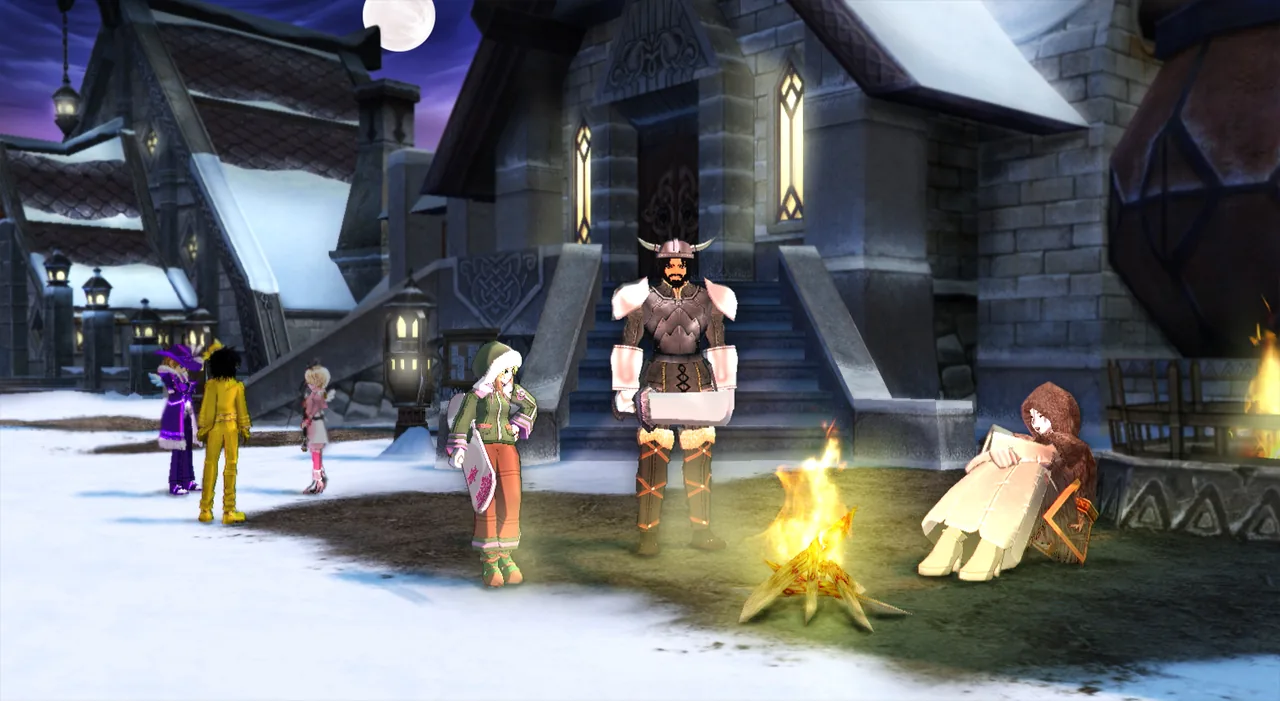
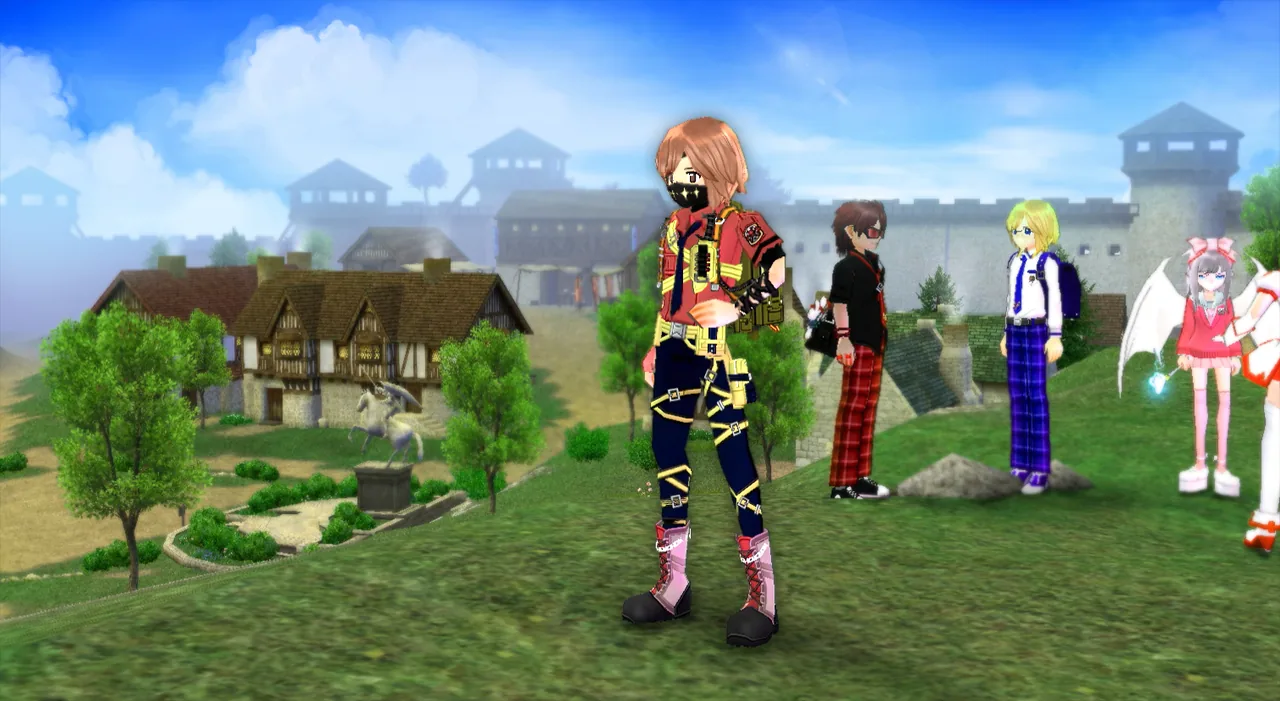
Where Mabinogi genuinely shows its age is presentation, not systems. The hand-painted, cel-shaded art style has aged more gracefully than a fully rendered 2004 MMORPG had any right to, but character models and environments still read as dated next to anything released in the last ten years, and the interface hasn't had the equivalent of a modern UX pass. Quests routinely expect a player to remember a specific chat keyword or open a trade window unprompted, conventions that made sense to an MMO audience in 2004 and read as opaque now. None of it is broken, exactly — it's just a genuine relic, and readers coming from a modern MMO's tracked-quest, marker-on-the-map conventions should expect real friction in the first several hours.
The Steam version doesn't help judge any of this, and it's worth saying plainly: the store page carries only 33 total reviews, the overwhelming majority timestamped 2017, which makes the "Mixed" badge a fossil of a small, nearly decade-old sample rather than a live read on 2026's game. Most of Mabinogi's actual population runs through Nexon's own launcher, not Steam, and any assessment built from the Steam corpus alone is looking at the wrong window entirely.
Eternity: the rebuild actually happening
The most consequential fact about Mabinogi in 2026 isn't a balance patch — it's Eternity, Nexon's project to rebuild the game's foundations in Unreal Engine 5, first announced in June 2023 and now entering formal alpha testing this autumn after roughly three years of underlying work. It's being positioned as validating a redesigned early-game progression alongside the engine swap itself, aimed at both veterans and the newcomers the current onboarding has always struggled to keep. Nexon has been careful not to promise Eternity replaces the original game outright, and as of this review it hasn't — the current Mabinogi continues running normally while the alpha proceeds in parallel. For a 22-year-old MMORPG, committing this much engineering to a full engine transplant rather than a slow fade into maintenance mode is the strongest signal available that this game still has a future worth reviewing again once Eternity actually ships.
Verdict
Mabinogi earns its score from an idea it had first and still executes better than most of the genre that eventually copied it: skills that rank up through doing, an ageing loop that replaces levels without losing decades of earned progress, and life skills deep enough to be the whole game for a player who never picks a fight. It loses ground on exactly the things you'd expect from a game this old — an interface that hasn't caught up to 2026 conventions, and a cash shop that still leans on gachapon and a subscription tier aimed squarely at its most dedicated traders and crafters. Neither of those problems is fatal, and neither is new information to anyone who's read a Mabinogi thread in the last decade, but they're real enough to keep this out of the top tier of the genre until Eternity has a chance to actually address them.
Anyone who wants gathering, crafting and commerce treated as complete builds rather than a detour from the real game will find Mabinogi still delivers on that better than almost anything released since — and it costs nothing to find out. Readers who like that same instinct, minus the two decades of interface debt, might also want to look at how Old School RuneScape or Project: Gorgon approach skill-based progression, or at Wanderer for a version of the idea built to keep moving while you're away from the keyboard.
Pros and cons
Pros
- The skill rank system ties every rank-up to actually doing the thing — casting the spell, swinging the weapon, smelting the ore — rather than an abstract experience bar
- Rebirth resets a character's age and stats for more Ability Points instead of stacking levels forever, so the build stays a living decision for years rather than months
- Commerce, Cooking, Music, Weaving and a dozen other life skills are complete progression ladders on their own, deep enough to build a character around with little or no combat
- The entire skill list and most of the world are reachable free, with VIP subscriptions layered on top for convenience rather than gating the core loop
- The Eternity project is a genuine Unreal Engine 5 rebuild with an alpha scheduled for autumn 2026, proof Nexon is still investing engineering into a 22-year-old game rather than coasting
Cons
- Hand-painted 2004 character models and environments look their age next to anything released in the last decade, engine rebuild or not
- The interface is a real relic of mid-2000s MMO design, down to quests that expect a remembered chat keyword rather than a tracked objective
- Life VIP Membership gates real conveniences for serious traders and crafters — auction house slots, homestead perks, bank limits — behind a recurring subscription
- Gachapon capsules and cash-shop pets sit squarely in loot-box territory, and the best cosmetics and utility pets are rarely available any other way
- The Steam listing's review base is thin and years stale, so judging the game's current population or health from Steam alone looks at the wrong window entirely
Screenshots
-

MabinogiImage: Nexon America Inc. via Steam -
MabinogiImage: Nexon America Inc. via Steam -
MabinogiImage: Nexon America Inc. via Steam -
How the review scores each part of the gameWanderer Editorial -
The short versionWanderer Editorial