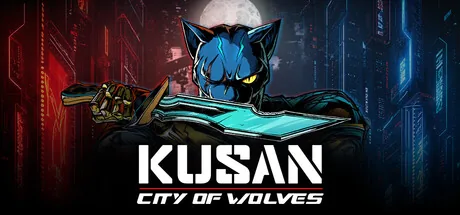
Kusan: City of Wolves
A brutal, hand-crafted top-down shooter that asks you to think in Hotline Miami's language of parries and one-hit deaths, then backs it with fifty-four stages that never repeat a trick twice.
8 / 10
The Wanderer reading room
Idle RPGs, MMOs, browser games and mobile RPGs, taken apart properly. Every review carries a score out of 10, what the game does well, what it does badly, and the kind of player it is actually for.
A brutal, hand-crafted top-down shooter that asks you to think in Hotline Miami's language of parries and one-hit deaths, then backs it with fifty-four stages that never repeat a trick twice.
8 / 10
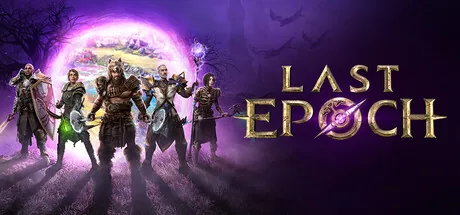
The action RPG that turned build crafting into something you can actually read and steer — fifteen masteries, a specialization tree on every skill, and deterministic crafting — held back by a campaign nobody replays and an endgame that runs out of new ideas before you do.
8 / 10
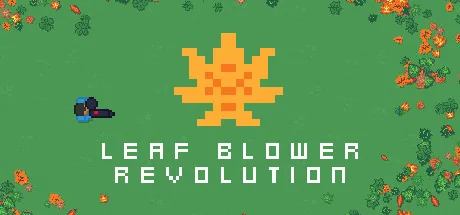
A joke about blowing leaves off a lawn that grew, update by update, into one of Steam's biggest free incrementals — dozens of interlocking systems, five years of support, and a DLC list that doesn't always match the "no paywall" pitch.
7.5 / 10
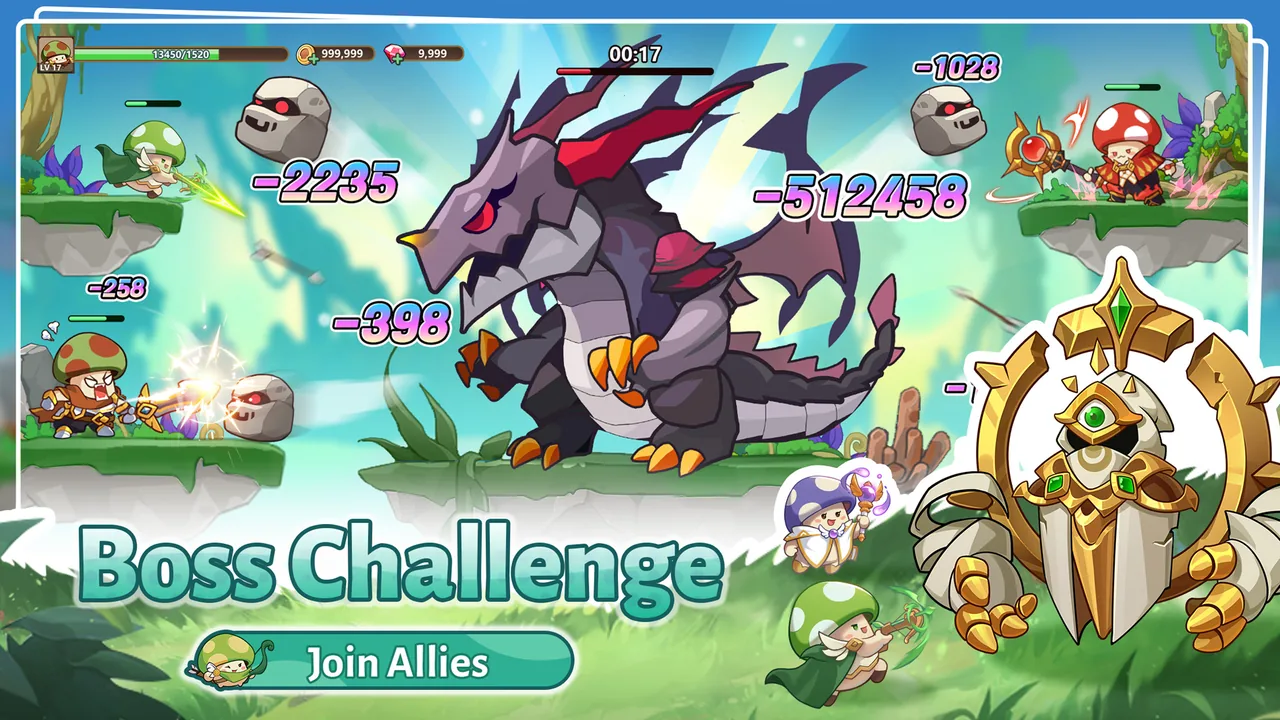
A chibi idle RPG about a mushroom regaining its human form, built on a gear-collecting loop that hooks fast and monetises harder the longer you stay.
6 / 10
A Belle Époque retelling of Pinocchio that wears its Bloodborne influence on its sleeve, then earns the comparison with a weapon-assembly system and a guard-timing mechanic good enough to stand on their own.
8 / 10
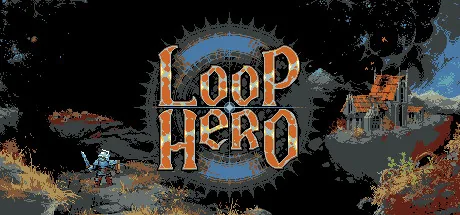
A deckbuilding auto-battler where the hero fights entirely on their own and the only real decisions are which terrain cards to lay down along the loop, and when to stop being greedy and walk the loot home.
8.5 / 10
Smilegate RPG's isometric action MMO still has the best raid encounter design the genre has produced, and still asks players to climb a honing ladder brutal enough that Amazon is now shipping a way to skip most of it. Reviewed as the Western service heads into an August 2026 server merge.
7 / 10
A one-person, text-first incremental about running a school of wizards that keeps almost everything on a single screen of menus, and turns dying to a boss into the moment its retirement system finally starts paying off.
7.5 / 10
The sequel keeps the first game's text-only school-of-magic formula intact and pours the budget into scope instead — a bigger spell list, a crew of Wizards you can delegate to, and a familiar system that splits its own fanbase down the middle.
8 / 10
A roguelite that turns inventory management from a chore between fights into the fight itself — and a look at whether a design built entirely around loot-shuffling has held up through more than a year of patches that keep rewriting its own rules.
6.5 / 10
A RuneScape skilling menu stripped of everything else and rebuilt as a proper idle RPG — twenty-nine interlocking skills, a free version that isn't a trial, and three expansions that never once ask for a subscription.
8.5 / 10
A fantasy JRPG from the Persona 5 team that turns an election campaign into a turn-based RPG's core loop, built around a class system deep enough to carry the whole eighty-hour runtime and a calendar that never lets you forget the clock is running.
8.5 / 10
A factory game where your conveyor belts double as your ammo supply, so a bottleneck in copper isn't a spreadsheet problem, it's a hole in your wall. Free and open source on Android and itch.io, a paid one-off on Steam, and one of the most distinctive marriages of automation and tower defence around.
8 / 10
Capcom's biggest Monster Hunter yet strips away almost everything that used to make the series hard to love — and a lot of what used to make it worth loving. A phenomenal hunt loop wrapped around a launch-year PC performance crisis and an endgame that shipped thinner than the marketing suggested.
7.5 / 10
Capcom's breakout entry turned a niche Japanese series into a global phenomenon by making its hardest lesson — learn the monster, not the menu — finally worth teaching. Eight years on, the hunt loop still holds up better than almost anything that copied it, even if the gear ladder's endgame RNG and a genuinely obtuse multiplayer system haven't gone anywhere.
8.5 / 10
A free idle mining game about drilling straight down instead of resetting to start over — Playsaurus's other idle series trades Clicker Heroes' ascension loop for one continuous 2,500km descent. What that costs the game, and what its ticket economy actually sells.
6.5 / 10
A small, calm mining sim about drilling deeper for a couple of evenings — pleasant while it lasts, and honest about how little it's asking of your time.
6 / 10
Amazon's classless action MMORPG still has the best weapon-swap combat and the most convincing large-scale siege war it has ever shipped. None of that is why this review exists — New World: Aeternum was delisted from every storefront on 15 January 2026 and the servers go dark for good on 31 January 2027. Reviewed with the extended Nighthaven season live.
6 / 10
A free browser idler that grew into one of Steam's most respected incrementals by refusing to explain itself, stacking rebirth systems on rebirth systems until a wiki tab stops being optional and starts being furniture.
8.5 / 10
The factory-building sequel to NGU Idle swaps rebirth layering for conveyor belts and work orders, builds a genuinely interesting system out of it in its first six weeks, and then stops. It has been Early Access, unfinished, since April 2021.
6 / 10
Moon Studios spent over two years turning a thin, contentious Early Access launch into a nearly complete game — hand-painted world, precision souls-like combat, a real town to build up, and co-op that only actually arrived in January 2026 — with the full 1.0 release now dated for October 2026.
7.5 / 10
Hotta Studio's follow-up to Tower of Fantasy trades sci-fi towers for a neon-lit supernatural city, and the open world it built to fill that city is a genuinely bigger achievement than the parry-and-dash combat sitting inside it.
7 / 10
A 2007 client kept alive by its players since 2013 — every update to Old School RuneScape has to survive a supermajority vote, and that single rule shapes everything else about how the game feels seventeen years on.
8.5 / 10
A genuinely deep classic RPG — classes, tiers, kingdoms, raids — welded to your actual street map. The system is real; how much of it you see depends on your postcode.
7.5 / 10