Orb of Creation
A non-idle incremental where every resource tick comes from casting spell combos yourself rather than watching a timer, built around a genuinely novel glyph-alchemy system for crafting your own spells from scratch.
8 / 10
The Wanderer reading room
Idle RPGs, MMOs, browser games and mobile RPGs, taken apart properly. Every review carries a score out of 10, what the game does well, what it does badly, and the kind of player it is actually for.
A non-idle incremental where every resource tick comes from casting spell combos yourself rather than watching a timer, built around a genuinely novel glyph-alchemy system for crafting your own spells from scratch.
8 / 10
A co-op mining sim where the underground has no fixed layout, bolted onto a genuine factory-automation game — dig your own tunnels with a squad of up to four, then turn what you find into a production line with conveyor belts, robots, and delivery contracts.
7.5 / 10
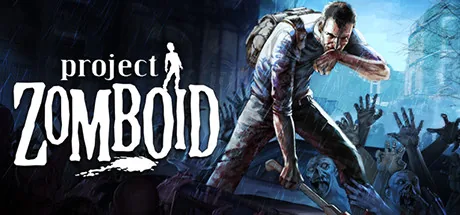
Twelve years into Early Access, the isometric zombie survival sandbox just shipped its biggest update ever and got multiplayer back. The skill grind is still the best in the genre; the menus are still the reason half the people who buy it never see it.
8.3 / 10
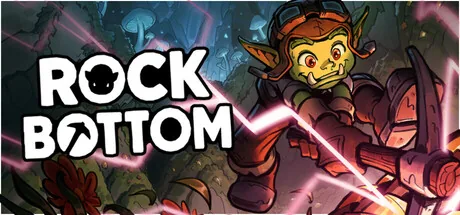
An incremental mining game that turns "swing the pickaxe" into a real progression system — eight hand-designed layers, a 150-node permanent skill tree, and a four-hour runtime that ends before the loop wears out its welcome.
8 / 10
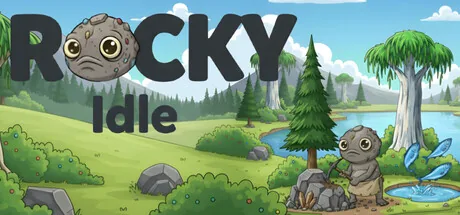
A Melvor-flavoured skilling idler with eighteen skills and a collection log, sold as a clean one-time purchase — but a boost mechanic that gates achievements and a rocky launch identity crisis keep it from matching the game everyone will compare it to.
6.5 / 10
Cup Dog Games' debut strips the Soulslike down to nothing but boss fights, built around a Focus-and-Mark system that turns every encounter into a duel over who blinks first — and then asks its best players to do the whole thing again without getting hit once.
8 / 10
Jagex takes twenty-five years of RuneScape skill icons and welds them onto a Valheim-shaped survival loop. Fifteen months into Early Access, with a 1.0 date now on the calendar, the question is whether the skilling actually survived the move or just changed clothes.
7.5 / 10
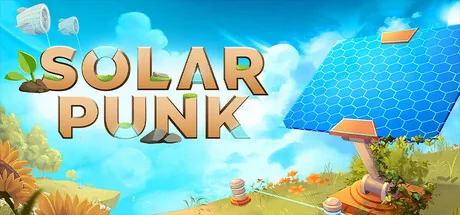
A co-op sky-island survival game that trades hunger bars and monsters for solar panels and delivery drones — charming and genuinely clever in its energy systems, but its progression runs out of new ideas long before the credits.
6.5 / 10
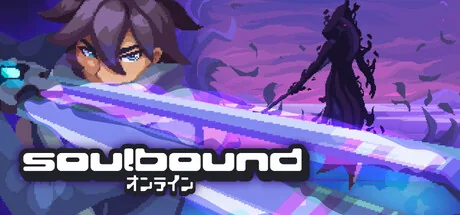
A pixel-art MMO built around reshuffling roguelite dungeons and a player-run overworld, launched into Early Access carrying the baggage of its previous life as an NFT game.
6.5 / 10
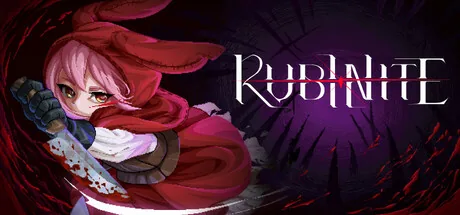
A 2D pixel-art roguelite that pairs jianghu-flavoured build crafting with creature collecting, and five months of steady free patches since its February launch.
7.3 / 10
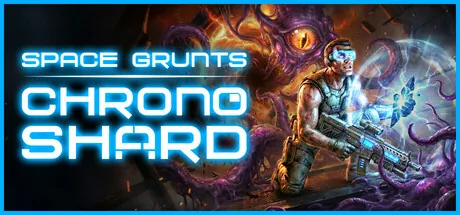
Orangepixel's turn-based space roguelike gets a time-loop makeover, and the smartest decision it makes is turning "you died" into "you left something behind" instead of "start over."
7.8 / 10
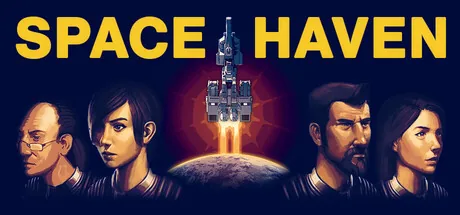
A tile-by-tile spaceship colony sim where you build the hull, route the gas pipes, and keep a crew of civilians fed, breathing, and sane while you search a procedural galaxy for a new home. Reached 1.0 in May 2026 after six years in Early Access.
8 / 10
A turn-based hero collector that grafts Uma Musume's training sim onto Honkai: Star Rail-style combat, with presentation to match — undercut by optimisation problems and a PvP ladder that leans harder on spending than its otherwise generous gacha deserves.
6.5 / 10
A solo-developed space factory incremental with a five-hour campaign and a clean ending instead of an endless ladder. The idea is refreshing; the execution runs out of steam exactly when the prestige system should be taking over.
6.5 / 10
Netmarble folds its 25-year-old dinosaur-taming franchise into an idle deck-builder, and the 24-unit battles are genuinely more tactical than the "auto-play RPG" label suggests — right up until the real-time PvP mode starts pricing in who's willing to spend.
6.5 / 10
An auto-battler where you never touch the character directly, animated entirely in ASCII art, and built around Stonescript — a real scripting language for programming your own companion's combat behaviour instead of just watching it fight.
7.5 / 10
Boltray's "Third Way RPG" genuinely earns its hybrid pitch, blending exploration and auto-battle strategy with idle progression, but its skill-gacha economy and paid-only enhancement currency pull hard once the early zones stop carrying you for free.
7 / 10
A free Early Access idle RPG that promised a dozen interlocking skills in the mould of Melvor Idle, shipped one substantial content patch, and has since vanished from Steam entirely.
3.5 / 10
Erkberg Games' short incremental about washing ash off a dead planet with a rain-cloud and a skill tree — a review of how far a three-hour, five-dollar cozy game can stretch its one good idea before it runs out of road.
7 / 10
A one-purchase incremental about drilling through an entire solar system, planet by planet, where the reward for mastering one resource is a permanent buff instead of a bigger number to stare at.
7.5 / 10
Poncle and Nosebleed Interactive take the cast of a bullet-heaven phenomenon and lock them into turn-based card combat instead. The pivot works far better than it has any right to, right up until the deck-breaking builds that make the genre fun also make the back half of a run trivial.
8 / 10
Read review of Vampire Crawlers: The Turbo Wildcard from Vampire Survivors
A solo-developed cyberpunk vampire RPG that pairs first-person exploration with XCOM-style overhead combat, wrapped around explicit adult content. The pieces are promising; almost none of them are finished yet.
5.5 / 10
An open-world witch adventure that swaps the usual survival toolbox for spellwork — spirit jumps instead of ladders, conjured forests instead of chopped trees, familiars instead of tames. Seven weeks into Early Access, the magic system is the best reason to be here; the world around it hasn't caught up yet.
6.5 / 10
A dungeon crawler that resurrects the original Wizardry's cruelty almost intact, then wraps it in a gacha character-summoning economy that never quite earns the same trust.
7 / 10