
Game review
Soulbound Roguelike
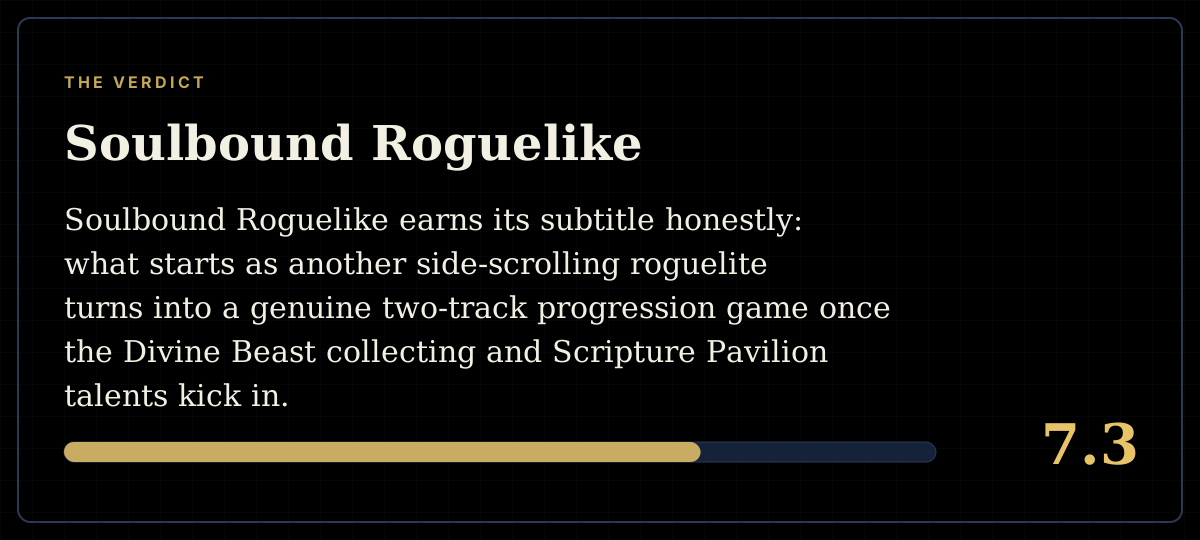
7.3 / 10
- Developer
- DuDu Games
- Publisher
- Quantum Arts
- Released
- 5 February 2026
- Platforms
- Windows
- Genre
- Action Roguelite
- Monetisation
- Premium, one-time purchase, no IAP
- Players
- Single-player, with an asynchronous global leaderboard rather than live PvP or co-op
The short version
Soulbound Roguelike earns its subtitle honestly: what starts as another side-scrolling roguelite turns into a genuine two-track progression game once the Divine Beast collecting and Scripture Pavilion talents kick in. The run-to-run combat isn't reinventing the genre, and the four Mystic Realms it launched with are a modest amount of ground to loop, but the developer has spent every month since release adding beasts, reworking underperforming builds, and sanding down the rough edges players actually complained about.
Biggest strengths
- Four weapon styles, three skill slots and nine enchantment slots produce builds that feel meaningfully different run to run
- 140-plus Blessings with bonus "Bond" combos reward reading synergies rather than just stacking the biggest numbers
- The Scripture Pavilion's 26 permanent talents and the beast-fusion evolution lines give runs a reason to keep failing forward
Biggest weaknesses
- Four Mystic Realms at launch is a thin map roster for a roguelite that wants runs to feel different each time
- Player feedback at launch flagged translation rough spots and control responsiveness that a June quality-of-life patch had to specifically address
- The "global ranking ladder" pitched in the store copy is an asynchronous leaderboard, not the real-time rival you might expect from the marketing
Who it's for: Roguelite regulars who want a lighter creature-collecting hook alongside their build-crafting, and players who value a small studio that keeps shipping free content rather than moving on to the next project.
Our recommendation: Buy on sale if you're on the fence, buy at full price if creature collecting is your genre.
7.3 / 10
What Soulbound Roguelike actually is
Soulbound Roguelike drops you in as the last heir of a collapsed Divine Beast Sect, sending you into procedurally generated "Mystic Realms" to fight your way back to relevance one run at a time. The pitch on the store page leans hard into "roguelite plus taming," and that's a fair summary: half the game is standard genre furniture — pick a weapon, build a loadout, die, try again with something learned — and the other half is closer to a lightweight monster collector, where the things you hatch, ride and fuse matter as much as the gear you find.
It released on Steam on 5 February 2026 at $9.99 USD, developed by DuDu Games and published by Quantum Arts (量子艺界), a small team working out of a distinctly wuxia/jianghu aesthetic rather than the usual Western fantasy shorthand roguelites default to. There's no Early Access tag on it — this shipped as a finished 1.0, not a work in progress — and Windows is the only supported platform, with full controller support alongside mouse and keyboard.
Build variety is where the game earns its keep
The combat skeleton is four "martial arts" — Blade, Gun, Fist and Energy Sword — each paired with three skill slots and nine enchantment slots, which is a generous amount of room to define a playstyle before you even touch the collectible side of the game. Layered on top of that are more than 140 combat Blessings collected mid-run, several of which combine into named "Bond" effects when you deliberately pick complementary ones rather than just grabbing whatever's biggest. That's the part of the design that actually rewards system literacy: a player who understands which Blessings chain together is going to have a materially different run than one who's just taking upgrades in order.
The weapon classes haven't been static since launch, either. Iron Fist launched underwhelming and was significantly reworked and buffed in April, alongside a broader rebalance of Heavy Attack damage across the kit — the kind of mid-life class rework that a lot of small roguelites promise and then never get around to. It's a good sign for anyone worried about picking a "trap" build on day one and being stuck with it.
Two progression tracks, not one
What separates this from a straight deckbuilder-style roguelite is that failure doesn't reset you to zero. The Scripture Pavilion holds 26 permanent talent upgrades — Max HP, Crit Rate, Beast Power and similar stat lines — that persist between runs, so every attempt banks something even when the run itself falls apart early. Divine Beast collecting sits alongside that as its own permanent system: 25 beast types were available at launch, with hatching, riding, and fusion lines that let, say, a White Fox evolve into a Millennium Fox and eventually a Nine-Tailed Fox with a genuinely different combat kit at each stage. There's also an "Exhibit Area" that puts idle beasts to work generating currency passively, which is a small but welcome nod to players who can't be actively grinding runs constantly.
The one place the marketing oversells itself is the "Ascend the Ranking Ladder" pitch, which reads like it's promising live competitive play. It isn't — Steam's own category tags confirm this is a single-player game with no co-op or PvP mode, and the ladder is a leaderboard you climb asynchronously by posting a better score, not a place you'll ever meet another Sect Master in real time. It's a minor thing, but it's worth knowing going in so the leaderboard doesn't read as a broken promise.
Content depth at launch versus now
Four Mystic Realms and their bosses was the full roster at 1.0, and for a genre that lives on runs feeling different from each other, that's a modest amount of terrain to loop through early on — the build variety is doing most of the work to keep repeat runs interesting rather than the environments themselves. That gap has narrowed steadily rather than being left alone: a new boss and Divine Beast arrived in March, the Nine-Tailed Fox line and a UI overhaul to the Blessings and Bonds screens landed in April, and the Tiger Divine Beast followed in May. None of those additions are free-to-play-scale content drops, but they're real, and they've arrived on a rough monthly cadence rather than as a single post-launch afterthought.
The developer actually kept showing up
This is the strongest argument for taking the game seriously five months after release. The patch log since 5 February reads: bug fixes nine days after launch, a Lunar New Year balance pass at day one week, more bug fixes at three weeks, a new boss and beast in March, a mount and fighter rebalance with a UI pass in April, a new beast in May, and — most tellingly — a dedicated "New Player Experience & Quality-of-Life" update in June that specifically targeted complaints about the early game: it now hands you a Divine Beast companion during the tutorial instead of making you earn one, boosts starting silver so you can actually afford your first egg, fixes mounts getting stuck on terrain steps, and adds a visible indicator for invincibility frames so players can learn dodge timing instead of guessing at it. A July update followed up with more localization fixes. That's not a studio that shipped and moved on; that's a studio reading its own feedback and doing something about it, update after update, for five straight months.
Where the rough edges still show
Player reports at launch flagged exactly the kind of thing you'd expect from a small non-English studio's first international release: translation phrasing that didn't quite land, controls that needed tightening, and occasional bugs that didn't ruin runs but were noticeable. The June quality-of-life patch reads like a direct response to those complaints, which is reassuring, but it also means the version that shipped in February wasn't the polished article — early adopters were part of the testing process whether they signed up for that or not. If you bought it in its first month, the game you're playing now is meaningfully smoother than the one you started with.
The other honest limitation is visibility. Steam's public review count sits in the double digits rather than the thousands, with a positive skew but a small sample. That's not a knock on the game's quality so much as a reminder that a lot of the value here — the beast fusion lines, the Bond combos, the ongoing patch cadence — is happening somewhat under the radar. It's a game that rewards patience with the genre more than it rewards curiosity from people just browsing new releases.
Monetisation and value
There's nothing to complain about here: one flat $9.99 purchase, no in-app currency, no battle pass, no cosmetic shop, no loot boxes. Steam has run it as low as its historical-low discount during a couple of sale events since launch, but the base price is already low enough that waiting for a markdown isn't really necessary unless you're being careful with a budget. For a build-crafting roguelite with a genuine second progression layer in the beast collection and Scripture Pavilion systems, plus five months of added content at no extra cost, the asking price holds up well against genre peers that charge the same or more for a shallower loop.
Final verdict
Soulbound Roguelike isn't going to be mistaken for a genre-redefining release — the map roster is small, the marketing oversells the competitive angle, and the first month's launch state needed the kind of polish patch that ideally happens before release rather than after. But the build-crafting is genuinely varied, the dual progression track between permanent talents and beast collection gives failed runs real weight, and the studio has backed the game with consistent, substantive free updates for five months running rather than treating launch as the finish line. Players who want a lighter, creature-collecting spin on the roguelite formula, and who are willing to trust a small developer that's clearly still invested, will get their money's worth several times over. Players hoping for a large map roster or genuine multiplayer stakes should look elsewhere.
Anyone drawn to games that keep rewarding you for time away from the keyboard, not just time spent actively grinding runs, will find a smaller-scale version of that idea in the Exhibit Area's idle beast income — the same instinct that persistent-progression games like Wanderer build an entire loop around.
Pros and cons
Pros
- Four weapon styles, three skill slots and nine enchantment slots produce builds that feel meaningfully different run to run
- 140-plus Blessings with bonus "Bond" combos reward reading synergies rather than just stacking the biggest numbers
- The Scripture Pavilion's 26 permanent talents and the beast-fusion evolution lines give runs a reason to keep failing forward
- Five straight months of free updates have added new Divine Beasts, reworked an underperforming weapon class and rewritten the early game based on player feedback
- A flat one-time purchase with no currency, battle pass or loot box layered on top
Cons
- Four Mystic Realms at launch is a thin map roster for a roguelite that wants runs to feel different each time
- Player feedback at launch flagged translation rough spots and control responsiveness that a June quality-of-life patch had to specifically address
- The "global ranking ladder" pitched in the store copy is an asynchronous leaderboard, not the real-time rival you might expect from the marketing
- Steam's own review count is still small five months on, so word of mouth hasn't caught up with the content the game now has
Screenshots
-
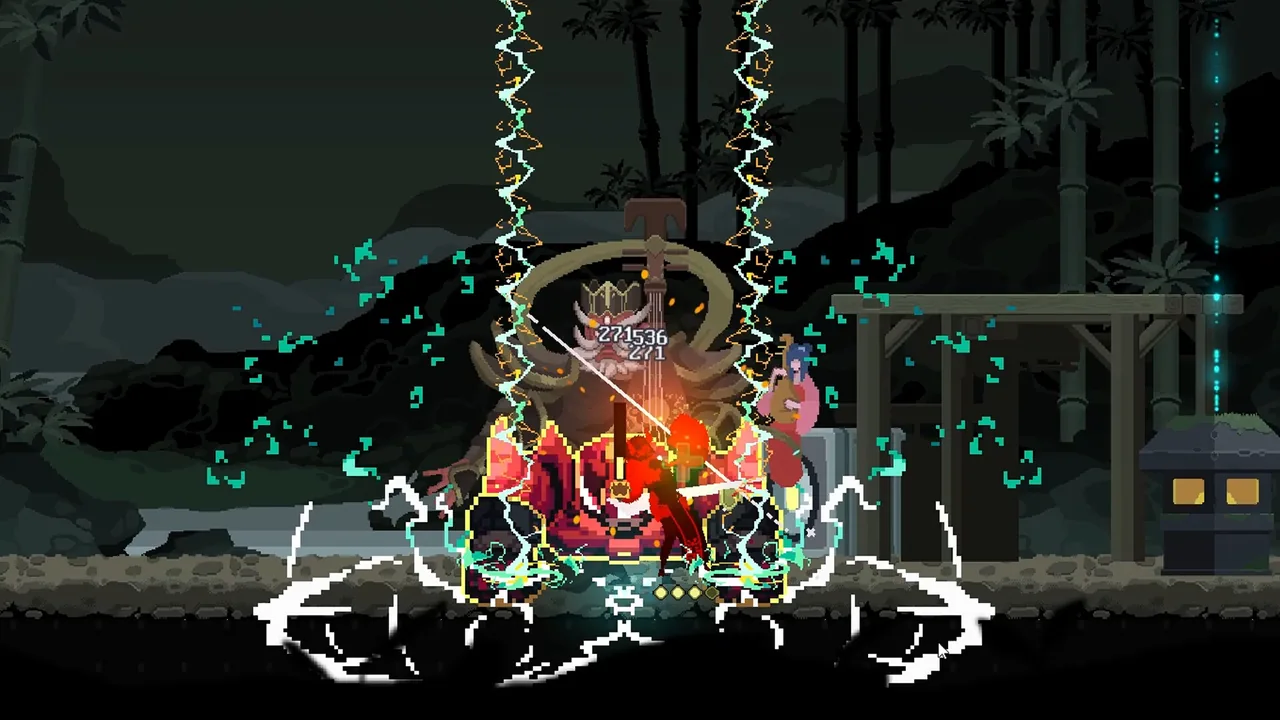
Soulbound RoguelikeImage: 量子艺界(QUANTUM ARTS) via Steam -
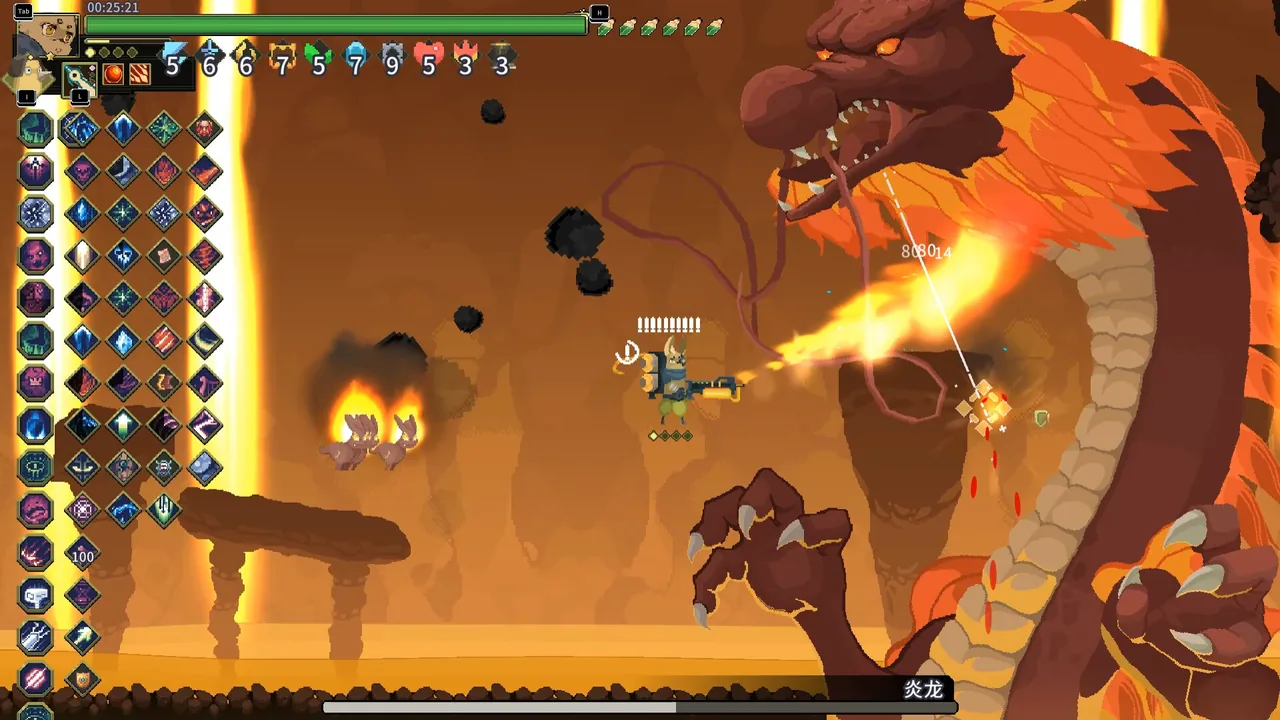
Soulbound RoguelikeImage: 量子艺界(QUANTUM ARTS) via Steam -
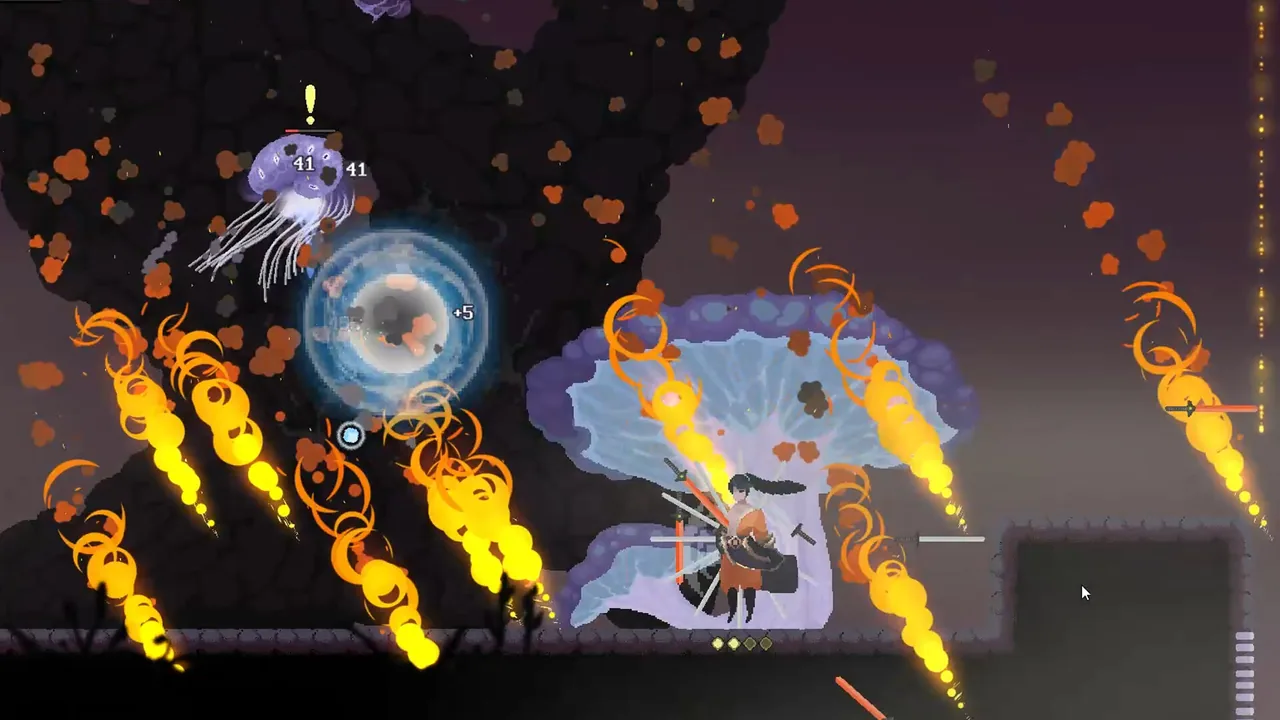
Soulbound RoguelikeImage: 量子艺界(QUANTUM ARTS) via Steam -
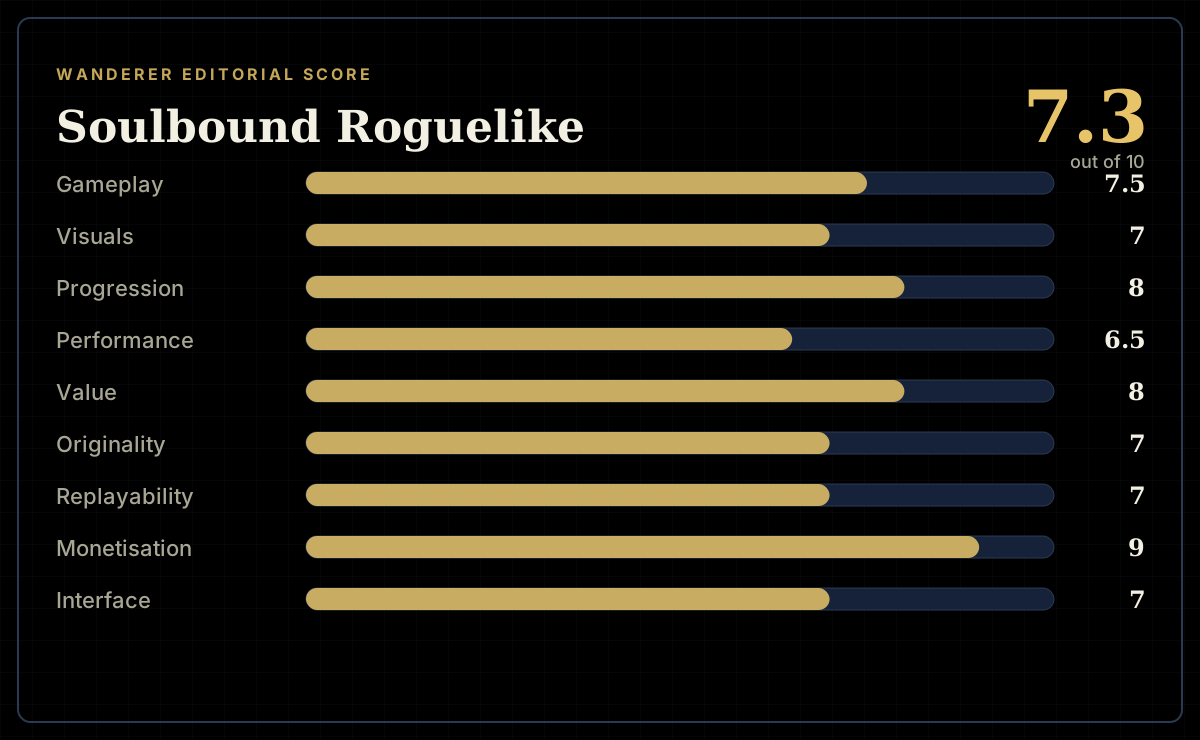
How the review scores each part of the gameWanderer Editorial -
The short versionWanderer Editorial