Game review
Stone Story RPG
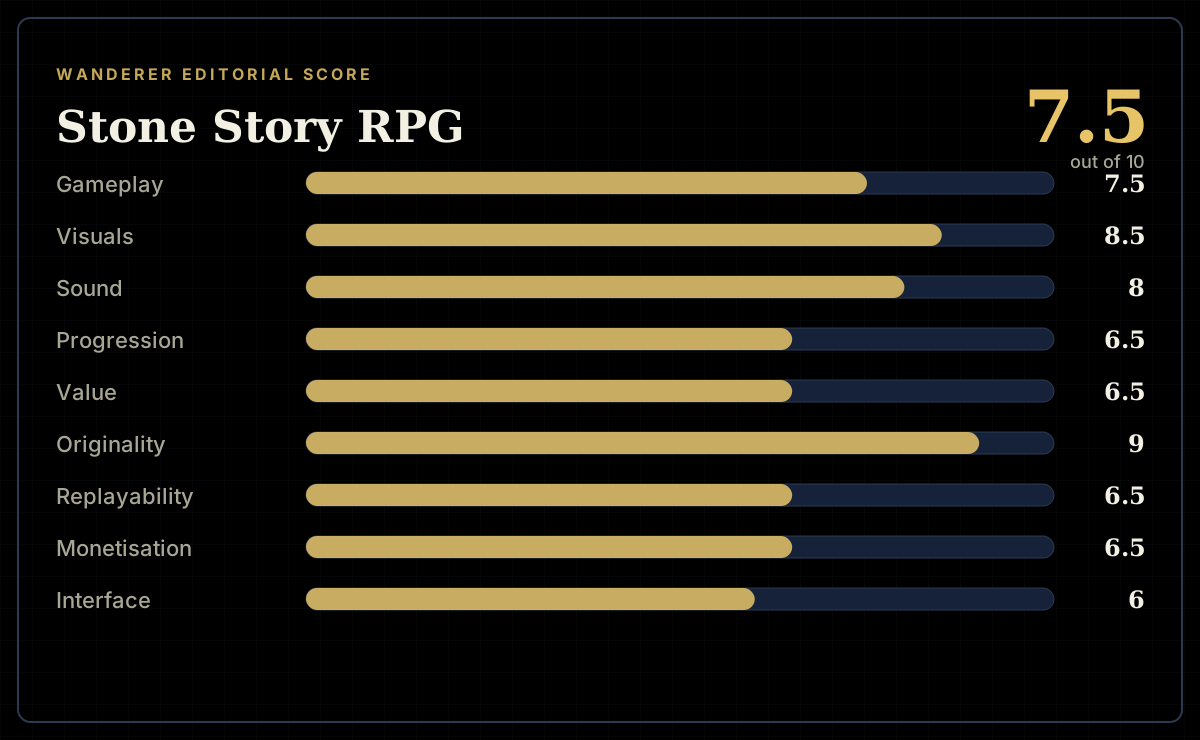
7.5 / 10
- Developer
- Rex Games, standardcombo
- Publisher
- Rex Games, indienova
- Released
- 26 July 2023
- Platforms
- Windows, macOS, Linux
- Genre
- Auto-battler RPG / programming incremental
- Monetisation
- One-time purchase with no in-game purchases on Steam; a separate free-to-play mobile release exists on iOS and Android with its own monetisation model
- Players
- Single-player
The short version
Stone Story RPG hands combat entirely to an AI-controlled stone golem and asks you to become its programmer instead of its pilot. Stonescript, the game's built-in scripting language, is a genuinely rare feature dressed up in some of the best ASCII animation on Steam — but the adventure wrapped around it leans on daily timers and repetitive stat-farming that feel imported from a mobile game, because in a real sense they were.
Biggest strengths
- Stonescript turns AI-assisted combat from a gimmick into an actual scripting environment, with real conditionals, variables and a documented set of commands to manipulate your golem's behaviour
- ASCII animation this fluid and expressive is essentially unmatched elsewhere on Steam, and the orchestral score sells the atmosphere it can't render in pixels
- Item combination crafting rewards genuine experimentation rather than a fixed upgrade tree
Biggest weaknesses
- Daily quests and real-time unlock timers throttle progression in a way that feels lifted from the free mobile version rather than designed for a paid PC release
- Late-game advancement leans heavily on farming incremental gear modifiers across repeated dungeon runs, and several biomes get revisited far more than their content justifies
- Chest-opening and other reward animations run long and can't be skipped, a friction point players have flagged since Early Access
Who it's for: Players who like the idea of writing a small program that plays for them, and anyone who finds ASCII art more evocative than another pixel-art sprite sheet.
Our recommendation: Worth it for the Stonescript hook alone if that idea appeals to you at all — just go in expecting a long, patient grind rather than a tightly paced eight-hour story, and know a cheaper mobile version exists if the Steam asking price gives you pause.
7.5 / 10
Most auto-battlers ask you to sit back and watch a fight resolve itself, maybe nudging a formation or an upgrade tree between rounds. Stone Story RPG takes that premise somewhere stranger: it hands you a small stone golem that fights entirely on its own, then gives you a real scripting language to rewrite how it thinks. You're not watching a battle happen to you. You're debugging one.
That idea — Stonescript, a genuine programming layer sitting underneath an ASCII-animated action RPG — is the reason this game has any business existing at all, let alone surviving four years of Early Access into a well-reviewed 1.0. It's also not the whole experience. Strip the scripting away and what's left is a competent, good-looking auto-RPG with a crafting system worth digging into and a back half that leans harder on repetition and real-time gating than its front half promised.
A golem that fights, and a player who codes
The pitch is unusual enough to need unpacking. Your character — a golem carved from stone and given life by one of nine scattered Soul Stones — moves, attacks, blocks and loots entirely under AI control. You never press a direction key in combat. What you do instead is manage the things the AI won't decide for you: which potions to trigger and when, which item to swap into an empty slot mid-fight, which gear loadout to carry into a given boss. Standard encounters mostly play out without you. Boss fights are where the design earns its keep, demanding quick reactions to telegraphed attacks even though your golem is doing all the actual fighting.
That split is the whole appeal and the whole risk in one package. Handing combat to an AI removes the twitch-execution half of action-RPG design, and Stone Story RPG is honest that it isn't trying to replace it — the Steam listing itself frames the golem as "AI-controlled" and pitches the human half of the loop as strategy and timing rather than input precision. Played that way, in short bursts alongside something else on a second screen, it works. Reviewers describe using it exactly like that — background company while doing other things, rather than a game that demands full attention.
Stonescript is the actual hook
The feature that separates Stone Story RPG from every other idle-adjacent auto-battler is Stonescript, a scripting language built directly into the game for programming your golem's behaviour. This isn't a euphemism for a settings menu with a few toggles. It's presented as an honest scripting environment — conditionals, variables, a documented command set — that lets you decide exactly when a potion fires, how the AI prioritises targets, and even how UI elements and cosmetic details render. Players who already know how to code describe it as scratching a real itch without becoming "super complicated," which is a difficult balance for a feature like this to strike: approachable enough that non-programmers can copy and tweak a working script, deep enough that people who already write code for a living find it genuinely engaging rather than a token gesture.
It's worth being honest about the flip side, too. A subset of players comes in expecting a fuller programming sandbox than Stonescript delivers and leaves a little disappointed that the "coding" promise doesn't extend as deep as titles built entirely around that idea — this isn't a rival to a dedicated programming game, it's an RPG with a real scripting layer bolted on with obvious care. Judged as that, rather than as something it never claimed to be, it's still one of the more distinctive ideas shipped on Steam this decade.
Crafting and a world worth looking at
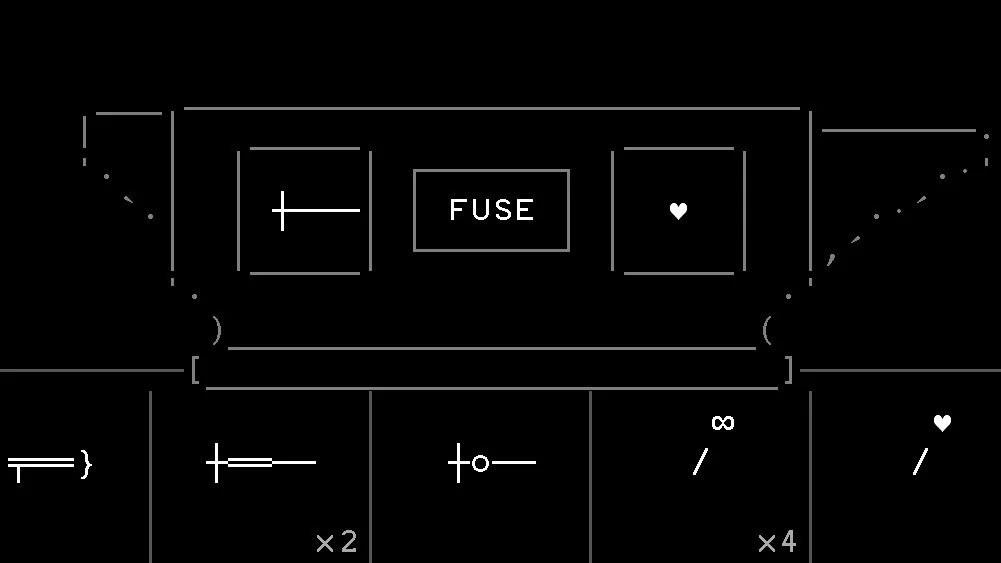
Away from the scripting layer, Stone Story RPG's crafting system is built around combining items rather than following a fixed upgrade chain, which rewards the kind of experimentation that most loot-driven RPGs design out in favour of a single obvious upgrade path. Eight distinct locations, each built around its own environmental identity and boss, give the eight-plus hours of main story content a reasonable amount of visual variety, and the game backs that structure with procedurally generated content for players who finish the story and want more of the same systems rather than a sequel.
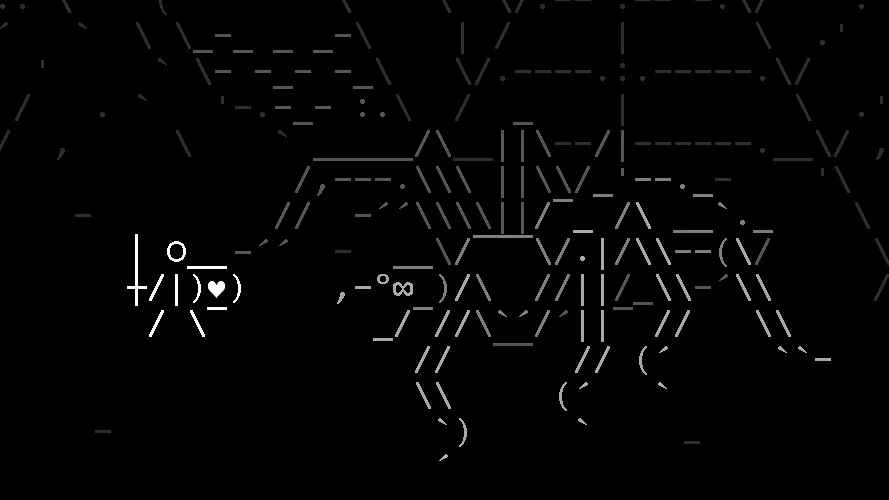
None of that would matter as much without the presentation carrying it. ASCII art is a hard trick to pull off at this level of fluidity — most attempts settle for static scenes with a few animated flourishes — and Stone Story RPG instead renders full combat animation, environmental detail and boss choreography entirely in character-based art, backed by an orchestral score doing a lot of the emotional work the visuals structurally can't. It's the single most-praised element across the game's Steam reviews, and deservedly so: it's a distinctive, coherent art direction rather than a retro gimmick, and it's the reason screenshots of this game get shared even by people who've never played it.
Where the grind sets in
The friction starts once the story content runs out and the game leans on systems built for a different platform. Stone Story RPG began life with a mobile release, and its progression design still shows it: daily quests that only refresh on a real-time clock, unlock timers that gate content behind waiting rather than playing, and a late-game loop that rewards grinding the same locations repeatedly for incremental gear modifiers rather than new content. Reviewers who put serious time in are candid about this pattern — describing a game that starts as a tight, well-paced adventure and gradually turns into farming familiar dungeons for marginal upgrades, with real-world clocks deciding when the next chunk of progress becomes available rather than player effort. One specific complaint has followed the game since Early Access and still shows up in current reviews: chest-opening and reward animations that run long and can't be skipped, a small friction point that compounds badly once you're opening dozens of them in a farming session.
None of this erases the strong opening hours, but it does mean the back half asks for patience the scripting hook doesn't automatically buy. Stonescript can automate the fighting; it can't skip the waiting.
The price question
Stone Story RPG sits at $29.99 on Steam, with no in-app purchases, loot boxes or premium currency attached to the PC release — what you pay is what you get, and the achievements, cloud saves and crafting systems are the same for every buyer regardless of spend. That's a clean, honest monetisation model on its own terms.
It reads differently against the game's own history, though. A free-to-play version exists on mobile with its own monetisation built around the same core systems, and a consistent thread in the negative Steam reviews compares the two directly — arguing that a game with an available free alternative, even one monetised differently, makes a $30 flat purchase a harder pitch, especially once the daily-timer structure carried over from that mobile design starts to show. That's a fair tension for a shopper to weigh rather than a flaw in the Steam version specifically, but it's the context the asking price sits in, and it explains a real slice of the review score that otherwise sits comfortably in "Very Positive" territory.
Verdict
Stone Story RPG earns its distinctiveness honestly. Nothing else on Steam pairs ASCII animation this accomplished with a scripting language this genuinely functional, and the boss encounters, crafting system and orchestral presentation are strong enough to carry an eight-hour story on their own. What keeps it out of the very top tier is the second half of that story leaning on real-time gates and repetitive farming that feel imported wholesale from the mobile release this game grew out of, plus an asking price that a chunk of its own player base openly weighs against a cheaper alternative that already exists.
If the idea of programming your own combat AI sounds like a novelty you'd try once and abandon, this probably isn't worth the full price for you. If it sounds like a genuinely interesting design problem — teaching a golem to fight better through your own logic rather than your own reflexes — Stone Story RPG delivers on that premise more completely than almost anything else attempting it, grind and all.
Players who like the idea of writing behaviour instead of executing it, but would rather that logic run a persistent world than a single-player campaign, might also want to look at Wanderer.
Pros and cons
Pros
- Stonescript turns AI-assisted combat from a gimmick into an actual scripting environment, with real conditionals, variables and a documented set of commands to manipulate your golem's behaviour
- ASCII animation this fluid and expressive is essentially unmatched elsewhere on Steam, and the orchestral score sells the atmosphere it can't render in pixels
- Item combination crafting rewards genuine experimentation rather than a fixed upgrade tree
- Boss encounters ask for real attention — timing potions and swapping gear mid-fight — even though the golem handles every swing on its own
- Runs comfortably in the background while multitasking, for players who want RPG progression without RPG-length attention demands
Cons
- Daily quests and real-time unlock timers throttle progression in a way that feels lifted from the free mobile version rather than designed for a paid PC release
- Late-game advancement leans heavily on farming incremental gear modifiers across repeated dungeon runs, and several biomes get revisited far more than their content justifies
- Chest-opening and other reward animations run long and can't be skipped, a friction point players have flagged since Early Access
- Interface and menu navigation get cluttered once crafting materials, modifiers and Stonescript variables all compete for the same small screen space
- A free-to-play mobile version with its own economy makes the flat $29.99 PC price a harder sell for players who've already seen the game elsewhere for less
Screenshots
-

Stone Story RPGImage: Rex Games via Steam -
Stone Story RPGImage: Rex Games via Steam -
Stone Story RPGImage: Rex Games via Steam -
How the review scores each part of the gameWanderer Editorial -
The short versionWanderer Editorial