
Game review
Soulbound: Online
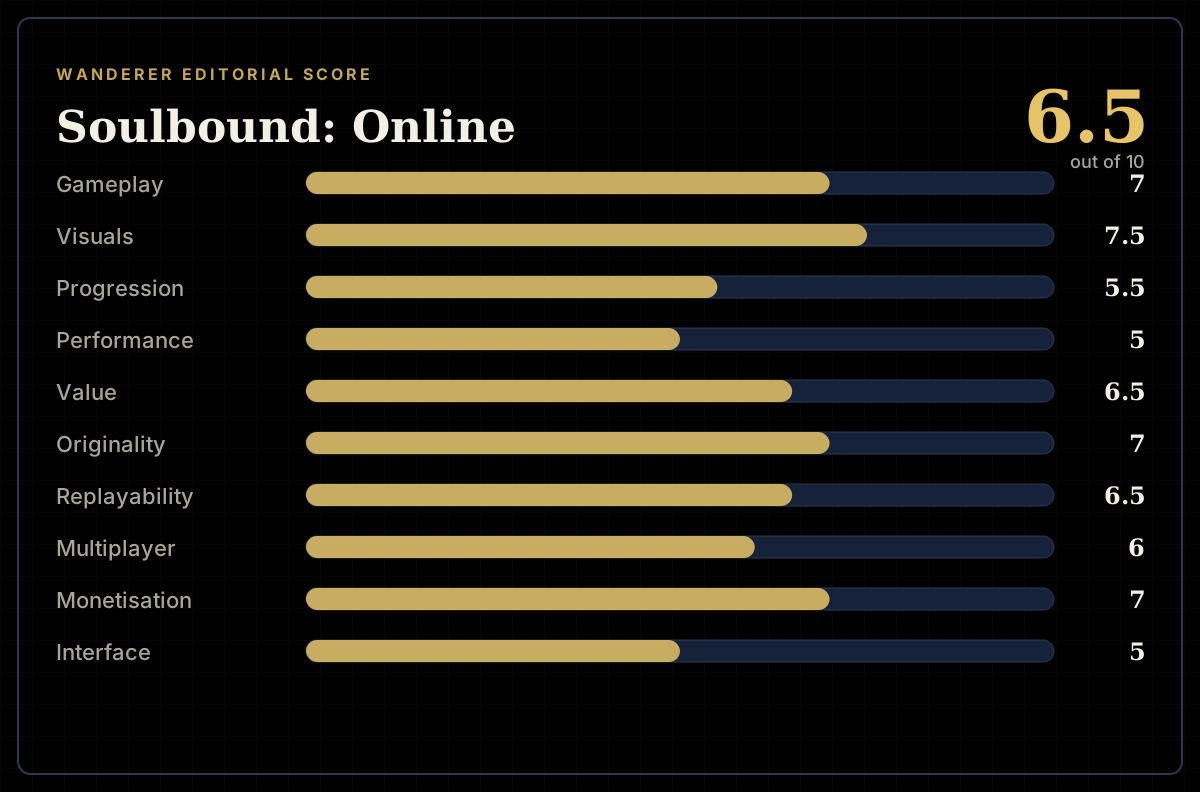
6.5 / 10
- Developer
- SpiderWare
- Publisher
- SpiderWare
- Released
- 21 July 2026
- Platforms
- Windows
- Genre
- Action MMORPG
- Monetisation
- One-time purchase, no confirmed in-game shop yet
- Players
- Persistent shared overworld, 3-player co-op dungeons, 5+ player raids, full solo play
The short version
Soulbound: Online pairs a genuinely inventive hook — roguelite dungeons that reshuffle every run, stitched into a persistent, player-run overworld — with the growing pains of a small studio relaunching a much bigger, messier project under a new name.
The combat is fast and the build variety is real, but server hitches, slow crafting timers and the game's unshaken reputation from its old NFT life keep pulling the experience back down to earth.
Biggest strengths
- The relic and ability system produces builds that feel discovered rather than assembled, and swapping gear swaps your whole class instantly
- 25 dungeons across six difficulty tiers and 60 levels of progression is an unusually large opening offer for a $14.99 Early Access ticket
- The overworld's farming, fishing, cooking and housing loop gives the game a reason to exist between dungeon runs instead of just padding a menu
Biggest weaknesses
- Server lag and desync are still common enough to cost hits and kills in dungeon runs, and the absence of a US East region keeps showing up in player complaints
- Crafting and station-upgrade timers stretch from convenient to multi-hour the moment you push past the early tiers, with no way to shorten them
- Interface rough edges persist: settings that don't save between sessions, empty chat bubbles and quests that break are still reported weeks into launch
Who it's for: Vampire Survivors and dungeon-crawler fans who don't mind rough Early Access edges while a small team works through server and pacing issues.
Our recommendation: Worth trying at this price if bullet-heaven combat inside an MMO shell sounds like your thing, but give it another patch cycle or two before expecting a smooth ride.
6.5 / 10
A pixel-art MMO that used to be something else
Soulbound: Online is easiest to describe by what it deliberately isn't anymore. Before SpiderWare's small London studio put it on Steam, the same game existed as Worldwide Webb, an Ethereum-based MMO built around purchasable NFT avatars and apartments. That version drew a following before the wider market for blockchain games collapsed, and SpiderWare's response was total: strip out every crypto system, wipe player data, rename the game and relaunch it as a conventional one-time purchase with no wallet required to play. The studio says the earlier version's browser and Discord audience topped a million accounts, a figure worth treating as a marketing number from a defunct product rather than a measure of who's actually logging in today.
That history matters here because it's still doing most of the work in Soulbound's Steam review score. The game currently sits at "Mixed," a little under 60% positive across its Early Access reviews, and reading through them makes the split obvious: a chunk of the negative reviews are settling scores with the studio's crypto-era decisions rather than describing the game running on their machine, while players who arrived with no history to relitigate skew considerably more positive. That's not a reason to wave off every complaint about the current build — plenty of the negative reviews are about lag, bugs and broken quests, which is a separate and legitimate problem — but it does mean the aggregate score understates how the actual 2026 product plays for someone coming in cold.
Dungeons that don't repeat, a world that does
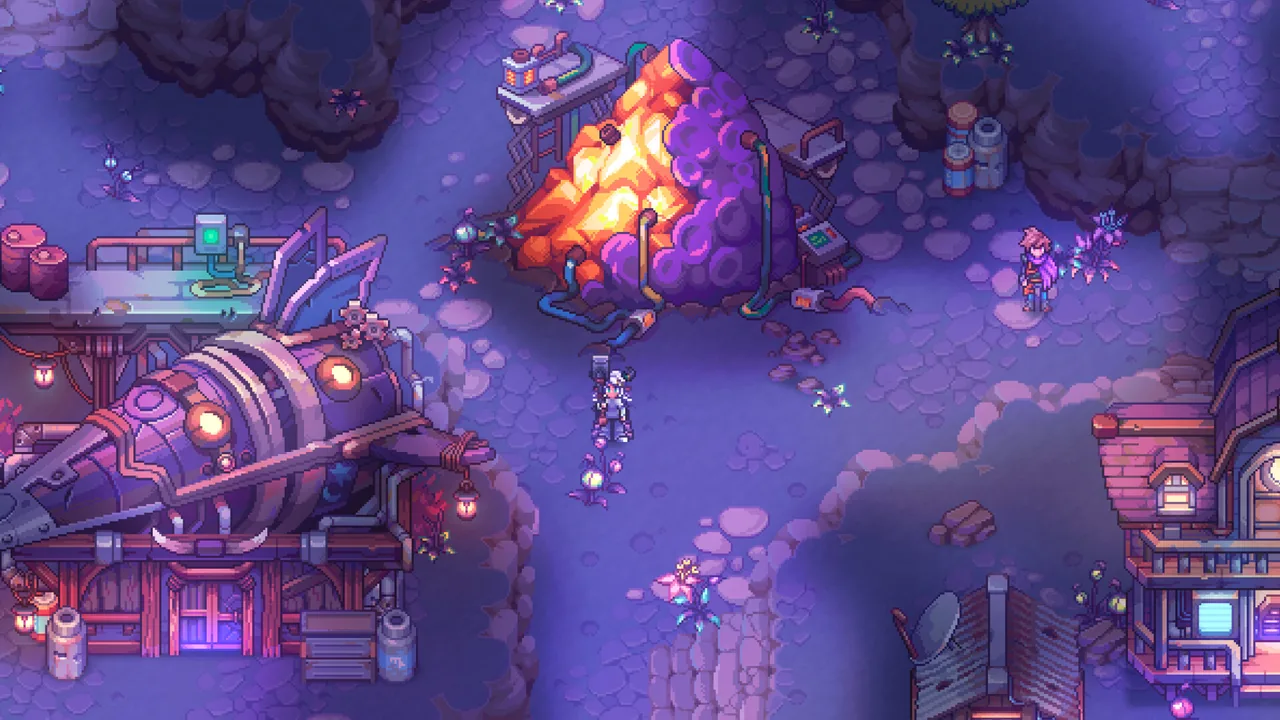
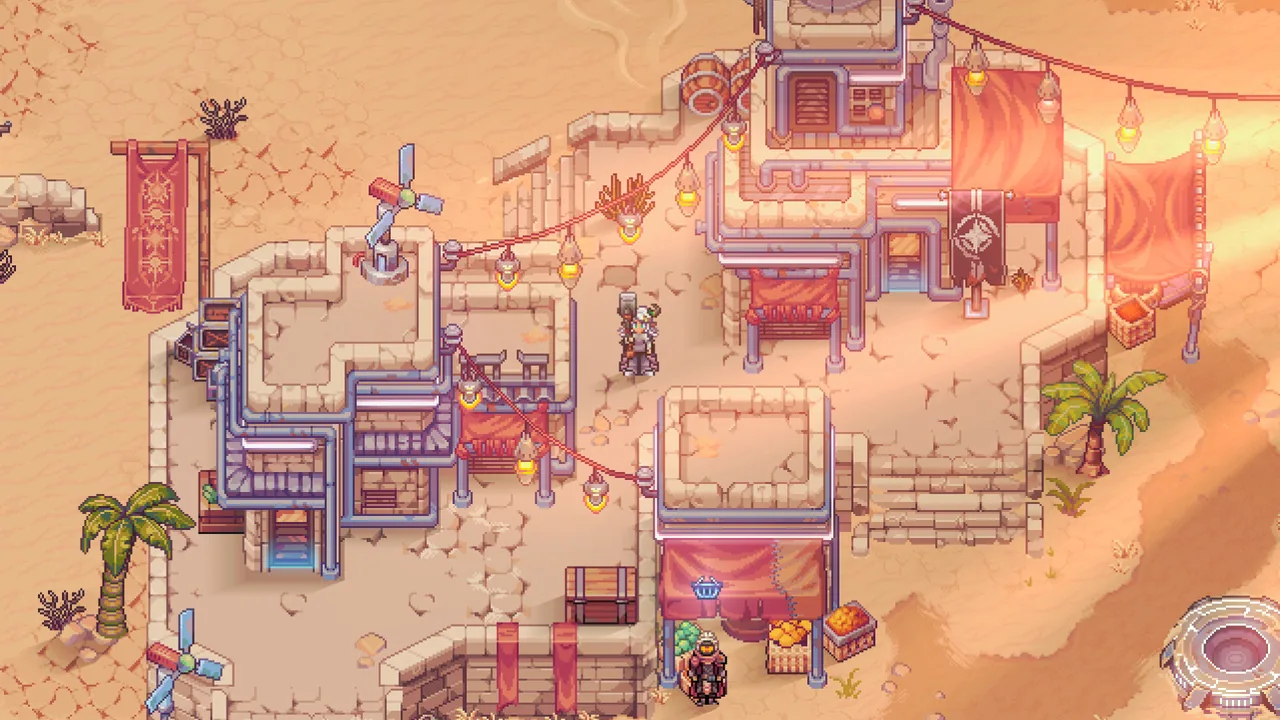
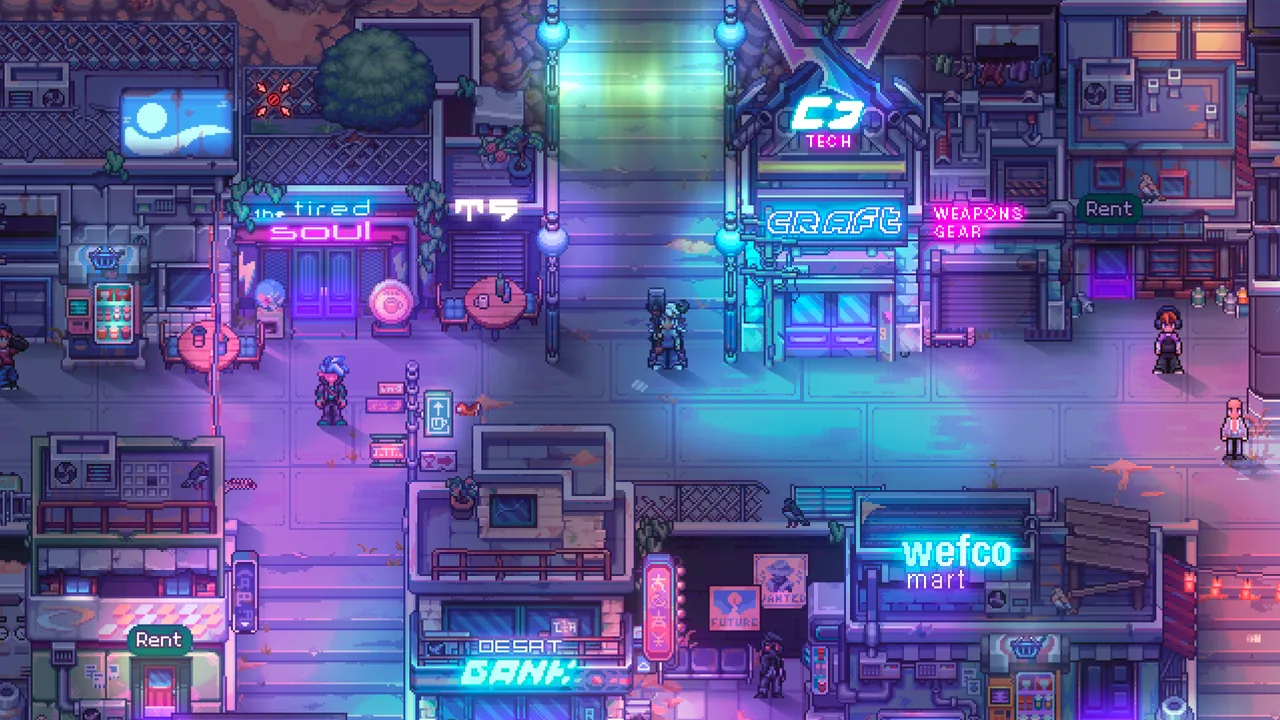
The pitch is an MMO split in two. A shared, persistent overworld handles quests, gathering, crafting and housing, while combat happens in instanced roguelite dungeons that reshuffle their layout, enemies, hazards and relic drops every time you enter. Ten-plus ability classes branch into relic paths that promise more than a hundred build combinations, and because gear swaps double as class swaps, there's no need to reroll a character to try a different playstyle — tank one session, go full glass-cannon ranged the next, on the same character.
It's a good pitch, and the part that's landed with players is the moment-to-moment feel of a run. The bullet-heaven combat borrows its DNA openly from Vampire Survivors and its imitators, but layering that over an MMO's persistent gear and stat systems gives fights more shape than the genre usually offers: a chain-lightning relic stacked onto the right ability can turn a room into a chain reaction you didn't plan for, and the best builds genuinely do emerge from experimentation rather than a wiki'd optimal path. Co-op sharpens this further — running dungeons with two other players lets roles specialise in a way solo play can't replicate, and the step up to five-plus player raids gives longer-term groups something to build toward.
Where the loop runs thinner is exactly where more experienced players start to notice it: once the initial variety of relics and enemy types has been seen, the dungeons are still, structurally, the same room-clearing survivor-style combat repeated at higher numbers. That's a fair criticism of the entire bullet-heaven genre, not just this game, but Soulbound doesn't yet layer in enough distinct mechanical hooks — no dodge roll, limited enemy behaviour variety at a glance — to fully disguise it across dozens of hours.
Progression, crafting and the timer problem
The overworld side is where Soulbound tries hardest to earn the "MMO" half of its billing, and it's also where the friction concentrates. Gathering, fishing, farming and cooking feed a crafting chain that produces the gear you actually want to run dungeons in, and early on that loop works: gathering doesn't feel like busywork, and turning raw materials into usable equipment gives the overworld a purpose beyond being a lobby between runs.
The trouble starts once crafting stations need upgrading. Multiple players who've put serious time into the game describe upgrade and refinement timers that scale from a manageable few minutes in the early tiers to durations measured in real-world hours — long enough that "log in, queue an upgrade, log off" becomes the default interaction with your own crafting bench. There's no premium currency on offer to skip the wait, which at least means the friction isn't being monetised, but that's cold comfort if the actual design goal is to slow players down rather than to sell them a shortcut. A crafting system that gates progression behind the clock instead of behind skill or resources reads like it was built for a much longer retention curve than a $15 Early Access game has any right to assume it's earned yet.
A shared world built for a bigger population than it currently has
This is the sharpest tension in Soulbound right now: it's structurally an MMO — persistent characters, a shared overworld, guild bases, a player-driven economy where you can run a shop and set your own prices — built by a studio small enough to describe its own culture as "fully async, no gatekeepers, every person on the team can ship." That's an admirable way to run a startup, and it shows in how fast hotfixes have gone out since launch, with players in the review section noting quick responses to bug reports even a few weeks in. It's a much harder way to run persistent server infrastructure for a live world.
The complaints that recur most in player feedback aren't really about content — they're about the plumbing underneath a live service: rubber-banding, missed hits from ping rather than positioning, desync in group content, and a conspicuous absence of a US East server region that shows up again and again from North American players. None of that is unusual for a small team's first weeks running dedicated servers at scale, and SpiderWare appears to be patching aggressively rather than sitting on the problem. But a persistent world only justifies itself over an instanced game if the persistence actually holds up under load, and right now Soulbound is asking players to trust a population and an infrastructure base it hasn't fully proven it can support yet. An additional wrinkle: SpiderWare has indicated Early Access servers will eventually be wiped ahead of a fuller launch, which is worth knowing before investing serious hours into a character or a base you'd hate to lose.
Monetisation, so far
Credit where it's due: for a game with this pedigree, the current monetisation model is refreshingly plain. Soulbound is a one-time purchase — $14.99 in the US, NZ$23.49 locally — with no free-to-play tier, no premium currency and no cash shop live at the time of writing. The cosmetic system that exists is separate from combat power, and there's nothing in the current build that resembles pay-to-win.
The caveat is that "no monetisation yet" isn't the same as "no monetisation plan." A game this openly built around live events, seasonal content and a cosmetic slot system is leaving room for a shop to arrive later, and the studio's own history of selling cosmetic NFTs in Worldwide Webb makes that a reasonable thing to watch rather than assume away. For now, judge the game on what it actually charges: a fair upfront price for a genuinely large amount of content, undercut mainly by the crafting timers discussed above, which function like mobile-game pacing gates without an accompanying shop to bypass them.
Final verdict
Soulbound: Online is a more interesting game than its Steam review score suggests, and a shakier one than its content list implies. The dungeon-and-relic combat loop is the clear strength — fast, build-driven, and genuinely improved by co-op — and 25 dungeons plus 60 levels of progression for $14.99 is a lot of game on paper. Set against that: server stability that still isn't where a persistent MMO needs it to be, crafting timers that turn a promising overworld loop into a waiting game, interface bugs that shouldn't still be common weeks after launch, and a studio history that will keep costing it goodwill regardless of how clean the current build gets.
None of that makes it a bad Early Access buy for the right player — someone who wants bullet-heaven combat with more structure than the genre usually offers, doesn't mind rough server behaviour, and is willing to treat a wipe as a real possibility rather than a footnote. It does make it hard to recommend as a finished MMO experience, because right now it isn't one. Players who like the idea of progression systems that keep running while they're away from the keyboard, without the server and pacing rough edges Soulbound is still working through, might also want to look at Wanderer.
Pros and cons
Pros
- The relic and ability system produces builds that feel discovered rather than assembled, and swapping gear swaps your whole class instantly
- 25 dungeons across six difficulty tiers and 60 levels of progression is an unusually large opening offer for a $14.99 Early Access ticket
- The overworld's farming, fishing, cooking and housing loop gives the game a reason to exist between dungeon runs instead of just padding a menu
- SpiderWare is visibly shipping hotfixes at a fast clip, and players report support tickets getting real responses
Cons
- Server lag and desync are still common enough to cost hits and kills in dungeon runs, and the absence of a US East region keeps showing up in player complaints
- Crafting and station-upgrade timers stretch from convenient to multi-hour the moment you push past the early tiers, with no way to shorten them
- Interface rough edges persist: settings that don't save between sessions, empty chat bubbles and quests that break are still reported weeks into launch
- The Worldwide Webb NFT history isn't going away as a talking point, and it colours the Steam review section more than the current build probably deserves
Screenshots
-
Soulbound: OnlineImage: SpiderWare via Steam -
Soulbound: OnlineImage: SpiderWare via Steam -
Soulbound: OnlineImage: SpiderWare via Steam -
How the review scores each part of the gameWanderer Editorial -
The short versionWanderer Editorial