Elden Ring Nightreign
FromSoftware compresses Soulslike boss combat into 40-minute three-player runs, trading Elden Ring's open-ended build freedom for ten fixed heroes, a shrinking map and a clock that never stops.
7.5 / 10
The Wanderer reading room
Idle RPGs, MMOs, browser games and mobile RPGs, taken apart properly. Every review carries a score out of 10, what the game does well, what it does badly, and the kind of player it is actually for.
FromSoftware compresses Soulslike boss combat into 40-minute three-player runs, trading Elden Ring's open-ended build freedom for ten fixed heroes, a shrinking map and a clock that never stops.
7.5 / 10
A voxel survival game that welds on a real RPG skill tree and dares you to dig, sculpt and build inside a world that is actively trying to kill you on a clock. Two and a half years into Early Access, with a 1.0 date finally on the calendar, the question is whether the fog and the talent tree were ever really talking to each other.
7.5 / 10
A ground-up rethink of 1999 EverQuest that solves the original's group-or-quit problem with a three-class multiclass system, then complicates its own launch week with a subscription, a cash shop and a beta that visibly shrank player storage before anyone had paid for it.
7 / 10
A free-to-play, IdleOn-flavoured AFK RPG that gets the offline-progression fundamentals right and stays refreshingly uncomplicated early on, but ships an MMO label its actual single-player design doesn't earn and sharpens its monetisation considerably once the early Acts are behind you.
6.5 / 10
A math-themed mobile incremental whose real product isn't the eight-chapter story but the JavaScript SDK sitting underneath it — a scripting layer that turns the community into an unofficial content team.
8 / 10
A game about ratios, throughput and the compulsion to make one number slightly bigger than it was five minutes ago, built with an engine precise enough to run that compulsion at a million entities without falling over. Ten years on, it is still the reference point every other automation game gets measured against.
9.5 / 10
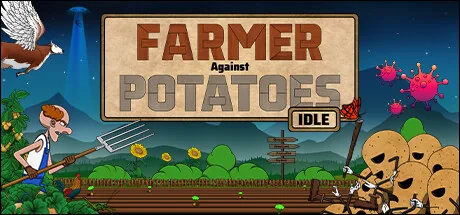
A free idle RPG about killing an infinite number of potatoes that turns out to have one of the most patient, best-supported progression systems in the genre, and very little interest in pressuring anyone to pay for it.
7.5 / 10
The second act of the Remake trilogy trades Midgar's corridors for open regions, a deep Synergy-and-Folio combat system and a genuinely excellent card game — then buries a chunk of it under checklist busywork and a PC port that still stutters a year on.
8 / 10
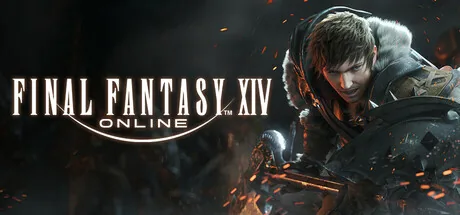
A subscription MMORPG where one character can learn every job in the game, and where the story you're required to sit through before reaching the current patch has grown into a decade-plus commitment. Reviewed with Dawntrail current and patch 7.55 freshly out.
8.5 / 10
A hero-collecting idle RPG with real longevity behind it — five years in Early Access, fifteen-plus progression systems and no priced Steam DLC — undercut by a currency count that outgrows the player's patience and a guild structure that quietly punishes anyone without an active group.
6.5 / 10
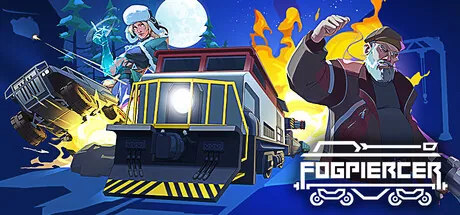
A roguelike deckbuilder where your deck is literally the train you've assembled car by car, and every collision on the tactical grid can chain into a fight-ending disaster for whoever's standing in the way.
7.5 / 10
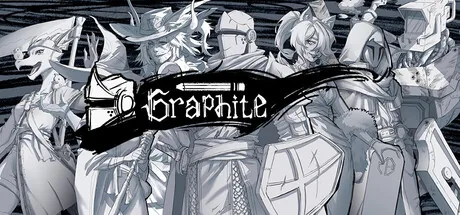
A pencil-drawn tactics RPG where combat plays out on a shared timeline both sides can sabotage, off to a strong start on a tiny early sample and a distinctive hook, with a controller gap and an unproven long game keeping the verdict cautious three days after launch.
7.5 / 10
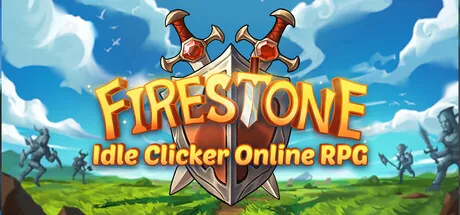
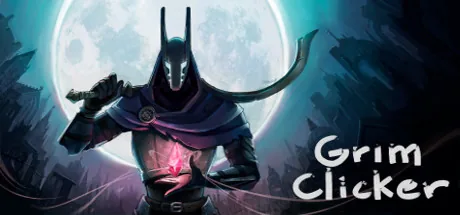
A side-scrolling idle ARPG that spent years quietly growing one of the clicker genre's largest skill trees in Early Access, then wrapped it in an energy-gated click system, RNG loot chests and a shard shop slow enough that a meaningful minority of players call the whole thing a grind built to sell its own solution.
6 / 10
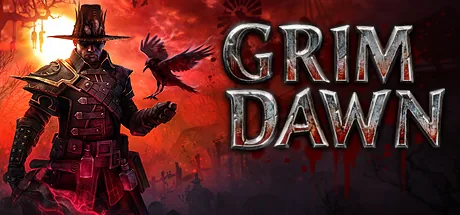
A decade-old action RPG that just got a real tenth mastery and a third of a new map, proving Crate Entertainment still has more to say — even if the engine underneath it never stopped being from 2016.
8.5 / 10
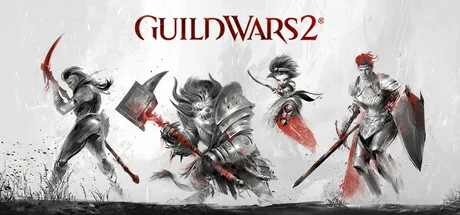
No subscription, no level-cap treadmill and, fourteen years on, still no level 81 — Guild Wars 2's horizontal progression is either the smartest bet the MMO genre ever made or a slow-burn excuse for six expansions of buy-in. Reviewed with Visions of Eternity live.
8.5 / 10
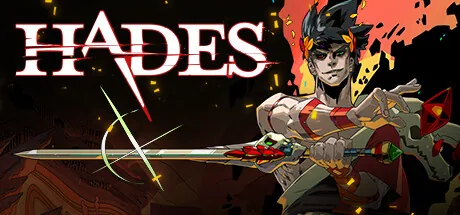
Supergiant welded a fully voiced, choice-reactive narrative onto the bones of a permadeath roguelite and made death itself the mechanism that moves the story forward — a look at why the original Hades still reads as close to a solved design problem five years and one full sequel later.
9 / 10
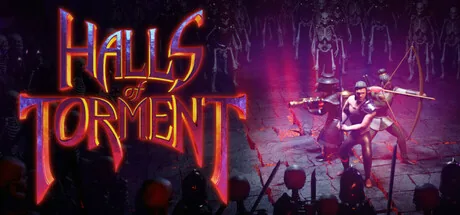
Chasing Carrots dressed a Vampire Survivors loop in Diablo's dark isometric skin and then buried it under one of the deepest meta-progression trees the survivor-like genre has — a review of what that unlock grind buys you, and what happens to the screen once it pays off.
8 / 10
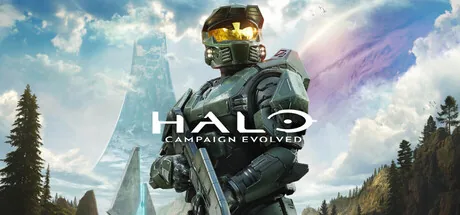
A genuinely impressive Unreal Engine 5 remake of the campaign that built a franchise, shipped with one enormous, deliberate omission — every scrap of the multiplayer that kept people playing the original for twenty years.
7 / 10
Orna's class-and-gear rulebook, unplugged from GPS and pinned to a handcrafted continent instead. The systems survive the transplant; the thing that made its sibling famous doesn't.
7 / 10
The officially licensed D&D idle game turns line-up positioning into a real tactical puzzle, then buries that good idea under one of the most persistent monetisation engines in the idle genre.
6.5 / 10
A cheap Melvor-style idle RPG whose worker-automation system is a genuine bright spot, undercut by additive scaling that stalls progress hard past the opening days and by flavour text several players independently flag as AI-written.
5.5 / 10
An idle RPG that swaps the genre's usual real-time clock for something stranger — your knight levels up from the mouse clicks and keystrokes you make in other programs entirely.
6.5 / 10
A paid idle RPG that piles five separate game modes, 125+ powers and a full forging-and-prestige stack onto a post-apocalyptic hero — genuinely deep for the genre, but still working out UI bugs and an overwhelming opening hour a month after launch.
7 / 10
A turn-based idle grinder built around hiring the monsters you've just killed, with a genuinely clever risk-versus-reward twist buried under a spreadsheet-dense interface and a release so quiet that Steam has barely registered it exists.
6 / 10