Game review
Graphite
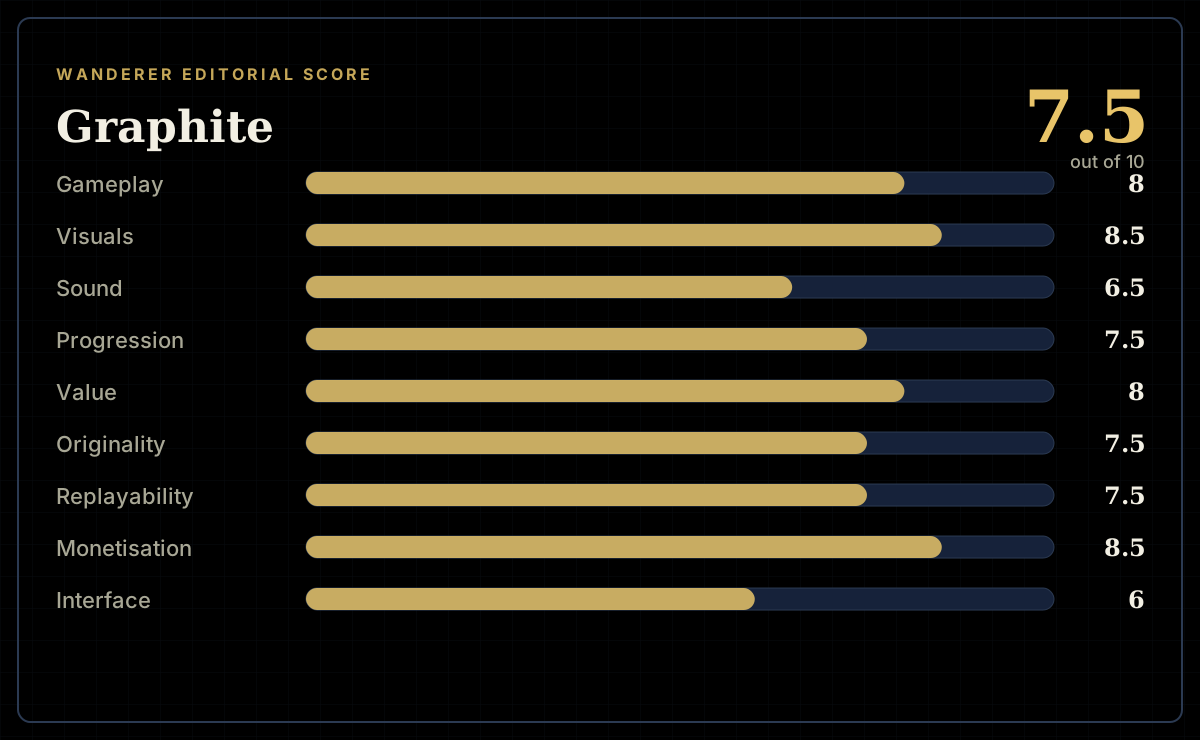
7.5 / 10
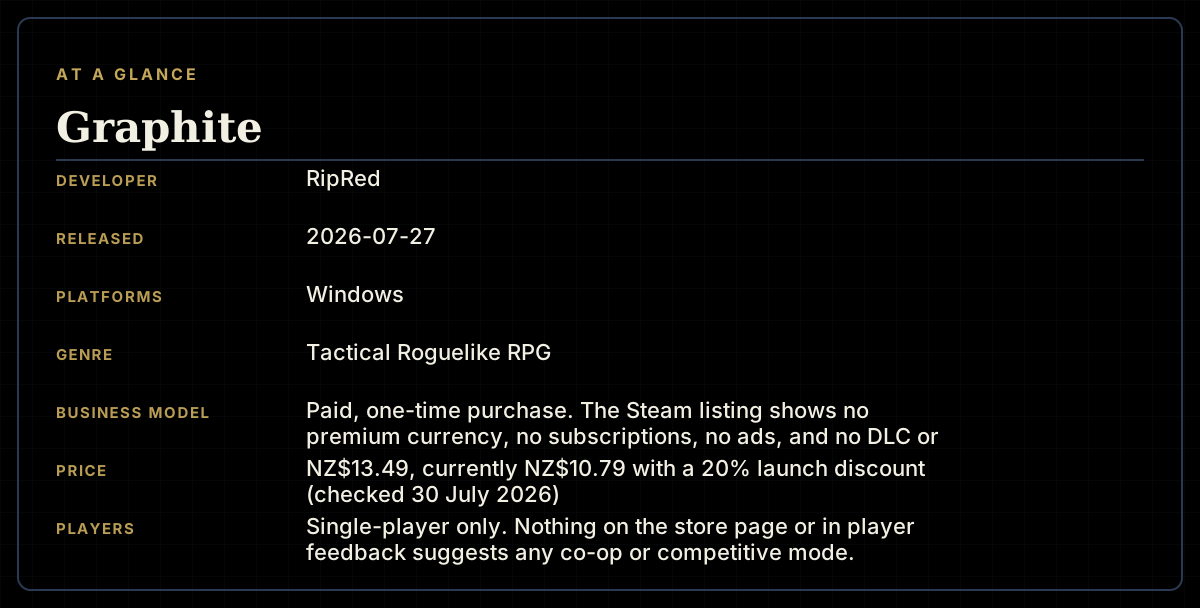
- Developer
- RipRed
- Publisher
- indie.io
- Released
- 27 July 2026
- Platforms
- Windows
- Genre
- Tactical Roguelike RPG
- Monetisation
- Paid, one-time purchase. The Steam listing shows no premium currency, no subscriptions, no ads, and no DLC or edition-exclusive content of any kind — a free demo covering the entire first act is the only other thing attached to the store page.
- Players
- Single-player only. Nothing on the store page or in player feedback suggests any co-op or competitive mode.
The short version
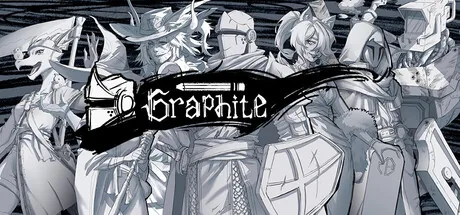
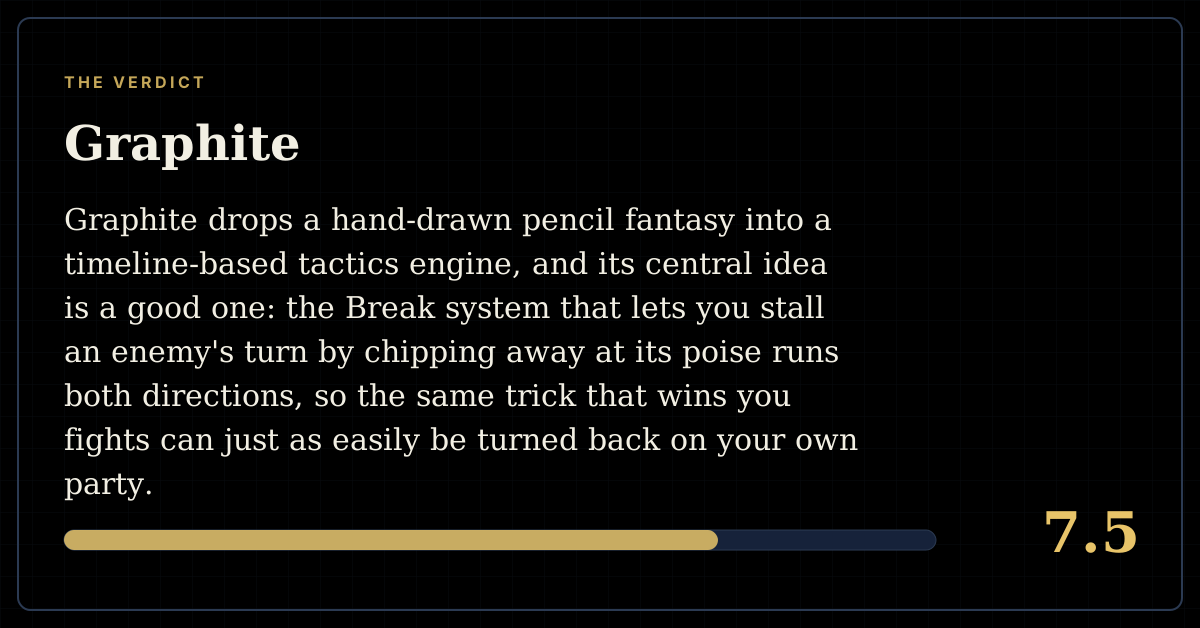
Graphite drops a hand-drawn pencil fantasy into a timeline-based tactics engine, and its central idea is a good one: the Break system that lets you stall an enemy's turn by chipping away at its poise runs both directions, so the same trick that wins you fights can just as easily be turned back on your own party. Layer in artifacts that stack without limit — for both sides — and you get a system with real teeth, not just a re-skinned deckbuilder.
Three days after launch the evidence for all of this is still thin. Ten Steam reviews, every one positive, converge on the same specific praise: the pencil-and-notebook art style, the timeline combat, and seven heroes with enough personality to make camp scenes land. What that sample can't yet tell you is how the systems hold up past the opening hours, and the listing itself flags two real gaps — no listed controller support and English-only text and audio.
Biggest strengths
- The Break system depletes enemy poise to shove their turn down the timeline, and enemies can do the exact same thing back, so fights stay a two-way tactical negotiation rather than a one-sided puzzle
- Artifacts stack with no upper limit on either side of the fight, and multiple early reviewers independently describe genuinely absurd, build-defining power swings rather than incremental stat bumps
- The pencil-and-notebook art direction is the single most consistently praised element across every account of the game so far, on top of a premise — a grieving kid's imaginary campaign — that gives the framing device real weight instead of just novelty
Biggest weaknesses
- No full controller support is listed among the store page's categories, and at least one detailed early review flags exactly that as a live quality-of-life complaint
- The game ships English-only, including for audio, which caps its reach regardless of how the combat holds up
- Steam Cloud saves aren't listed either, a small but real gap for a game built around procedurally generated runs you might want to pick up on a different machine
Who it's for: Tactics-RPG players who want a timeline system with real bite rather than a straight Final Fantasy Tactics clone, and who don't mind buying into an unproven week-old release from a small studio.
Our recommendation: Worth it at the current NZ$10.79 launch price, especially since the free first-act demo lets you test the timeline combat before paying anything. Players who need full controller support, other-language text, or a release with a settled reputation behind it should wait and watch how the game holds up over its first few months.
7.5 / 10
A kid's notebook as a tactics engine
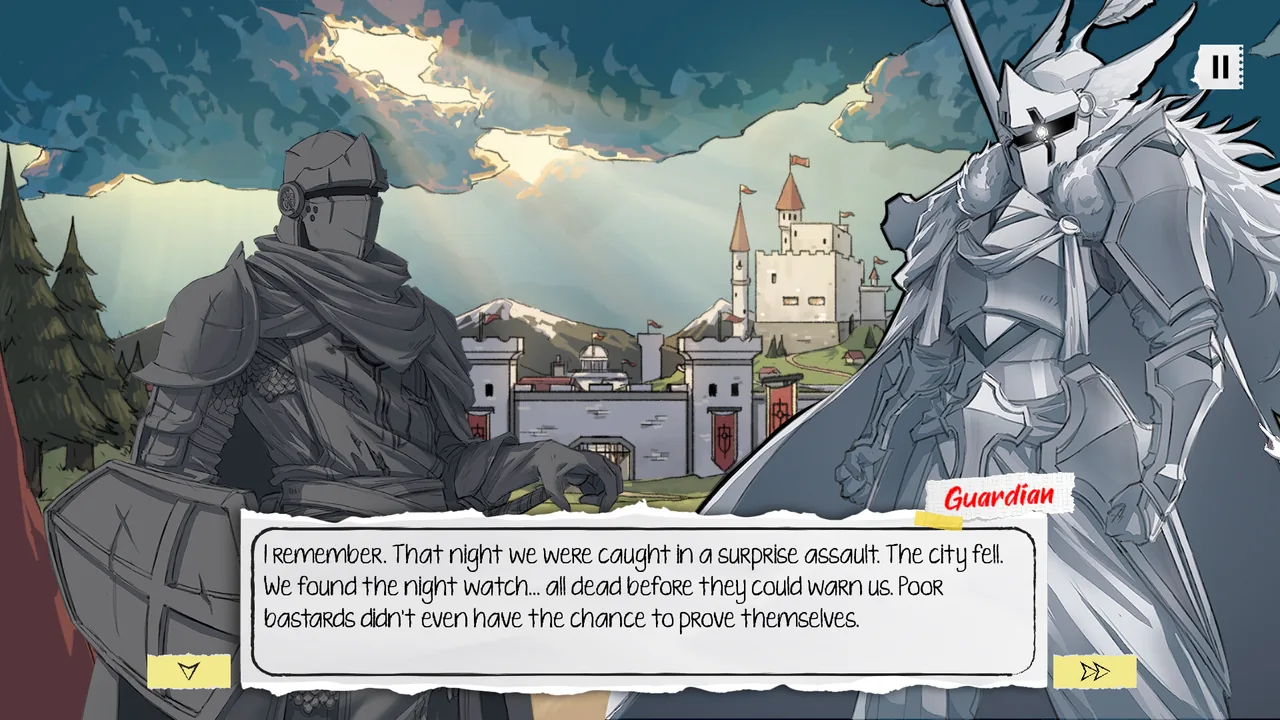
Most roguelike RPGs dress up a familiar loop — fight, loot, repeat, reset — in a new coat of paint. Graphite's coat of paint is doing more work than that. The whole game is framed as the pen-and-paper campaign of a boy processing grief, drawn out across notebook pages with seven pencil heroes who have no idea they're imaginary. It's a premise that could easily curdle into whimsy for its own sake, but the framing device earns its keep by giving the choose-your-own-adventure event cards — drawn from a tarot-styled deck between fights — somewhere to land emotionally rather than just existing as random modifiers.
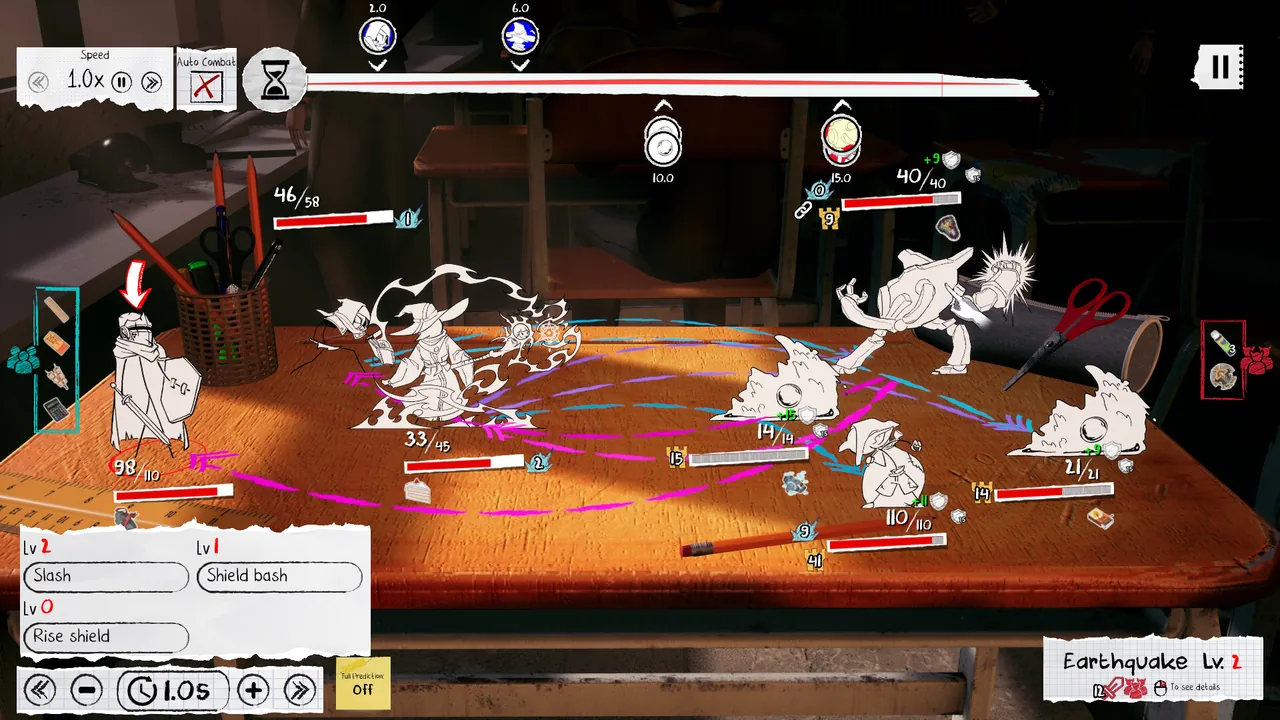
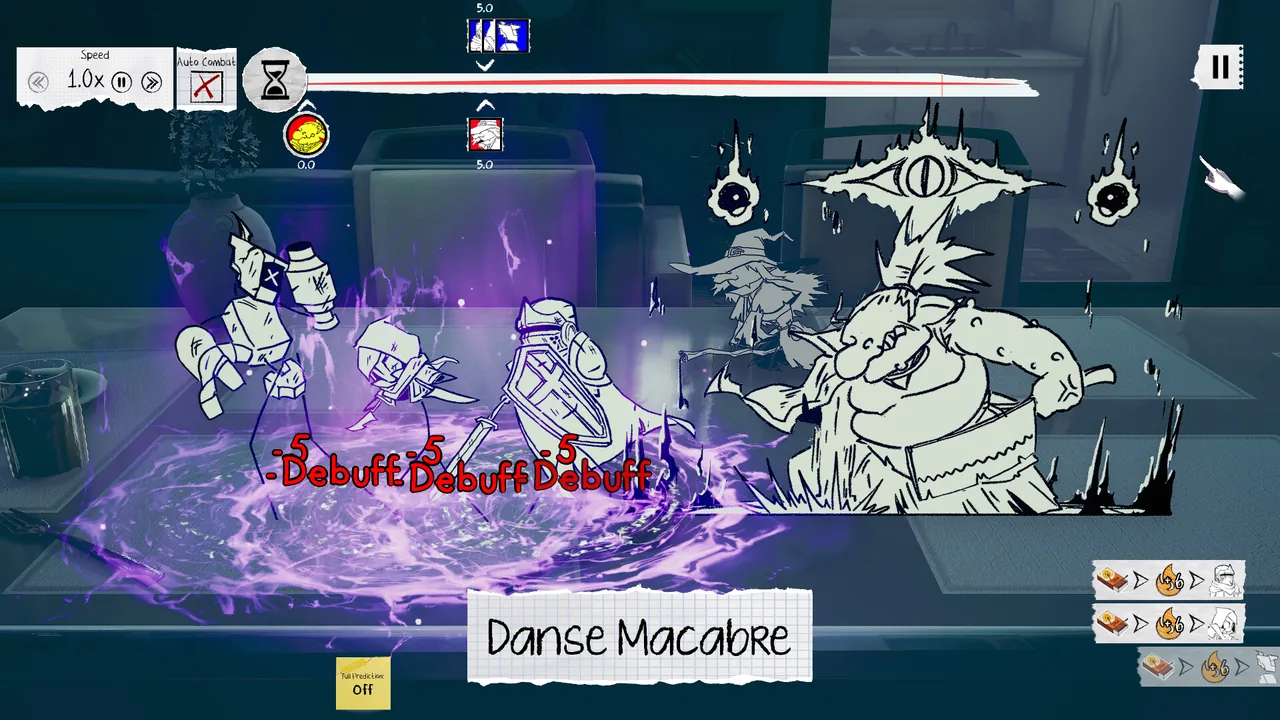
The mechanical hook underneath all of that notebook dressing is the part worth paying closer attention to. Combat runs on a dynamic timeline descended from the Final Fantasy Tactics and Final Fantasy X school of turn order: every action, yours and the enemy's, occupies a visible slot further down the line, so you're planning around when things happen rather than just what happens. Layered on top is the Break system, which lets you deplete an enemy's poise mid-wind-up and shove its action further down the timeline — buying your side tempo at the enemy's expense. The detail that actually distinguishes Graphite from the dozen other timeline-tactics games chasing that same FFT/FFX lineage is that Break isn't a one-way player toy. Enemies read and use it too, so a turn you spent setting up a delay can just as easily get delayed itself. That's a genuinely different design decision from most turn-order tactics games, which tend to hand the player unilateral control of pacing and let the enemy AI just react.
Builds that go, in the words of more than one player, "ridiculous"
The other system worth dwelling on is artifacts. There's no stack limit, on either side of the fight — you can dump every resource you've saved into a single stat line and watch it compound past anything a normal RPG would allow, and the enemy roster can do the same thing to you. That's a volatile design choice, and it shows up as the single most repeated observation among the handful of players who've logged real hours with the game: builds swing from feeling undertuned to feeling absurdly overpowered within the same run, sometimes within the same fight. One detailed account describes saving up for roughly ninety artifact draws at once and spending a quarter of an hour watching a single turn double the whole party's output — described, approvingly, as "hilarious and childlike," which fits a game explicitly about a kid's imagination running past any sense of restraint. Whether that volatility reads as a feature or a balance problem once players have put dozens of hours in rather than five isn't something the current record can answer, but as an opening pitch it's a more interesting risk than most roguelites take with their power curves.
Difficulty is handled with more care than the artifact system might suggest. Rather than a single fixed challenge setting, players can adjust difficulty modularly and — notably — retroactively after finishing the game once, which lowers the barrier for players who want to see the story first and tune the challenge on repeat runs afterward. It's a small structural choice, but it's the kind of thing that suggests the systems underneath the notebook aesthetic were built with some care for how different players actually approach a roguelite.
What the art carries, and what the interface doesn't
Every account of Graphite so far agrees on the presentation. The hand-drawn, pencil-and-ink visual identity is consistently the first thing players mention, and it's doing genuine narrative work rather than sitting on top as a skin — the game's use of household junk as monster and prop design, and its notebook-page framing for menus and events, ties the visuals directly to the story it's telling about a child building a world out of what's on his desk. Music gets a noticeably cooler reception in the same breed of first-hour accounts that otherwise praise everything else, landing somewhere around "fine" rather than a second pillar of the presentation.
Where the interface picture gets more concrete is input support. Graphite's own Steam category list doesn't include full controller support, and the one criticism that shows up unprompted in an otherwise glowing account of the opening hours is exactly that gap, alongside general keyboard quality-of-life. For a tactics RPG — a genre plenty of players expect to run comfortably on a gamepad or a Steam Deck on the couch — shipping without confirmed controller support the same week it launches is a real limitation, not a nitpick. English-only text and audio is a second, blunter cap on how far the current release can reach, whatever the strength of the systems underneath it.
Value and where this stands three days in
On the money side there's nothing to complain about. NZ$13.49 as a one-time purchase, currently NZ$10.79 during the launch discount, with no premium currency, no battle pass, no ads and nothing resembling DLC on the store listing — and a free demo covering the entire first act, which is an unusually generous way for a small studio to let players test a combat system this unfamiliar before committing money to it. For a week-one release from a studio without an established track record, that's about as low-risk a purchase as a paid indie game can offer.
The honest caveat sits with reception rather than price. Ten Steam reviews, all of them positive, is a genuinely small sample for a launch — not a statistically meaningless one, since every single account independently lands on the same specific strengths (the art, the timeline combat, the character writing, the artifact swings), which is a more useful signal than the raw percentage alone. But it's still a week's worth of enthusiastic early adopters rather than a track record, and at least one of those ten reviews came from a copy received for free with playtime logged before the public release date — a detail worth knowing rather than a scandal, but a reminder that "100% positive" this early is describing a very small, self-selected room rather than the market at large.
Verdict
Graphite earns its 7.5 on the strength of a real idea, not just a striking coat of paint. A timeline-and-poise combat system that lets both sides interrupt each other, wrapped around an artifact economy with genuinely uncapped highs and lows, gives it more mechanical identity than most tactics roguelites manage in their first week. The notebook framing and hand-drawn presentation are doing more than decoration — they're the reason the choice-driven event cards and the seven-hero cast land as well as early players say they do.
It stops short of a higher score for reasons that have nothing to do with ambition and everything to do with how new this release is. No confirmed controller support and an English-only release limit who can comfortably play it right now, and ten reviews — however consistent — simply can't confirm whether the Break system and the artifact economy stay interesting once the opening-hour honeymoon wears off. The free demo makes trying that judgment out for yourself close to free, which is the best argument for picking Graphite up this week rather than waiting for the picture to fill in.
Tactics fans who want their timeline system to have consequences beyond the player's own plan might also want a look at the on-map, server-authoritative combat in Wanderer.
Pros and cons
Pros
- The Break system depletes enemy poise to shove their turn down the timeline, and enemies can do the exact same thing back, so fights stay a two-way tactical negotiation rather than a one-sided puzzle
- Artifacts stack with no upper limit on either side of the fight, and multiple early reviewers independently describe genuinely absurd, build-defining power swings rather than incremental stat bumps
- The pencil-and-notebook art direction is the single most consistently praised element across every account of the game so far, on top of a premise — a grieving kid's imaginary campaign — that gives the framing device real weight instead of just novelty
- A free "Act 1" demo covering the whole opening act lets you test the combat loop before paying anything, which is an unusually low-risk way to sell a week-old indie tactics game
- One-time NZ$13.49 price with no premium currency, subscriptions, ads or DLC anywhere on the listing, and difficulty can be adjusted retroactively once you've beaten the game once
Cons
- No full controller support is listed among the store page's categories, and at least one detailed early review flags exactly that as a live quality-of-life complaint
- The game ships English-only, including for audio, which caps its reach regardless of how the combat holds up
- Steam Cloud saves aren't listed either, a small but real gap for a game built around procedurally generated runs you might want to pick up on a different machine
- Ten total reviews three days after release is nowhere near enough to know whether the timeline system, the artifact economy or the difficulty curve stay interesting across dozens of hours rather than just the first few runs everyone is currently describing
- One of the ten reviews on record was left by a player who received a free copy and logged playtime before the public release date, which is worth knowing when weighing how organic the current sample really is
Screenshots
-
GraphiteImage: indie.io via Steam -
GraphiteImage: indie.io via Steam -
GraphiteImage: indie.io via Steam -
How the review scores each part of the gameWanderer Editorial -
The game at a glanceWanderer Editorial -
The short versionWanderer Editorial