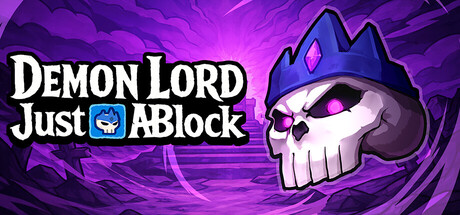
Game review
Demon Lord: Just a Block
7 / 10
- Developer
- YuWave
- Publisher
- YuWave
- Released
- 29 April 2026
- Platforms
- Windows
- Genre
- Action, Adventure, Casual, Indie, RPG, Strategy
- Monetisation
- One-time purchase
- Players
- Single-player
The short version
Demon Lord: Just a Block, released 29 April 2026 by solo developer YuWave, casts a once-mighty demon lord, reduced to a cursed block by a secret nemesis, into a roguelite dungeon crawl where the world only moves when the player does, layered with real-time dodge and parry options for players who want to move fast. Its review sample is Very Positive and consistently praises the hybrid movement system, an unusually large and varied weapon-and-build roster, and a charming, frequently funny sense of humour, drawing comparisons to Crypt of the Necrodancer, Hades, and Shogun Showdown. That praise comes with real friction, though: a meaningful number of reviewers find the dodge-and-parry timing inconsistent to the point of undermining the advertised turn-based promise, several raise specific and serious accessibility barriers, and a smaller number flag disputed claims about undisclosed AI-generated art and uncomfortable NPC dialogue that prospective buyers should weigh for themselves.
Biggest strengths
- A genuinely novel hybrid movement system, the world advances only when you move, but dodging and parrying let you fight in something close to real time, earns consistent praise for letting players choose a slow, methodical pace or a fast, flow-state one within the same run
- An unusually large roster of distinct weapons and ability categories, each meaningfully changing how a run plays out, combined with persistent stat progression between runs and a large amount of secrets and lore to uncover, drives strong "one more run" replayability
- Consistently praised writing and presentation, charming pixel art, a genuine sense of humour, and an intriguing mystery framing device about who reduced the demon lord to a block, give the game a distinct personality that reviewers repeatedly call a cut above genre norms
Biggest weaknesses
- The core dodge-and-parry mechanic is the most consistently contested element in the sample, several reviewers describe timing windows that behave inconsistently between enemy types, and multiple reviewers note this directly contradicts marketing copy describing the game as a "tactical action roguelite where every move matters, and reflexes don't"
- A cluster of detailed accessibility complaints recur across the sample: a colour scheme where both healing items and damaging bombs are visually similar, boss attack warnings and blood splatter using the same red highlight, gamepad input conflicting with third-party accessibility software, and menus some reviewers report becoming unable to close without restarting
- Several reviewers describe the meta-progression and build variety as shallower than expected on a second look, citing a lack of true cross-category synergy, a handful of overpowered options like an invulnerability build that trivializes boss encounters, and boss fights that lean on high health pools with simple, repetitive attack patterns rather than genuine complexity
Who it's for: Roguelite and roguelike fans who enjoy build variety and run-to-run experimentation, especially players drawn to Crypt of the Necrodancer or Hades who want a version they can slow down to a genuinely turn-based pace when needed.
Our recommendation: A genuinely inventive and addictive roguelite for players comfortable with its hybrid pacing, but its reflex-dependent dodge and parry mechanics sit uneasily against marketing that promises a purely turn-based, reflex-free experience, and players with motor, visual, or timing-sensitive accessibility needs should read the specific concerns raised in its review sample closely before buying.
7 / 10
Demon Lord: Just a Block opens on a startling demotion: a once-mighty demon lord, stripped of nearly everything and reduced to a small, animate block by an unknown betrayer, sets out through a dungeon to uncover who did this and take revenge. Released 29 April 2026 by solo developer YuWave, the game's real hook isn't its premise but its movement system, a roguelite where the world only advances when the player takes a turn, but where dodging and parrying let combat flow in something close to real time for players who want to move fast. Its Very Positive review sample responds strongly to that hybrid, alongside an unusually deep well of weapons, builds, and secrets, but a specific, detailed set of concerns, about the dodge system's consistency, about accessibility, and about a couple of more serious allegations, recur often enough in the sample to deserve real attention before buying.
A turn-based game that doesn't have to feel like one
The central mechanical idea, that the world only moves when you do, gives Demon Lord: Just a Block a rare flexibility that reviewers repeatedly single out as its best feature. Players can take the slow, methodical route, planning every step like a classic dungeon crawler, or lean into dodge and parry inputs to chain moves together in a way several reviewers describe as feeling close to real-time action, all within the same run and often the same fight. Comparisons to Crypt of the Necrodancer come up constantly, but reviewers are quick to note the key difference: there's no forced rhythm here, you can stop and think as long as you need to, aside from a handful of explicitly timed rooms and secrets. That flexibility, paired with the ability to walk away mid-run without pressure, earns specific praise from reviewers who say it makes an otherwise intense genre approachable in a way few roguelites manage.
Weapons, builds, and secrets that reward digging in
Beyond its movement hook, the game earns consistent praise for the sheer number of weapon types and ability categories on offer, each described as meaningfully changing how a run plays rather than being a simple stat reskin, alongside persistent stat growth between runs and a substantial amount of hidden content, secret bosses, lore fragments, and puzzle-like discoveries tucked throughout the dungeon. Reviewers describe genuinely broken, satisfying combinations emerging from specific weapon-and-ability pairings, and several single out the game's humour and writing, a running mystery about the demon lord's downfall paired with a light, frequently funny tone, as elevating it well above a generic genre entry.
When "reflexes don't matter" doesn't hold up
Set against that praise, the review sample's most consistent friction point concerns the dodge-and-parry system that's meant to be optional but frequently isn't. Several reviewers report timing windows and behaviour that shift unpredictably between enemy types, some enemies move on different internal timers, some take multiple actions per turn, and some appear to bypass the dodge and parry rules entirely, and multiple reviewers point out this directly undercuts marketing language describing the game as a tactical roguelite "where reflexes don't" matter. For players with limited reflexes or motor control, this isn't a minor gripe: one detailed accessibility-focused review describes it as effectively unplayable at points despite genuinely wanting to enjoy the rest of the game, and calls the earlier removal of a fully turn-based option, present in an earlier demo build, a real loss.
Accessibility gaps worth taking seriously
A cluster of specific, detailed accessibility complaints recurs across the sample and is worth treating as more than isolated nitpicking. Multiple reviewers flag a colour and iconography problem, healing apples and damaging bombs looking similar at a glance, and boss telegraph warnings sharing the same red highlight used for blood splatter effects, both of which specifically hinder players with low vision. Others report gamepad input being mapped in a way that conflicts with third-party accessibility software, and at least one detailed review describes specific menus that couldn't be closed without restarting the game entirely. None of these are described as universal experiences, most reviewers don't mention them at all, but their specificity and consistency across independent reviewers suggests real, fixable gaps rather than one-off bugs.
Progression and balance that thin out on inspection
A smaller but recurring thread questions how deep the game's systems really are once the initial excitement wears off. Several reviewers describe true cross-category build synergy as limited, with most powerful combinations coming from stacking within a single ability category rather than combining across them, and specifically call out an invulnerability-focused build as strong enough to trivialize boss mechanics entirely. Related complaints note that many bosses lean on large health pools and simple, repeated attack patterns rather than escalating complexity, leading a number of reviewers, including some who otherwise recommend the game, to describe late-game boss fights as tedious rather than challenging.
Two claims worth reading for yourself
Finally, two specific and more serious complaints appear in the sample that deserve mention without independent verification from this review. One detailed negative review alleges that the game's art and music are AI-generated despite the store page's claim that all content was created entirely by the developer. A separate review flags what it describes as an uncomfortable, seemingly misogynistic tone in some NPC dialogue. Neither claim can be confirmed or refuted from the review sample alone, but both are specific enough, rather than vague complaints, that prospective buyers who care about either issue should look into them directly before purchasing.
Final Verdict
Demon Lord: Just a Block succeeds at something genuinely difficult: a roguelite movement system flexible enough to be played slow and tactical or fast and reflexive, wrapped in a charming, funny, secret-stuffed dungeon crawl with real build variety. Its review sample makes clear that's a winning combination for most players. But the gap between its "reflexes don't matter" marketing and the lived experience of several reviewers, alongside specific, recurring accessibility complaints and a couple of more serious unverified allegations, means this isn't a frictionless recommendation. For players comfortable with reflex-dependent combat and unbothered by the concerns raised above, it's a genuinely inventive and addictive roguelite worth its price; players with relevant accessibility needs should read the sample's specific complaints closely first.
Pros and cons
Pros
- A genuinely novel hybrid movement system, the world advances only when you move, but dodging and parrying let you fight in something close to real time, earns consistent praise for letting players choose a slow, methodical pace or a fast, flow-state one within the same run
- An unusually large roster of distinct weapons and ability categories, each meaningfully changing how a run plays out, combined with persistent stat progression between runs and a large amount of secrets and lore to uncover, drives strong "one more run" replayability
- Consistently praised writing and presentation, charming pixel art, a genuine sense of humour, and an intriguing mystery framing device about who reduced the demon lord to a block, give the game a distinct personality that reviewers repeatedly call a cut above genre norms
Cons
- The core dodge-and-parry mechanic is the most consistently contested element in the sample, several reviewers describe timing windows that behave inconsistently between enemy types, and multiple reviewers note this directly contradicts marketing copy describing the game as a "tactical action roguelite where every move matters, and reflexes don't"
- A cluster of detailed accessibility complaints recur across the sample: a colour scheme where both healing items and damaging bombs are visually similar, boss attack warnings and blood splatter using the same red highlight, gamepad input conflicting with third-party accessibility software, and menus some reviewers report becoming unable to close without restarting
- Several reviewers describe the meta-progression and build variety as shallower than expected on a second look, citing a lack of true cross-category synergy, a handful of overpowered options like an invulnerability build that trivializes boss encounters, and boss fights that lean on high health pools with simple, repetitive attack patterns rather than genuine complexity
- A small number of reviews raise more serious concerns worth flagging on their own terms, one alleges the developer's art and music are AI-generated despite a store page claim of complete original authorship, and another flags uncomfortable, seemingly misogynistic undertones in some NPC dialogue, neither claim is verifiable from the review sample alone but both recur with enough specificity to note for a prospective buyer's own judgment
Screenshots
-
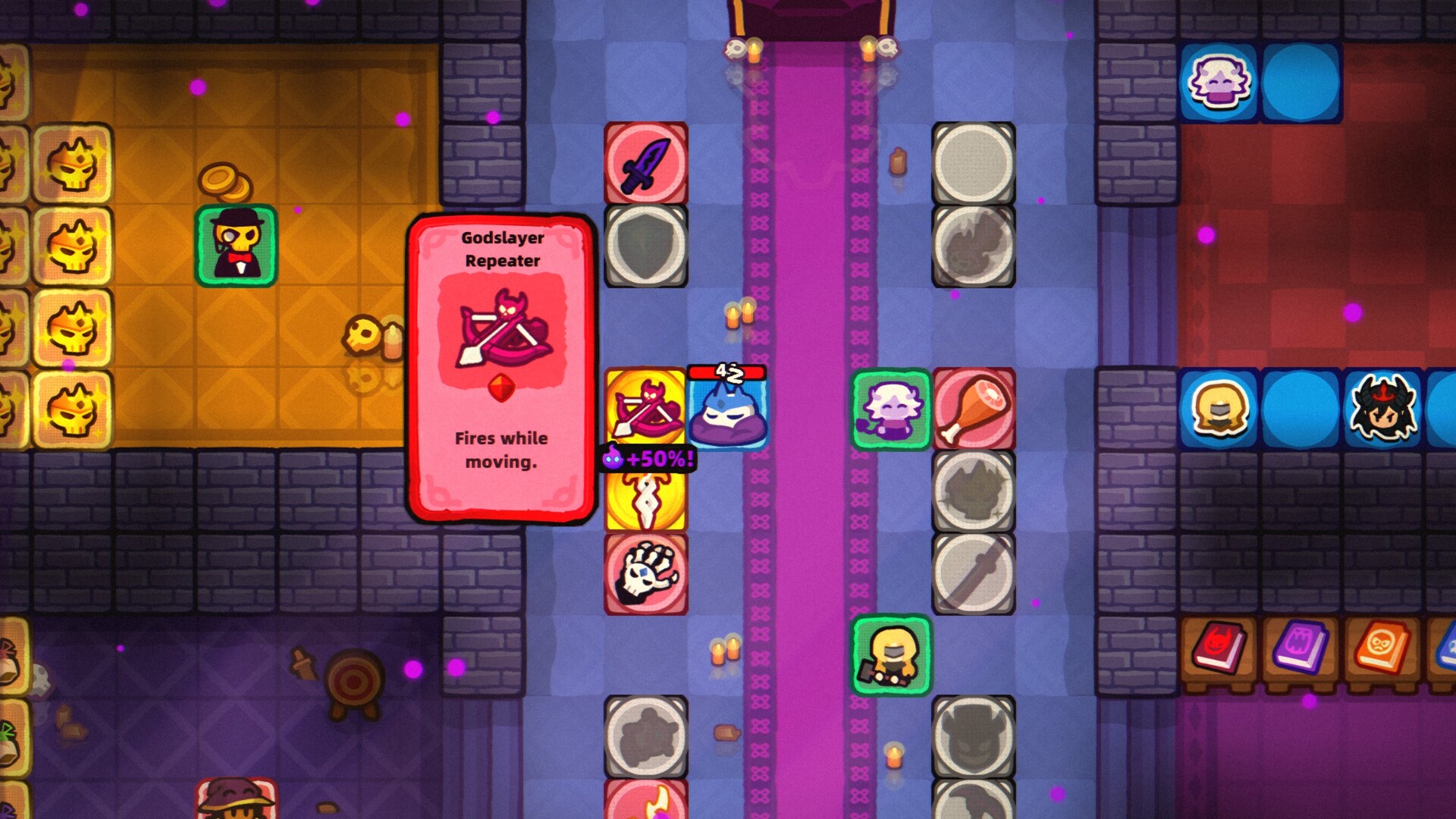
Demon Lord: Just a BlockImage: YuWave via Steam -
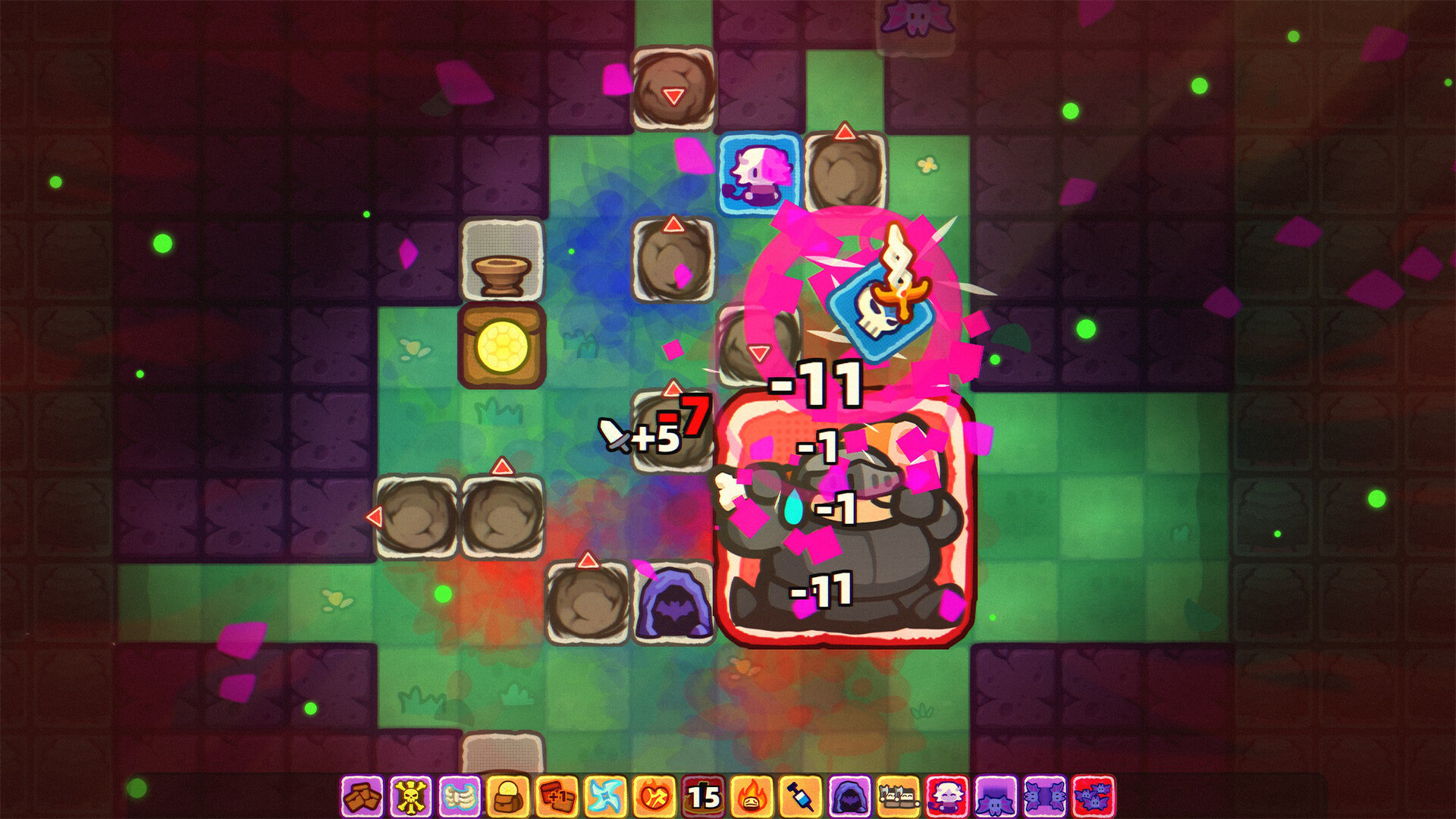
Demon Lord: Just a BlockImage: YuWave via Steam -
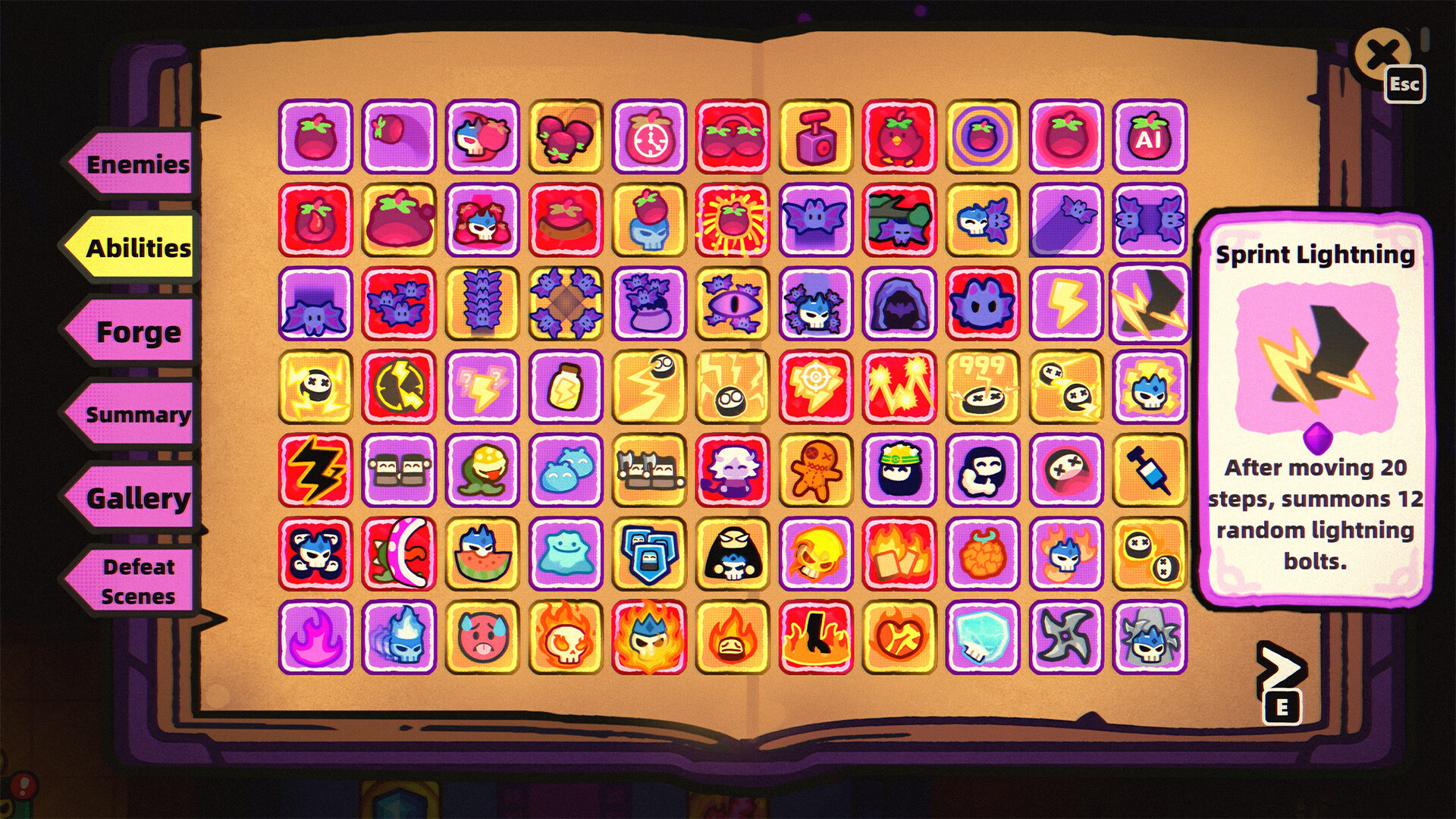
Demon Lord: Just a BlockImage: YuWave via Steam