Game review
Firestone: Idle RPG
6.5 / 10
- Developer
- Holyday Studios
- Publisher
- Holyday Studios
- Released
- 1 April 2024
- Platforms
- Windows, macOS, Linux, Android, iOS, Browser
- Genre
- Idle RPG
- Monetisation
- Free to play with in-client currency purchases and a Steam Points Shop cosmetic range; no priced Steam DLC
- Players
- Guilds ("fellowships") and cross-platform online play; no direct PvP combat
The short version
Firestone has stuck around for seven years by giving hero-collector idle fans an honest amount of game: real formation decisions, a guild layer that matters, and offline progress that keeps moving without demanding a purchase to unlock it. It never became the DLC-hero-pack machine the genre trained players to expect.
What it became instead is a currency-bloated, guild-gated grind that a large share of its own Steam audience describes as "addictive but not fun" — compelling in the short-to-mid term, exhausting once the fifteen-plus systems start overlapping and the guild becomes mandatory homework.
Biggest strengths
- Hero collecting and lineup positioning create genuine formation decisions rather than a single best team
- Steam's own DLC listing carries just one pack, and it is free — no priced hero packs sitting on top of the base game
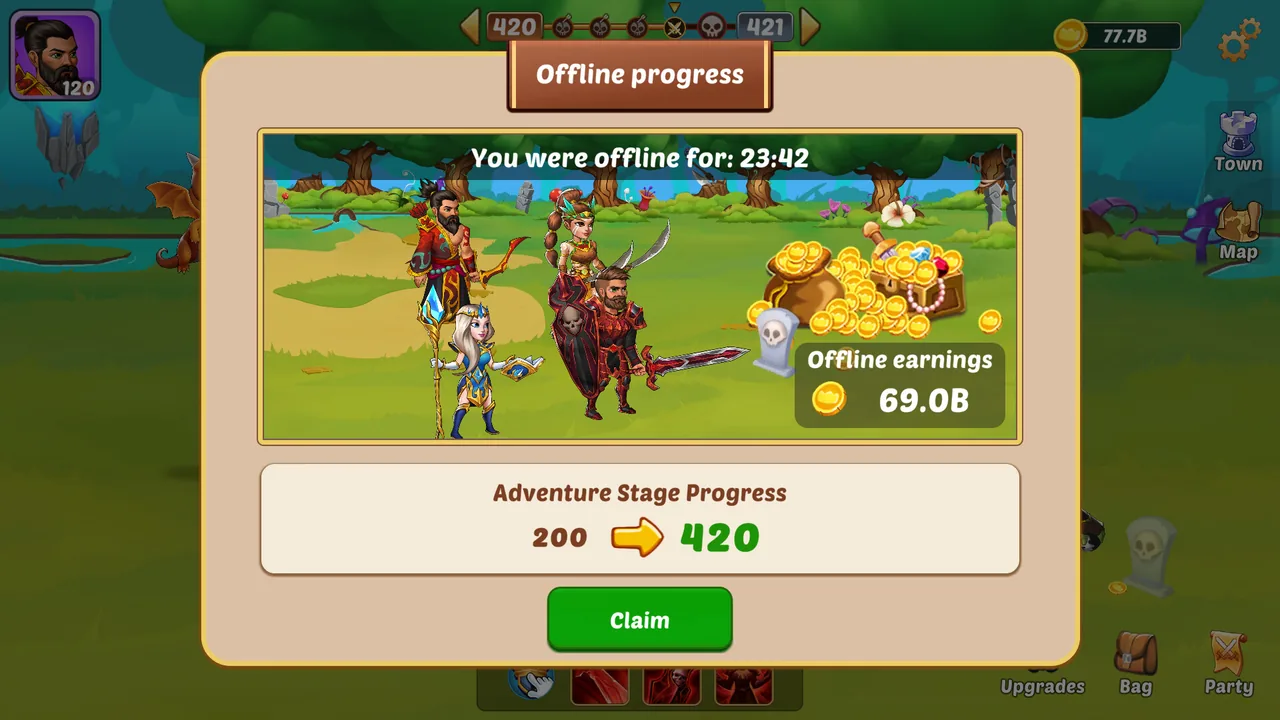
- Offline and idle progression keeps generating real value without requiring the app to be open
Biggest weaknesses
- Fifteen-plus overlapping currencies and progress tracks create genuine confusion about what to prioritise
- Guilds and fellowships become structurally required for meaningful late progress, punishing solo or casual players
- Multiple recent reviews describe a sharp slowdown in the pace of gains after the first month
Who it's for: Idle-RPG players who want a genuinely social, long-haul free game and don't mind a busy interface; not a fit for anyone who wants to log in, glance at numbers, and log out.
Our recommendation: Worth installing for free and playing through the first month, where the pace and variety are at their best. Decide whether to stay once a guild becomes load-bearing for further progress — that's the point the game stops being casual.
6.5 / 10
Most hero-collector idle RPGs monetise the same way: build a roster, then sell it to you one champion at a time through Steam DLC packs that arrive faster than any free player can keep up with. Firestone doesn't do that. Check its Steam DLC listing today and there is exactly one entry, and it's free — a joke pack that lets a guardian named Grace throw bananas instead of her usual weapon. For a genre this used to charging separately for every new face, that restraint is worth noting before anything else.
It's also not the whole story. Firestone has been live since September 2019 as Early Access and fully released since April 2024, which means Holyday Studios has had seven years to layer system on top of system, and it shows. The store page itself advertises "15+ systems," and that number reads as a warning as much as a pitch by the time a few weeks have passed. This is a game that earns real credit for not nickel-and-diming its roster, and then spends a lot of that credit back on sheer structural weight.
Heroes, formations, and whether the squad is a real decision
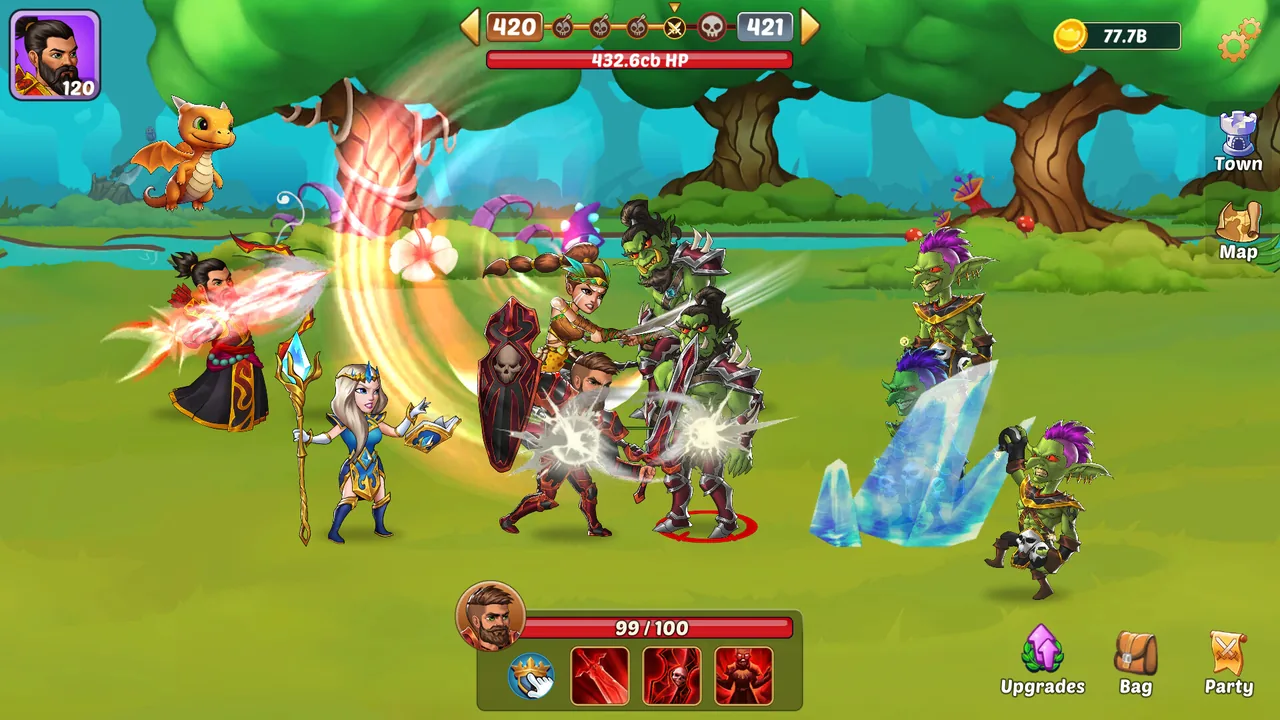
The base loop is familiar idle-RPG shape: collect heroes, arrange them into a formation, let automatic battles play out against a scaling enemy line, spend the resulting currency and loot on upgrades, repeat. What matters for the genre's central question — is squad building a real decision or a paywall wearing a costume — is whether positioning and hero choice change outcomes in ways a spreadsheet-following free player can actually act on.
On that front Firestone earns a genuine pass. Formation slots, hero synergies and gear choices interact enough that swapping a lineup for a specific stage or event target is a real lever, not cosmetic flavour bolted onto a stat-comparison screen. Steam's own player base backs this up in a roundabout way: one long-tenured reviewer documents completing every achievement in the game without spending money, across a genuinely extreme multi-thousand-hour timeline. That's not proof the game is generous — thousands of hours is its own kind of tax — but it is proof the ceiling isn't locked behind a card that only opens for a credit card number. A free player can, in principle, get everywhere a paying player can.
Where the squad-decision idea runs thinner is variety in what that squad is actually fighting. Combat resolves automatically against long stage ladders, and while the numbers climb steadily, the encounters underneath them don't change shape much. Several current reviews put this plainly: the game is "fun for the first month," then the same fights on repeat start to read as content padding rather than a real ladder of new problems to solve. A formation puzzle is still a puzzle even on stage 4,000, but it stops feeling like discovery and starts feeling like maintenance.
Fifteen systems, and where they start to blur
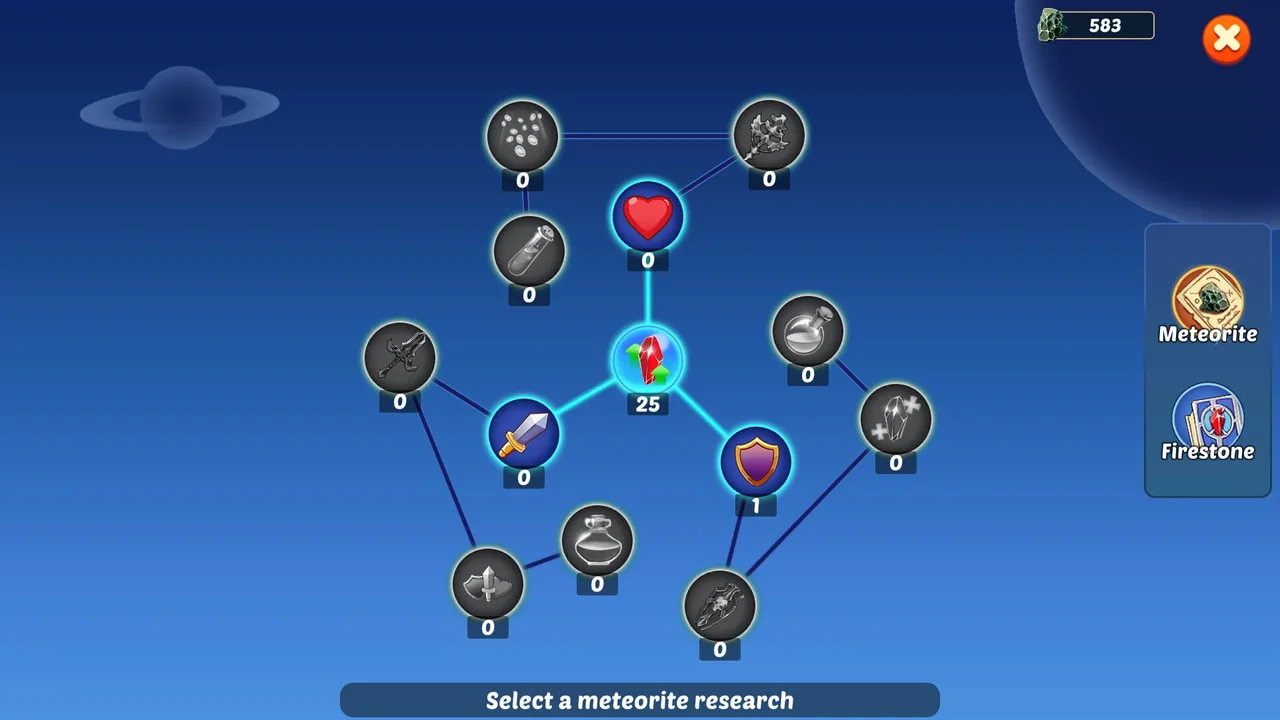
Progression is where Firestone's age becomes most visible. Seven years of Early Access development means seven years of new systems added on top of old ones rather than a single loop refined and cut back. Player reviews consistently flag the result: a currency count that keeps growing, with names — pharaoh tokens, scarab tokens, "empowering" percentages among them — that overlap in purpose more than they diverge. None of this is disguised or hidden; the interface shows exactly what each currency does. The friction is volume, not deception, and it's the kind of friction that specifically punishes new players trying to learn the game from scratch in 2026 rather than the veterans who absorbed each system as it shipped.
More concerning for anyone judging Firestone as a long-term free game is a pattern several players describe independently: a strong, generous pace of gains in the opening stretch that slows markedly once early empowerment and levelling curves are exhausted. That's a standard idle- genre shape — early numbers always move faster than late ones — but the scale of the drop reported by players who track it closely suggests Firestone leans harder into that curve than many of its competitors, right around the point a free player would otherwise be deciding whether the game has earned a long-term slot on their device.
Guilds, fellowships, and the cost of playing alone
Firestone's most distinctive system, and its most double-edged, is its guild layer. Fellowships — small sub-groups within a guild — pool bonuses that meaningfully raise a member's power ceiling, and several current reviews describe this plainly as a requirement rather than an option: reach a certain point and further progress depends on staying in an active fellowship, with an inactive or departing member directly stalling everyone left behind. That's a genuinely social system, and it gives Firestone a multiplayer texture most idle RPGs never attempt. It also means a game marketed as something to check in on occasionally can, at the point fellowships start gating content, demand the kind of ongoing social coordination a casual player didn't sign up for.
The same social structure creates a second, more monetisation-adjacent problem: new competitive servers launch periodically with fresh events, and the players most willing to spend during that launch window build an early lead that a subsequent server merge then locks in against whichever older, better-established server it gets folded into. One review frames this directly as the reason the game feels "highly P2W" in competitive standings even while broad completion stays achievable for anyone willing to put in the time instead of the money. Both things are true at once, and the guild layer is exactly where they collide.
What Firestone actually sells you
This is where the review has to be precise, because the honest answer is less dramatic than the genre's reputation suggests, and Steam's storefront API only tells half of it.
Structurally, Firestone does not sell hero packs, familiar packs or founder's bundles the way its closest Steam neighbour, Idle Champions of the Forgotten Realms, does. There is exactly one DLC listing against this app, it costs nothing, and it exists purely for a cosmetic joke weapon swap. Steam's public storefront API — which lists every priced DLC for a title — has nothing else to show, and that absence is a genuinely meaningful data point: whatever spending Firestone asks for, it isn't asking for it through a growing shelf of individually priced Steam add-ons.
What it does carry, per Steam's own category tags, is standard in-app purchasing plus a 19-item Steam Points Shop cosmetic range — mechanisms Steam's public appdetails API doesn't itemise with prices for free-to-play titles, so this review won't invent specific currency-pack figures it can't verify. What can be verified is the shape of player sentiment around that purchasing: a recurring description of Firestone as "pay-to-finish-faster" rather than strictly pay-to-win, alongside an equally recurring frustration that keeping pace in competitive guild and server content effectively requires spending to avoid falling behind players who do. Holyday Studios has responded directly to at least one such review on Steam, describing purchases as "optional accelerators" that players can bypass through idle rewards, events, guilds and long-term upgrades — while also acknowledging that competitive rankings can create the opposite impression. That's a fair summary of the tension this review keeps finding in the systems themselves: nothing is paywalled outright, but the competitive and social layers apply real, repeated pressure to spend rather than wait.
Free players do not hit a hard wall in Firestone. They hit a soft one, made of currency fragmentation, guild dependency and the growing gap between a free pace of progress and a paying one in anything competitive — a wall built from friction and social pressure rather than a locked door.
Presentation and platforms
Player consensus on Firestone's art leans positive relative to genre peers — multiple current reviews single out the artwork as a highlight, and the hero and guardian designs carry more personality than the genre's usual palette-swapped stat blocks. Steam lists Windows, macOS and Linux support directly, and the game is also available on mobile and browser, giving it broader reach than most PC-first idle titles. It supports cross-platform play and Steam Cloud saves, which matters for a game built around checking in from whatever device is closest.
Verdict
Firestone deserves credit the idle-RPG genre doesn't hand out often: seven years of continuous support, a real formation-and-hero-collection loop that rewards thinking rather than just spending, and a Steam presence that has resisted turning its roster into a paid-DLC shelf. A documented free-to-play completion, however extreme the hours behind it, is proof the game's ceiling stays open to anyone willing to put in the time.
It settles at a 6.5 rather than higher because the systems built up over those seven years have started working against the newer players Firestone still needs. Fifteen-plus currencies and progress tracks ask a lot of anyone learning the game today, guild and fellowship dependency turns a casual idle game into unpaid social obligation past a certain point, and the competitive server-merge cycle applies real spending pressure even without a single locked door anywhere in sight. Steam's own community rates it Mostly Positive at 77% across nearly 7,000 reviews, and that number tracks with what the systems themselves suggest: a genuinely playable free game that a meaningful share of its own audience finds more addictive than actually fun by the time the fellowship requirement kicks in.
Install it for the first month, where the pace, the art and the formation puzzle are all doing their best work. Decide whether to keep going once a guild stops being optional.
Players who'd rather their idle progression stayed on one continuous road, without a guild becoming a prerequisite for basic advancement, may find that a more comfortable fit in Wanderer.
Pricing and monetisation checked 30 July 2026.
Pros and cons
Pros
- Hero collecting and lineup positioning create genuine formation decisions rather than a single best team
- Steam's own DLC listing carries just one pack, and it is free — no priced hero packs sitting on top of the base game
- Offline and idle progression keeps generating real value without requiring the app to be open
- A verified free-to-play completion is achievable, if extreme, showing the ceiling isn't purely payer-only
- Seven years of continuous updates and a 2M+ player base give the endgame actual long-term support
Cons
- Fifteen-plus overlapping currencies and progress tracks create genuine confusion about what to prioritise
- Guilds and fellowships become structurally required for meaningful late progress, punishing solo or casual players
- Multiple recent reviews describe a sharp slowdown in the pace of gains after the first month
- New-server launches followed by merges into older servers create real competitive spending pressure
- Combat itself stays visually and mechanically repetitive across hundreds of stages
Screenshots
-
Firestone – Idle Clicker Online RPGImage: Holyday Studios via Steam -
Firestone – Idle Clicker Online RPGImage: Holyday Studios via Steam -
Firestone – Idle Clicker Online RPGImage: Holyday Studios via Steam -
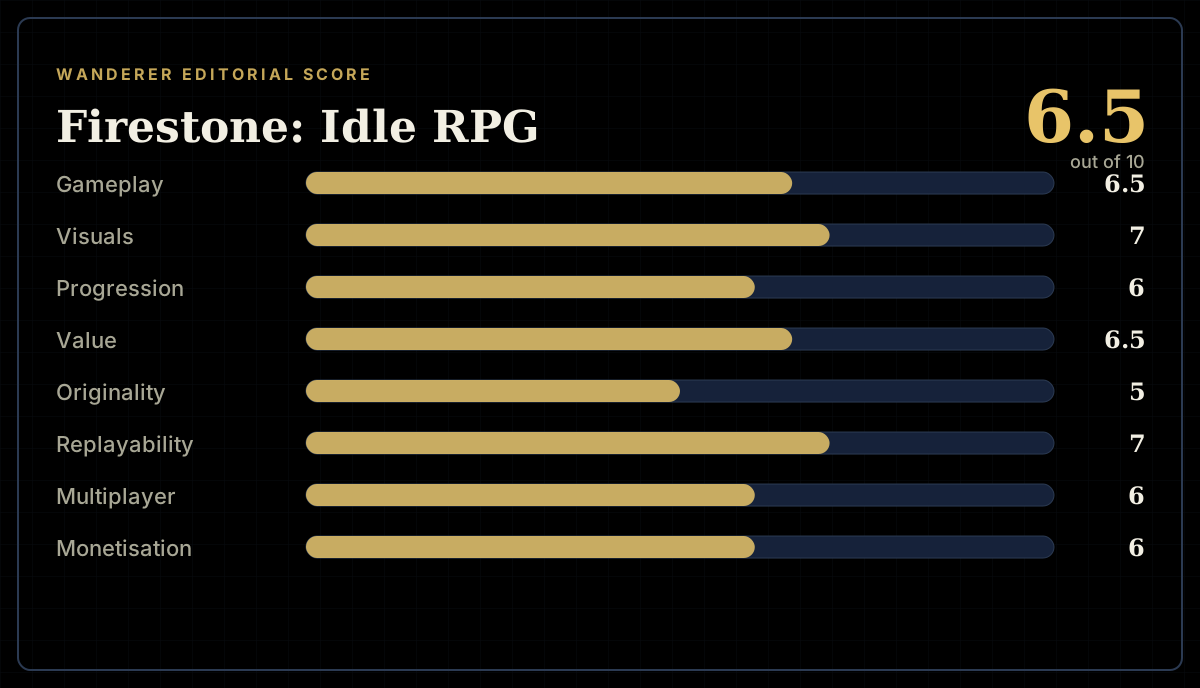
How the review scores each part of the gameWanderer Editorial -
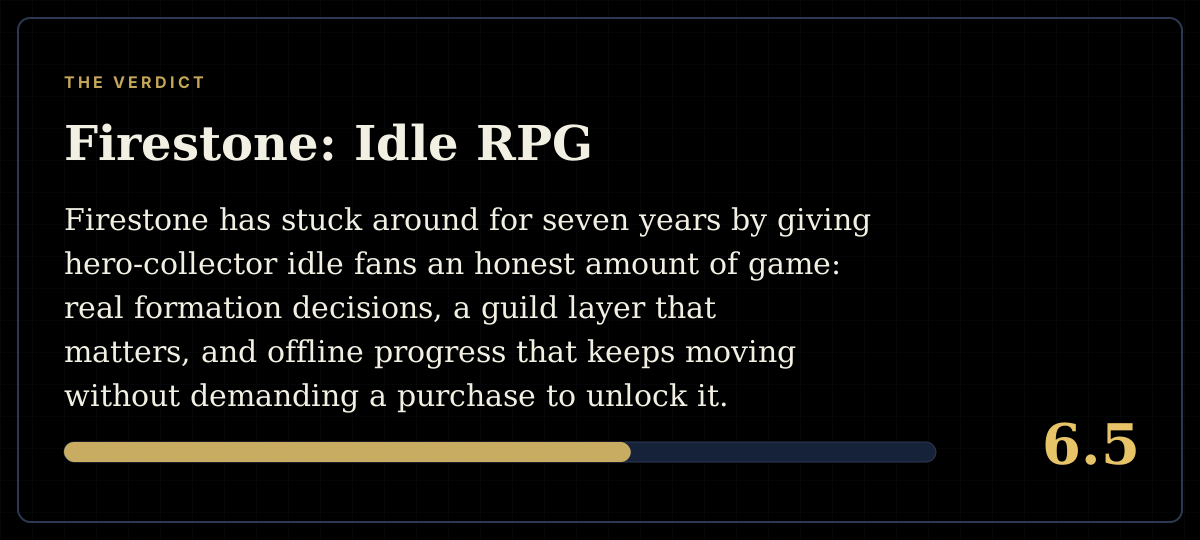
The short versionWanderer Editorial