Core Keeper
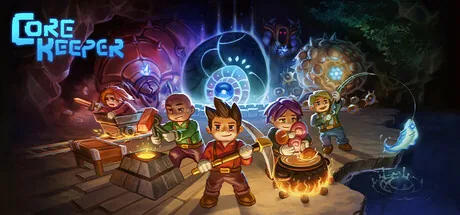
A mining sandbox that turns "just one more tile" into a genuinely well-paced RPG — skills level as you use them, bosses gate the map instead of a level counter, and up to eight players can dig through it together.
8.5 / 10
The Wanderer reading room
Idle RPGs, MMOs, browser games and mobile RPGs, taken apart properly. Every review carries a score out of 10, what the game does well, what it does badly, and the kind of player it is actually for.
A mining sandbox that turns "just one more tile" into a genuinely well-paced RPG — skills level as you use them, bosses gate the map instead of a level counter, and up to eight players can dig through it together.
8.5 / 10
The formation-puzzle idle game that quietly wrote the rulebook Codename Entertainment later reused for Idle Champions of the Forgotten Realms — still free, still playable, and frozen in place since its last update in April 2022.
6 / 10
A roguelite dungeon crawler and a cult-management sim share one save file, and the question that actually matters almost four years on is whether they're still lending each other strength or just taking turns.
8 / 10
Red Hook Studios' gothic party roguelike turns stress into a second health bar and turns your roster, not any one hero, into the thing you're actually raising from level one.
8.5 / 10
FromSoftware's fastest, most aggressive Souls game turns everything the trilogy built up to that point — punishing combat, colossal bosses, environmental storytelling — up to a final, deliberate intensity, and closes the series out as close to a masterpiece as it gets.
9.5 / 10
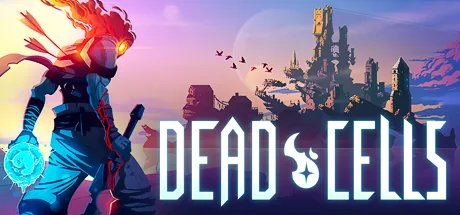
Motion Twin's roguelite metroidvania turned a simple pitch — permadeath runs through a procedurally reassembled castle — into one of the best-supported action games on Steam, and it mostly still holds up now that the studio behind its five years of updates has closed the book.
8.5 / 10
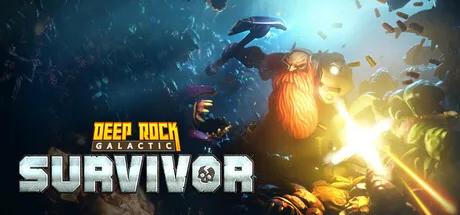
Funday Games bolts a real mining loop onto the Vampire Survivors formula, so every dive asks a second question underneath "which upgrade do I pick": is that vein of nitra worth the ten seconds it takes to dig out while the swarm closes in?
8 / 10
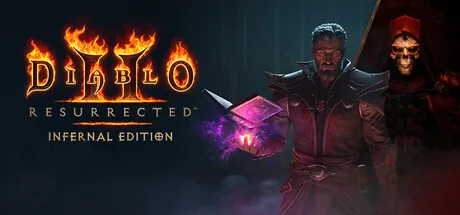
Blizzard's remaster of the 2000 original finally landed on Steam in February 2026, bundled with the first new class since 2001. The classic game underneath is exactly as good as it ever was — the question is whether Steam buyers are actually being sold the classic game, or something more expensive.
7.5 / 10
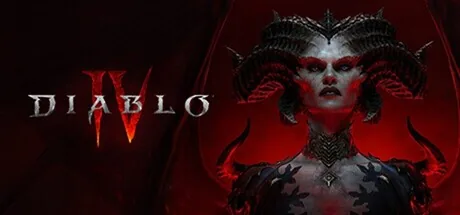
Two expansions and a dozen seasons after launch, Diablo IV has fixed the thing that nearly sank it — its loot — and built a genuinely enormous endgame on top. What it hasn't fixed is how much it now costs, in money and in relearning, to stay current with it.
7.5 / 10
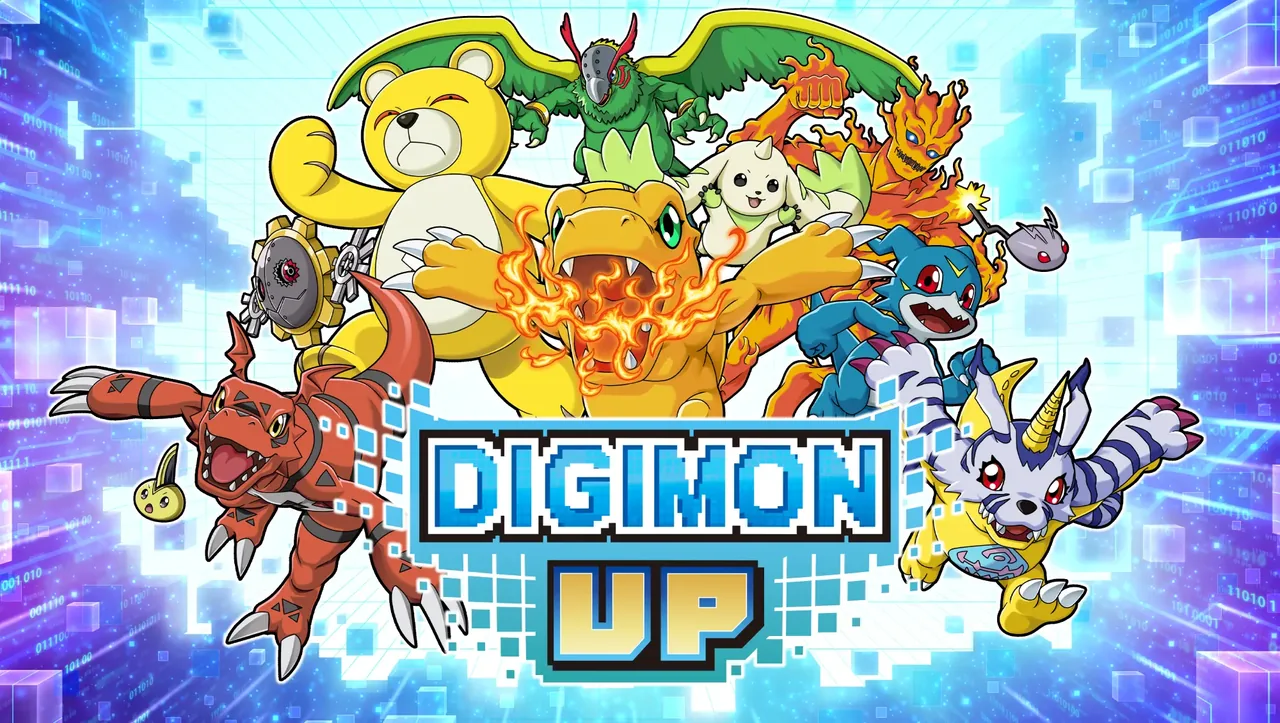
A mobile idle RPG that borrows Digimon's characters and pixel-art charm but not its raising-sim identity, then buries the loop under two premium currencies, four battle passes and ads gating almost every wait.
4.5 / 10
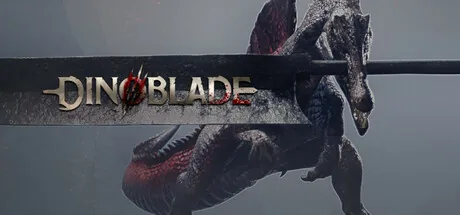
A viral 30-second animation of a sword-swinging Spinosaurus grew into a full Soulslike, and the surprising part is how much of that origin-story momentum survives the transition — right alongside the rough edges you'd expect from a one-person studio's first release.
7 / 10
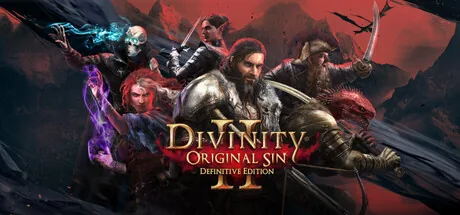
Nine years on, the game that taught Larian how to build Baldur's Gate 3 is still the sharper tactical puzzle of the two — a combat system built from fire, water and armour that rewards a party that thinks in physics, and a brutal opening act that punishes one that doesn't.
8.5 / 10
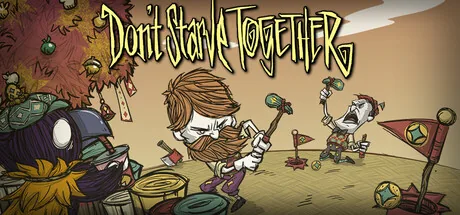
Klei's co-op survival sandbox turns Wilson's original nightmare into a shared one, where the real threat isn't the Deerclops so much as what happens when nobody on the team remembers it's coming. A decade of free content updates against 49 mostly-cosmetic DLC entries makes it a genuinely useful case study in how to monetise a survival game politely.
8.5 / 10
BioWare builds its most mechanically confident combat in the series, then spends most of the RPG scaffolding around it — choice continuity, itemization, party structure — to do it, leaving a fun action game wearing a Dragon Age name plenty of longtime fans don't recognise.
6.5 / 10
Capcom's open-world action RPG is built around a genuinely strange idea — AI companions on loan from other players' worlds — wrapped in a combat system that rewards climbing monsters like furniture and a map that punishes you for wanting to skip the walk. Two-plus years of patches have quietly answered most of its launch complaints; the review score never fully recovered from asking anyway.
7.5 / 10
A factory-automation game whose endgame isn't a bigger number but a visible megastructure eclipsing a star. Five years into Early Access, the premise is still the best in the genre — the question is whether the game around it has caught up.
7.5 / 10
A Sword Art Online action RPG that finally lets you build a hero of your own inside Aincrad, with tight Souls-inflected combat and a genuinely sharp partner-synergy system — undercut by a linear, quest-marker world and a $69.99 asking price that assumes you'll buy back in for the DLC.
6.5 / 10
A decade-old mobile idle game about running a chicken farm into the stratosphere, held together by a prestige loop, an artifact-crafting layer, and — unusually for the genre — timed co-op contracts that only work if other people show up.
8 / 10
FromSoftware took the tight, authored corridors of the Souls formula and let them loose across an entire continent, trading hand-guided pacing for a world you're free to get lost, lost again, and overpowered in on your own terms.
9 / 10
FromSoftware compresses Soulslike boss combat into 40-minute three-player runs, trading Elden Ring's open-ended build freedom for ten fixed heroes, a shrinking map and a clock that never stops.
7.5 / 10
A voxel survival game that welds on a real RPG skill tree and dares you to dig, sculpt and build inside a world that is actively trying to kill you on a clock. Two and a half years into Early Access, with a 1.0 date finally on the calendar, the question is whether the fog and the talent tree were ever really talking to each other.
7.5 / 10
A ground-up rethink of 1999 EverQuest that solves the original's group-or-quit problem with a three-class multiclass system, then complicates its own launch week with a subscription, a cash shop and a beta that visibly shrank player storage before anyone had paid for it.
7 / 10
A free-to-play, IdleOn-flavoured AFK RPG that gets the offline-progression fundamentals right and stays refreshingly uncomplicated early on, but ships an MMO label its actual single-player design doesn't earn and sharpens its monetisation considerably once the early Acts are behind you.
6.5 / 10
A math-themed mobile incremental whose real product isn't the eight-chapter story but the JavaScript SDK sitting underneath it — a scripting layer that turns the community into an unofficial content team.
8 / 10