Game review
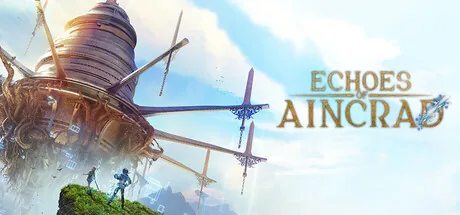
Echoes of Aincrad
6.5 / 10
- Developer
- Game Studio Inc.
- Publisher
- Bandai Namco Entertainment Inc.
- Released
- 9 July 2026
- Platforms
- Windows, PlayStation 5, Xbox Series X|S
- Genre
- Action RPG
- Monetisation
- Premium purchase across three editions, with a paid Expansion DLC, a Weapon Pack and a free demo sold separately from the base game
- Players
- Single-player
The short version
Echoes of Aincrad gets the one thing every Sword Art Online game has fumbled before it: combat that actually holds up on its own terms, built around Sword Skills, stamina management and a partner-synergy system that rewards learning a companion's rhythm rather than just levelling past a fight. It's the best game the license has produced.
That's a lower bar than it sounds. Aincrad has been shrunk into a corridor of quest markers and reused dungeon layouts, the story leans hard on nostalgia rather than earning its own stakes, and a $69.99 asking price for a roughly twenty-hour campaign — with an Expansion DLC and two more expensive editions already on the shelf beside it — asks a lot for what's ultimately a solid mid-tier action RPG wearing a beloved coat of paint.
Biggest strengths
- Sword Skills chain into stamina-gated combos that reward committing to an attack rather than button-mashing through it
- Switching partners mid-campaign changes how encounters play out, not just their numbers — each companion has genuinely distinct Combination Skills and boss-fight roles
- Death Game Mode's permanent, unrecoverable save deletion is a rare case of a licensed tie-in mechanic actually honouring what made the source material tense
Biggest weaknesses
- Quest design rarely strays from "walk to the marker, clear the room, walk to the next marker," and the same handful of enemy types and dungeon layouts recur across most of the campaign
- Aincrad's floors feel smaller and more restrictive than the premise promises, with hard boundaries where open exploration should be
- Performance reports above minimum spec include microstutter and occasional crashes during boss encounters, not just on lower-end hardware
Who it's for: Sword Art Online fans who've wanted to build their own hero inside Aincrad rather than watch Kirito do it, and action RPG players who enjoy Souls-adjacent combat without punishing difficulty. Less essential for anyone chasing open-world freedom or a story that stands without the anime behind it.
Our recommendation: Worth playing for license fans once it's discounted or on sale — the combat and partner system genuinely deliver. At full price, weigh the Standard Edition carefully against everything the Deluxe and Ultimate editions try to sell you before finishing the tutorial.
6.5 / 10
Sword Art Online has spent over a decade producing tie-in games that treat Aincrad as a backdrop for Kirito's story rather than a world you actually get to live in. Echoes of Aincrad is the first one built around a different premise: you don't watch the hero clear the death game, you are the hero, building your own character, picking your own gear, and choosing which of Aincrad's survivors fights alongside you. It's a genuinely good idea, and for long stretches — particularly in combat — the game delivers on it. The problem is everything wrapped around that combat, which turns a floating castle famous for its scale into a series of corridors between quest markers.
Combat and the partner system carry the game
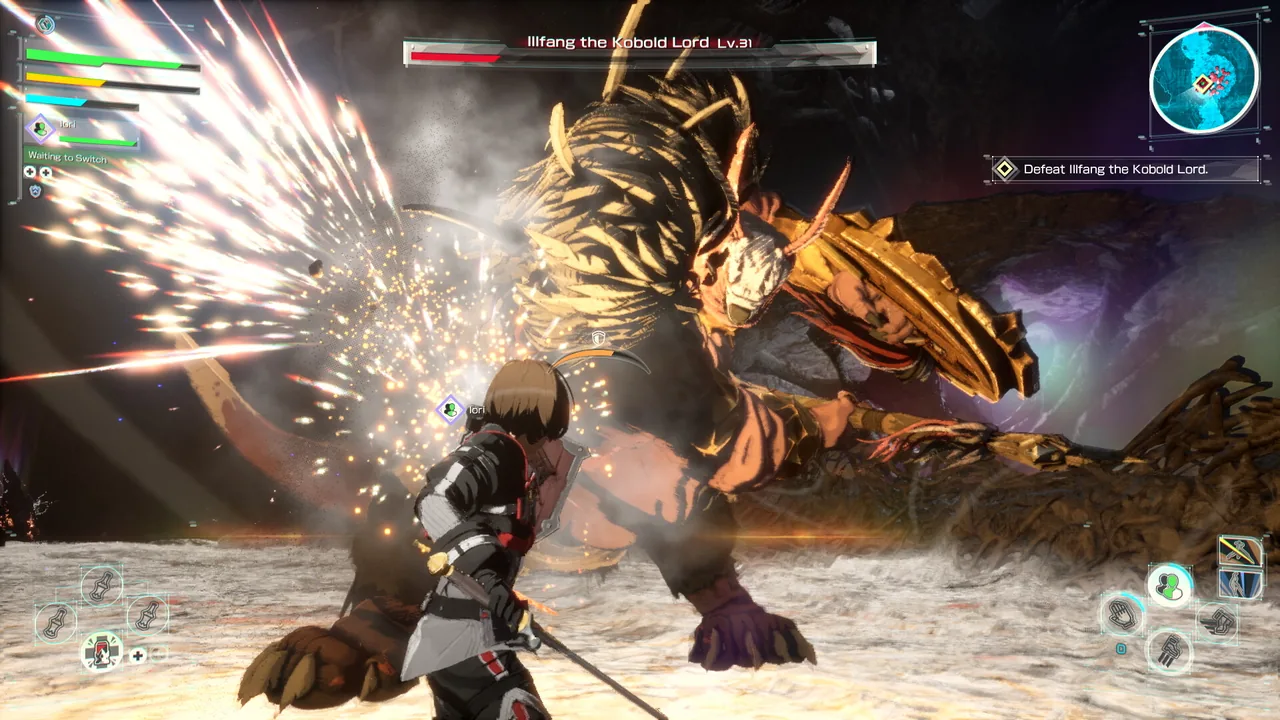
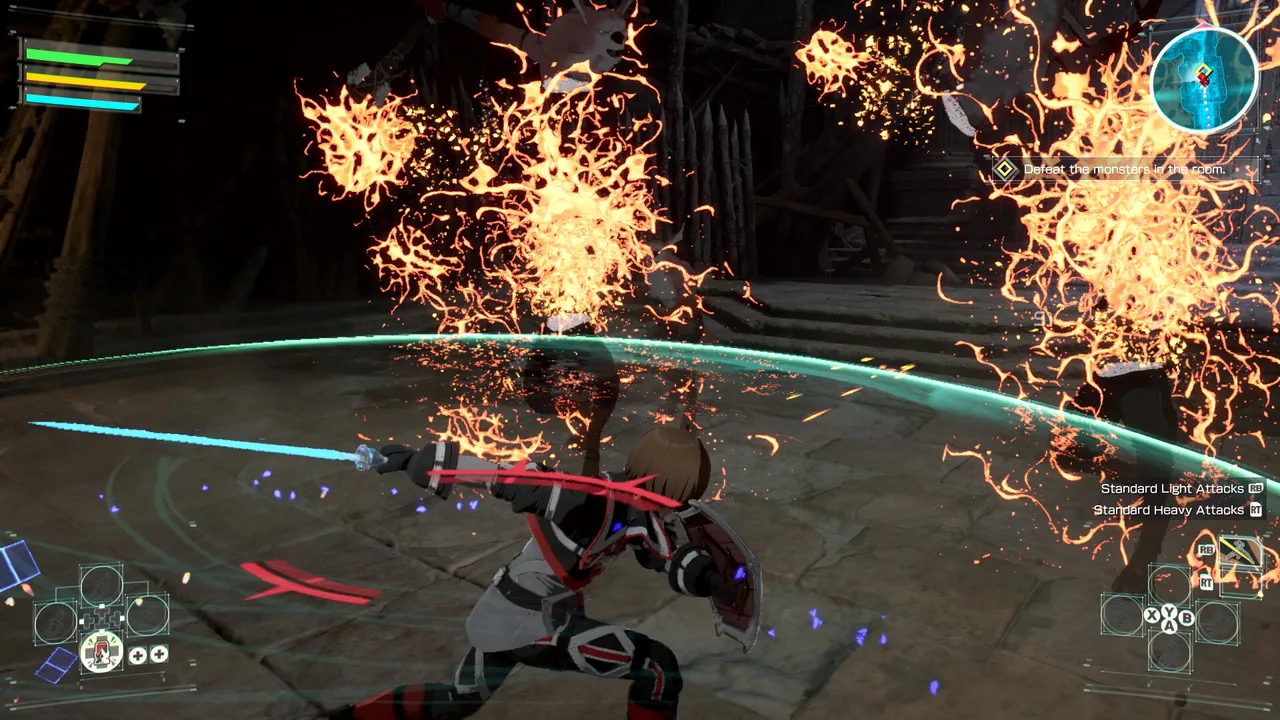
Sword Skills are the backbone of every fight: chained light and heavy attacks that build into named finishers, gated by a stamina bar that punishes players who swing without a plan. It leans on the Souls-like playbook — commit to an attack and you're vulnerable until it resolves, dodge and parry windows are tight enough to matter, and bosses telegraph clearly enough that losing a fight usually feels like a reading mistake rather than a stat check — but it never chases the crushing difficulty that defines that genre's harder entries. That's the right call for a license built around approachability rather than punishment, and it means the combat holds up as its own reason to play rather than as decoration around the fan service.
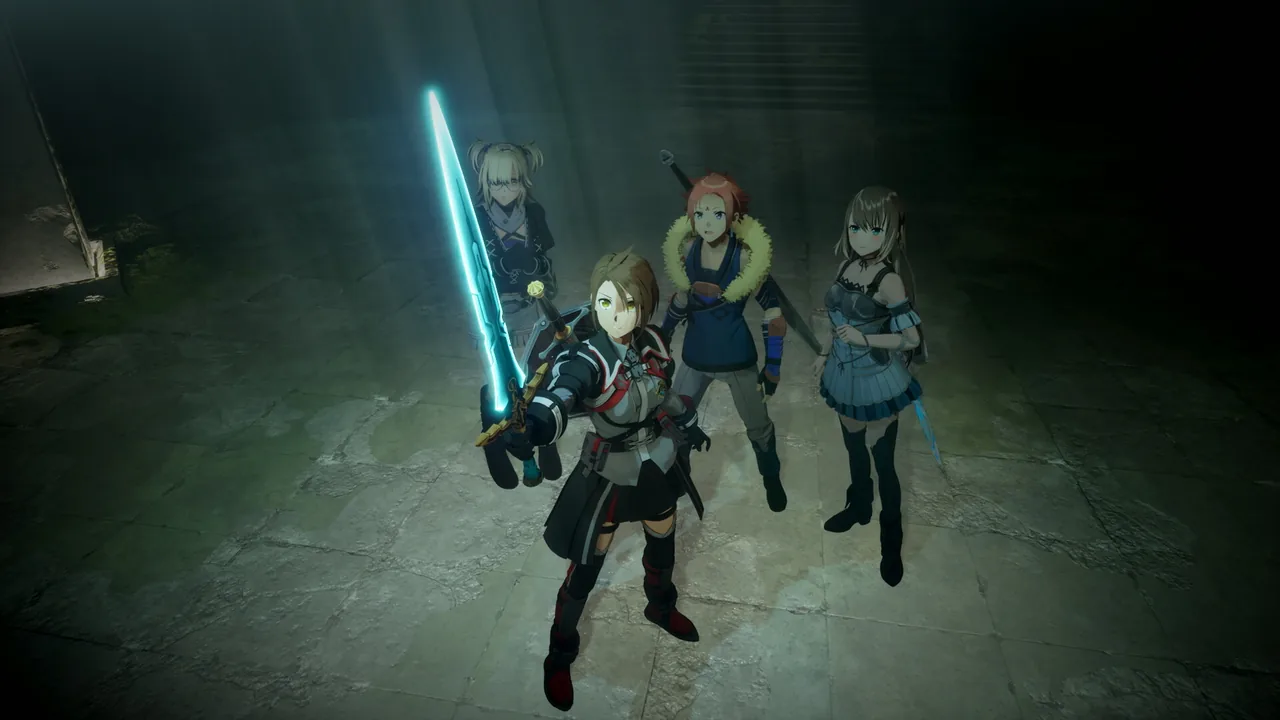
The partner-synergy system is the best idea in the game. Rather than a single fixed companion, Echoes of Aincrad hands you a roster of NPC partners who join the story at different points, each with a distinct fighting style, support kit and set of Combination Skills that only trigger when you and they are actually working together — timed assists, shared stamina windows, coordinated openings on a staggered boss. Bosses are built around this: attack patterns create windows specifically for combination attacks, and figuring out which partner suits which fight rewards paying attention rather than just gearing up and pushing forward. It's the kind of system that makes replaying a tough encounter with a different partner feel meaningfully different, not just re-skinned.
Aincrad, but smaller than advertised
Everything outside combat is where the game loses its nerve. Aincrad in the source material is sold on scale — a hundred floors, each its own biome, city and set of dangers. Echoes of Aincrad compresses that into a much smaller handful of zones connected by hard boundaries and a quest log that rarely lets you wander off its intended path. Side content exists, but most of it recycles the same enemy types and reuses dungeon layouts already seen earlier in the campaign, and the map's actual footprint ends up feeling tighter than plenty of budget indie RPGs manage with a fraction of the license's resources. For a world whose entire premise is claustrophobia turned up to the point of life-or-death stakes, an Aincrad this linear undercuts its own atmosphere more than it should.
The story leans hard on familiarity with the anime and light novels rather than building its own case for a new audience. It's told from the perspective of original characters navigating the beta and the early days of the real death game, which is a reasonable angle for giving series veterans something they haven't seen — but it rarely gives the plot its own stakes independent of nostalgia for the source material, and newcomers are likely to find the emotional beats land softer without that context already loaded in.
Progression leans on gear, not build variety
Levelling up follows a fairly conventional stat-and-equipment loop: raw levels open new Sword Skills and stat points, while weapons and armour supply the modifiers that actually differentiate a build — favouring speed, intelligence or endurance depending on which stats you lean into. Crafting and upgrade materials come from combat and floor exploration rather than a separate gathering loop, which keeps the pace brisk early on. The catch is that once a player settles on a weapon type and a couple of favoured Sword Skills, there's rarely a strong mechanical reason to experiment further — the same handful of builds carry the campaign, and equipment upgrades late on start demanding rarer drops from the same recycled enemy pool the quest design is already leaning on too hard. It's a functional system rather than an inspired one, and it never quite matches the depth the combat itself is capable of supporting.
Story trades on nostalgia more than it earns
Following original characters through the beta and the earliest days of the real death game is a smart structural choice on paper — it sidesteps retreading Kirito's exact story beat for beat while still keeping the setting's stakes intact. In practice, the writing spends more time gesturing at moments longtime fans will recognise than building tension of its own, and named cast members from the source material tend to show up as familiar faces to nod at rather than as characters given real room to develop across the campaign. It's serviceable rather than memorable, and it's the one area where the game most clearly plays it safe.
Death Game Mode is the one system that respects the premise
The single most interesting design decision here is Death Game Mode, an optional permadeath setting that deletes your save file the moment your character dies — no backup, no reload, no second chance. It's unlocked after finishing the campaign in the Standard Edition, or immediately after the tutorial for anyone who bought the Ultimate Edition. It's a genuinely bold thing to ship in a licensed game: most tie-ins soften the danger their source material is built around, and this is the rare one willing to let a bad decision actually cost a player everything. It won't be for everyone, and it shouldn't be — but as a system that finally makes "one mistake and it's over" mean something mechanically rather than just narratively, it's the strongest piece of design evidence that the team understood what they were adapting.
Performance and technical condition
Reports from players running above the game's recommended specification describe recurring microstutter and occasional crashes during boss encounters — not the kind of issue that's confined to underpowered hardware, which is the more concerning pattern. It's not the kind of technical collapse that defines a genuinely broken launch, but for an action RPG whose combat depends on tight timing, stutter during exactly the encounters that demand precision is a real problem, and it's dragged the PC version's reception down independently of the design complaints.
Monetisation and value
At NZ$119.95 for the Standard Edition (roughly $69.99 in the US), Echoes of Aincrad is priced like a flagship release, and a campaign that runs somewhere around twenty hours doesn't quite justify that on its own. That price also isn't the ceiling: the Deluxe Edition adds the separately sold Expansion DLC (due by the end of 2026), a Starter Pack of consumables and early access to Death Game Mode, while the Ultimate Edition stacks a bonus content app and an exclusive armour set on top of that. A standalone Weapon Pack and Expansion Pack are also sold individually for anyone who bought the base game outright. None of this crosses into pay-to-win — everything sold is either cosmetic, a modest consumable head start, or content also earnable by playing — but stacking three editions plus separate DLC in front of a $69.99 base game is a lot of upsell for a single-player campaign, and it's worth reading exactly what each tier includes before paying for the top of the stack.
Final verdict
Echoes of Aincrad is, by a comfortable margin, the best game to carry the Sword Art Online name. That's real progress — the Sword Skill combat and partner-synergy system are genuinely well built, and Death Game Mode is the rare licensed mechanic that actually earns its premise instead of softening it. But a smaller, more linear Aincrad than the source material promises, a story that leans on nostalgia rather than its own stakes, reported stutter during exactly the fights that need precision, and a price structure that keeps asking for more after the first $69.99 all keep it from clearing the bar its combat system alone gets close to. Fans of the license have every reason to enjoy this one. Everyone else should wait for a sale, and read the edition list closely before they buy.
Players who'd rather have their progression keep ticking along even when they're away from the keyboard, without an edition ladder standing between them and the content, might also want to look at what Wanderer does with offline progress.
Pros and cons
Pros
- Sword Skills chain into stamina-gated combos that reward committing to an attack rather than button-mashing through it
- Switching partners mid-campaign changes how encounters play out, not just their numbers — each companion has genuinely distinct Combination Skills and boss-fight roles
- Death Game Mode's permanent, unrecoverable save deletion is a rare case of a licensed tie-in mechanic actually honouring what made the source material tense
- Aincrad's floors look and sound like the anime at its best, particularly in boss arenas built around the Combination Skill choreography
- Character creation lets you play as yourself rather than as a fixed protagonist, which the series' games have avoided for years
Cons
- Quest design rarely strays from "walk to the marker, clear the room, walk to the next marker," and the same handful of enemy types and dungeon layouts recur across most of the campaign
- Aincrad's floors feel smaller and more restrictive than the premise promises, with hard boundaries where open exploration should be
- Performance reports above minimum spec include microstutter and occasional crashes during boss encounters, not just on lower-end hardware
- A steep $69.99 base price sits above the value the roughly twenty-hour campaign delivers on its own, before the separately sold Expansion DLC and Weapon Pack enter the picture
- Three separate editions front-load Death Game Mode access and bonus content behind extra spending rather than letting everyone reach it the same way
Screenshots
-
Echoes of AincradImage: Bandai Namco Entertainment Inc. via Steam -
Echoes of AincradImage: Bandai Namco Entertainment Inc. via Steam -
Echoes of AincradImage: Bandai Namco Entertainment Inc. via Steam -
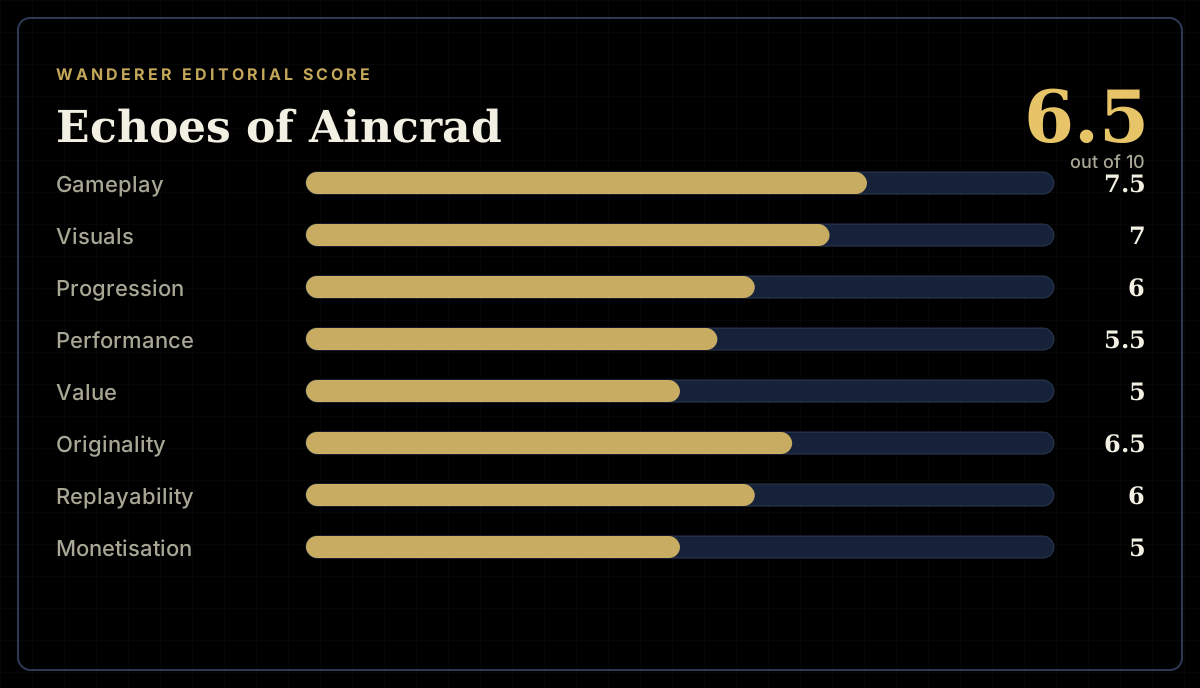
How the review scores each part of the gameWanderer Editorial -
The short versionWanderer Editorial