AFK Journey
The best-looking hero-collector on mobile pairs a genuinely thoughtful formation-based combat system with a gacha economy that turns its own leaderboards into the biggest reason to spend.
7 / 10
The Wanderer reading room
Idle RPGs, MMOs, browser games and mobile RPGs, taken apart properly. Every review carries a score out of 10, what the game does well, what it does badly, and the kind of player it is actually for.
The best-looking hero-collector on mobile pairs a genuinely thoughtful formation-based combat system with a gacha economy that turns its own leaderboards into the biggest reason to spend.
7 / 10
A classless sandbox MMORPG where every sword, ship and set of plate armour is player-made — and where losing a fight in the wrong zone means losing all of it. Nine years in, and now on Xbox, the question is whether that risk still teaches or just filters.
7.5 / 10
The free browser incremental that codified the modern reset ladder — dimensions into Infinity into Eternity into Reality — and is still the game every other prestige-layer idler is quietly measured against.
9 / 10
Obsidian trades the open world it once pitched for four dense, handcrafted regions of Eora, and the trade mostly pays off — sharp first-person combat and companions with real opinions, wrapped around a plague mystery that resolves faster than it deserves to.
7.5 / 10
LocalThunk's solo-developed poker roguelike turns chips times multiplier into the whole game — a review of how far that one exponential idea carries a run, and where the luck, the repetition and the small-screen text start to push back.
9 / 10
Three years and eight patches after launch, Larian's D&D epic is still the reference point for what "your choices matter" is supposed to mean — and its two real weaknesses, a lopsided third act and a ruleset that rewards system mastery over roleplay, haven't gone anywhere either.
9.5 / 10
A hacking-themed incremental where the automation you'd normally unlock with currency is automation you write yourself, in real JavaScript against a real API — free, open source, and still getting rewritten out from under its own players five years after launch.
8.5 / 10
Game Science builds an entire action RPG around the Destined One's staff and the Great Sage's shapeshifting, and lands one of the best boss rosters in the genre — inside a chapter structure that looks far more open than it actually plays.
8.5 / 10
Blobfish's one-person arena shooter hands a potato six weapon slots and lets stat stacking do the rest — a review of how far chips-in-the-shop decision-making carries a twenty-wave run, and where the plain presentation and a few solved builds hold it back.
8 / 10
A factory-automation colony sim where the terrain itself is a resource — you mine the ground you build on, dump waste that physically piles up, and the island's shape becomes a side effect of every production decision. Four years into Early Access, with two to four more to go by the developer's own estimate.
7.5 / 10
A free time-travel Sokoban puzzler that gets one specific, difficult idea exactly right — solving a puzzle by recording your own past actions and then working alongside the ghost of what you just did.
8.5 / 10
A turn-based RPG that makes you dodge and parry every enemy attack in real time, wrapped around a hand-painted Belle Époque France that's dying on a one-year clock — and one of the rare acclaimed games that earns the noise made about it.
9.5 / 10
The clicker that turned clicking optional — ascension, Hero Souls and the Ancients tree came from here, and the idle RPG genre never really left. A retrospective look at whether the game that built the template still deserves a slot in 2026.
7 / 10
The game that accidentally invented the incremental genre in an evening, still actively updated thirteen years later — and still the yardstick every idle game gets measured against, for better and for worse.
8 / 10
A mining sandbox that turns "just one more tile" into a genuinely well-paced RPG — skills level as you use them, bosses gate the map instead of a level counter, and up to eight players can dig through it together.
8.5 / 10
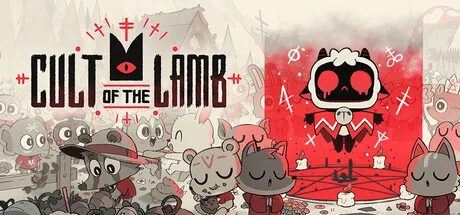
A roguelite dungeon crawler and a cult-management sim share one save file, and the question that actually matters almost four years on is whether they're still lending each other strength or just taking turns.
8 / 10
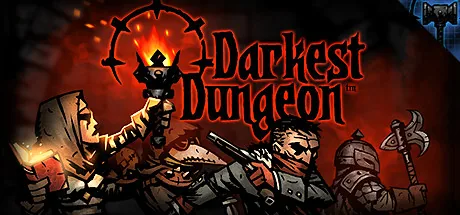
Red Hook Studios' gothic party roguelike turns stress into a second health bar and turns your roster, not any one hero, into the thing you're actually raising from level one.
8.5 / 10
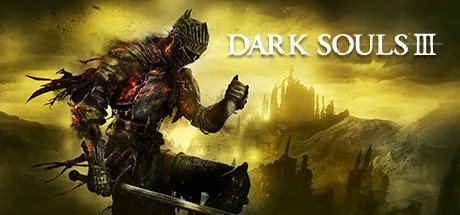
FromSoftware's fastest, most aggressive Souls game turns everything the trilogy built up to that point — punishing combat, colossal bosses, environmental storytelling — up to a final, deliberate intensity, and closes the series out as close to a masterpiece as it gets.
9.5 / 10
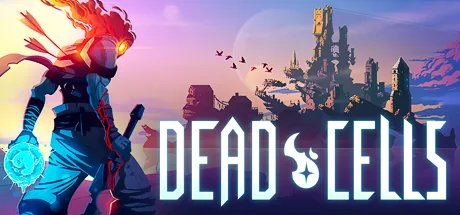
Motion Twin's roguelite metroidvania turned a simple pitch — permadeath runs through a procedurally reassembled castle — into one of the best-supported action games on Steam, and it mostly still holds up now that the studio behind its five years of updates has closed the book.
8.5 / 10
Funday Games bolts a real mining loop onto the Vampire Survivors formula, so every dive asks a second question underneath "which upgrade do I pick": is that vein of nitra worth the ten seconds it takes to dig out while the swarm closes in?
8 / 10
Blizzard's remaster of the 2000 original finally landed on Steam in February 2026, bundled with the first new class since 2001. The classic game underneath is exactly as good as it ever was — the question is whether Steam buyers are actually being sold the classic game, or something more expensive.
7.5 / 10
Two expansions and a dozen seasons after launch, Diablo IV has fixed the thing that nearly sank it — its loot — and built a genuinely enormous endgame on top. What it hasn't fixed is how much it now costs, in money and in relearning, to stay current with it.
7.5 / 10
A viral 30-second animation of a sword-swinging Spinosaurus grew into a full Soulslike, and the surprising part is how much of that origin-story momentum survives the transition — right alongside the rough edges you'd expect from a one-person studio's first release.
7 / 10
Nine years on, the game that taught Larian how to build Baldur's Gate 3 is still the sharper tactical puzzle of the two — a combat system built from fire, water and armour that rewards a party that thinks in physics, and a brutal opening act that punishes one that doesn't.
8.5 / 10