A genuinely inventive Peggle-meets-roguelike hybrid whose own fans keep landing on the same specific complaint — the PC price doesn't yet match the amount of content on offer, and the identical mobile version is consistently cited as the better deal.
A cozy perfume-crafting sim where you grow your own ingredients, distil and blend essences, and sell bottled scents and candles to a parade of regular customers, with a satisfying core loop that outlasts its thin, RNG-heavy endgame.
The roguelike that Shattered Pixel Dungeon forked from, sold on Steam by the original creator himself — as a largely untouched 2015 mobile port with a decade-old bug its own store page still doesn't mention.
Running With Scissors' notorious open-world satire follows the Postal Dude through a week of mundane errands that can escalate into extreme, cartoonish violence at the player's own choice — reviewers overwhelmingly embrace its dark, self-aware humor and the genuinely under-discussed fact that the entire game can be completed without killing anyone, while a smaller, fair-minded dissent argues the underlying gameplay is thin and repetitive.
A genuinely novel 1:1-scale, single-server Earth city builder whose real-time-gated, deliberately slow pace and price tag divide reviewers almost exactly down the middle, even as nearly everyone credits the solo developer's unusually active post-launch support.
Ravenfield lets a single player command sprawling Battlefield-style battles against AI bots, propped up by one of Steam's most prolific modding communities. Nearly a decade into Early Access, its huge, devoted fanbase keeps coming back for the sandbox chaos and mod support, even as reviewers increasingly point out that promised features from years-old roadmaps, including an official multiplayer mode and a "Conquest mode" the developer once linked directly to finishing the game, still haven't arrived.
A Kickstarter-funded tactical RPG that blends turn-based combat, kingdom management and a visual-novel-style social system, praised almost everywhere for its writing and cast -- and dragged down consistently, across nearly a decade of reviews, by crashes, harsh save limitations and RNG that a meaningful share of players call broken rather than merely unlucky.
An Idle Village Sim Built Around Watching Heroes Live Their Lives Renz Village Adventure is a solo-developed idle simulation RPG that puts the player in charge of a small fantasy s
An Early Access incremental grand strategy game built around a genuinely compelling "Rebirth" New Game Plus loop, praised by early reviewers as immediately playable for Europa Universalis fans, but still rough around the edges in interface, tooltips and balance.
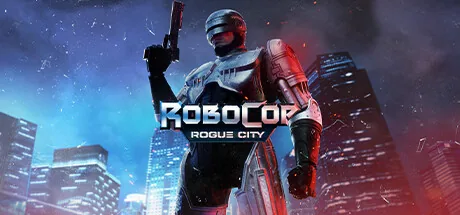
A faithful, genuinely loved power-fantasy shooter that nails what fans wanted from a RoboCop game, undermined by a chronic crash-and-corrupted-save problem that hasn't faded with age the way launch bugs usually do, compounded by publisher Nacon's real 2026 insolvency filing.
A Zodiac Sent Back in Time to Learn Some Manners Rooster opens on a premise that's equal parts folklore and sitcom setup: the twelve animals of the Chinese Zodiac gather for th
A hand-drawn 2D soulslike RPG that folds Dark Souls-style combat and progression into a Metroidvania structure, Very Positive across more than 20,000 reviews — undercut for a large share of players by the total absence of an in-game map, and stirred up again eight years after launch by a difficulty-altering patch whose true authorship reviewers and press coverage don't fully agree on.
A deceptively deep ASCII roguelike RPG that BBS and MUD veterans recognize instantly, praised for genuine crafting, exploration and combat systems hidden behind simple text graphics — undercut by a detailed, technical reviewer account of late-game balance breaking down entirely, and a genre-identity debate over whether permadeath even suits it.
Coffee Stain Studios' co-op FPS/tower-defense hybrid sequel leans harder into shooting and character builds than its predecessor, drawing genuine praise for its variety and co-op chaos — while a consistent, well-corroborated wave of original-game fans argue the sequel traded away the freeform maze-building that made the first Sanctum distinctive in the first place.
A cozy incremental fishing game from Glass Gecko Games, casting players as a fishmonger who catches, cleans, and sells creatures across four themed zones, Very Positive across 1,840 reviews for its satisfying cleaning minigames and charming art — with a widely repeated complaint that upgrades and money reset to zero at every new zone.
Attu Games' debut is one of the most visually distinctive indies of the year — every character sprite is literally embroidered by hand — wrapped around a Slavic folk-horror story about a mother searching for her missing children. The presentation is close to flawless; the platforming, torch-lit cave sections, and launch-week bugs are where it stumbles.
A free scratch-card incremental with 91% positive reviews, median playtimes near 100 hours — and an achievement called "Reviewed" that 40% of its owners have unlocked. The engagement is real. So is the asterisk on the score.
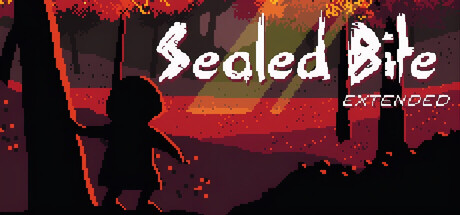
A Bite-Sized Metroidvania That Knows Exactly How Long It Wants To Be Sealed Bite: Extended, a solo project from developer Ruben S. Luis published by Pineapple Works, released on St
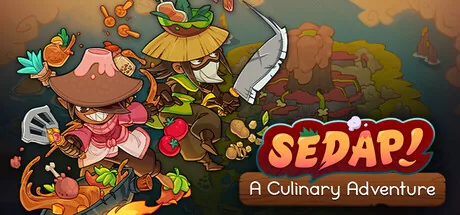
A chaotic Overcooked-style co-op cooking game built as a genuine love letter to Southeast Asian cuisine and culture, SEDAP! A Culinary Adventure earns wide praise for its charm, art, and inventive ingredient-hunting twist, but a real split in its review sample reports rough launch-state bugs, punishing later-game difficulty, and sprawling level design that turns cooking into a memory-test scavenger hunt.
Croteam's prequel to the Serious Sam series delivers the franchise's usual arcade chaos against overwhelming alien hordes, and reviewers still praise its co-op and heavy-metal bombast — but a large, specific, and remarkably consistent share of longtime series fans independently agree this is the weakest entry, arguing it diluted the franchise's arcade identity with modern military-shooter trappings the earlier games deliberately avoided.
A prequel entry in Rusty Lake's long-running point-and-click puzzle series, set at the Vanderboom estate in 1839, that lands as polished and newcomer-friendly enough to draw broad praise from its huge review sample while facing a specific, well-documented backlash from longtime fans who feel its puzzles and atmosphere have been smoothed over.
The third and final Harebrained Schemes Shadowrun tactical RPG, and the trilogy's most divisive entry — some players call it a masterpiece with a thousand-plus hours to back it up, others say the Matrix hacking minigame and murky pacing undo what Dragonfall got right.
The Kickstarter campaign that brought cyberpunk-meets-fantasy Shadowrun back to video games — a genuinely well-written tactical RPG that its own developer, and most of its fans, would go on to surpass twice over with the sequels it made possible.
A genuinely unprecedented solo-developer grand strategy game where you play a secretive evil god corrupting a living, Crusader Kings-style simulated fantasy world from the shadows — praised almost unanimously for a concept unlike anything else in the genre, undercut by consistently, harshly criticized UI and mechanical clarity problems that went largely unaddressed for years before a modest, deliberately cautious fix arrived.