Game review
Rooster Review
6.5 / 10
- Developer
- Sticky Brain Studios
- Publisher
- Sticky Brain Studios
- Released
- 16 September 2026
- Platforms
- ["Windows", "Mac"]
- Genre
- Adventure
A Zodiac Sent Back in Time to Learn Some Manners
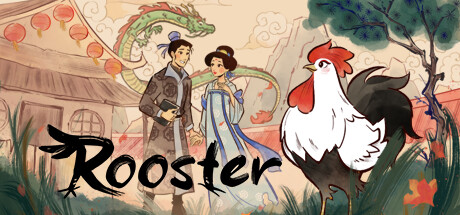
Rooster opens on a premise that's equal parts folklore and sitcom setup: the twelve animals of the Chinese Zodiac gather for their annual Lunar New Year's Eve party, Rooster's obnoxious behavior finally pushes everyone past their limit — he makes Rabbit cry, which is apparently the last straw — and an exasperated Dragon conjures a potion that hurls Rooster back through time into Ancient China to learn some humility. Along the way you meet Little Dove, a human whose personal milestones become the excuse to reconnect with each Zodiac animal in turn, one apology at a time, before Rooster earns his way back to the present. It's a small, warm framing device from Canadian developer Sticky Brain Studios, made with support from the Canada Media Fund and Ontario Creates, and it's built specifically around Chinese folklore, brush-painting-inspired art, and food culture rather than treating "cozy adventure" as a genre-neutral wrapper. The game had a long, quiet runway to release — a Chinese- and Japanese-localized demo went up in April 2025 with the studio openly saying the full launch date was still being "secretly brewed" — before Rooster actually arrived on September 16, priced at a modest $15.99.
Twelve Animals, Twelve Different Games
The structural hook here is unusually ambitious for a game this size: Rooster isn't one minigame wearing twelve different skins, it's an anthology of twelve genuinely different play styles, one built around each Zodiac animal's personality. Rat gets a hidden-object level built around assembling a gift basket; Ox pairs hidden-object searching with a puzzle-assembly mystery; Tiger's chapter is, of all things, a dating-sim sequence structured like an Ancient Chinese matchmaking game show as you help find a match for Little Dove; Rabbit combines hidden objects with cooking as you hunt down soup ingredients while dodging Rabbit's judgmental reactions; Dragon is a straight cooking level; Snake is a hazard-dodging babysitting sequence set in a crowded marketplace; Horse is built around item transmutation; Goat returns to clue-based hidden-object play; Monkey is a paper-crafting level; Dog is a garden-restoration task; Pig closes the animal roster with a tower-defense level about fending off overbearing relatives ahead of a family feast; and Rooster himself gets the finale — described by the developer as "the ultimate boss fight," which turns out to be a level about self-reflection and giving a proper apology rather than combat of any kind. That's a lot of genres to cram into one $15.99 release, and the ambition itself is the game's most distinctive selling point regardless of how evenly each individual chapter lands.
What the Small Reception Says So Far
Rooster's review base three days after launch is small — nine reviews across every language on Steam, seven positive and two negative, landing at a Mostly Positive 78%. The lone English-language review currently on record is enthusiastic without reservation, calling the game's presentation "incredible" and its story "hilarious yet touching," and singling out the soundtrack as "lovely and fitting" for what they describe as "such a nice cozy game." That tracks with what the developer was clearly aiming for: warm, handcrafted, brush-painting visuals paired with a story that leans on genuine emotional beats rather than pure whimsy. The dissenting voice in the review base, a Polish-language player, tells a very different story — they call the game boring despite its visual appeal, and argue explicitly that it isn't worth its current asking price, suggesting a fair standard price closer to 25 złoty (roughly $6–7 USD) rather than what Rooster currently charges. With only two data points on either side of the ledger, neither should be read as a verdict on the whole game, but the split itself is informative: it's the exact fault line you'd expect from an anthology built around presentation and charm on one side and pacing and per-minigame depth on the other. A game promising twelve distinct genres in one package invites exactly this kind of disagreement, because the odds that all twelve chapters land equally well for every player are slim by design.
The Anthology Format's Built-In Risk
The honest tension in Rooster's pitch is the one its lone critical review points directly at: spreading a modest budget across twelve different minigame genres means none of them can go particularly deep. A tower-defense level built for one chapter of a cozy narrative game is never going to compete with a dedicated tower-defense game on mechanical complexity, and the same logic applies to the dating-sim chapter, the hidden-object chapters, and everything else on the list — each one is closer to a well-dressed vignette than a fully realized genre entry. That's not necessarily a flaw if the game's real goal is breadth, variety, and emotional throughline rather than depth in any single system, and the positive review's focus on story, art, and music over mechanics suggests that's exactly the intended reading. Sticky Brain Studios also clearly invested real effort into accessibility, with the Steam page listing camera comfort options, color alternatives, mouse-only play, and support for play without timed input — a thoughtful spread for a small indie team. The platform list is more limited, with Windows and Mac support but no Linux build, and buyers should know upfront this is a single-player, story-first release with no replayability hooks beyond the twelve set-piece chapters themselves.
Verdict
Rooster is a small, sincere anthology game that swings for genuine ambition — twelve Zodiac animals, twelve different genres, one coherent story about learning to apologize — on an indie budget that can't always cash the check its structure writes. The praise it's earned so far centers on its handcrafted art, its emotional writing, and a soundtrack reviewers single out unprompted, while its lone dissenting voice raises a fair question about whether $15.99 is the right price for a game whose individual minigames are, by design, closer to charming vignettes than fully developed systems. For players drawn to cozy, culturally specific storytelling and willing to meet a varied, genre-hopping structure on its own terms, Rooster has real charm to offer. For anyone expecting any single one of its twelve chapters to hold up as a standalone minigame worth the price of admission on its own, it's fair to wait for a deeper review base — or a sale — before deciding.
Screenshots
-
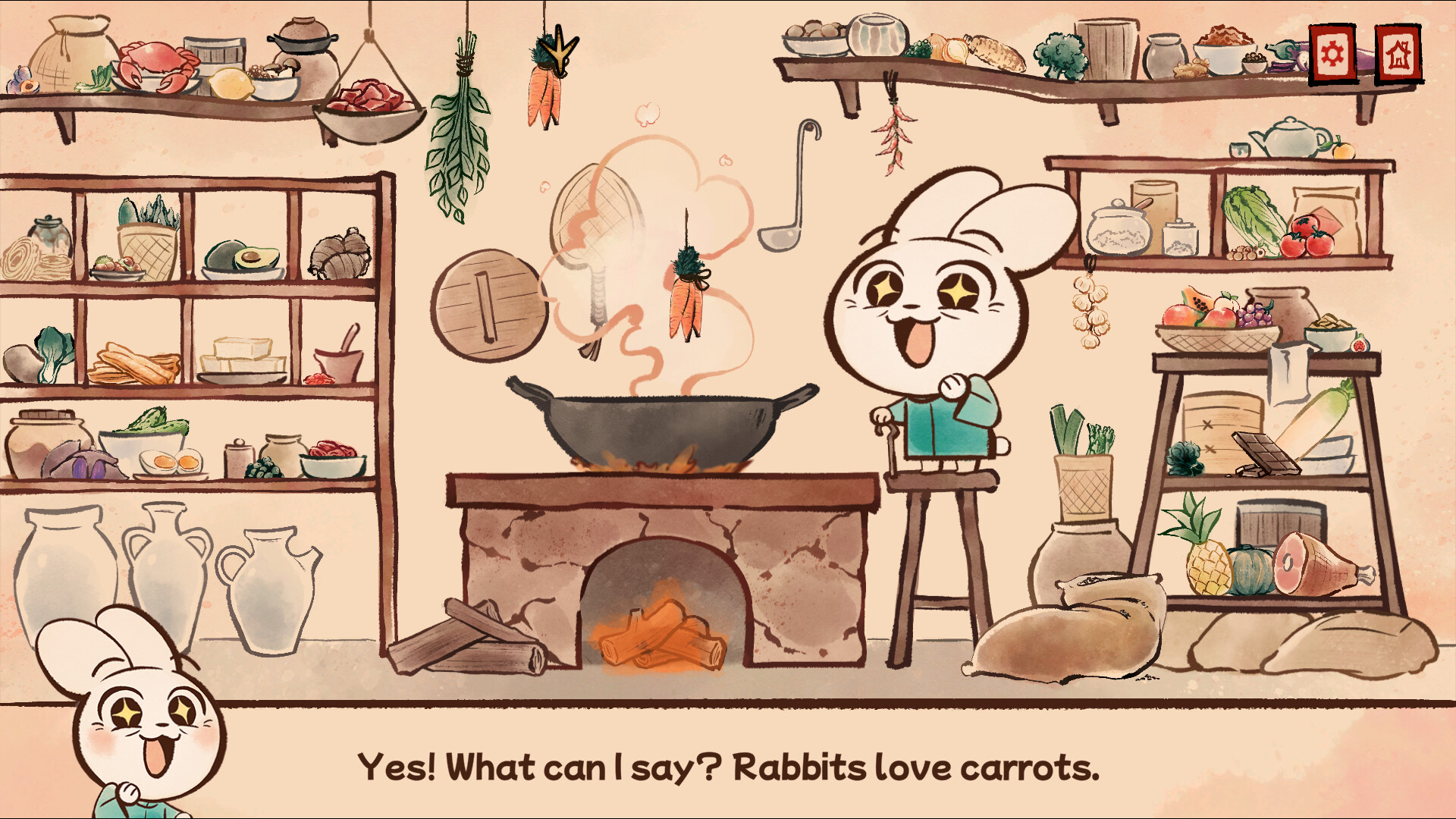
Rabbit's chapter blends hidden-object searching with cooking, one of twelve genre-hopping vignettes built around each Zodiac animal.Image: Sticky Brain Studios via Steam -
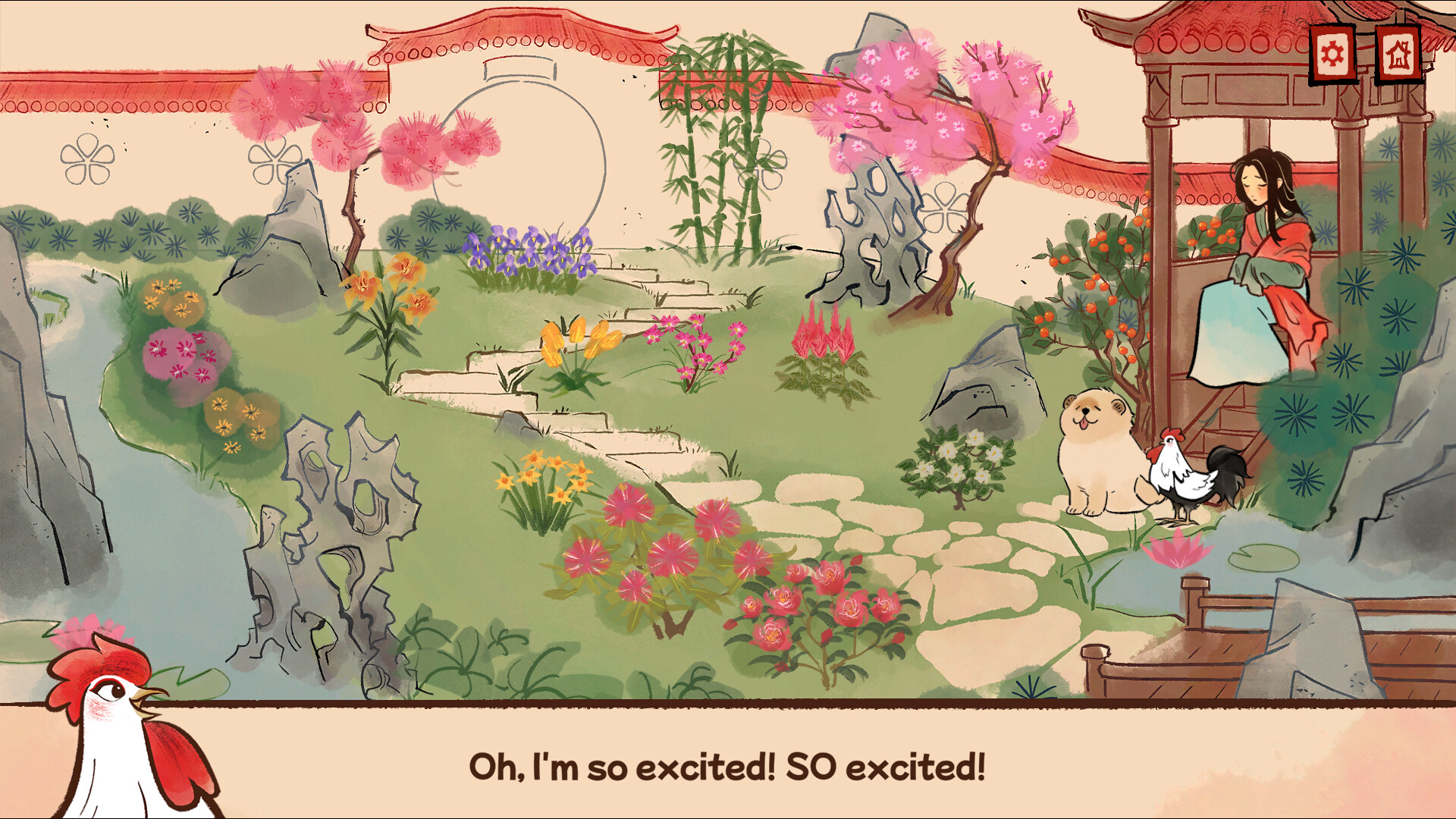
The brush-painting-inspired art style carries through every chapter, regardless of which minigame genre it's built around.Image: Sticky Brain Studios via Steam -
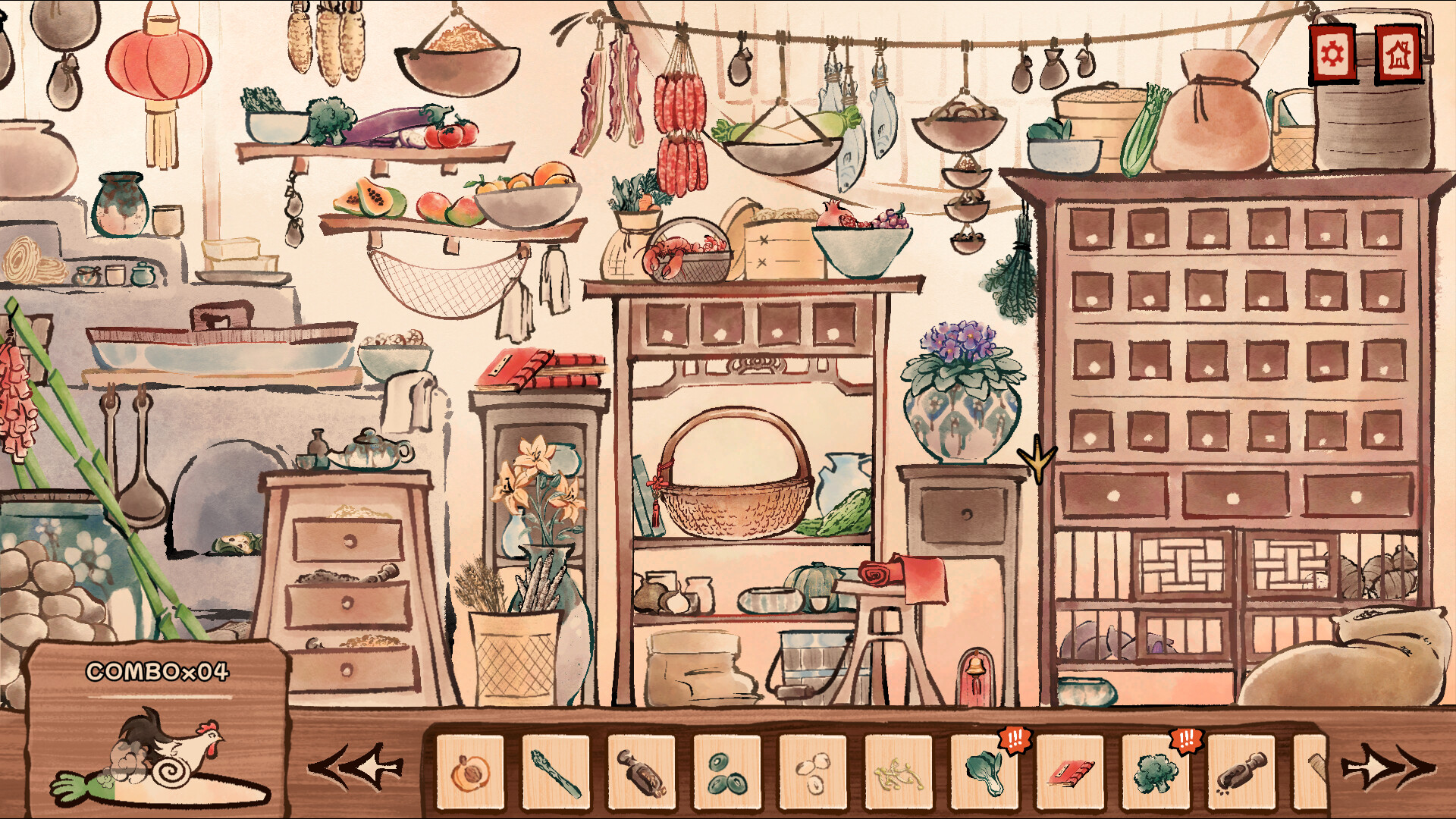
The hidden-object chapters lean on the same densely illustrated clutter that defines the game's overall look.Image: Sticky Brain Studios via Steam