
Game review
WILL: Follow The Light Review
5 / 10
- Developer
- TomorrowHead Studio
- Publisher
- TomorrowHead Studio
- Released
- 7 May 2026
- Platforms
- ["Windows"]
- Genre
- Adventure
A Lighthouse Keeper, a Missing Son, and a Yacht Called Molly
WILL: Follow The Light casts you as Will, a lighthouse keeper on a remote northern island whose quiet shift is shattered by a radio message: disaster has struck his hometown, and his son is missing. He sets out aboard his sailing yacht Molly through icy, storm-battered waters, working his way across an abandoned island, a mountain range only reachable by dog sled, and the ruins of his own hometown, all while unpacking a parallel story about his relationship with his own father. It's a small, self-funded, self-published debut from TomorrowHead Studio, built in Unreal Engine 5, and reviewers are consistent that the environments — fog-wrapped seas, snow-choked ruins, the cramped, lived-in cabin of the boat itself — are the game's clearest achievement. "The graphics are amazing," wrote one player. "I love the details of the sea and environment, climbing up to the cliff in the lighthouse, and looking at the scenery."
The premise draws frequent comparisons to Firewatch, Dear Esther, and Fort Solis, and that's a fair shorthand for the pitch: first-person, story-forward, narrated introspection dressed up in a striking location. Where WILL: Follow The Light tries to differentiate itself is the sailing and dog-sledding traversal layered between story beats — a more mechanically active spine than a pure walking simulator, at least in theory.
Sailing That Delivers, Puzzles That Frequently Don't
The sailing is the single most consistently praised system in the review pool, even among players who otherwise struggled with the game. "The sailing is really really good, I love boats in games," wrote one reviewer, while another called it "superb," and a third singled out "fixing a broken mast" as somehow "more therapeutic than my actual therapy." Several players specifically wished there was more of it, with one asking for a fully open world to sail rather than the fixed island-to-island structure the game actually uses.
The puzzles fare far worse. Complaints center on solutions that feel arbitrary rather than logical — "you have to walk under light posts and the glow when you do, no explanation as to what order it's supposed to be in, just running back and forth getting frustrated," as one reviewer described a mid-game sequence, adding they eventually had to consult a video guide that was itself hard to follow. Others describe brute-forcing circuit breakers and dial combinations rather than reasoning through them, and multiple reviews use some version of the same complaint: strong atmosphere undercut by mechanical busywork dressed up as puzzle design. A handful of players found the puzzles appropriately gentle rather than frustrating, calling them "sufficiently documented in the journal," so mileage clearly varies depending on how much friction a player wants between story beats.
A Family Drama That Loses Its Shape Partway Through
The father-and-son framing lands for a meaningful slice of the review pool — "It has a great lesson for dads, and that really resonated with me," wrote one player, and several others describe being moved to tears by specific late-game moments. But just as many reviewers describe the narrative losing coherence as it goes, jumping between locations and plot beats without transitional connective tissue. "There's no transitory scene leading, for instance, from the overlook of the town to appearing in the ruined hospital," one reviewer noted. "Oh, okay, we're here now. And we're doing this now." Another described the plot pivoting into "semi-supernatural nonsense" after the second chapter, a swerve several other reviewers also flag as a tonal misstep the game never fully earns.
Voice acting is a recurring sore point, criticized across many reviews as stiff, over-exaggerated, or poorly matched to the material; TomorrowHead Studio also swapped Will's voice actor between the demo and the full release, which multiple reviewers say was a downgrade they specifically miss. A smaller number of reviewers go further, describing the delivery as sounding artificial or "AI coded" and pointing to what they characterize as review-bombing by inauthentic accounts propping up the positive score — pointing specifically at accounts with several hours of playtime but zero unlocked achievements, which they argue shouldn't be possible given how early the game's first achievements trigger. That's a serious accusation to flag honestly, though it's worth noting it comes from a minority of the negative reviews rather than a documented, confirmed pattern, and the bulk of the 554-review pool reads as ordinary, mixed player reaction rather than anything coordinated.
Rough Technical Edges for a $24.99 Debut
Beyond narrative and puzzle complaints, several reviewers flag real technical rough edges: a save system that doesn't checkpoint reliably, with one reviewer reporting the loss of over twenty minutes of progress and calling the lack of manual save control "utterly infuriating"; a DLSS frame-generation option that reviewers say doesn't actually work as shipped, requiring a manual engine configuration file edit to enable months after launch; stiff, static NPC animations; and a boat rigging model that at least one reviewer with real sailing experience found implemented inaccurately. None of these are dealbreakers in isolation, but they stack up against a $24.99 asking price that a large share of the review pool describes as too high for what's delivered — "wait till it is at or below five dollars," suggested one blunt reviewer, while a more measured take recommended waiting for "a sale at 55% or more." A four-to-ten-hour runtime, depending on how much backtracking a given playthrough involves, doesn't help the value case at full price.
Verdict
WILL: Follow The Light is a handsome, sincere first outing from a small self-published studio, and its sailing and dog-sledding traversal genuinely stand out in a genre that's often content to just have you walk. But the puzzle design frequently feels arbitrary rather than earned, the family-drama narrative loses its footing partway through, and voice acting and save-system complaints — plus a pocket of reviewers alleging inauthentic positive reviews — chip away at the goodwill the visuals and setting build up early on. It's worth a look for fans of atmospheric, Firewatch-adjacent narrative adventures, but this is very much a wait-for-a-sale purchase rather than a full-price one.
Screenshots
-
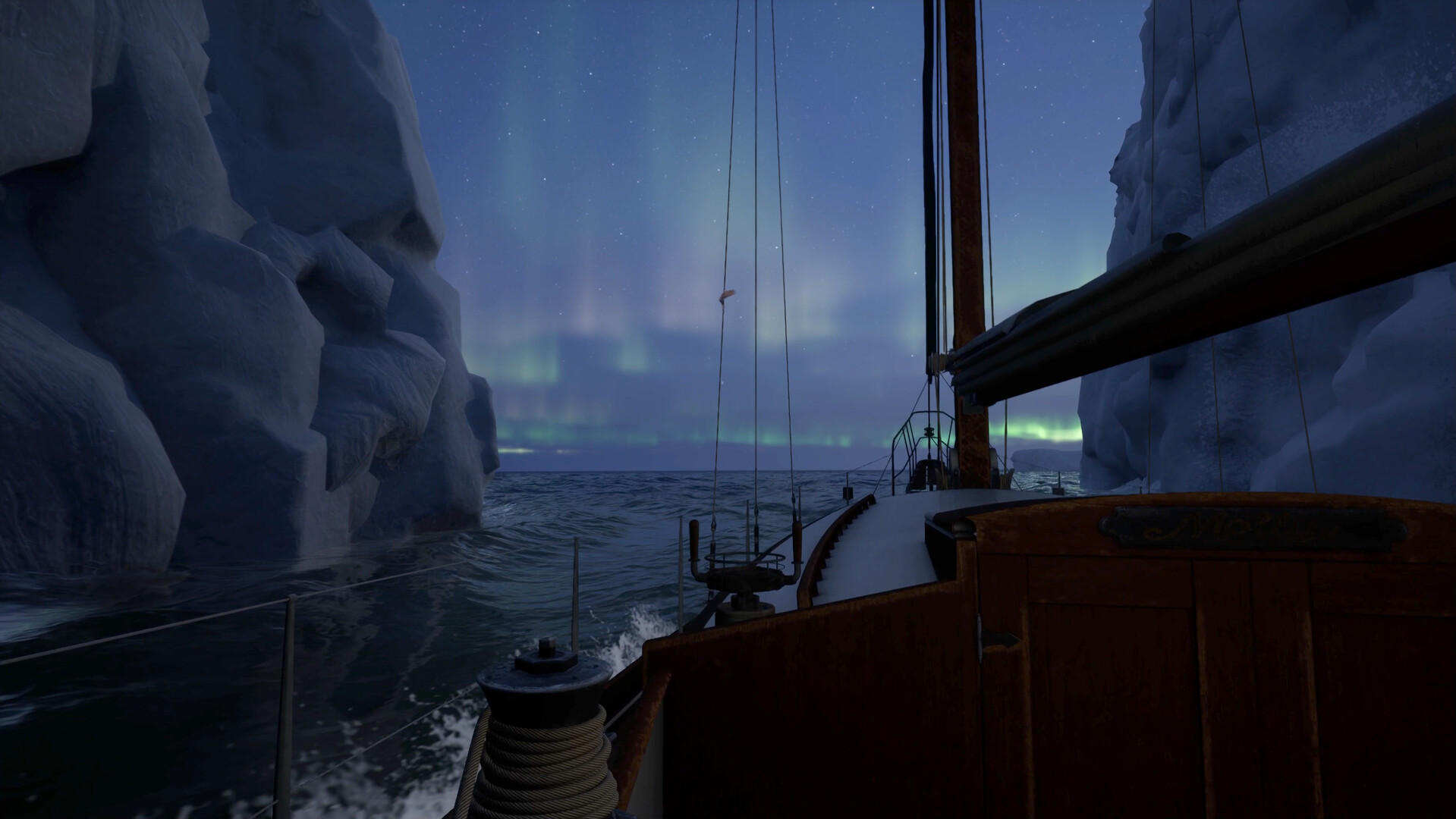
Threading Molly between icebergs beneath the northern lights.Image: TomorrowHead Studio via Steam -
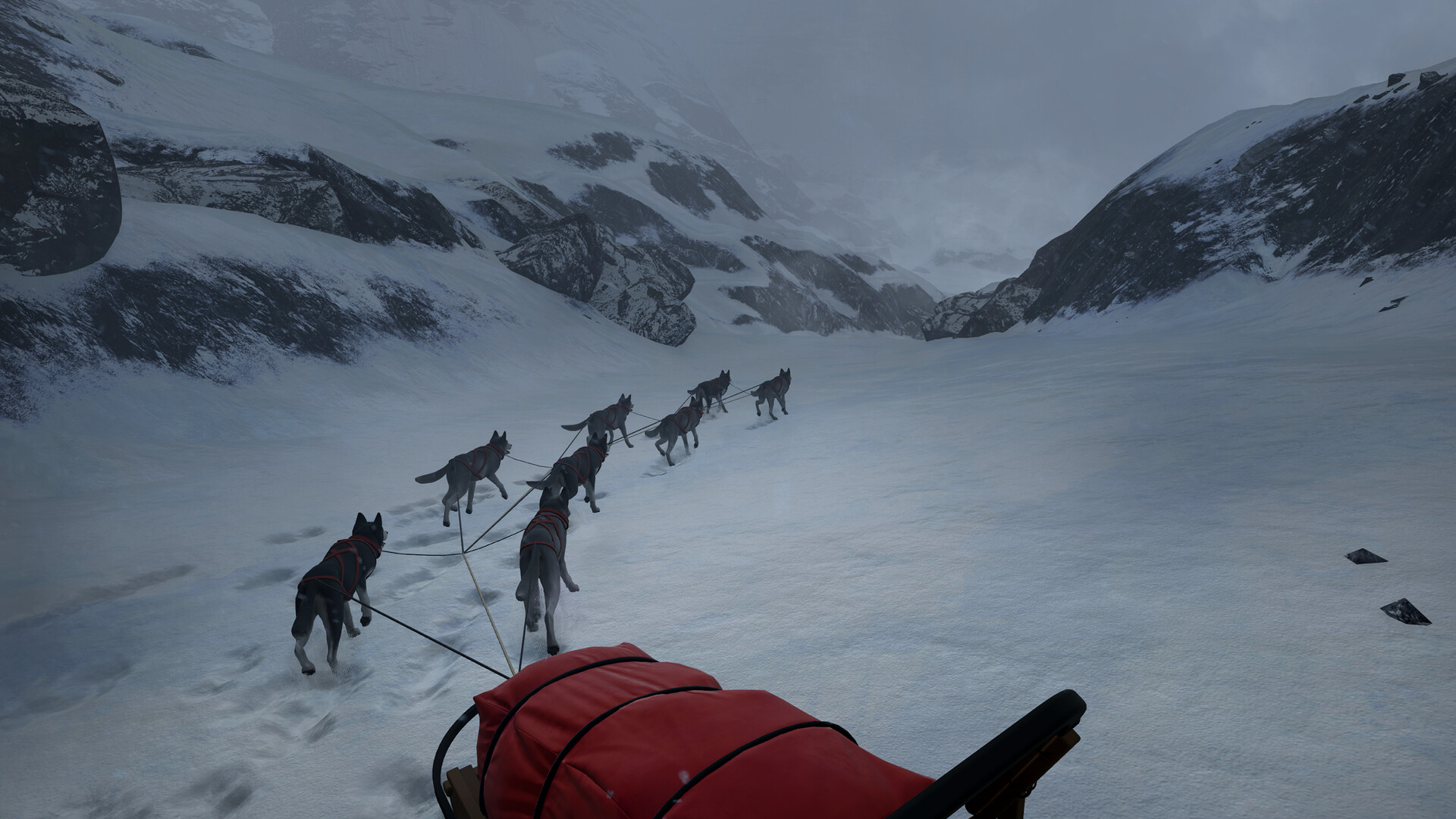
Crossing a fog-choked mountain pass by dog sled.Image: TomorrowHead Studio via Steam -
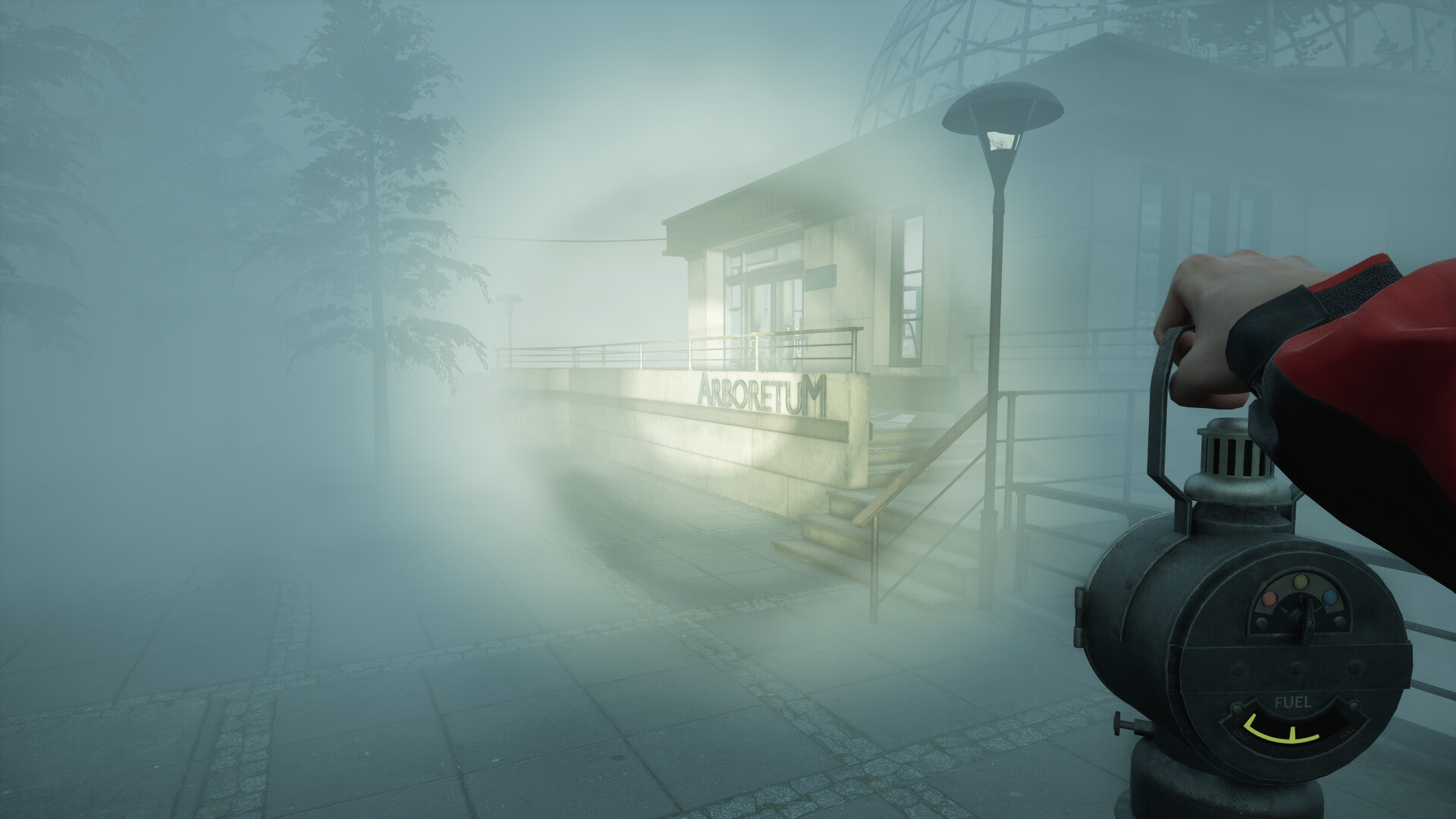
Approaching the ruined Arboretum with the lantern lit.Image: TomorrowHead Studio via Steam