Game review
Broken Reality 2000 Review
6.2 / 10
- Developer
- Dynamic Media Triad
- Publisher
- Digital Tribe
- Released
- 27 July 2026
- Platforms
- ["Windows", "Mac"]
- Genre
- Adventure
A Long-Awaited Return to NATEM
Eight years after the original Broken Reality carved out a small but devoted cult following with its vaporwave-soaked tour through a decaying digital world, Dynamic Media Triad has returned to the same virtual community of NATEM for a full sequel. Where the first game filtered its exploration through a distinctly 90s lens of dial-up nostalgia and early internet ephemera, Broken Reality 2000 shifts the aesthetic forward a decade, trading grainy Vaporwave textures for the rounder, glossier look of Frutiger Aero and Y2K-era web design. You once again play a digital wanderer logging into NATEM, drifting between a scattered collection of surreal hub worlds, collecting "likes," snapping photos of pop-up ads with a hacked camera, and slowly piecing together why this particular corner of the internet is falling apart at the seams.
Structurally, it plays almost exactly like its predecessor: a first-person walking-sim-slash-light-Metroidvania where new tools unlock access to previously blocked paths, and progress is measured less by traditional objectives than by how much of each area you're willing to wander through. Long-time fans waited years for this follow-up, through delays, long stretches of dev silence, and no small amount of worry that it might never materialize at all. Now that it has, the reception has been sharply divided between players who see it as a worthy continuation and those who feel it never quite recaptures what made the original so beloved, and having spent considerable time working through both the strengths and the very real rough edges, it's easy to see why both camps have a point.
New Tools, Old Bones
The moment-to-moment toolkit is where Broken Reality 2000 makes its clearest improvements. The returning katana now uses directional slices tied to weak points on enemies, the camera's node-hacking minigame adds real spatial logic instead of letting you connect dots in any order, and the credit card system makes spending and earning currency feel more consequential than in the original. The two genuinely new additions land well: a bow that adds light target-shooting variety, and especially a hoverboard that lets you skim across water and blast across dry land at a pace the rest of the game badly needs. The bookmarker item, meanwhile, doubles as a rough GPS for tracking down collectible crates, a small but appreciated quality-of-life addition the first game never had.
The trouble is that none of it is deployed with much ambition. Areas that could lean into the new movement options mostly don't, and the overall gameplay loop, walk somewhere, collect currency, occasionally shoot or hack something, feels only lightly reshuffled from 2018. Worse, the pacing around these tools works against them: the hoverboard, far and away the single most requested quality-of-life fix based on how often it comes up in player feedback, doesn't arrive until several hours in, and until then movement is a deliberate crawl with no sprint button at all. The developers have since patched in a faster base walking speed and a Nexus-hub speed boost in response to complaints, which helps, but the game's opening stretch still asks for a lot of patience before its best mechanical ideas kick in.
Puzzle design is the other soft spot. Much of what the game calls puzzles amounts to fetch quests, button presses, or straightforward "shoot the thing" objectives; a few areas, like the Crypts, lean on the exact same errand (collecting dynamite for different NPCs) repeated with only cosmetic variation. The late-game Cloud section introduces block-pushing puzzles that several players single out as needlessly fiddly rather than genuinely clever. The Museum stands out as the clear exception, an area widely singled out as the game's strongest, most thoughtfully assembled space, stacked with lore, sharp visual gags, and a sense of purpose the rest of the map often lacks.
A World That Looks Great and Still Manages to Feel Thin
Visually, Broken Reality 2000 is a handsome game, and areas like the Nexus, Minami Beach, and the aforementioned Museum land the Frutiger Aero aesthetic convincingly, all glass architecture, soft gradients, and glossy chrome standing in for the era's optimistic web design. The problem, echoed across a wide swath of reviews from people who played the original, is that too many of the other hub areas feel like generic reskins rather than fully realized spaces: a mall that plays exactly like a mall, a cinema that's just a cinema, a cyberpunk city (Grifton) that borrows entire missions and layout ideas wholesale from the first game's standout Geocity level without bringing much new to them. Texture quality swings wildly within the same scene, with crisp, modern assets sitting awkwardly next to low-poly holdovers, and a number of players report visual bugs, flickering geometry, pop-in, and occlusion issues, especially in the Cloud, the game's final area.
The tonal mixing is just as divisive. Broken Reality 2000 is nominally set in 1999, but its writing is saturated with distinctly present-day references, cryptocurrency, NFTs, generative AI, influencer culture, streamers, that plenty of players find jarring against a period setting the game otherwise commits to visually. Some read this as a deliberate choice, using an ostensibly nostalgic Y2K wrapper to deliver more cynical commentary on where the internet actually ended up; others simply find it an inconsistent mess that undercuts the sense of time and place the original captured so well. Either read is defensible, and which one lands for you will likely depend on how much goodwill you're bringing in from the first game.
Ambitious, But Rough at the Edges
No discussion of Broken Reality 2000 is complete without acknowledging just how buggy the game was at launch, and to a lesser extent still is. Players have documented an extensive list of issues: soft locks from falling through terrain or getting wedged in geometry, sequence breaks from hoverboarding or hyperlinking over intended barriers, shared compass icons that make objectives hard to distinguish, missing item drops on certain quests, and audio that abruptly cuts in and out between zones. A handful of players report losing significant chunks of progress to forced restarts before the developers patched in a dedicated "unstuck" button days after release. To the team's credit, the response has been unusually fast and visible: multiple hotfixes and quality-of-life patches have landed in the weeks since launch, addressing everything from movement speed to specific softlock spots, and that responsiveness has genuinely softened a lot of otherwise harsh reviews. Even so, a game eight years in the making arriving with this many rough edges is a legitimate mark against it, not something that should need to be patched away in the first place.
The story and characters draw some of the most consistent criticism. Returning characters from the first game are present but largely stripped of the personality that made them memorable, and new NPCs tend to exist purely to hand out fetch quests with little dialogue worth remembering. The central mystery that powered the original's sense of intrigue, piecing together who the ADMINS were and what happened to NATEM, is largely absent here, replaced by vague gestures toward lore that many players say never really resolves into anything satisfying by either of the game's two endings.
Verdict
Broken Reality 2000 is a technically ambitious, visually striking sequel that expands on its predecessor's toolkit in some genuinely welcome ways, but stumbles over pacing, thin puzzle design, an unfocused tone, and a rocky, bug-riddled launch that undercuts a lot of its goodwill. For players who never experienced the original, there's a real chance to enjoy this as a strange, slow-paced exploration game with a distinctive look, especially once the hoverboard opens things up. For longtime fans of the 2018 cult classic, expectations should be tempered: the sequel leans heavily on the first game's ideas without matching its cohesion, and while the active post-launch patch support is a genuinely good sign, it doesn't erase how unfinished the game felt on day one. Worth picking up for its price and its handful of standout areas, but go in patient, and maybe wait for a few more patches before diving into the endgame.
Pros:
- The hoverboard and refined katana, bow, and camera mechanics are a real step up from the original's toolkit
- The Museum area is a genuine highlight, dense with lore, visual gags, and thoughtful design
- Visually striking Frutiger Aero and Y2K aesthetic that looks great in its best moments
- Consistently active post-launch patch support that has already fixed a number of launch-week complaints
Cons:
- No sprint for the first several hours makes the early game a slow, tedious crawl
- Extensive launch-week bugs, including soft locks, clipping, and sequence breaks, some of which persist
- Puzzles frequently reduce to simple fetch quests or button presses, with little real challenge
- Story and returning characters feel thinner and less memorable than in the original game
Screenshots
-
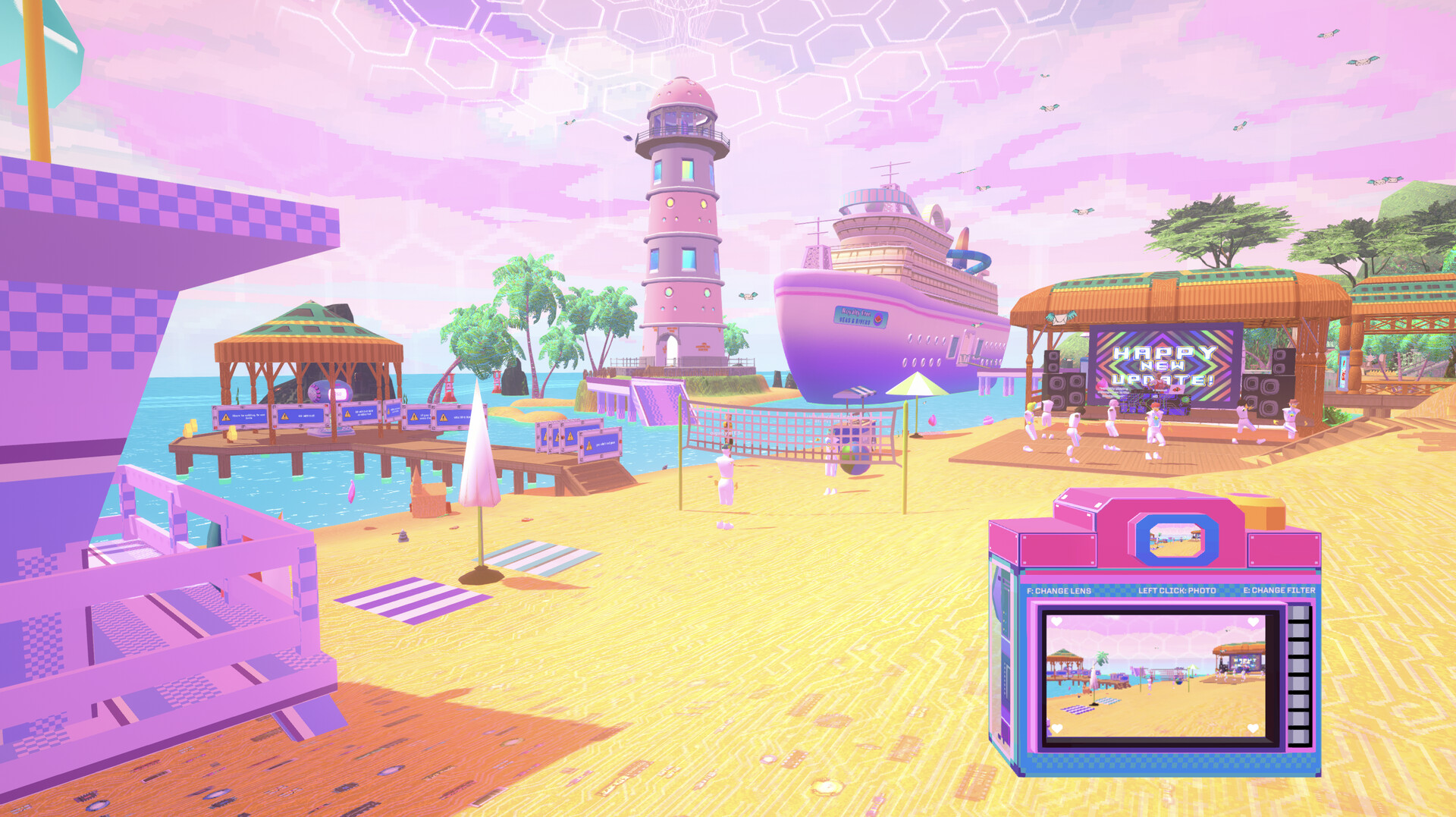
Minami Beach greets players with the game's pastel Y2K palette and its trusty hacked camera toolImage: Dynamic Media Triad -
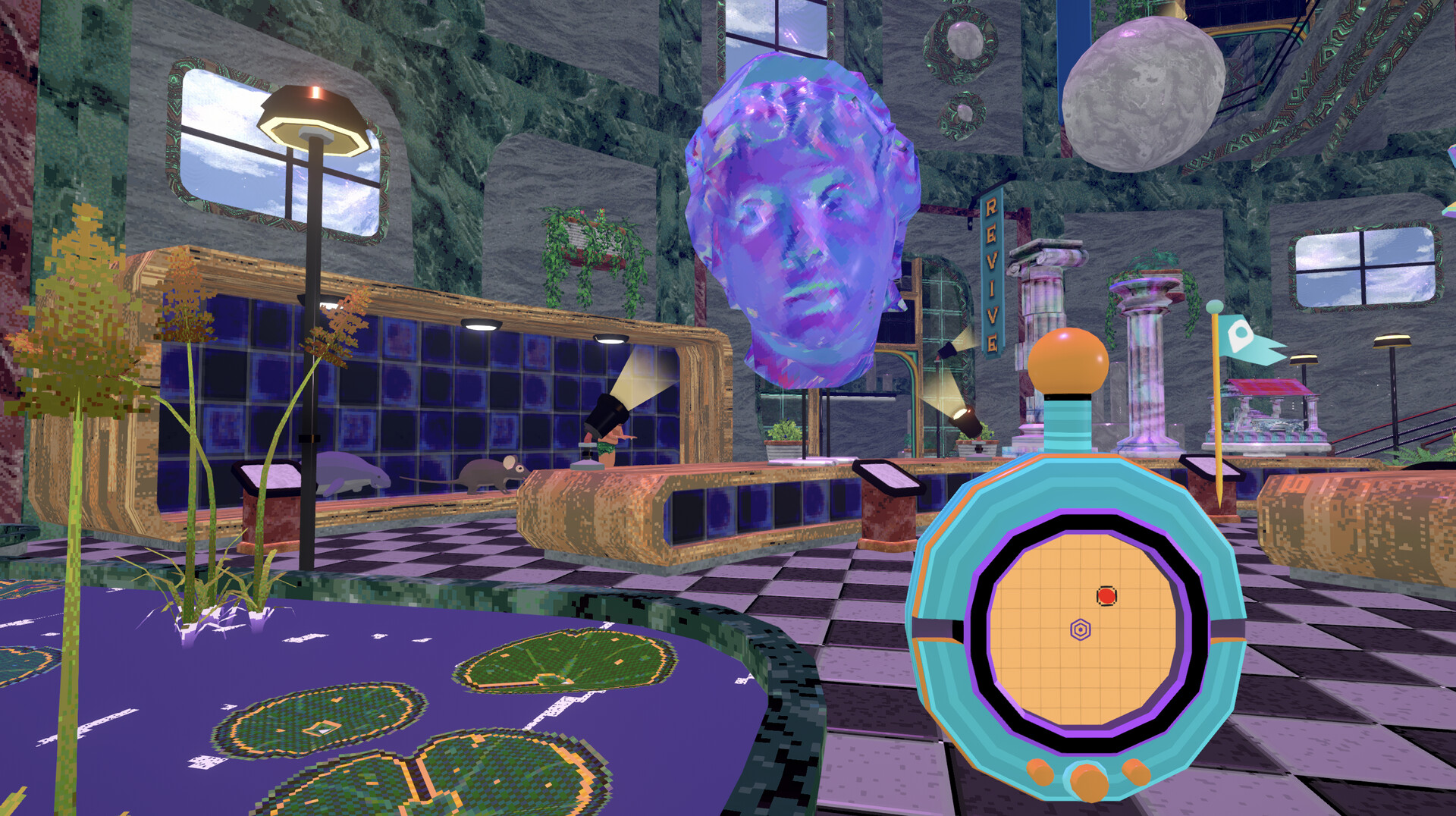
The Museum area is widely singled out as the game's most thoughtfully designed spaceImage: Dynamic Media Triad -
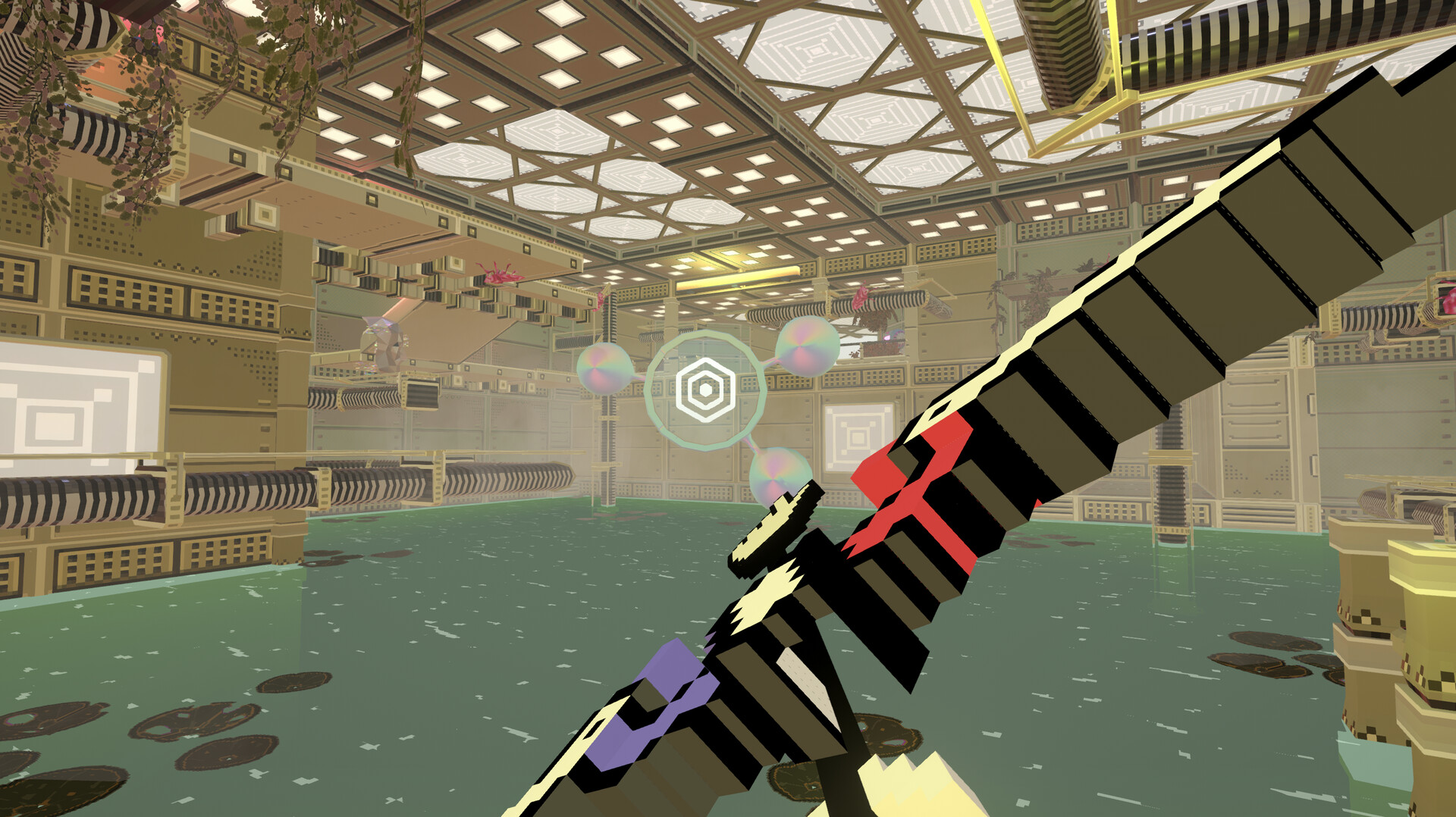
The revamped katana ties directional slices to weak points on enemies and puzzle nodes alikeImage: Dynamic Media Triad -
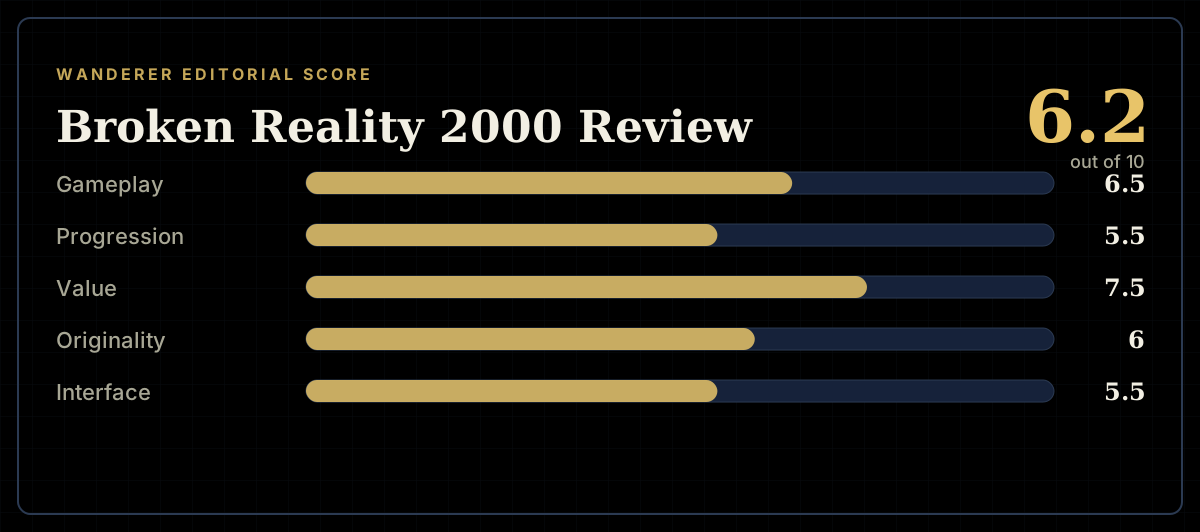
How the review scores each part of the gameWanderer Editorial -
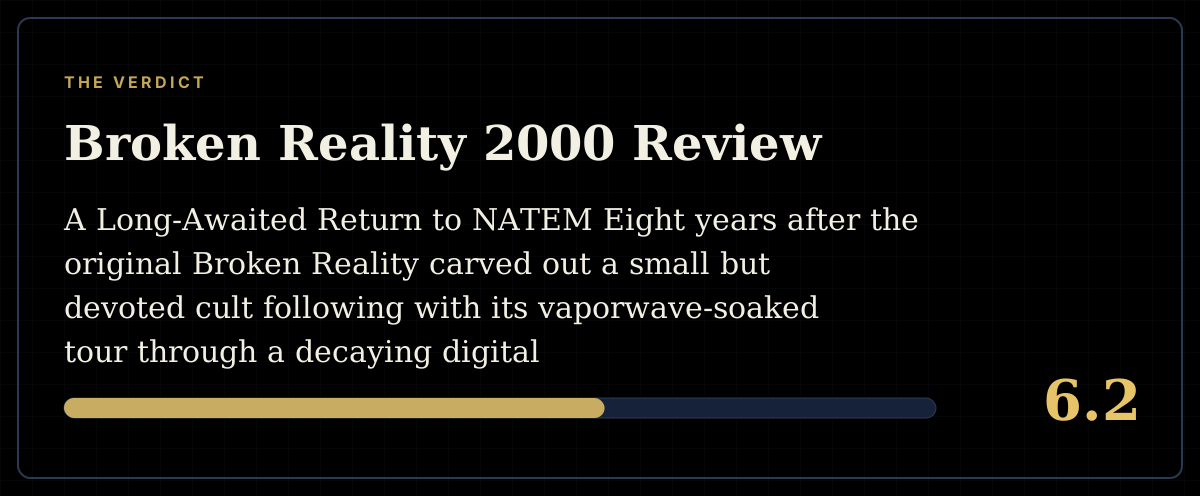
The short versionWanderer Editorial