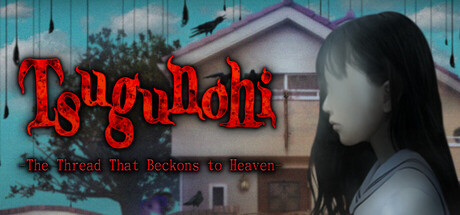
Game review
Tsugunohi -The Thread That Beckons to Heaven- Review
7 / 10
- Developer
- ImCyan
- Publisher
- Vaka Game Magazine
- Released
- 24 August 2026
- Platforms
- ["Windows"]
- Genre
- Adventure
Just Keep Walking Left
Tsugunohi -The Thread That Beckons to Heaven- asks almost nothing of the player mechanically: hold the left-arrow key, keep walking, and watch a quiet residential street slowly curdle into something wrong. It's the latest entry in developer ImCyan's long-running Tsugunohi series of "everyday-life-invasion" horror games, and this installment is explicitly a return to the visual style and atmosphere of the series' earliest, simplest entries after some of the more elaborate recent releases like The Chamber of Phantom Name. One reviewer, clearly familiar with the series' history, frames the trade-off directly: "While 'The Chamber of Phantom Name' may have been a more intriguing story, especially to Western audiences, I think the narrative themes of this one are more approachable." That's the core pitch here — less puzzle box, more slow-burn emotional gut punch, delivered through a mechanic so minimal it barely qualifies as gameplay at all.
The premise follows a girl walking her familiar route home from school, past neighbors who consider themselves "righteous," a mother holding a white umbrella and promising protection, and a mysterious thread of salvation hanging from the sky. Chapter by chapter, the sky reddens, the street degrades, and the story reveals itself to be about a family destroyed by a false accusation and the social media pile-on and bullying that followed — with the protagonist as the sole surviving target of the town's ongoing harassment. It's a heavier, more grounded kind of horror than jump-scare theatrics, closer to a piece of interactive short fiction than a traditional game.
A Story About Bullying, Grief, and False Accusation
What the review pool responds to most is the specificity and sincerity of that narrative. "It's a good short interactive story about how false accusations could ruin someone's entire life and those around them," one reviewer writes, describing the setup in blunt terms: you play as the daughter of a family ostracized after the father was falsely accused of a scandal online, and by the time the story starts she's the only one left to bear the town's continued cruelty. Multiple reviewers single out the treatment of online bullying and social ostracism as unusually thoughtful for the genre, with one calling it "a clear social message about online bullying with some thoughtful comments" even while noting the game's usual surreal, unsettling elements are dialed back to make room for it.
That sincerity clearly landed hard with at least some players on a personal level. "I can relate with the story of the game a lot that I cried non-stop through the last part," one reviewer writes, thanking the developer directly and describing the game as making them feel heard about difficult experiences in their own life. It's the kind of response that's hard to manufacture and speaks to unusually strong writing and pacing for a game built around such a minimal interaction model — dreamcore-inspired visuals, mounting environmental decay, and a slow reveal doing almost all of the narrative heavy lifting instead of dialogue trees or puzzles.
Familiar to Fans, Lighter on the Series' Signature Scares
Longtime fans of the series note a specific trade-off in this return-to-roots entry: it's notably less frightening than they expected. "I somehow felt that there were almost no jump scares, which I think are one of the signature elements of the series," one reviewer who names Shikiyoku as a favorite entry writes, adding that they still enjoyed the atmosphere and story and hope future entries strike a better balance. That's a meaningful data point for anyone coming to Tsugunohi specifically for scares rather than narrative — this entry trades startle-based horror for a more melancholic, dread-driven atmosphere, and the reviews suggest that's a deliberate artistic choice rather than an oversight, even if it disappoints a subset of series regulars.
The other recurring critique is length and depth. "This one is a bit short for my expectation," one reviewer writes, calling the storytelling "the most comprehensive till date" for the series while still wishing the runtime were roughly doubled given how compelling the social themes are. At $3.99 for what multiple reviewers describe as closer to an interactive short film than a full game — "Treat it as a short movie," one advises directly — that brevity is baked into the format rather than a sign of unfinished content, but it's worth knowing going in that this is a single-sitting experience rather than something with hours of play to offer.
Two Endings and a Choice Worth Making Carefully
The game builds to a single binary choice at its conclusion — take the mother's hand, or don't — and multiple reviewers flag a specific usability quirk worth knowing about in advance: making that choice requires using the mouse cursor rather than the keyboard controls used for the rest of the game, and missing that switch means accidentally locking into one ending or having to replay the whole short experience to see the other. "Please don't forget to use the mouse cursor to make the choice at the end of the game to get the two endings (and avoid redundant playthroughs)," one reviewer advises, a piece of practical guidance echoed by another player who specifically calls the more hopeful "true" ending worth seeking out as the more thematically satisfying of the two.
It's worth being direct about the size of the English-language review pool backing this recommendation: Tsugunohi sits at 112 total reviews and a "Very Positive" 89% overall rating, but only ten of those reviews are in English, and every one of them is positive. That's a strong, consistent signal as far as it goes, but it's a genuinely small English sample for a series with a substantial existing international fanbase, and prospective buyers should weigh that when deciding how much to trust the consensus here.
Verdict
Tsugunohi -The Thread That Beckons to Heaven- is a minimalist, walk-and-watch horror short story that trades series-standard jump scares for a sincere, well-observed narrative about false accusation, bullying, and grief — and based on a small but unanimously positive English review pool, that trade paid off for the people who've written about it. It's brief enough that "short movie" is a fair description rather than a knock, and the two-ending structure rewards knowing the mouse-cursor trick going in. Recommended for narrative-horror fans and existing series followers willing to accept a gentler, more emotionally direct entry than Tsugunohi's reputation might suggest; skip it if jump scares are what you're specifically after.
Screenshots
-
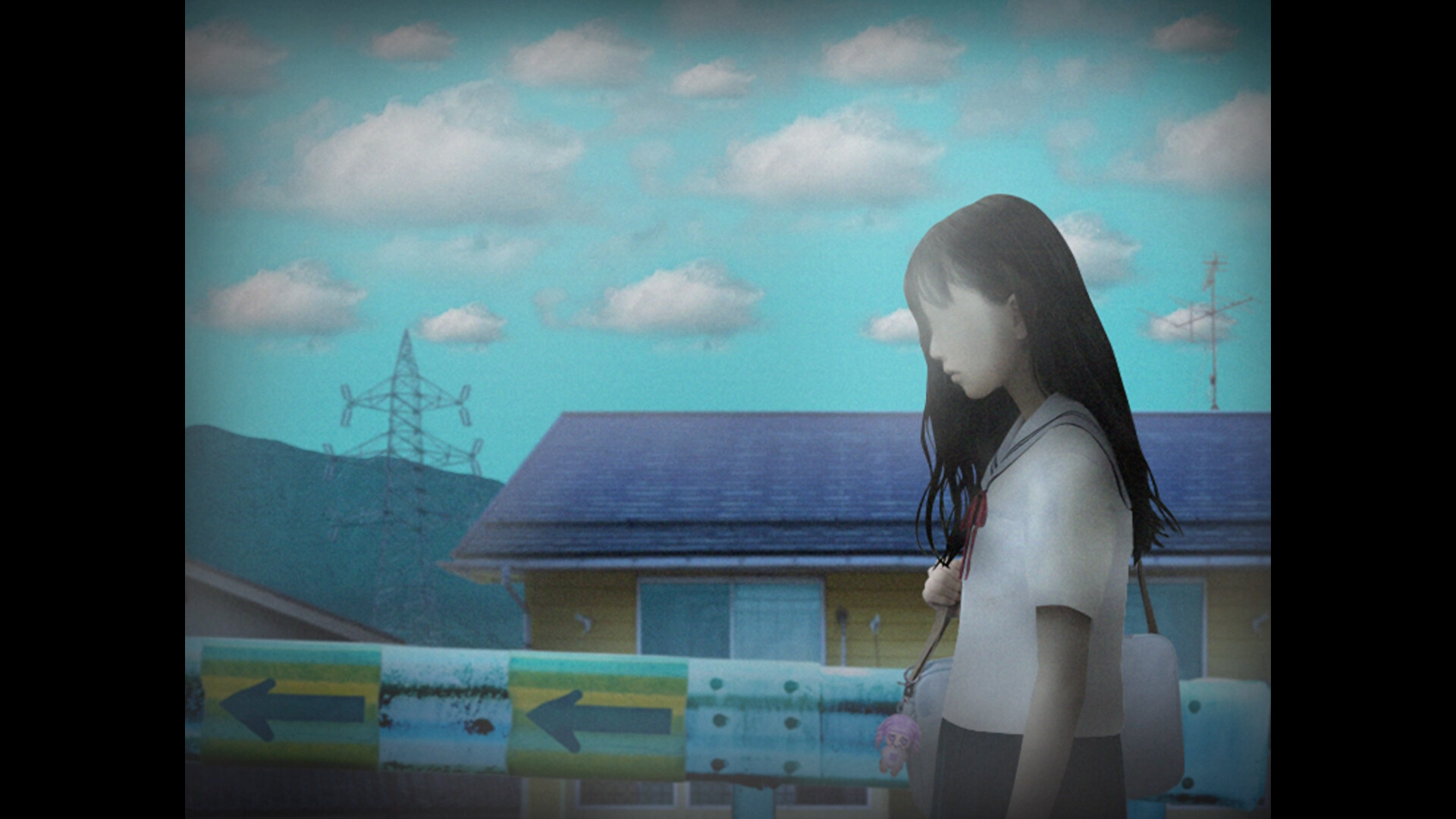
The girl's daily walk home, rendered in the series' signature bleached, dreamcore-tinted paletteImage: Vaka Game Magazine via Steam -
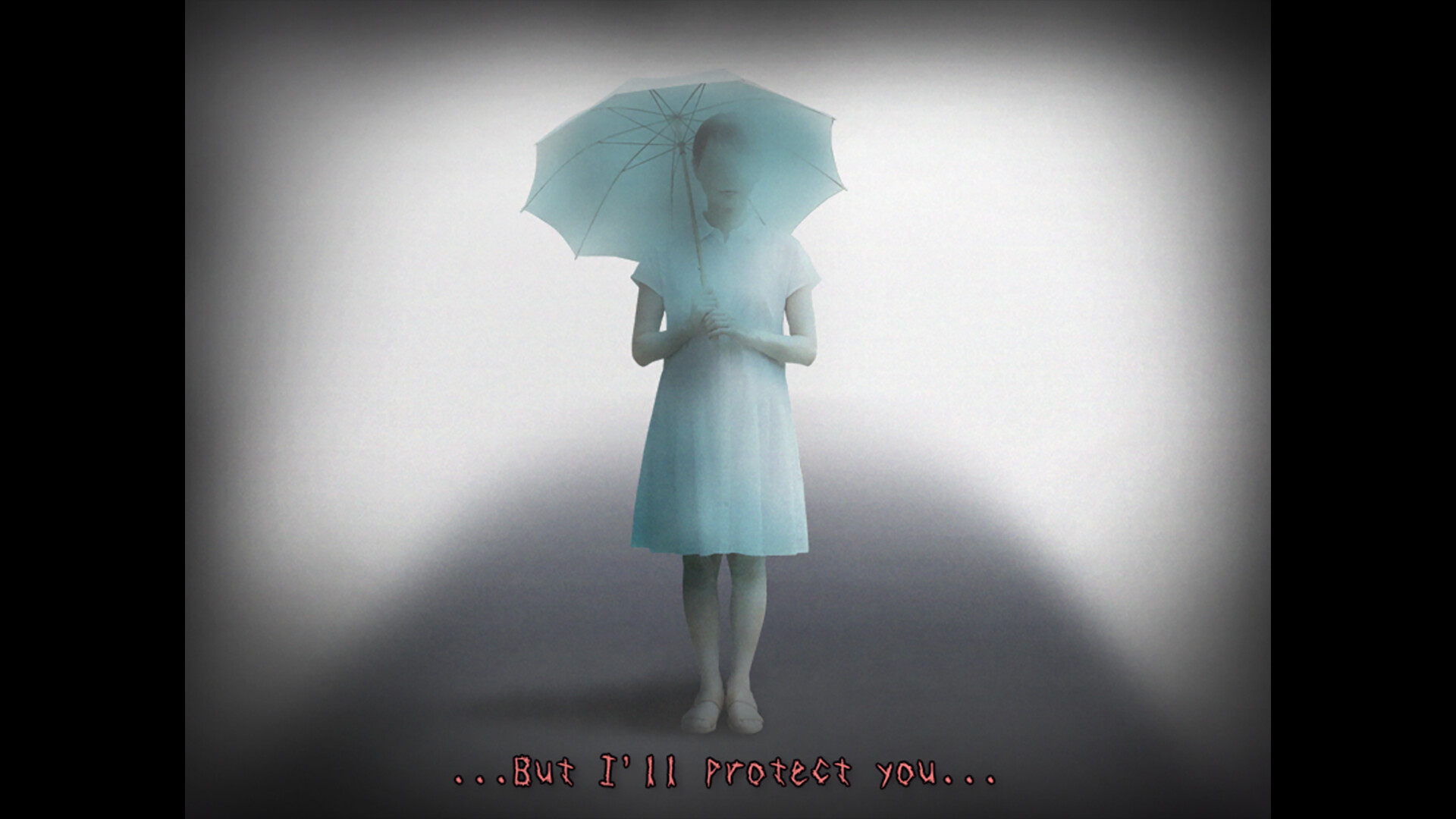
The mother's recurring promise of protection, delivered beneath her umbrellaImage: Vaka Game Magazine via Steam -
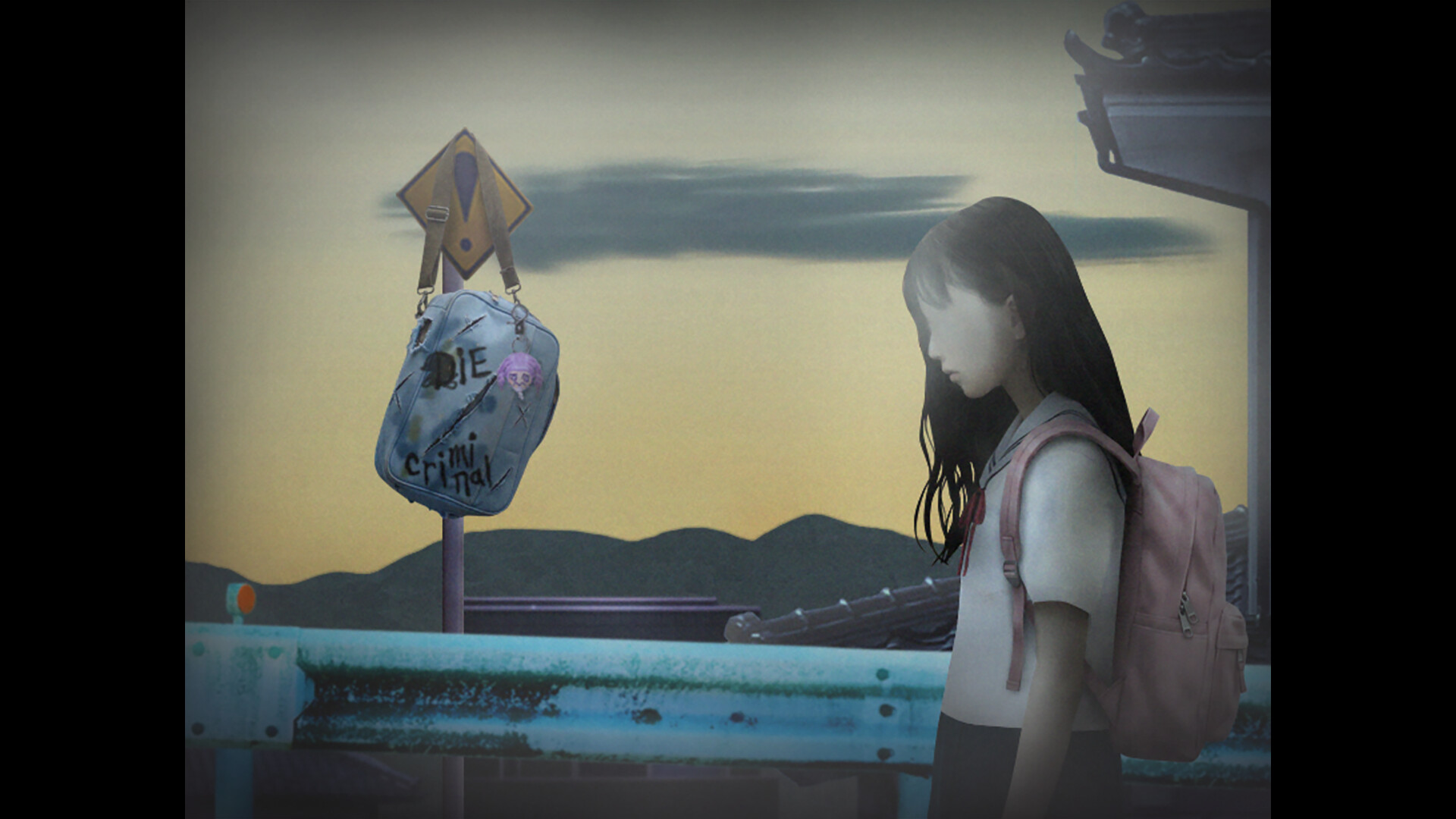
The escalating harassment made literal, as graffiti turns the girl's own belongings against herImage: Vaka Game Magazine via Steam