Game review
Shadowrun Returns
6.5 / 10
- Developer
- Harebrained Schemes
- Publisher
- Paradox Interactive
- Released
- 25 July 2013
- Platforms
- Windows, macOS, Linux
- Genre
- Tactical RPG
- Monetisation
- Premium, one-off purchase — includes a level editor and user-generated content support
- Players
- Single-player
The short version
Shadowrun Returns was the Kickstarter campaign that proved a modern audience still wanted the cyberpunk-meets-fantasy setting Shadowrun pioneered decades earlier, and its writing — atmospheric, evocative, genuinely committed to the setting's mix of magic and megacorporations — remains a real strength. Turn-based tactical combat with a cover system holds up well, too.
What almost every reviewer, including many who recommend it, says clearly is that this is the weakest of the three Harebrained Schemes Shadowrun games. Linear level design, non-interactive environments, and a design oversight that lets only your protagonist pass skill checks — wasting the specialised party members you're meant to recruit — are complaints that recur constantly, almost always alongside a recommendation to play Dragonfall or Hong Kong instead.
Biggest strengths
- Genuinely strong, atmospheric writing that commits fully to Shadowrun's distinctive cyberpunk-meets-fantasy setting
- Turn-based tactical combat with a cover system holds up well and compares favourably to similar systems in other isometric RPGs of its era
- A included level editor and user-generated content support gave the game real longevity beyond its main campaign
Biggest weaknesses
- Widely and consistently described as the weakest of the three Harebrained Schemes Shadowrun games, with most reviewers recommending Dragonfall or Hong Kong instead
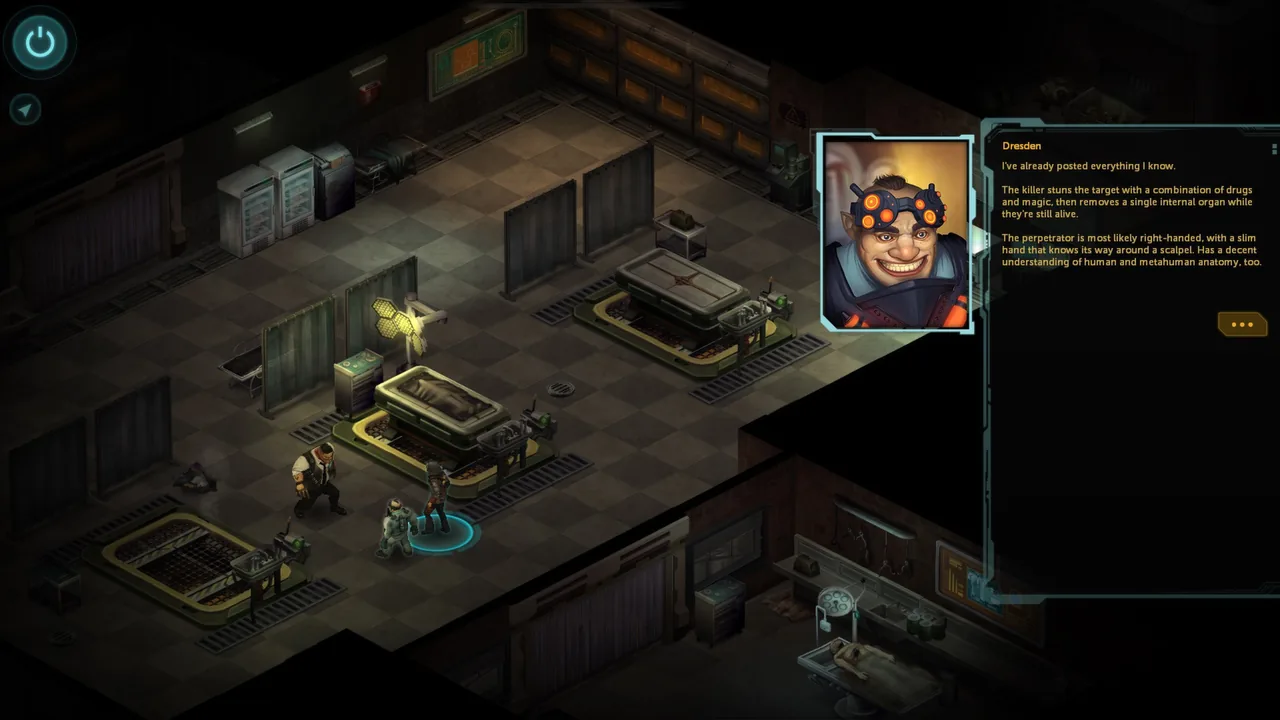
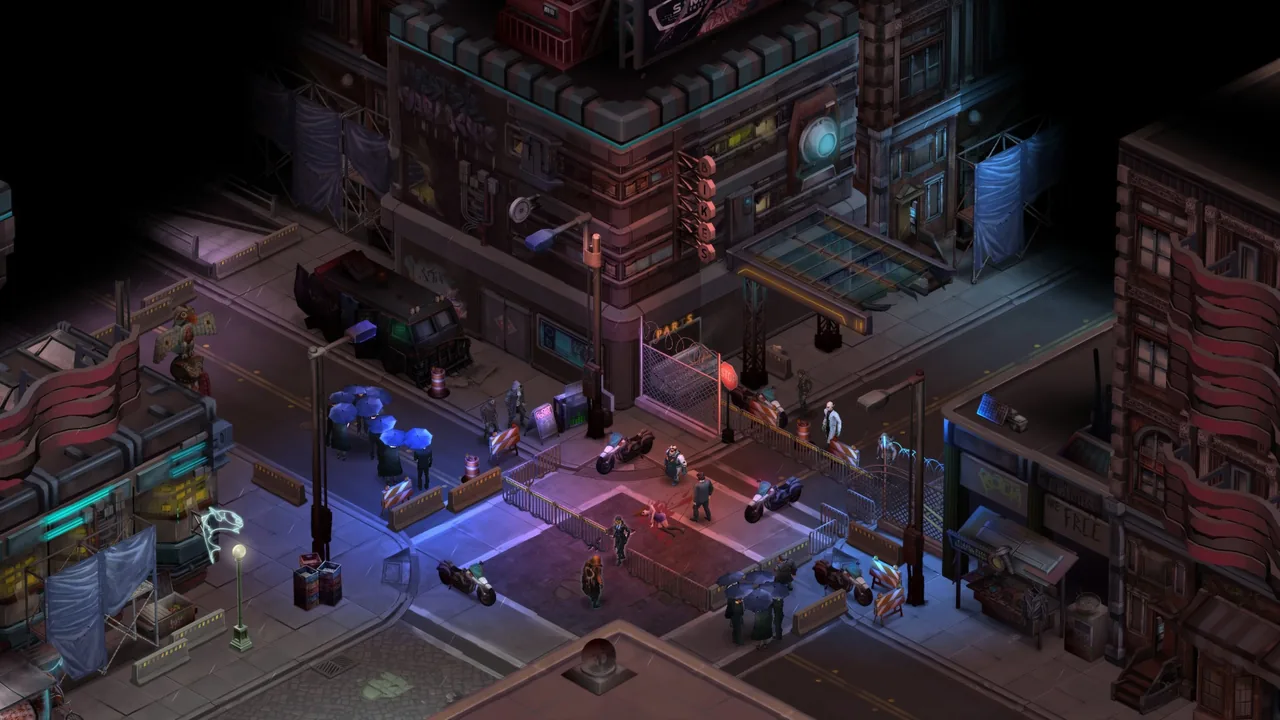
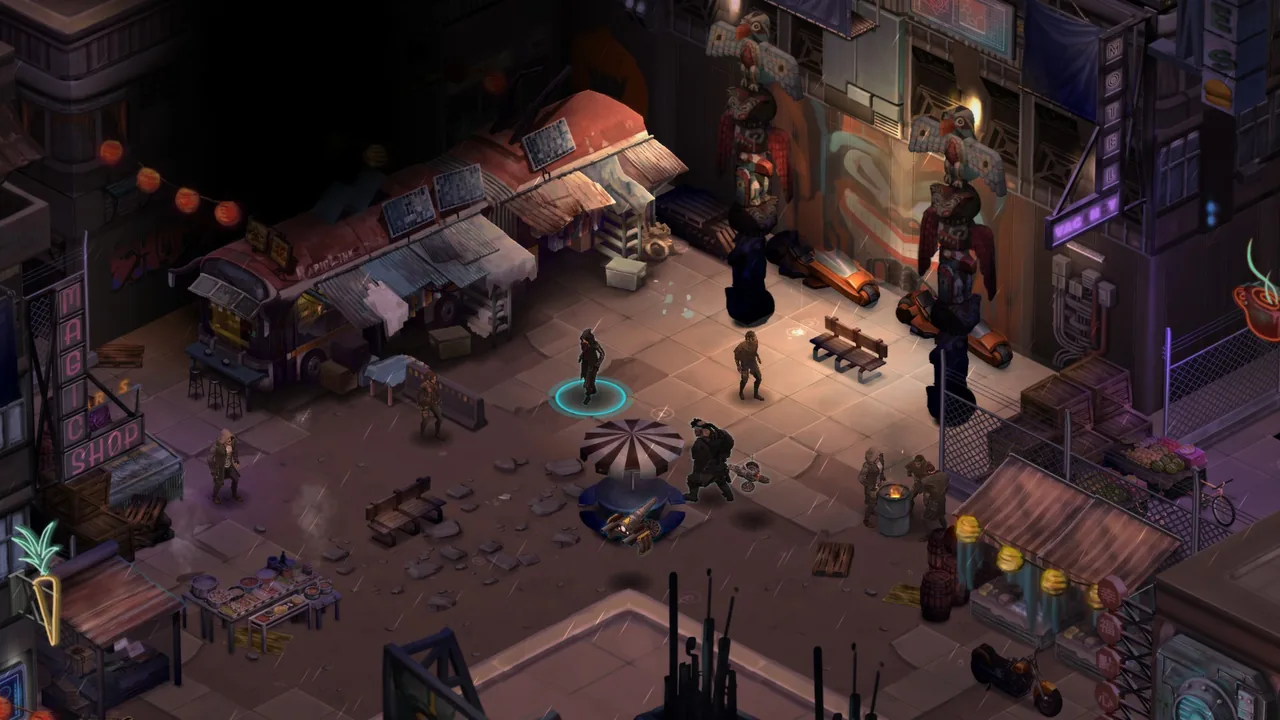
- Level design is notably linear for an isometric RPG, with several reviewers describing environments as largely non-interactive
- Only your player character can pass non-combat skill checks, a design oversight that wastes the specialised party members the game encourages you to recruit
Who it's for: Shadowrun and cyberpunk-fantasy fans curious about where the modern revival started — best approached as a historical starting point rather than the series' definitive entry.
Our recommendation: Worth the very low asking price for the writing and setting alone, but go in knowing this is broadly considered the weakest entry in its own trilogy. If you only have time for one Shadowrun game, most of this game's own fans will tell you to play Dragonfall instead.
6.5 / 10
Before Harebrained Schemes made two of the most well-regarded modern tactical RPGs in Shadowrun: Dragonfall and Shadowrun: Hong Kong, they had to prove the audience for a revived Shadowrun even existed. Shadowrun Returns was that proof, funded through Kickstarter and built to bring creator Jordan Weisman's cyberpunk-meets-fantasy setting back after decades away. It succeeded well enough to greenlight two sequels that most of its own players now consider considerably better games — and understanding why is the whole story of this review.
Writing that earns the setting's reputation
What Shadowrun Returns gets right, and gets right consistently across its reviews, is tone. The prose describing scenes and characters commits fully to Shadowrun's distinctive blend of magic, megacorporations and street-level grit, and turn-based tactical combat with a cover system gives fights real texture that holds up well against comparable isometric RPGs of its era. For players discovering the setting for the first time, that atmosphere alone is often enough to carry a recommendation.
The weakest entry in its own trilogy, by near-universal agreement
What almost every review says plainly, though, is where this game sits relative to what came after it. Level design is notably linear for an isometric RPG, environments are frequently described as largely non-interactive set dressing rather than places to actually explore, and a specific design oversight — only your player character can pass non-combat skill checks — means the specialised party members you're encouraged to recruit end up contributing far less than their skills would suggest. Some reviewers go further, describing the structure as closer to a visual novel with combat interludes than a fully realised CRPG, given how little the main campaign actually branches. The single most consistent piece of advice running through this game's own review page is to play Dragonfall instead if you only have time for one entry in the series.
A foundation worth respecting anyway
None of that erases what Shadowrun Returns actually accomplished. It proved a crowdfunded, modern take on the setting could find a real audience, funded the far more ambitious sequels that followed, and shipped with a level editor that gave its community real tools to build on top of it. Judged as the first, necessarily more cautious step in a trilogy that would go on to improve dramatically, it's a reasonably successful proof of concept rather than a disappointment in isolation.
Final verdict
Shadowrun Returns is a well-written, atmospherically strong tactical RPG that happens to be the weakest entry in its own trilogy, and its reviewers say so with striking consistency. It settles at 6.5 because the linear design and wasted party-member potential are real, structural limitations rather than minor complaints, even though the writing and combat underneath them are genuinely good. At its usual discounted price, it's worth playing for the setting and the history — just go in knowing Dragonfall is where this series actually hits its stride.
Price and review data checked 5 August 2026.
If you'd rather your character progression came without a party of underused specialists, Wanderer keeps its systems built entirely around a single character you control.
Pros and cons
Pros
- Genuinely strong, atmospheric writing that commits fully to Shadowrun's distinctive cyberpunk-meets-fantasy setting
- Turn-based tactical combat with a cover system holds up well and compares favourably to similar systems in other isometric RPGs of its era
- A included level editor and user-generated content support gave the game real longevity beyond its main campaign
- Extremely inexpensive, especially on sale, for a genuinely well-written RPG experience
Cons
- Widely and consistently described as the weakest of the three Harebrained Schemes Shadowrun games, with most reviewers recommending Dragonfall or Hong Kong instead
- Level design is notably linear for an isometric RPG, with several reviewers describing environments as largely non-interactive
- Only your player character can pass non-combat skill checks, a design oversight that wastes the specialised party members the game encourages you to recruit
- Some reviewers describe the structure as closer to a visual novel with combat breaks than a full CRPG, given how little branching choice the main campaign actually offers
Screenshots
-
Shadowrun ReturnsImage: Paradox Interactive via Steam -
Shadowrun ReturnsImage: Paradox Interactive via Steam -
Shadowrun ReturnsImage: Paradox Interactive via Steam -
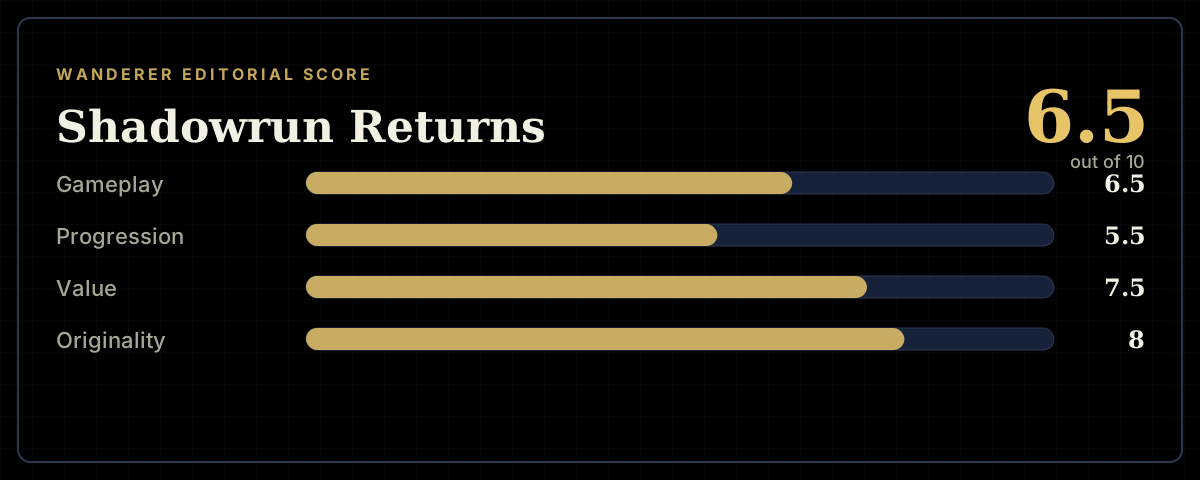
How the review scores each part of the gameWanderer Editorial -
The short versionWanderer Editorial