
Game review
Sanctum 2
6.5 / 10
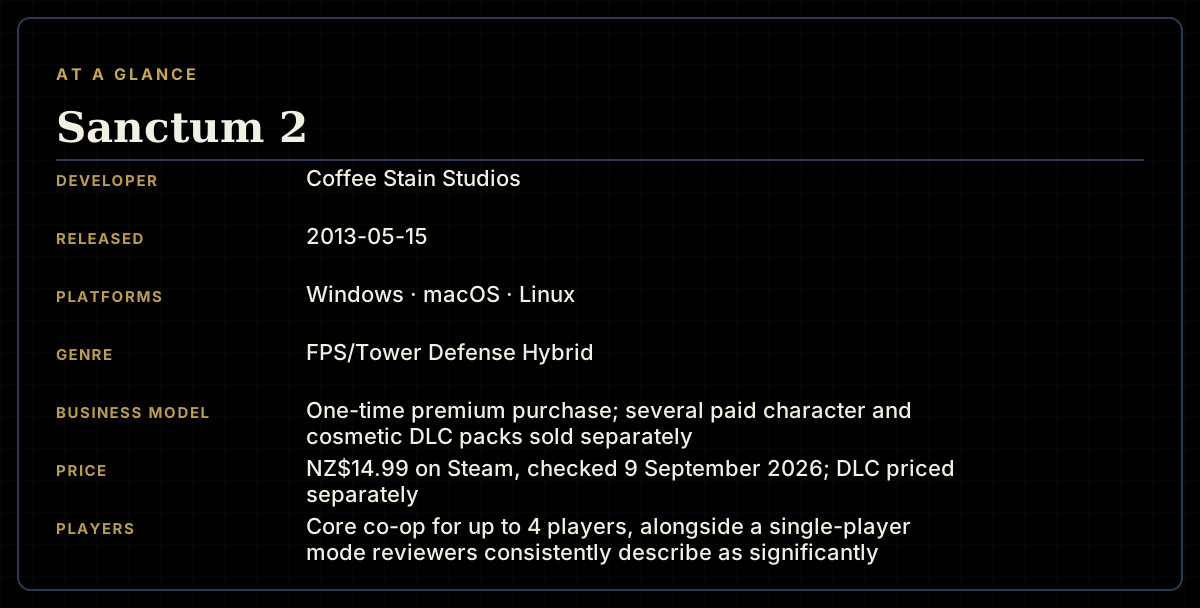
- Developer
- Coffee Stain Studios
- Publisher
- Coffee Stain Publishing
- Released
- 15 May 2013
- Platforms
- Windows, macOS, Linux
- Genre
- FPS/Tower Defense Hybrid
- Monetisation
- One-time premium purchase; several paid character and cosmetic DLC packs sold separately
- Players
- Core co-op for up to 4 players, alongside a single-player mode reviewers consistently describe as significantly harder without a team
The short version
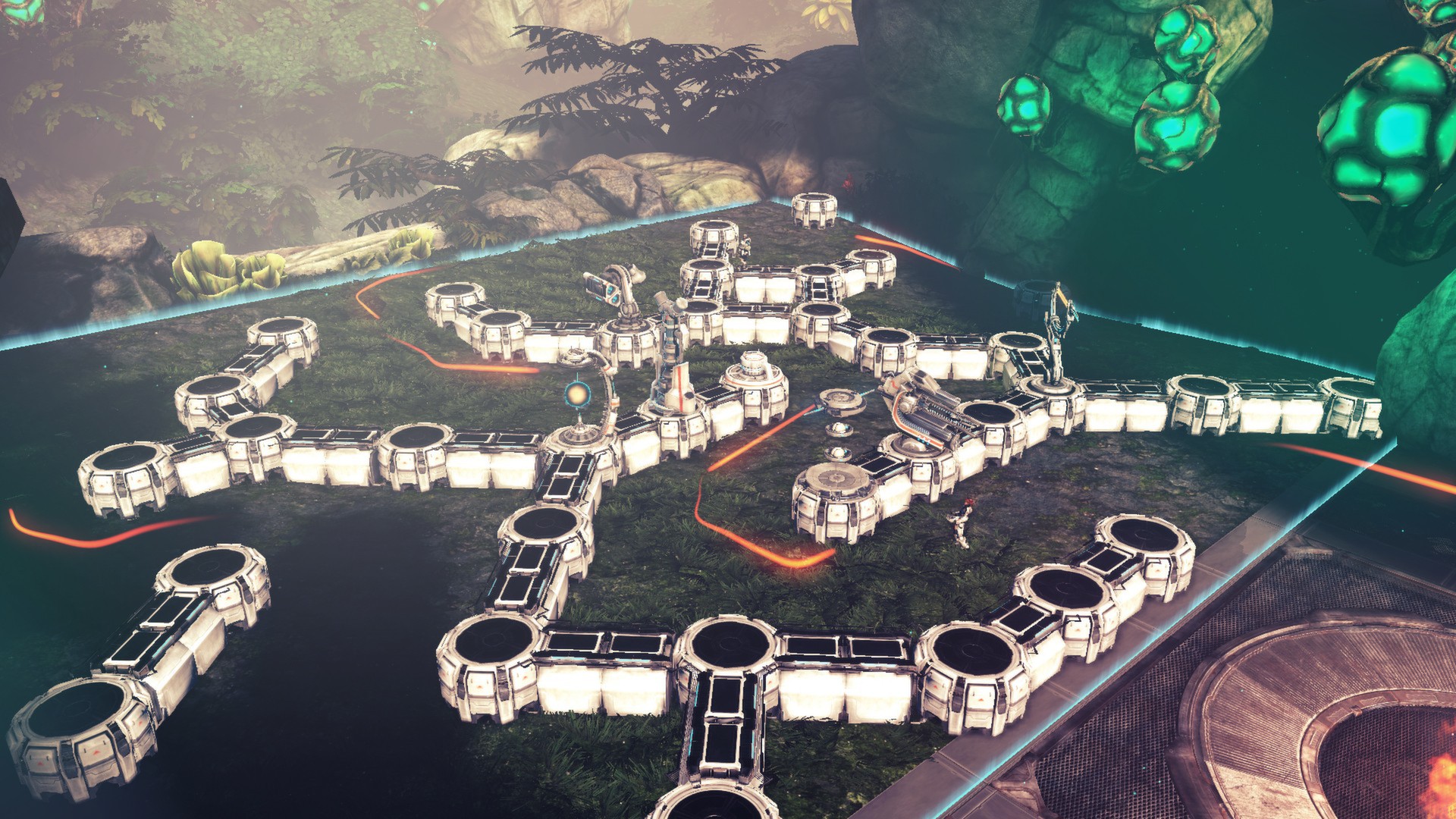
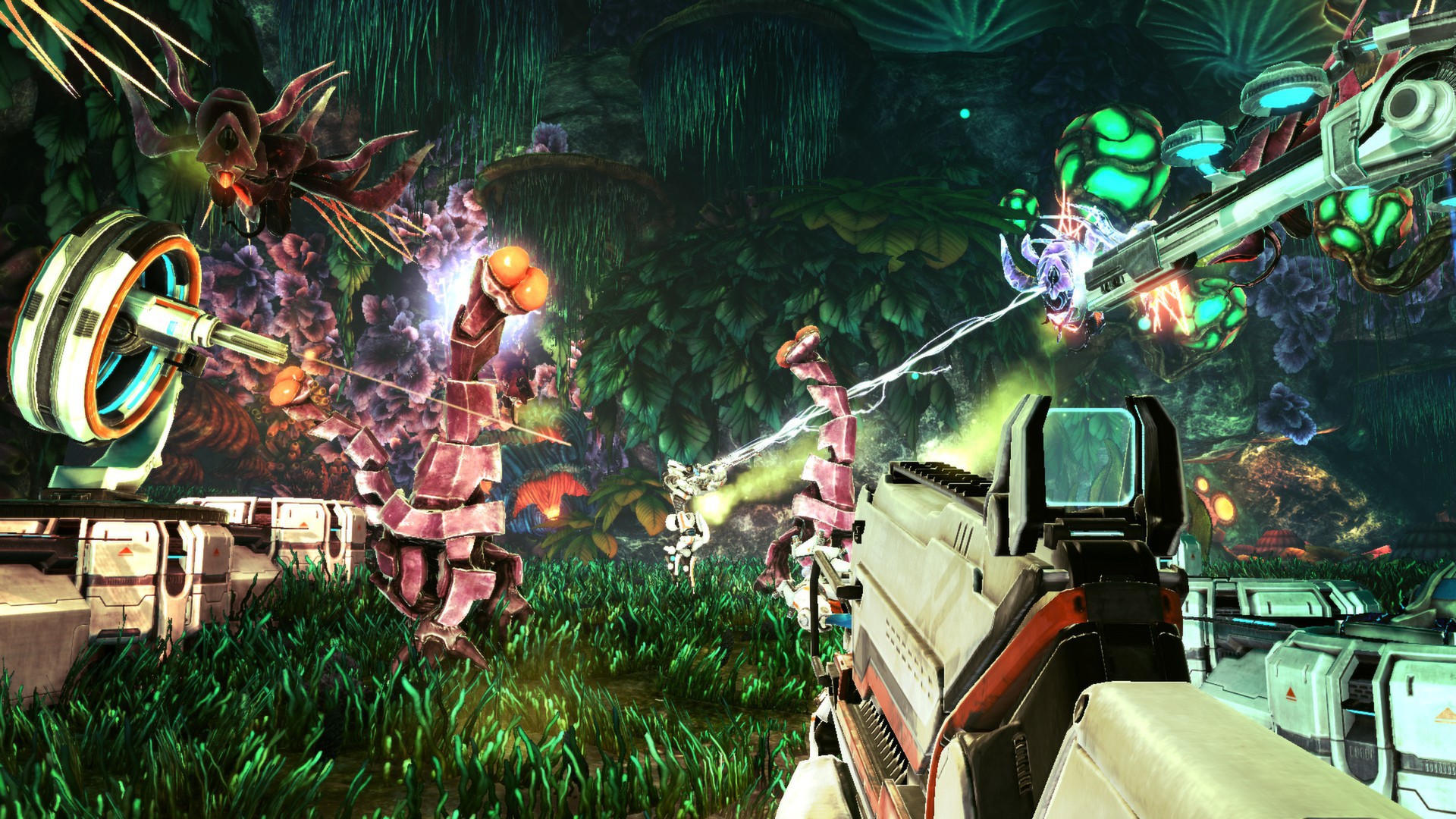
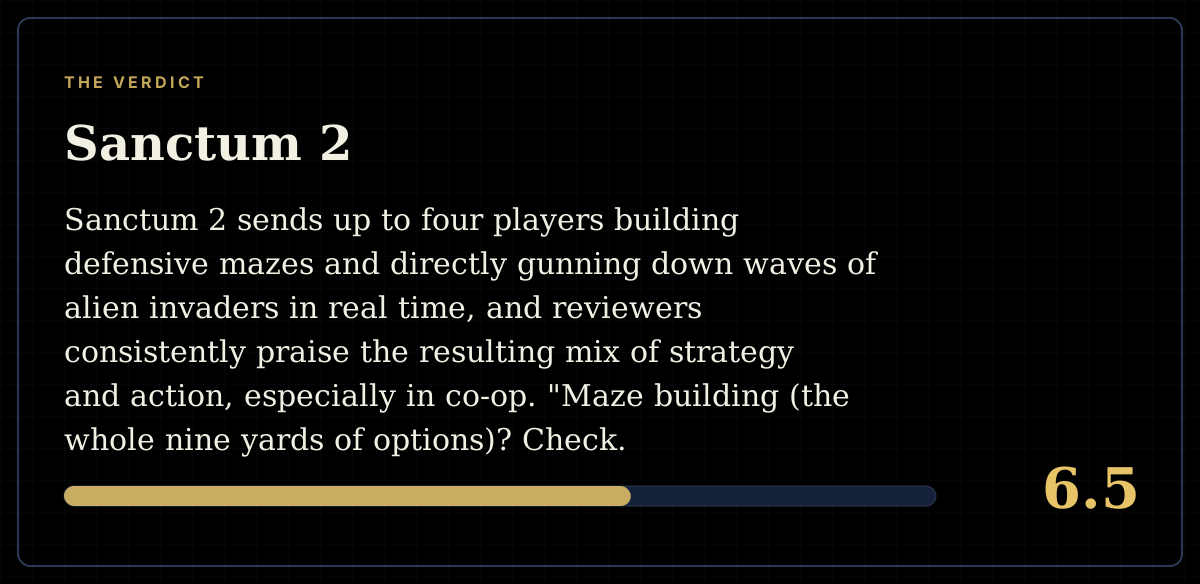
Sanctum 2 sends up to four players building defensive mazes and directly gunning down waves of alien invaders in real time, and reviewers consistently praise the resulting mix of strategy and action, especially in co-op. "Maze building (the whole nine yards of options)? Check. Loads of diversified weapons, perks and towers? Check," one detailed reviewer writes, describing the hybrid's appeal precisely. Several reviewers with tens of thousands of hours logged describe it as still holding up remarkably well years later, and more than one openly wishes for a Sanctum 3 that's never materialized.
A specific, well-corroborated dissent runs through a meaningful share of this review sample, and it comes specifically from fans of the original 2011 Sanctum. Multiple independent reviewers describe the sequel as trading away the original's freeform maze-building — where towers, walls and paths could be placed almost anywhere — for a more restrictive, FPS-focused design with fixed building limits and simplified weapon upgrading. That's not a complaint about the game being bad on its own terms; it's a specific, repeated argument that the sequel moved away from what made the original distinctive within its own hybrid genre.
Biggest strengths
- A genuinely engaging blend of real-time tower-defense strategy and direct first-person combat that reviewers consistently praise as well-balanced between the two
- A wide variety of weapons, perks, and character builds that reviewers say support meaningfully different playstyles rather than converging on one obvious meta
- Strong, chaotic co-op for up to four players specifically praised as the best way to experience the game, with reviewers describing a welcoming, low-blame community even among strangers
Biggest weaknesses
- A specific, well-corroborated critique from fans of the original Sanctum: the sequel replaced the first game's freeform maze-building and open tower placement with a more restrictive, fixed-limit system, alongside simplified weapon upgrading, changing what many considered the series' defining strength
- Single-player is consistently described by reviewers as significantly harder than co-op, with several stating the game wasn't really designed to be completed alone
- A noticeable leveling grind is required to unlock the game's full range of weapons and perks, which several reviewers say takes longer than ideal to reach the more interesting builds
Who it's for: Co-op shooter fans who want a genuinely strategic tower-defense layer alongside direct combat, best played with a full team. Less suited to solo players, given the consistently reported single-player difficulty spike, or players specifically seeking the original Sanctum's freeform maze-building.
Our recommendation: A strong, still-fun co-op pickup for a full team of friends — just know solo play is a much harder sell, and fans of the original Sanctum specifically should temper expectations around the building freedom that defined it.
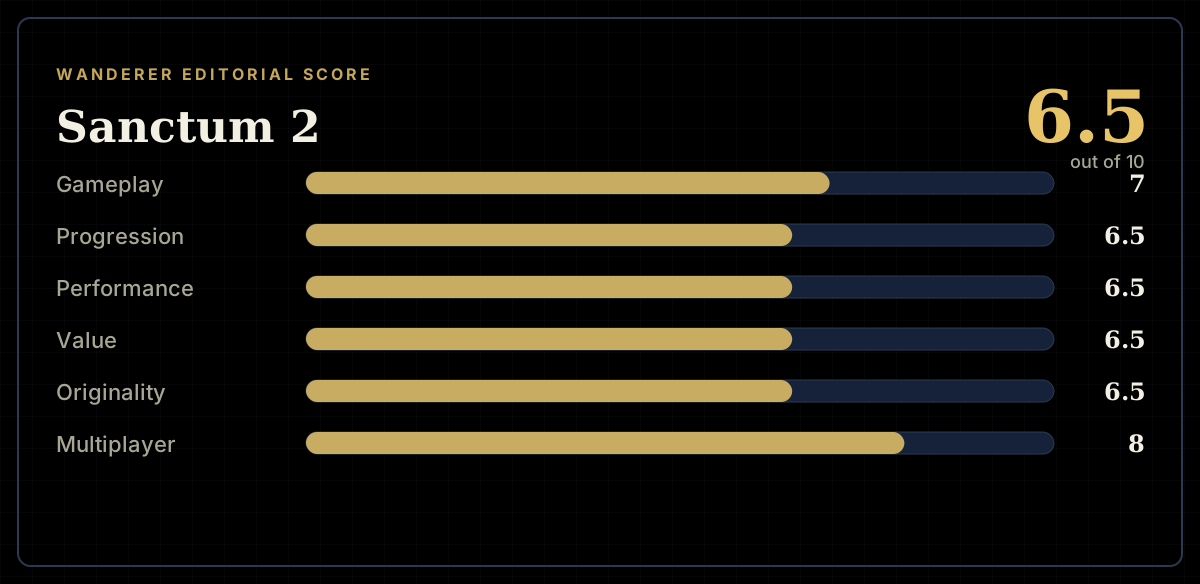
6.5 / 10
Sanctum 2 continues Coffee Stain Studios' unusual pitch: build defensive mazes of towers and walls to funnel incoming alien waves, then grab a gun and personally join the fight rather than just watching your defenses do the work. This review sample makes clear the sequel refined and expanded that hybrid in ways most players genuinely enjoy — while surfacing a specific, consistent argument from original-game fans about exactly what got lost along the way.
A hybrid reviewers say strikes a genuine balance
The praise here is specific and comes from players who clearly understand what makes the tower-defense/FPS blend work or fail. "Maze building (the whole nine yards of options)? Check. Loads of diversified weapons, perks and towers? Check," one detailed reviewer writes, listing off exactly the design elements that make the hybrid click. Another, with over a thousand hours logged, describes the game growing on them over time despite initially unimpressive graphics, crediting the "great combination of FPS and tower defence" for making it "challenging and extremely fun with friends." Several reviewers specifically praise the game's co-op community as unusually low-drama, with one noting "not a lot of finger pointing when a game is lost" even when playing with complete strangers through public matchmaking.
A specific, repeated argument from fans of the original
Set against that praise, a consistent and specific critique recurs from reviewers who clearly loved 2011's original Sanctum first. "The original Sanctum was essentially a conventional tower defense game with a first-person interface," one detailed reviewer explains. "Sanctum 2 is much closer to a true hybrid of FPS and tower defense... you will no longer be able to make huge, insanely complex, super-efficient mazes." A separate reviewer states the disappointment more directly: "So you can also imagine our disappointment when we discovered that the game... " had moved away from "a beautiful balance of TD and F[PS]" toward something more restrictive. A third reviewer summarizes the specific mechanical change: "In Sanctum 2 we replaced such freedom" of tower placement with fixed building limits. This isn't a complaint about Sanctum 2 being poorly made — it's a specific, repeated argument that the sequel's design philosophy shifted meaningfully away from what made the original distinctive, and it recurs often enough to treat as a genuine, well-documented pattern rather than nostalgia alone.
A distinct character roster adds real build variety
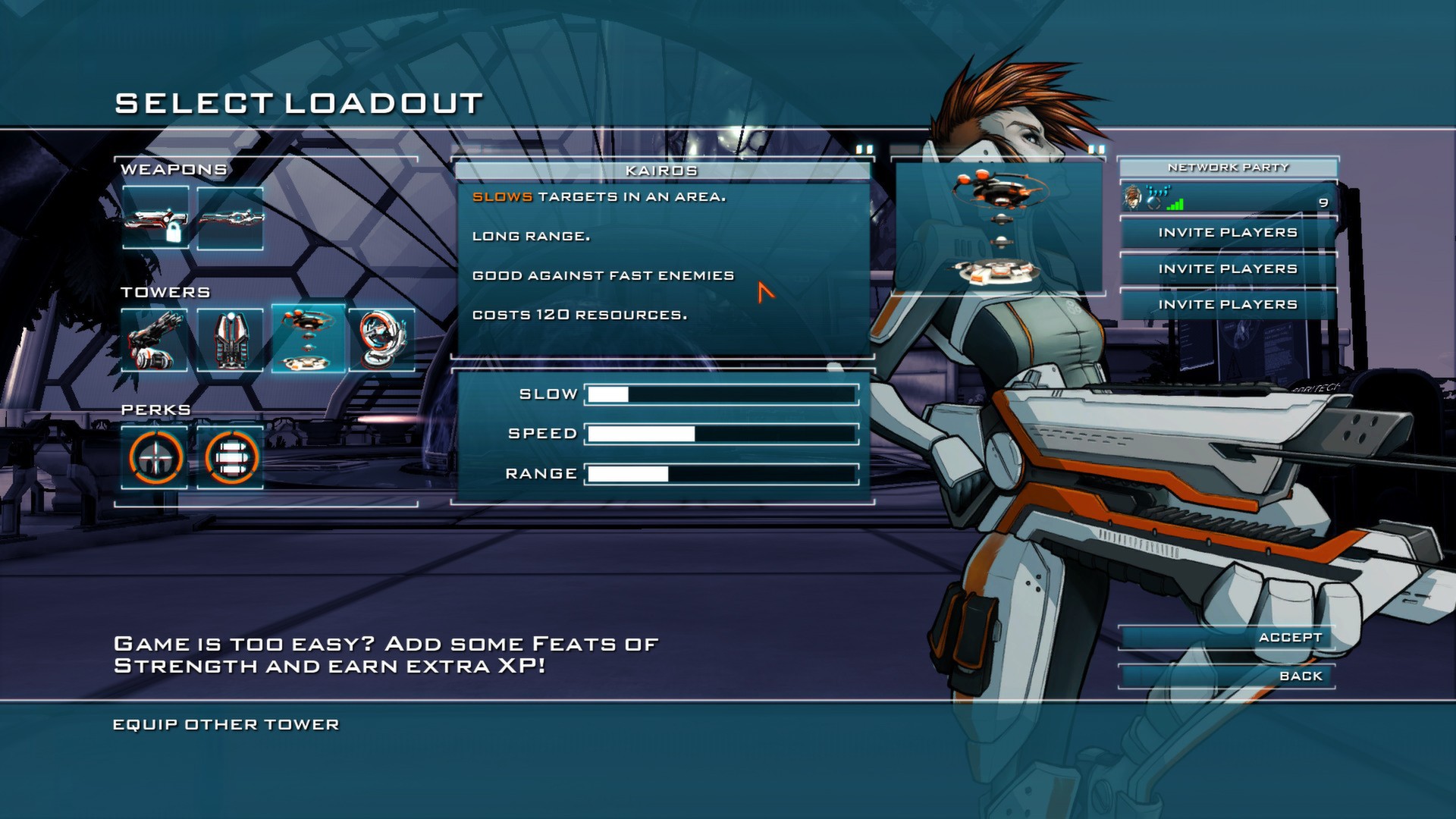
Unlike the original Sanctum's more generic player character, this sequel introduces four distinct playable heroes, each with their own weapon specializations and unique abilities that meaningfully change how a given map is approached. Reviewers generally credit this addition as a genuine improvement, with one detailed pros-and-cons review specifically praising how "weapons all feel different" across characters, even while noting a "meta" build eventually emerges for each one. That character variety is part of why several reviewers describe replaying the same maps differently depending on which hero and teammates they bring, adding real practical value on top of the raw difficulty the game is already known for.
A real difficulty gap between solo and co-op play
Beyond the sequel-versus-original debate, a consistent practical point recurs across the sample: this game is considerably harder alone than with a team. "Single player = masochism," one reviewer writes bluntly in a pros-and-cons list, while another states plainly that the game "was not designed to be played alone, levels are too hard, need coop to finish the levels." That's useful, practical guidance for anyone deciding whether to buy this as a solo game versus specifically gathering a group first.
What the completion data adds
Steam's achievement statistics offer a useful independent read on how far the average player gets. Early milestones sit comfortably above 55-75% of the tracked playerbase, but that curve falls away sharply toward the game's harder late-game and completionist achievements, several of which sit below 2%. That's consistent with reviewers' account of a genuinely difficult game, particularly in solo play, where a large share of buyers engage with the early content but far fewer push through to full completion. As with several other older titles in this catalogue, the achievement schema here returns only generic internal identifiers rather than readable names, so this review can describe the general shape of that drop-off without tying it to specific difficulty tiers or maps.
A sequel that never came, and a small but devoted fanbase
It's striking how many reviewers, more than a decade after this game's release, still express open hope for a Sanctum 3 that's never materialized. "Every day I pray for Sanctum 3," one reviewer writes, while another goes further, specifically requesting the developers open the game to modding given what they see as unrealized potential. That's a genuine signal of lasting attachment from a small but clearly devoted community, even as several reviewers separately acknowledge that community has shrunk considerably since the game's early years, making it harder than it once was to reliably find a full team for co-op sessions.
Where it lands
Sanctum 2 earns genuine, specific praise for its FPS/tower-defense hybrid design and its particularly strong co-op experience, holding up well years after release for players approaching it with a full team. The well-corroborated critique from original Sanctum fans about the sequel's more restrictive building system is concrete enough to factor into expectations honestly, and the consistently reported solo-versus-co-op difficulty gap is worth planning around before buying. For groups of friends specifically, this remains a strong, still-fun recommendation.
Pros and cons
Pros
- A genuinely engaging blend of real-time tower-defense strategy and direct first-person combat that reviewers consistently praise as well-balanced between the two
- A wide variety of weapons, perks, and character builds that reviewers say support meaningfully different playstyles rather than converging on one obvious meta
- Strong, chaotic co-op for up to four players specifically praised as the best way to experience the game, with reviewers describing a welcoming, low-blame community even among strangers
- A genuinely difficult, rewarding challenge for players who want a real test rather than a breezy power fantasy
- Still runs and holds up well years after release, with reviewers describing smooth performance even on aging hardware
Cons
- A specific, well-corroborated critique from fans of the original Sanctum: the sequel replaced the first game's freeform maze-building and open tower placement with a more restrictive, fixed-limit system, alongside simplified weapon upgrading, changing what many considered the series' defining strength
- Single-player is consistently described by reviewers as significantly harder than co-op, with several stating the game wasn't really designed to be completed alone
- A noticeable leveling grind is required to unlock the game's full range of weapons and perks, which several reviewers say takes longer than ideal to reach the more interesting builds
- No built-in voice chat, which several reviewers note as a specific missing feature for a game this dependent on team coordination
- The game's small, aging community makes finding co-op partners harder than it once was, according to more than one reviewer, despite the community itself being described as friendly
Screenshots
-
Sanctum 2Image: Coffee Stain Publishing via Steam -
Sanctum 2Image: Coffee Stain Publishing via Steam -
Sanctum 2Image: Coffee Stain Publishing via Steam -
How the review scores each part of the gameWanderer Editorial -
The specsWanderer Editorial -
The short versionWanderer Editorial