Game review
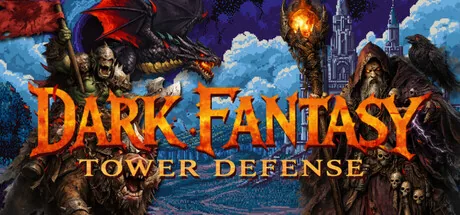
Dark Fantasy Tower Defense
7.5 / 10
- Developer
- CinderVision
- Publisher
- CinderVision
- Released
- 20 April 2026
- Platforms
- Windows
- Genre
- Tower Defense, Roguelite, Strategy
- Monetisation
- One-time purchase, no DLC, no in-app purchases
- Players
- Online co-op and shared/split-screen co-op for up to 4 players, with Remote Play Together support; fully playable solo
The short version
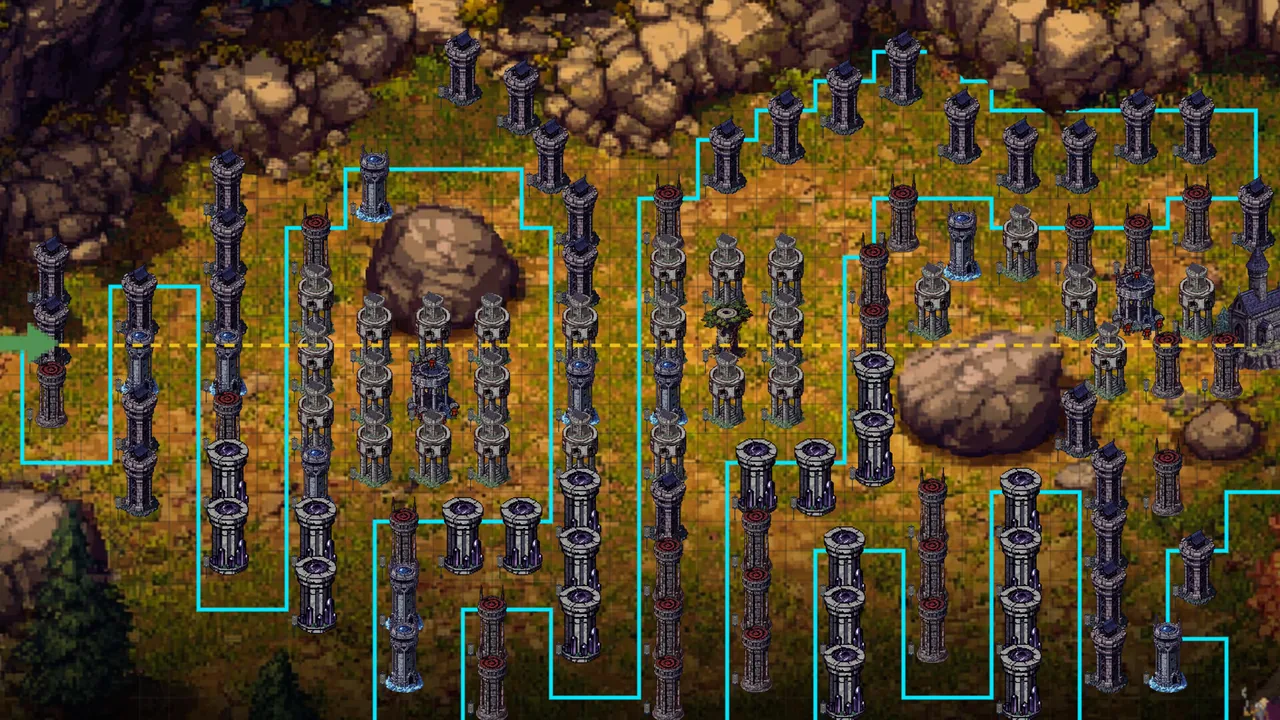
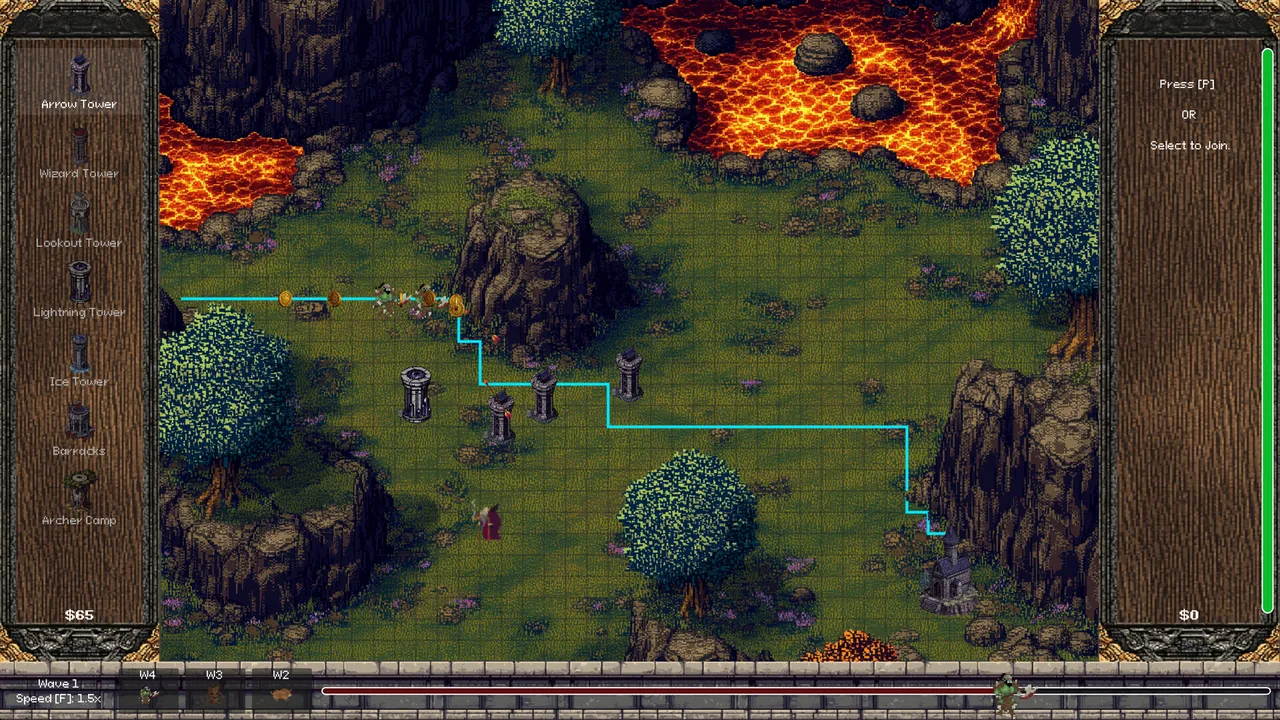
Dark Fantasy Tower Defense builds its whole identity around the mazing sub-genre Warcraft 3 custom maps popularised: plant towers directly on the grid, route the enemy path yourself, and watch a live preview update as you block and rebuild. Released 20 April 2026 by the small studio CinderVision, it sits Positive across a small 21-review sample, all read here. Its launch reviews are almost unanimous in their nostalgia for that mazing feel, with real complaints about a keyboard-only tower-placement system and a thin tower roster. Both have since been substantially addressed: a May update added proper mouse-based placement, and a June update added an entire second game mode, Kingdom Defense, on top of continued near-weekly content patches running through this week.
Biggest strengths
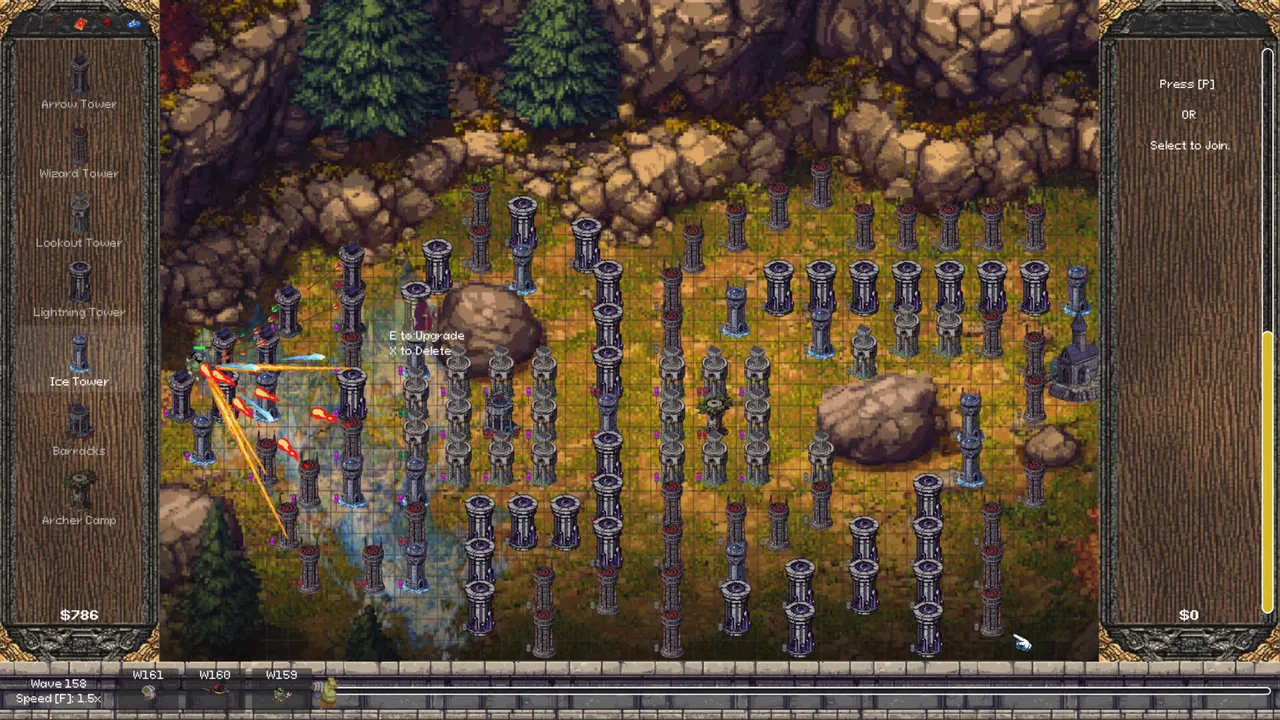
- The core mazing loop — building your own maze from towers and watching enemies path through it, with a live preview of the route as you plan — is repeatedly and specifically praised as a genuine successor to classic Warcraft 3 custom maps
- CinderVision has shipped more than fifteen updates since launch, including a major new Kingdom Defense game mode in June and a fresh map and tower as recently as four days before this review, an unusually sustained pace for a small indie release
- Online and shared-screen co-op for up to four players adds real replay variety to a genre that's traditionally solitary
Biggest weaknesses
- Launch-week reviewers found tower placement genuinely clunky, requiring a character to physically walk to a location using keyboard controls rather than clicking with the mouse — a May update has since added a proper point-and-click placement option, but it wasn't there at release
- Early reviewers found the tower roster thin, citing only a handful of tower types with two upgrade paths each, though the June and August updates have added new towers and an entire second mode since
- A visual inconsistency between the player character's resolution and the surrounding buildings and background is flagged by more than one reviewer as making the presentation feel disjointed
Who it's for: Anyone who spent time in Warcraft 3 mazing custom maps like Wintermaul or Elemental TD and has wanted something to scratch that exact itch since; a good fit for co-op groups who want a strategy game they can actually talk through together.
Our recommendation: A genuinely inspired mazing tower defense backed by an unusually committed solo developer, worth buying now that its rough launch-week edges have been patched into something considerably more complete.
7.5 / 10
Introduction
Dark Fantasy Tower Defense hands the player an open grid, a set of towers, and a mob of enemies that will path through whatever maze gets built between the spawn point and the goal. Released 20 April 2026 by the small studio CinderVision, it carries a Positive rating from a small, fully-read sample of 21 reviews. What jumps out immediately, reading them in order, is how specific and consistent the comparison point is: this is a game built for people who spent hours in Warcraft 3's custom mazing maps, and nearly every enthusiastic review names that lineage directly rather than describing the genre in the abstract.
The mazing loop is the whole pitch, and it lands
Reviewers who grew up on Wintermaul, Elemental TD and similar custom maps describe this game as scratching an exact, specific itch rather than a general genre craving. One reviewer calls it "heavy Warcraft 3 Tower Defense games in its blood," praising the live preview of the path enemies will take as "a huge QOL improvement over the old games." Another, more measured about the game's rough edges elsewhere, still singles out the mazing itself: "you actually get to maze the enemies through the towers in any config you please, it's so satisfying." A 75-hour reviewer describes losing track of time entirely — "you'll be playing for 20 minutes, and only after the round is over do you realize it wasn't 20 minutes, it was 45." That's the core loop working exactly as intended, and it's the throughline across almost every positive review in this sample, regardless of what else they complain about.
What launch week actually got right, and what it didn't
Set against that strong core, launch-week reviews are specific about two real problems. The first is control scheme: towers weren't placed with the mouse, but by walking a character to a location using the keyboard, which one strongly negative reviewer compared to immediately disliking a first bite of food, writing "why would anyone want to engage with a clunky system like this." The second is content depth — several reviewers, even enthusiastic ones, note only a handful of tower types with two upgrade paths each, wishing for more variety at launch.
Both of those complaints have aged out. An 8 May update added, in the developer's own words, "a new movement system and tower placement system for Keyboard and Mouse users," including proper right-click movement and point-and-click tower placement — exactly the fix the harshest launch review was asking for, live within three weeks of that review being posted. Content depth took longer but went further: a 22 June update added an entirely new game mode, Kingdom Defense, blending RTS-style kingdom management — resource buildings, unit training, spell unlocks, castle walls — with the existing grid-based tower system, and CinderVision has continued shipping new maps, towers and quality-of-life passes since, including a fresh map and tower added four days before this review was written. Across roughly four months, the developer's news feed shows more than fifteen separate updates, an unusually sustained cadence for a solo or near-solo indie project.
What's still rough
Not every complaint has aged out cleanly. A visual inconsistency between the resolution of the player's controllable character and the surrounding buildings and backgrounds is flagged by more than one reviewer as making the presentation feel disjointed rather than cohesive — a presentation issue rather than a mechanical one, and one that hasn't been specifically called out in the patch notes reviewed for this piece. More significantly, a July review reports ongoing bugs and "jank," a fair caution given that Kingdom Defense — the game's newest and most ambitious addition — is still labelled Beta in the developer's own recent patch notes. Anyone drawn specifically to that mode should expect some rough edges that the classic maze mode has largely grown out of.
Value
At its current discounted price, and even at full price according to reviewers writing before the discount, this sits comfortably in "worth it" territory for genre fans — a co-op strategy game with four-player support and a genuinely distinct hook, for less than the price of a fast-food meal. The pace of free content since launch strengthens that further: buyers today are getting substantially more game than the one those April reviews describe.
Final Verdict
Dark Fantasy Tower Defense is a clear case of a strong, well-understood core idea outrunning its own launch state, and then catching up to itself through sustained, responsive development. The mazing loop that drew in its earliest fans was always the right idea, executed well from day one; the control friction and thin roster that held early reviews back have both been meaningfully addressed, with a genuinely major mode added on top rather than just bug fixes. It's not flawless — the newest content carries a Beta label for a reason, and the visual mismatch some reviewers flag is still present — but for the specific audience this game is built for, it's an easy recommendation, and a better one today than it would have been in April.
Pros and cons
Pros
- The core mazing loop — building your own maze from towers and watching enemies path through it, with a live preview of the route as you plan — is repeatedly and specifically praised as a genuine successor to classic Warcraft 3 custom maps
- CinderVision has shipped more than fifteen updates since launch, including a major new Kingdom Defense game mode in June and a fresh map and tower as recently as four days before this review, an unusually sustained pace for a small indie release
- Online and shared-screen co-op for up to four players adds real replay variety to a genre that's traditionally solitary
- Well discounted at the time of writing, and reviewers across the sample independently call it good value even before the price cut
Cons
- Launch-week reviewers found tower placement genuinely clunky, requiring a character to physically walk to a location using keyboard controls rather than clicking with the mouse — a May update has since added a proper point-and-click placement option, but it wasn't there at release
- Early reviewers found the tower roster thin, citing only a handful of tower types with two upgrade paths each, though the June and August updates have added new towers and an entire second mode since
- A visual inconsistency between the player character's resolution and the surrounding buildings and background is flagged by more than one reviewer as making the presentation feel disjointed
- A July review reports ongoing bugs and rough edges, a reasonable caution for anyone trying the newer Kingdom Defense mode, which the developer's own patch notes still label Beta
Screenshots
-
Dark Fantasy Tower DefenseImage: CinderVision via Steam -
Dark Fantasy Tower DefenseImage: CinderVision via Steam -
Dark Fantasy Tower DefenseImage: CinderVision via Steam -
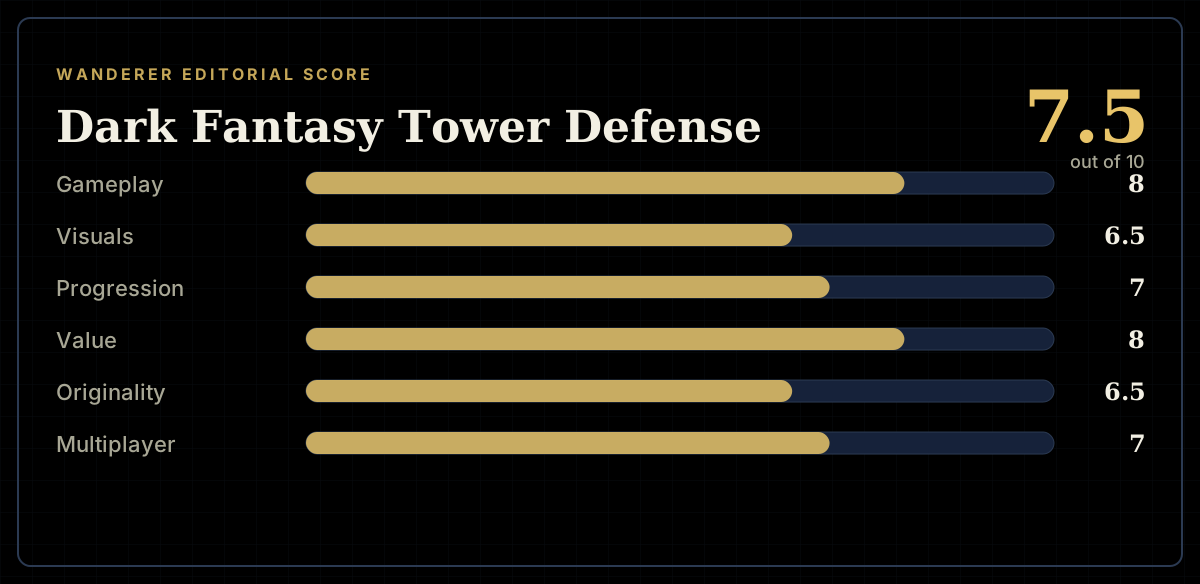
How the review scores each part of the gameWanderer Editorial -
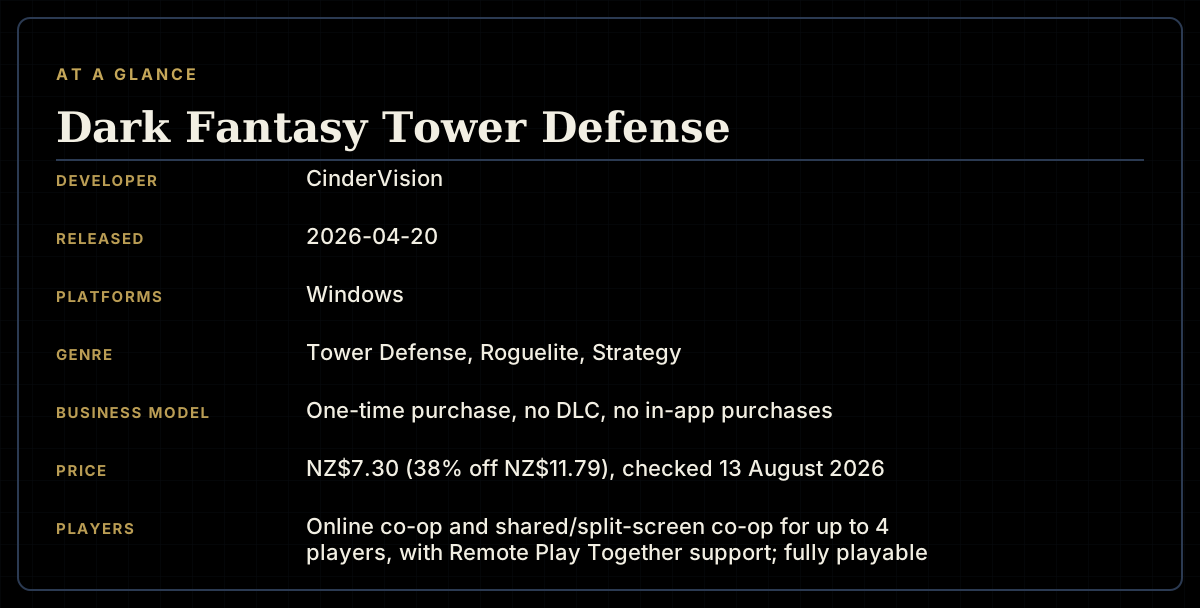
The essentials at a glanceWanderer Editorial -
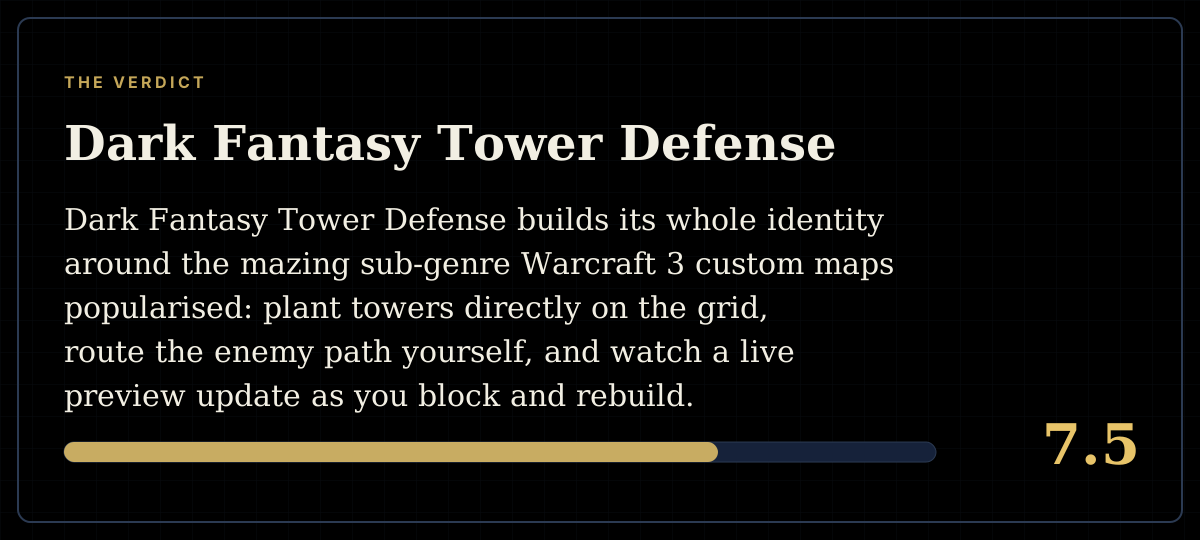
The short versionWanderer Editorial