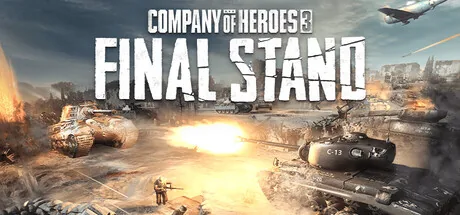
Game review
Company of Heroes 3: Final Stand
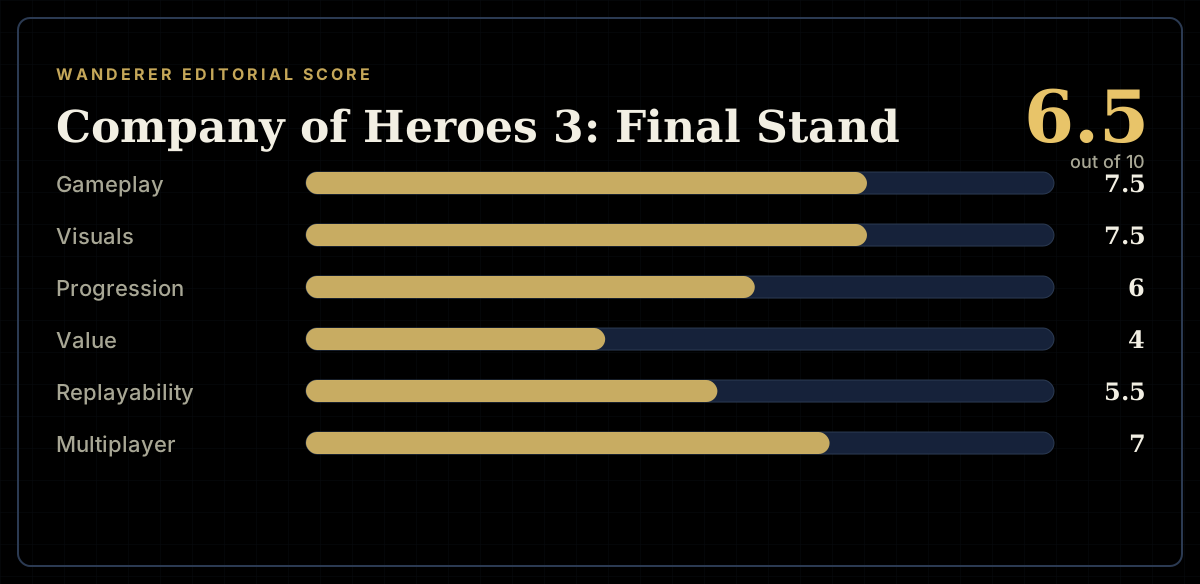
6.5 / 10
- Developer
- Relic Entertainment
- Publisher
- Relic Entertainment
- Released
- 29 July 2026
- Platforms
- Windows
- Genre
- RTS / Roguelite Wave Defence
- Monetisation
- One-time purchase at NZ$44.99, discounted 10% to NZ$40.49 at launch, with a further discount for owners of Company of Heroes 3. The Steam listing also declares in-app purchases. Checked 3 August 2026.
- Players
- Two-player online co-op alongside single-player. Co-op shipped with no matchmaking at all — invite-only — and a lobby system was added by hotfix on 1 August 2026.
The short version
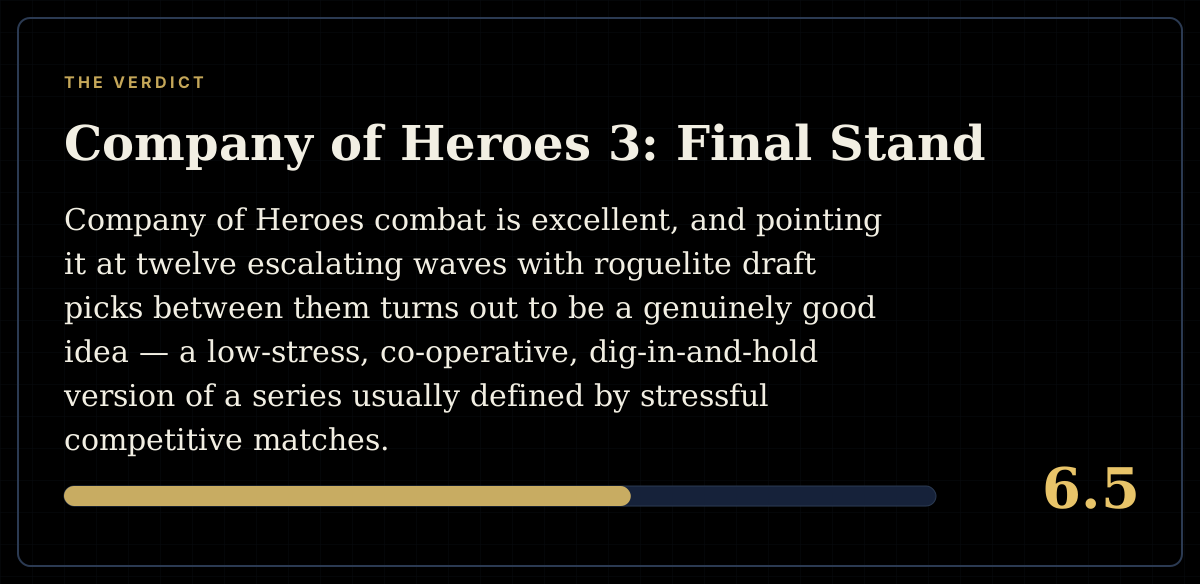
Company of Heroes combat is excellent, and pointing it at twelve escalating waves with roguelite draft picks between them turns out to be a genuinely good idea — a low-stress, co-operative, dig-in-and-hold version of a series usually defined by stressful competitive matches. Almost nobody disputes that. What's disputed is the packaging: five maps and four factions sold as a standalone game at close to expansion money, launched without co-op matchmaking, with the unit and ability pool repeating inside a few runs. Fun mode, wrong price, and its Mixed rating is a referendum on the second thing rather than the first.
Biggest strengths
- The underlying combat is Company of Heroes — cover, suppression, flanking and combined arms are all intact, and they translate to wave defence better than expected
- Roguelite drafting between waves keeps runs varied in the short term, and between-run perk trees change how each faction plays rather than just adding numbers
- Four playable factions with genuinely different tools, and perks that can be reset and reassigned freely so experimenting costs nothing
Biggest weaknesses
- The price is the review page's dominant subject on both sides — close to expansion money for five maps and a wave mode
- Co-op launched with no matchmaking whatsoever, playable only by inviting friends directly, which for a two-player co-op game is a startling omission
- The unit and ability pool starts repeating within about three runs, which blunts the roguelite variety the design depends on
Who it's for: Company of Heroes players who prefer PvE and co-op to the competitive ladder, and RTS fans who've been playing wave-defence mods for years and want an official one. Poorly suited to anyone weighing content-per-dollar, or expecting a campaign.
Our recommendation: Wait for a sale unless co-op wave defence with a friend is specifically what you want this month — that's the use case where nobody regrets the purchase. Owners of Company of Heroes 3 get a further discount, which narrows the gap. If you're solo, the repetition arrives faster and the price argument gets harder to dismiss.
6.5 / 10
Reading several hundred reviews of Final Stand produces an unusual result: both sides are describing the same game and largely agreeing about it. The positives say the wave defence is fun, relaxing and a welcome break from competitive Company of Heroes. The negatives say the wave defence is fun and should not have cost forty-five dollars.
That's the whole argument. It's why this sits at 50% with 705 reviews while almost nobody claims the game doesn't work.
Twelve waves and four factions
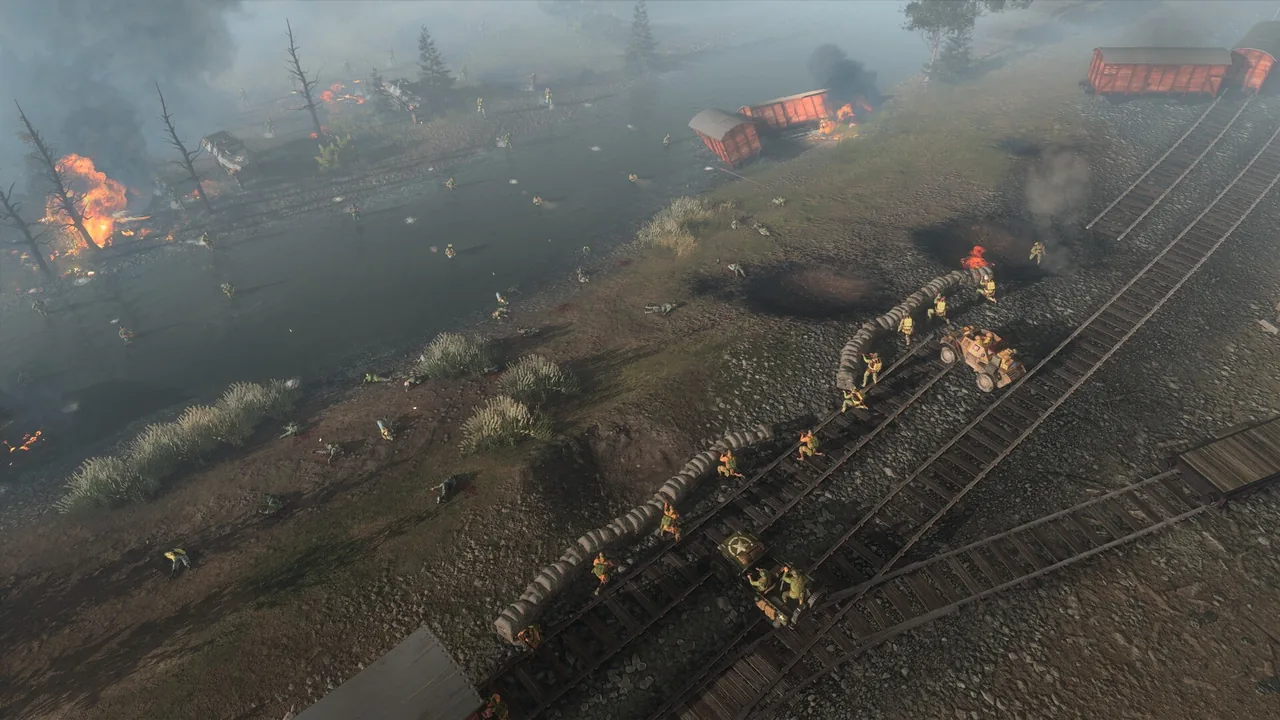
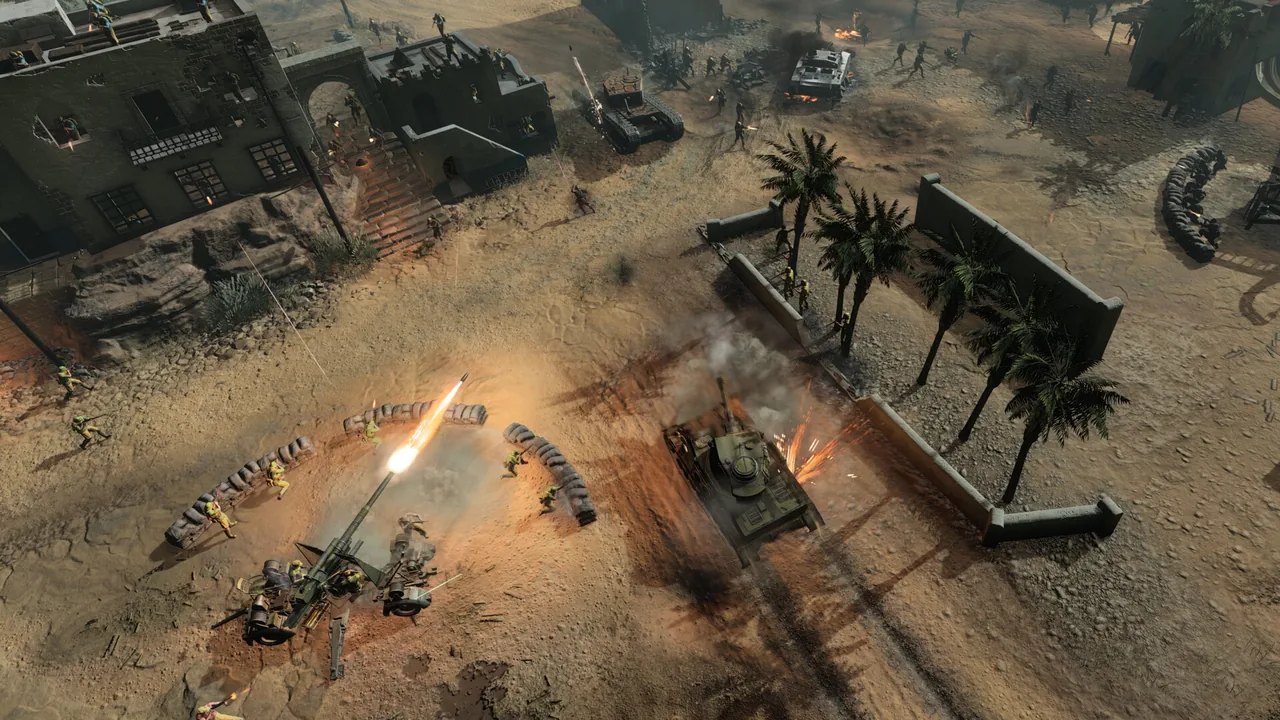
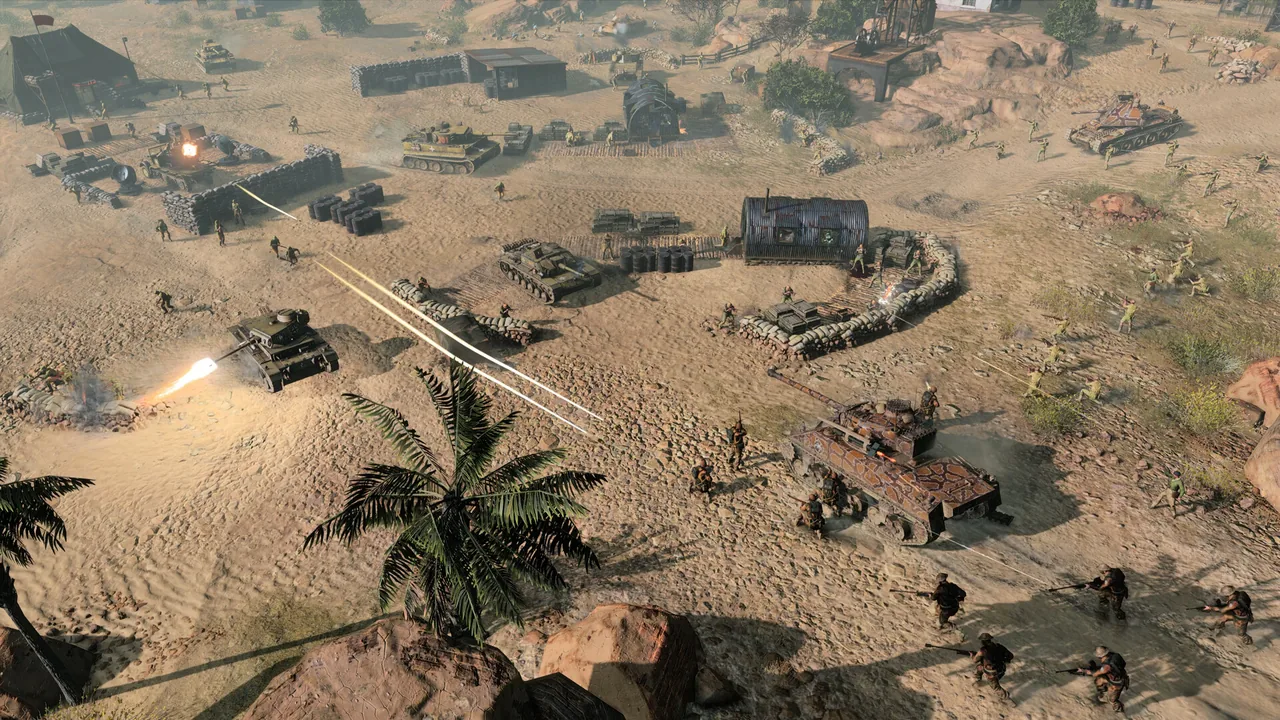
The structure is straightforward. You pick one of four factions, take a map, and hold it through twelve escalating rounds of attacks punctuated by bosses and battlefield events. Between waves you draft from randomised offers of units and abilities that persist for that run. Between runs, you spend progress on faction-specific perk trees that change how each army plays.
The important thing is that the combat underneath is real Company of Heroes — cover, suppression, flanking, combined arms — and it survives the transplant into wave defence better than it has any right to. Digging in, layering defences and reacting as pressure escalates uses the series' systems in a way the competitive ladder never asks for. Several long-time players describe this as the mode they've been building in mods for a decade, finally official, and the enthusiasm in those reviews is genuine rather than dutiful.
It's co-operative for two, and it's forgiving. The recurring phrase in the positive column is some version of "unwind after work": two or three rounds, no ladder anxiety, no meta to chase.
The number everyone is arguing about
Now the price. Final Stand is NZ$44.99, discounted 10% at launch, with a further cut for people who already own Company of Heroes 3. For that you get five maps, four factions, twelve waves and the perk trees.
The most-upvoted negative review — with several hundred votes behind it — makes the argument sympathetically rather than angrily: that Relic, now operating independently and self-publishing, is leaning on the goodwill of existing fans to fund itself, and that the content on offer doesn't justify the ask. Others are blunter, calling it a cash grab and pointing out that the same money buys several complete games. A number of positive reviews concede the same point in passing before recommending it anyway — the phrase "if you can spare the cash" does a lot of work on that page.
The store listing also declares in-app purchases alongside the premium price, which is not the detail you want adjacent to a value complaint.
Whether that's fair depends on what you think you're buying. Judged as a full standalone release, it is thin. Judged as a substantial new mode for a game you already play, it's reasonable — and the existing-owner discount suggests Relic knows which of those framings is doing the selling.
The matchmaking hole, and the fix
The one criticism that wasn't about value was structural and serious: at launch, the two-player co-op mode had no matchmaking. You could play with people on your friends list, by invitation, or not at all.
For a game whose main pitch is co-operative wave defence, shipping without any way to find a partner is a real failure. It's also the clearest evidence in this review page's favour that Relic is listening: a hotfix on 1 August added a co-op lobby system, and at least one prominent negative review has been struck through and updated to credit the fix. That's three days from launch to addressing the loudest fixable complaint, which is fast.
How deep does it go
The durability question is where the game is weakest. Multiple players with double-digit hours report the unit and ability offers repeating within about three runs, which undercuts the "no two playthroughs are the same" promise the roguelite structure rests on. Five maps compounds it.
The achievement data suggests the long tail isn't materialising either: the most-earned achievement sits at 20%, and the faction mastery achievements — the top of those progression trees — are at 0.1% to 0.2%. Very few people are grinding to the end of what's there, four days in.
Verdict
Final Stand is a good idea, competently made, sold in the wrong wrapper. As a mode, it deserves to exist: PvE and co-op have been underserved in this genre for years, and the series' combat model turns out to be excellent at holding a line. As a purchase, it asks a lot for five maps and a repeating draft pool, and the market has told it so at length.
Six and a half out of ten — the gameplay is comfortably a 7.5 and the value is a 4, and where you land depends entirely on whether you're buying an evening with a friend or a full game. Wait for a sale, take the owner's discount if you have it, and know that the co-op you're buying it for now actually has a way to find people.
Players who want a defence that keeps holding while they're away from the desk — rather than one that needs twelve waves of their evening — may also enjoy Wanderer.
Pros and cons
Pros
- The underlying combat is Company of Heroes — cover, suppression, flanking and combined arms are all intact, and they translate to wave defence better than expected
- Roguelite drafting between waves keeps runs varied in the short term, and between-run perk trees change how each faction plays rather than just adding numbers
- Four playable factions with genuinely different tools, and perks that can be reset and reassigned freely so experimenting costs nothing
- A deliberately low-stress PvE alternative for a series whose reputation is built on high-stress competitive play — several long-time players call this the thing they'd wanted for years
- Relic responded fast to the loudest structural complaint, adding co-op matchmaking by hotfix within days
Cons
- The price is the review page's dominant subject on both sides — close to expansion money for five maps and a wave mode
- Co-op launched with no matchmaking whatsoever, playable only by inviting friends directly, which for a two-player co-op game is a startling omission
- The unit and ability pool starts repeating within about three runs, which blunts the roguelite variety the design depends on
- Faction progression trees are long grinds that very few players are engaging with
- The Steam listing declares in-app purchases on top of a premium price, which sharpens the value complaint rather than softening it
Screenshots
-
Company of Heroes 3: Final StandImage: Relic Entertainment via Steam -
Company of Heroes 3: Final StandImage: Relic Entertainment via Steam -
Company of Heroes 3: Final StandImage: Relic Entertainment via Steam -
How the review scores each part of the gameWanderer Editorial -
The short versionWanderer Editorial