
Game review
Servant of the Lake
6.5 / 10
- Developer
- Rusty Lake
- Publisher
- Rusty Lake
- Released
- 13 August 2026
- Platforms
- Windows, Mac
- Genre
- Adventure
- Monetisation
- One-time purchase
- Players
- Single-player
The short version
Servant of the Lake, released 13 August 2026 by developer Rusty Lake, is the nineteenth entry in the studio's long-running point-and-click puzzle series, casting the player as a new servant at the Vanderboom family's lakeside estate in 1839, a prequel to Rusty Lake: Roots. Drawing on a very large review sample of over 7,000 reviews, this review finds a genuinely split reception hiding behind an Overwhelmingly Positive score: broad, specific praise from players who found it polished, atmospheric, and satisfyingly puzzle-driven, set against a detailed and recurring critique from longtime fans that the series' traditional ambiguity, difficulty, and visual strangeness have been softened in favour of accessibility, alongside several credible reports of progress-affecting bugs.
Biggest strengths
- A large number of reviewers, including several detailed accounts from long-time series fans, specifically praise the new servant's notebook feature for tracking daily tasks, recording notes and drawings, and letting players revisit missed achievements after completion without resetting progress
- The prequel setting at the Vanderboom estate, tying directly into Rusty Lake: Roots, is repeatedly singled out for meaningfully expanding the series' lore, with multiple reviewers specifically calling out a late twist and a secret ending as genuine highlights
- Voice acting, sound design, and the game's signature muted, unsettling visual style are praised consistently across the sample, with one detailed review specifically recommending new players turn down sound effects due to how effective and, at times, unsettling the audio design is
Biggest weaknesses
- A substantial and detailed thread of criticism from self-identified longtime fans, including the sample's two most-voted negative reviews, describes the puzzles as drastically simplified, more dialogue-driven and hand-holding than prior entries, and stripped of the series' traditional ambiguity, surreal logic, and grotesque dark humor, with one review noting even the handwritten typeface has been swapped for a generic modern font
- Several independent reports describe progress-affecting bugs: one detailed account lost an entire chapter's inventory after quitting and had to reinstall the game to recover, another reports achievements silently locked out of reach by performing tasks in the wrong order, and a Simplified Chinese-language review reports resetting a chapter more than ten times inside two hours due to bugs
- A detailed, personal review from a player with Multiple Sclerosis explains that the newer click-and-drag camera panning, unlike the still-image navigation of earlier entries in the series, does not accommodate players with limited hand mobility, and asks for an accessibility toggle back to the older navigation style
Who it's for: Both newcomers to the Rusty Lake series looking for an atmospheric, moderately challenging point-and-click puzzle game, and longtime fans willing to accept a more guided, dialogue-driven, and visually polished take on the formula in exchange for new lore.
Our recommendation: A well-crafted, accessible entry that's an easy recommendation for puzzle-adventure fans in general, but longtime series veterans specifically hoping for the older games' cryptic, unsettling difficulty should moderate their expectations before buying in.
6.5 / 10
Servant of the Lake is the nineteenth game in Rusty Lake's long-running point-and-click puzzle series, and a prequel to Rusty Lake: Roots, sending the player to the Vanderboom family estate in 1839 as a newly hired servant. Over three days, tasked with everything from breakfast preparation to late-night hallway checks, the player serves siblings Aldous, William, and Alexandra while gradually uncovering the household's occult secrets. With over 7,000 reviews behind it and an Overwhelmingly Positive score, this is one of the largest samples this lane has worked from, and reading through it in depth surfaces something the headline score alone doesn't show: a genuine, well-articulated split between players who found this the series' most accessible and polished entry yet, and longtime fans who feel that accessibility came at the cost of what made Rusty Lake distinctive in the first place.
A polished, newcomer-friendly puzzle adventure
For a large share of this sample, Servant of the Lake works exactly as intended. Reviewers repeatedly praise the new servant's notebook, a journal that tracks the day's tasks, lets players jot or draw their own notes, and allows revisiting missed achievements after finishing the game without resetting progress, a genuine quality-of-life addition that several longtime players single out by name. The prequel structure, tying directly into the established lore of Rusty Lake: Roots, draws specific praise for its late-game twist and an optional secret ending reached by re-solving earlier puzzles with new information, which multiple reviewers describe as a highlight worth the price on its own. Voice acting, up considerably from the single-narrator delivery of the studio's earliest games according to one longtime fan, and the series' trademark muted, unsettling art direction and sound design also draw consistent, specific praise, with one reviewer recommending new players turn the sound effects down given how effective, and occasionally startling, the audio design is.
A specific, credible fan backlash
Set against that is a detailed and recurring critique that goes well beyond generic "it's different now" grumbling. The sample's two highest-voted negative reviews, both from self-identified longtime fans who've followed the series since its earliest Cube Escape entries, lay out a specific, itemized case: puzzles that once relied on lateral thinking, ambiguous visual logic, and trial-and-error deduction have been replaced with more straightforward, dialogue-explained mechanics; the series' traditionally cryptic, pictogram-driven communication has given way to characters verbally explaining what to do next; and the grotesque, surreal black humor that defined earlier entries has been softened into something one reviewer calls "peaceful, friendly, mundane, and almost domestic." One of those reviews goes as far as tracking the change down to typography, noting the shift from a handwritten, rounded script to a generic modern typeface as a small but telling symptom of a broader move toward polish over atmosphere. This isn't an isolated complaint: a Simplified Chinese-language review independently corroborates that puzzles now come in small, self-contained groups of two or three per chapter rather than the interlocking, multi-step chains of earlier games, weakening the sense that solving one puzzle should meaningfully unlock another.
It's worth being precise about what this criticism is and isn't. Almost none of these reviewers call the game bad in absolute terms, several explicitly rate the production values, graphics, and voice work as the series' best yet. Their complaint is narrower and more specific: that the exact qualities, difficulty, ambiguity, visual strangeness, that made Rusty Lake distinctive within the puzzle-adventure genre have been deliberately traded away for broader appeal, and that trade concerns them for where the series goes next more than it ruins this particular entry.
Progress-affecting bugs worth taking seriously
Beyond the design debate, a handful of independent, detailed bug reports are serious enough to flag on their own merits. One reviewer, seven hours in, reports losing an entire chapter's worth of inventory items after quitting and relaunching the game, with restarting the chapter or the game itself failing to recover it, ultimately requiring a full reinstall. A separate, highly detailed review describes several achievements becoming permanently unobtainable within a given chapter if the player interacts with objects in the wrong order, a much stricter and less forgiving system than the studio's earlier games, where the same reviewer says achievements could be picked up any time the right inventory and steps were in place. A Simplified Chinese-language review reports resetting a single chapter more than ten times within two hours due to bugs, and a separate review mentions an acid-and-glass-related glitch encountered over a long, 19.6-hour session. None of these are corroborated widely enough across the full sample to call universal, but a bug capable of silently locking a player out of an achievement, or wiping inventory progress outright, is worth weighing seriously against the game's otherwise strong reception.
A specific, thoughtful accessibility request
One review stands out for reasons unrelated to puzzle design or bugs. A player with Multiple Sclerosis, whose hand tremors are triggered by sustained mouse movement, explains that Servant of the Lake's new click-and-drag camera panning, an upgrade over the static, still-image room navigation used in the studio's earlier titles, doesn't accommodate limited hand mobility the way the older system did. The review is candid that the game itself is very good and still recommends it, while directly and specifically asking Rusty Lake to add a toggle back to still-image navigation as an accessibility option. It's a rare, concrete, actionable piece of feedback buried in an otherwise enthusiastic review, and worth surfacing here on its own merits.
Final Verdict
Servant of the Lake is a well-produced, accessible point-and-click puzzle adventure that succeeds on its own terms for the large majority of the players in this review sample, and its prequel lore and new notebook system are genuine, specific improvements over earlier entries. But this is also a release where a substantial, detailed, and internally consistent body of criticism from the series' most invested fans deserves to be taken seriously rather than waved off as nostalgia, and where a handful of credible, progress-affecting bugs and a specific unmet accessibility request temper an otherwise glowing reception. Recommended for puzzle-adventure fans generally, and for series newcomers especially, but longtime Rusty Lake players should go in expecting a gentler, more guided experience than the series' earlier, stranger entries.
Pros and cons
Pros
- A large number of reviewers, including several detailed accounts from long-time series fans, specifically praise the new servant's notebook feature for tracking daily tasks, recording notes and drawings, and letting players revisit missed achievements after completion without resetting progress
- The prequel setting at the Vanderboom estate, tying directly into Rusty Lake: Roots, is repeatedly singled out for meaningfully expanding the series' lore, with multiple reviewers specifically calling out a late twist and a secret ending as genuine highlights
- Voice acting, sound design, and the game's signature muted, unsettling visual style are praised consistently across the sample, with one detailed review specifically recommending new players turn down sound effects due to how effective and, at times, unsettling the audio design is
Cons
- A substantial and detailed thread of criticism from self-identified longtime fans, including the sample's two most-voted negative reviews, describes the puzzles as drastically simplified, more dialogue-driven and hand-holding than prior entries, and stripped of the series' traditional ambiguity, surreal logic, and grotesque dark humor, with one review noting even the handwritten typeface has been swapped for a generic modern font
- Several independent reports describe progress-affecting bugs: one detailed account lost an entire chapter's inventory after quitting and had to reinstall the game to recover, another reports achievements silently locked out of reach by performing tasks in the wrong order, and a Simplified Chinese-language review reports resetting a chapter more than ten times inside two hours due to bugs
- A detailed, personal review from a player with Multiple Sclerosis explains that the newer click-and-drag camera panning, unlike the still-image navigation of earlier entries in the series, does not accommodate players with limited hand mobility, and asks for an accessibility toggle back to the older navigation style
Screenshots
-
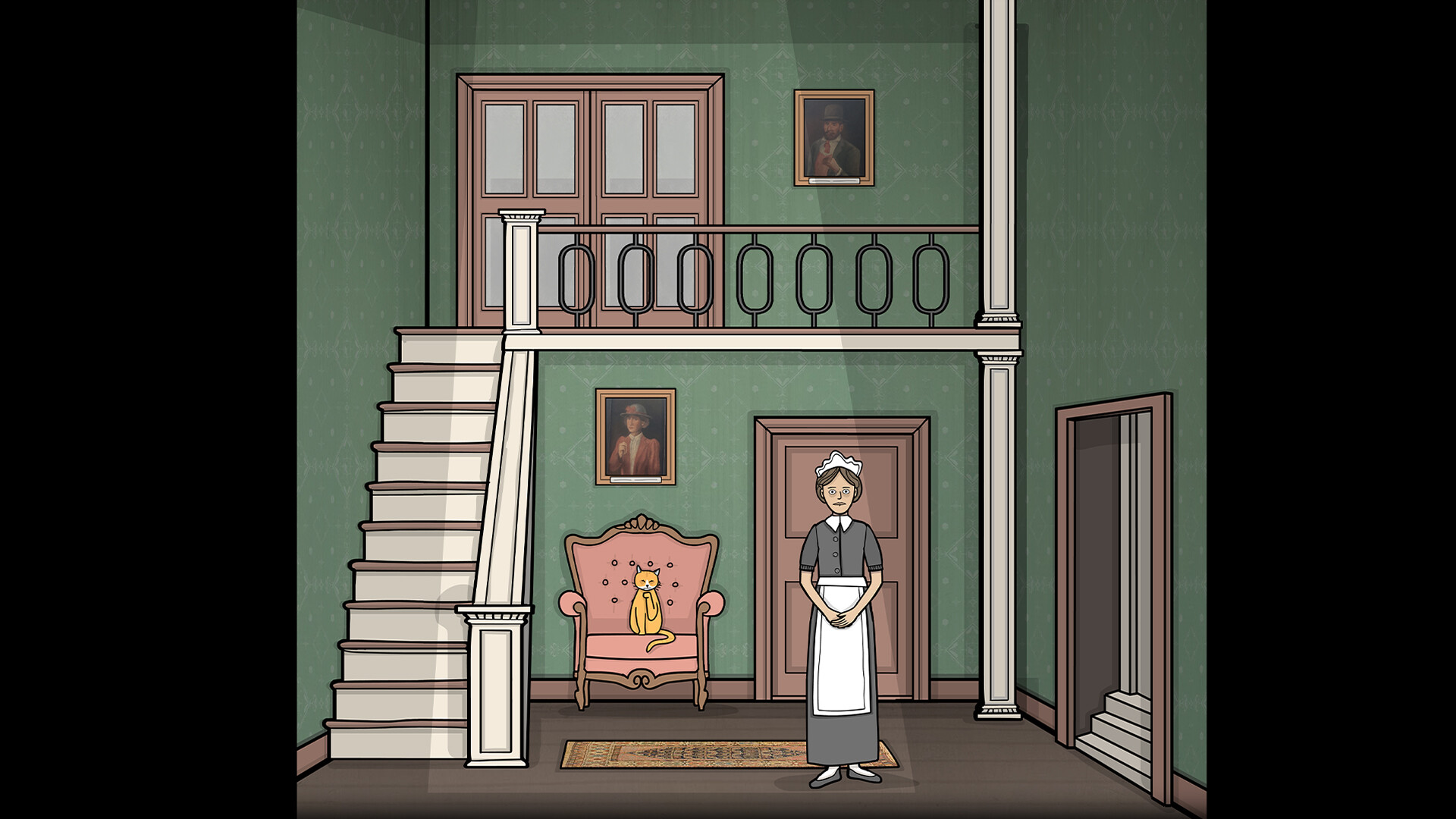
Servant of the LakeImage: Rusty Lake via Steam -
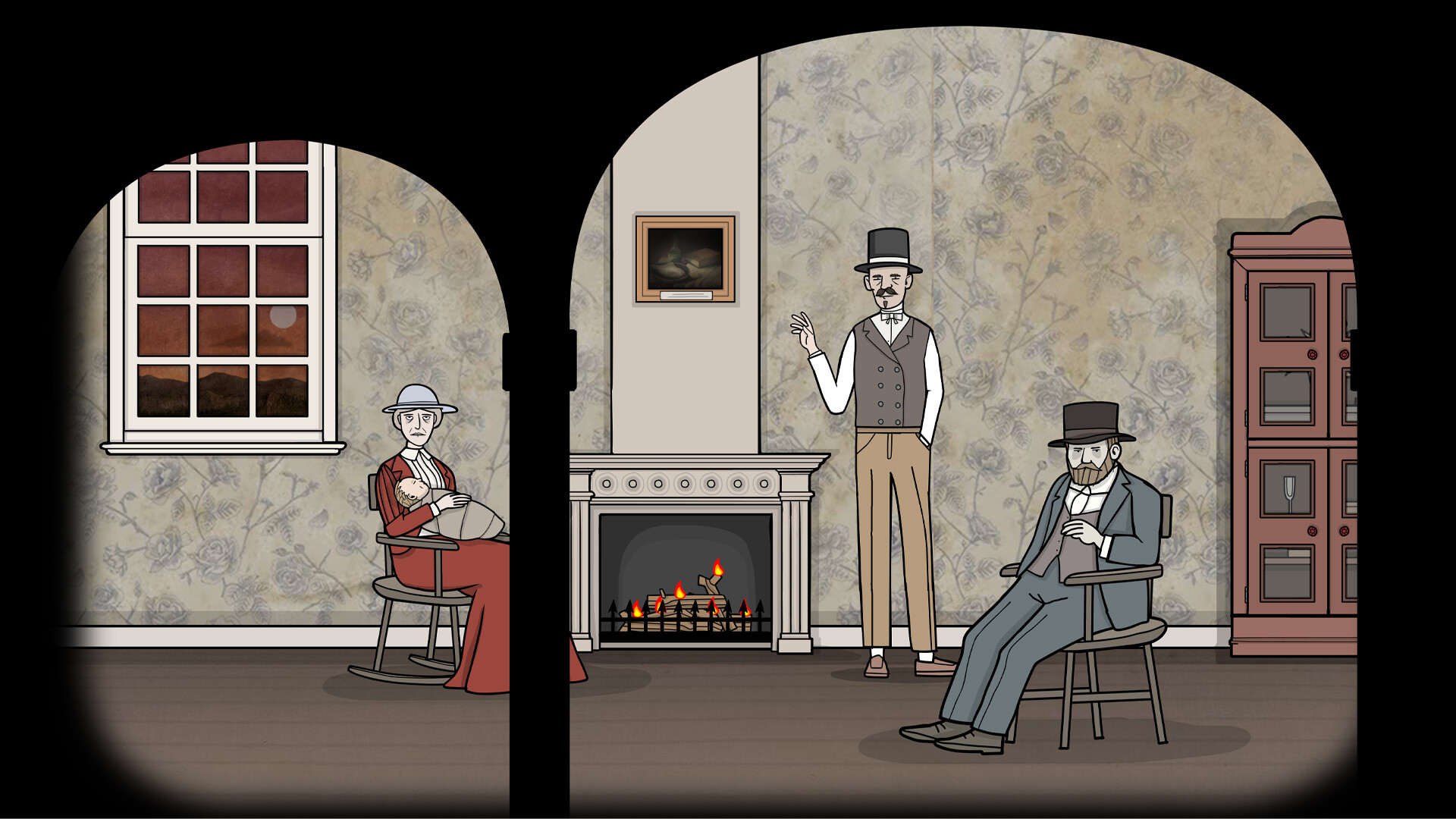
Servant of the LakeImage: Rusty Lake via Steam -
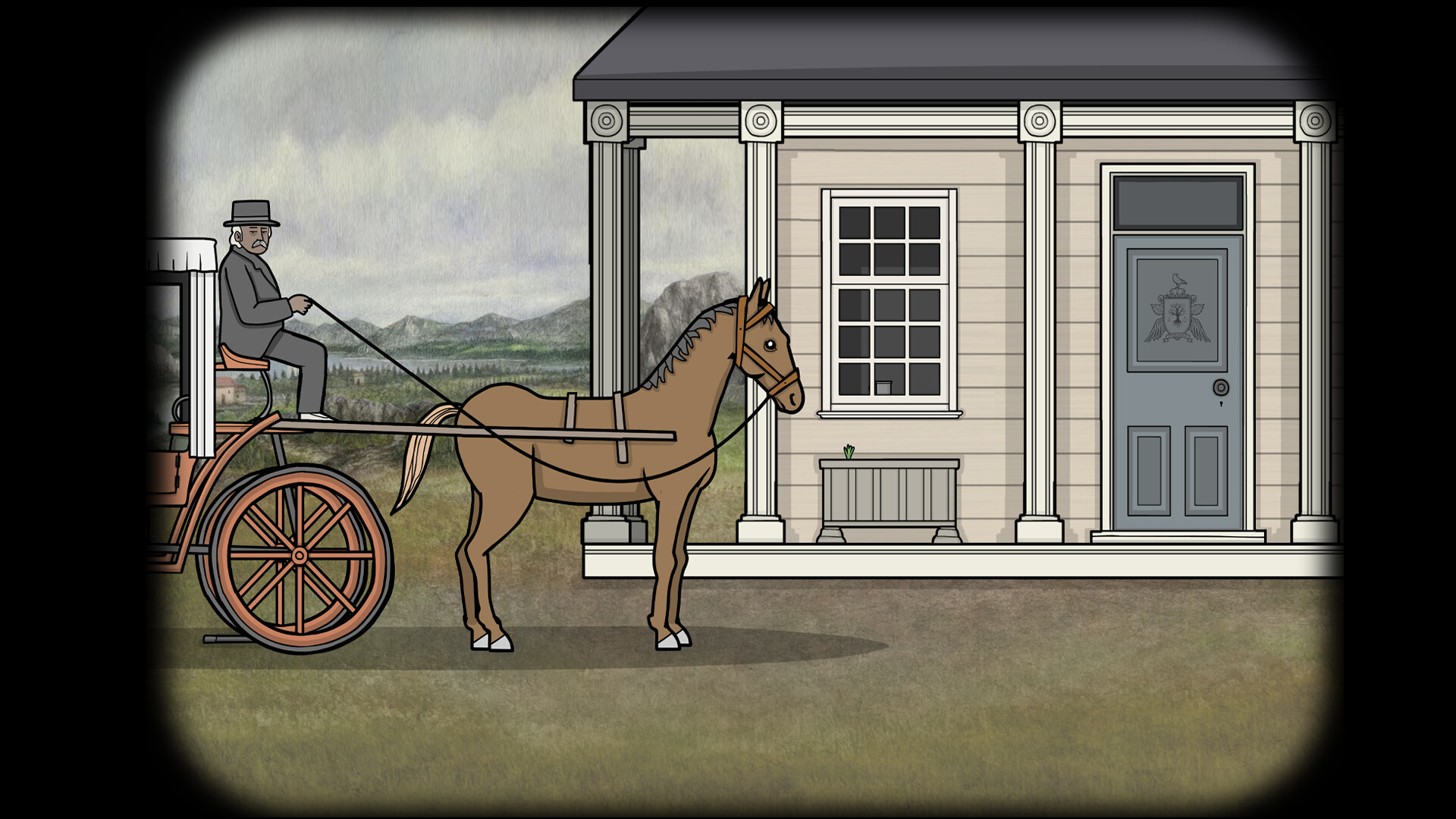
Servant of the LakeImage: Rusty Lake via Steam