Game review
CAPTURED 2
6.5 / 10
- Developer
- Puck Redflix
- Publisher
- Puck Games
- Released
- 22 April 2026
- Platforms
- Windows
- Genre
- Action
- Monetisation
- One-time purchase
- Players
- Single-player
The short version
CAPTURED 2, released 22 April 2026, sends its player back into a looping, ever-shifting house to spot anomalies, dodge entities, and photograph proof before the loop resets. Against a backdrop of near-unanimous praise for its atmosphere, voice acting, and an unexpectedly emotional story built around memory loss, a consistent and detailed thread of criticism points to one specific design choice, a single missed or misidentified anomaly wiping an entire day's progress, as the game's biggest liability, alongside overexplained lore and real performance drops during its most elaborate rooms.
Biggest strengths
- The atmosphere, lighting, and sound design across the game's shifting, liminal-space rooms draw close to universal praise, with multiple reviewers specifically citing genuine jump scares even from players experienced with the horror genre
- A substantially expanded story, delivered through voicemails, environmental details, and intermission memory sequences, builds to an ending that a striking number of reviewers describe as unexpectedly emotional, with several explicitly saying they were moved to tears
- An Insanity/endless mode, alongside Story, Normal, and Hard/Nightmare difficulty options, gives the roughly three-hour main campaign real replay value for a low asking price
Biggest weaknesses
- Missing or misidentifying a single anomaly during a run resets the player's entire anomaly count for that day, a specific and repeatedly cited source of frustration; the developer's Story Mode softens this by half rather than removing it
- One detailed critical review argues the sequel over-explains its lore through pacing-halting phone calls and a more constant monster presence, undercutting the "show, don't tell" restraint that defined the original Captured
- Several reviewers report real performance drops, down to roughly 27fps in the game's largest "deformed room" sequences, along with occasional lag spikes on specific interactive objects
Who it's for: Fans of anomaly-hunting and observation-duty style horror games, players who appreciated the original Captured's liminal-space restraint, and anyone drawn to short horror experiences with a genuinely emotional narrative payoff.
Our recommendation: Worth playing for its atmosphere, voice acting, and surprisingly affecting ending, but players who found progression-punishing horror games frustrating in the past should expect that frustration here too, and may want to start on the game's easier Story Mode.
6.5 / 10
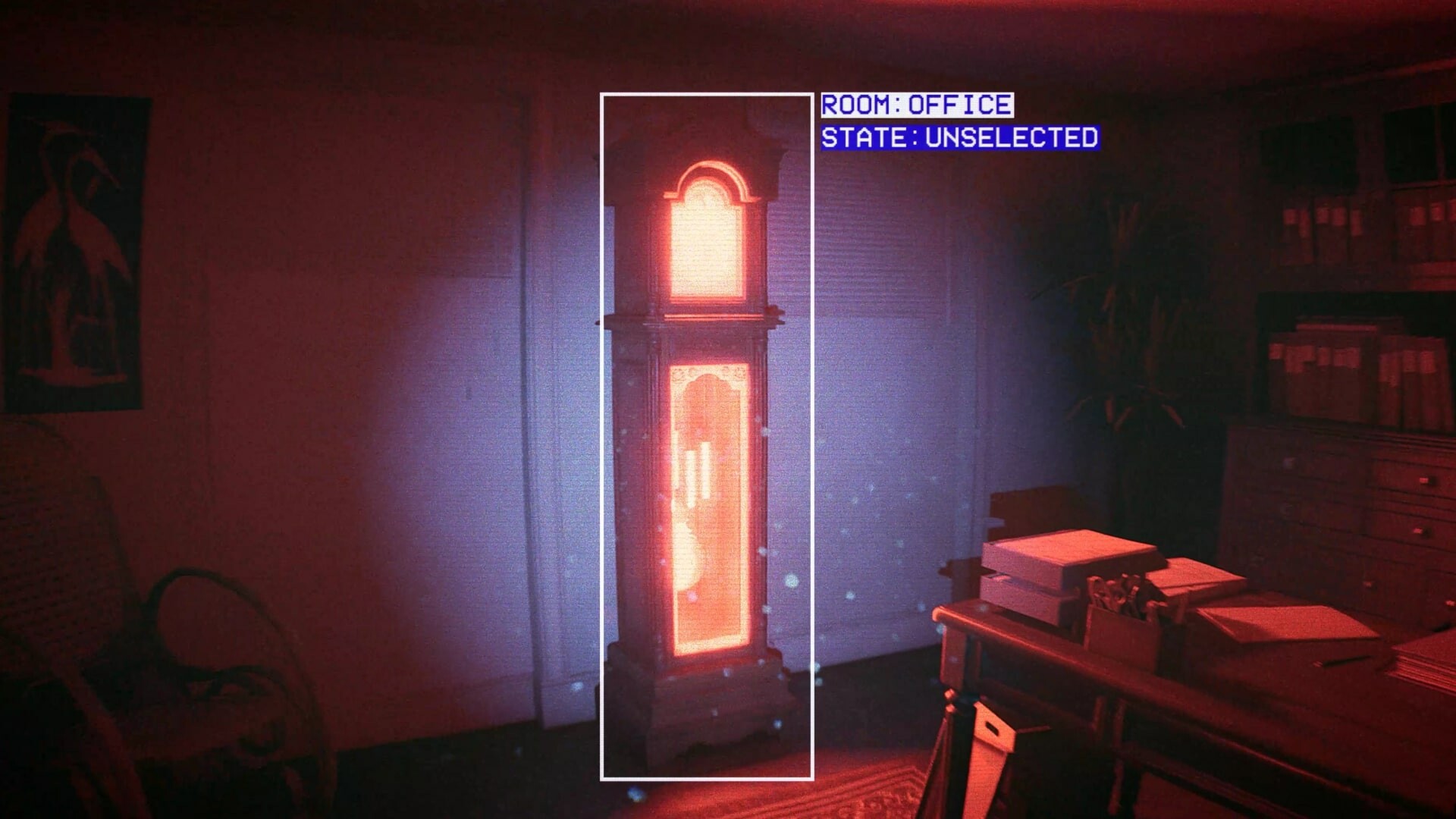
CAPTURED 2 puts the player back inside a shape-shifting house trapped in a time loop, tasked with spotting anomalies, photographing them as proof, and avoiding entities that patrol the rooms, all before the loop resets and sends them back to the start of the day. Released 22 April 2026 by solo-leaning developer Puck Redflix under the Puck Games label, it follows up an original Captured that built a loyal audience on tight, restrained anomaly-hunting horror in the vein of Skinamarink and I'm on Observation Duty. Reading through its review sample reveals a sequel that's expanded ambitiously on almost every front, and a specific, well-documented mechanical choice that a meaningful share of players think undermines that ambition.
A bigger, more emotional story
Where the first Captured let its story trickle out almost incidentally through anomalous TVs and phone calls, CAPTURED 2 builds an actual narrative around a fictional antidepressant that transports its user into the looping dimension the player explores. Reviewers describe piecing that story together through voicemails, environmental details, and intermission sequences that explore fragments of memory between days, and the consensus response is remarkably strong: reviewer after reviewer describes being caught off guard by how emotional the ending is, several explicitly mentioning tears, and multiple reviews specifically credit the game's closing message with recontextualising the whole experience as being about memory loss and Alzheimer's, giving the horror a weight beyond its jump scares. The voice acting, including one contributor who voiced a family member's phone-call role, is singled out repeatedly as a standout element that elevates that story-telling.
Atmosphere that mostly delivers on the scares
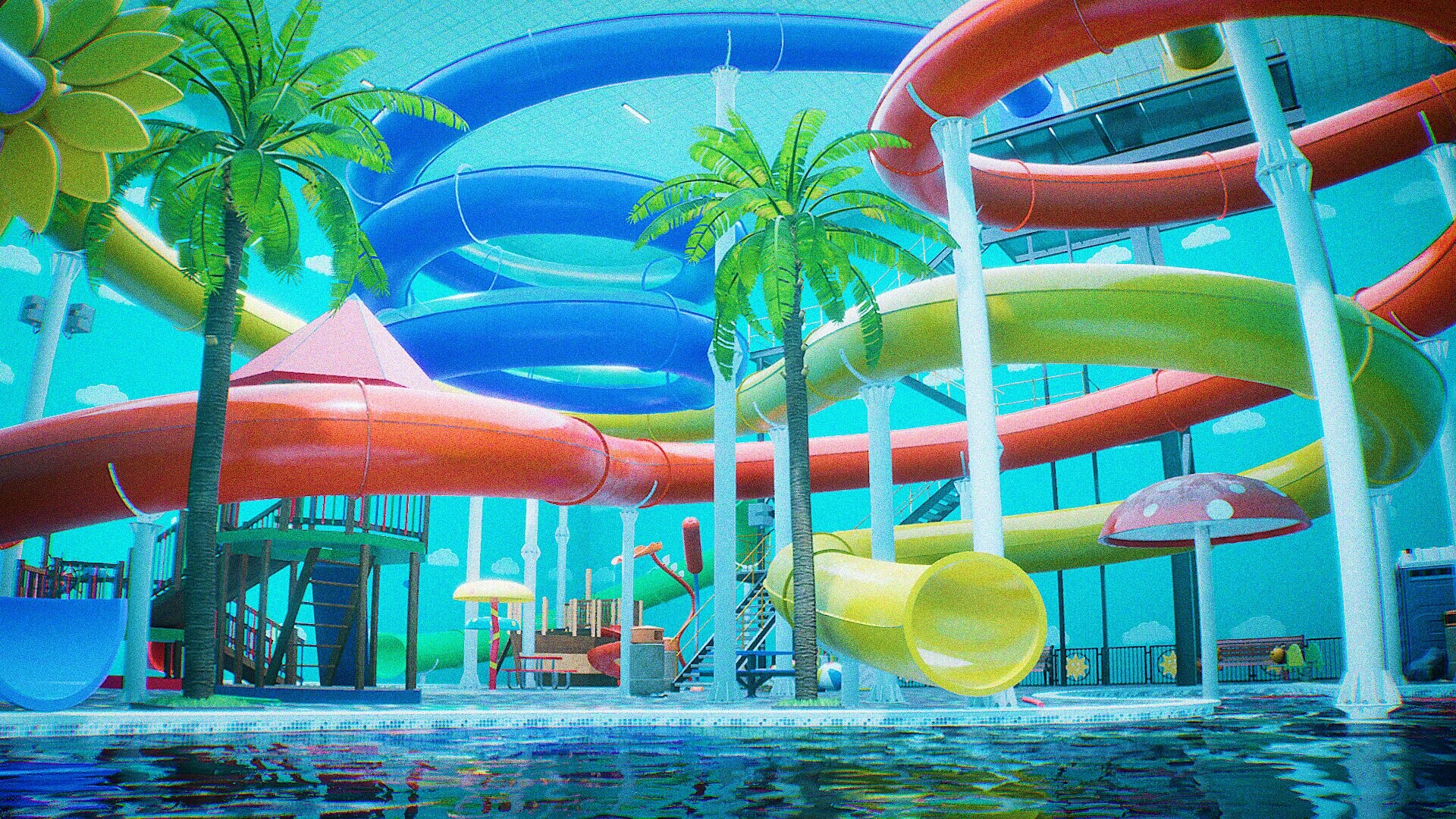
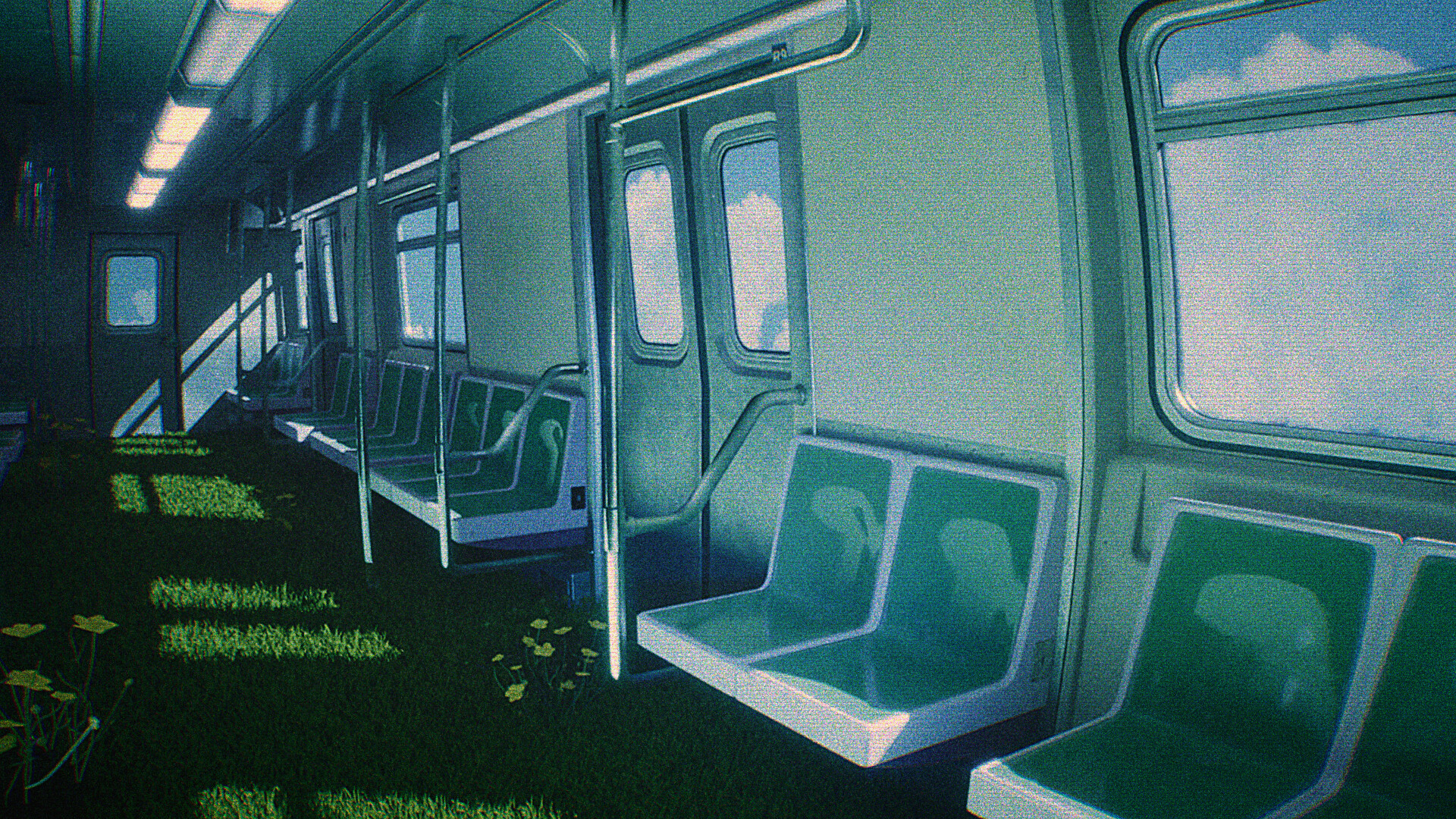
The core moment-to-moment experience, wandering shifting rooms, spotting things that shouldn't be there, and fleeing named entities like Ring-Ding, Walk-E, and Carroteras, draws consistently strong praise for its lighting, sound design, and monster design. Multiple reviewers, some explicitly noting years of horror-game experience, describe genuine, repeated jump scares rather than cheap ones, and the liminal-space sequences that periodically replace ordinary rooms come in for specific praise as some of the game's most striking visual moments. That said, one long, detailed, largely positive review argues the sequel leans too hard into explaining itself: recontextualising anomalies as direct extensions of the plot, adding pacing-halting phone calls that narrate what's happening rather than letting the environment imply it, and dramatically increasing how often monsters appear compared to the original, to the point that a once-rare, tense encounter becomes an expected, near-constant interruption. That review, and a handful of shorter negative reviews alongside it, frame this as a meaningful step away from the "show, don't tell" restraint that made the first game distinctive.
The anomaly-reset problem
By far the most consistently cited specific complaint across this review sample, echoed across negative reviews and several otherwise glowing positive ones, concerns what happens when a player misses or misidentifies a single anomaly. Rather than losing progress gradually, the entire day's anomaly count resets to zero, turning what should be a small mistake into a full restart of that day's content. One detailed review describes losing an 8-out-of-13 anomaly count to a single misread object, and multiple reviewers report the developer has responded by offering a Story Mode that halves this penalty, a fix several feel doesn't address the underlying frustration since a single slip can still erase an entire run's progress. Because later content is gated behind successfully completing earlier days, that same mistake can also mean replaying an already-seen, narrowly bounded set of rooms and anomalies rather than encountering fresh content, a repetition several reviewers specifically call tedious.
Performance and smaller rough edges
A secondary but recurring thread concerns technical polish. Multiple reviewers report noticeable frame-rate drops, one citing roughly 27fps at the worst points, specifically during the game's largest and most detailed "deformed room" sequences, along with occasional lag spikes tied to specific interactive objects like doors. The anomaly-capture system itself draws a smaller but specific complaint: correctly identified anomalies sometimes fail to register depending on the player's distance or angle, forcing repositioning under time pressure in a genre where a few wasted seconds can cost an entire run. In the game's Insanity/endless mode, at least one reviewer notes there's no way to review which perks are currently active between runs, leading to confusion about what's carried over.
How it compares to the original
Several of the sample's longest, most considered reviews frame their assessment explicitly around the first Captured, and the comparison is broadly favourable even from reviewers who land on criticism elsewhere. One especially thorough review credits the sequel with meaningfully improving the moment-to-moment loop, citing better enemy interaction, anomalies that feel more consequential because they now tie into the plot, and a thread of dark humour that this reviewer says surprisingly doesn't undercut the atmosphere. That same review is more mixed on the entities themselves, arguing that despite new names and designs, a couple of them functionally ask the player for the same response as one another, and that mechanically the roster isn't a huge leap past the first game's. Multiple shorter reviews describe CAPTURED 2 as simply a "huge step up," pointing to the addition of a real plot, more locations, and the endless mode as concrete, uncontroversial improvements, while a much smaller number argue the reverse, that the first game's tighter, more mysterious two-line premise suited the anomaly-hunting format better than a sequel now carrying the weight of a fully explained story. That split, a large majority crediting the sequel with real growth against a smaller, specific counter-argument about what was lost along the way, is a useful shorthand for how divided the game's more detailed critical response is even within an overwhelmingly positive review page.
Final Verdict
CAPTURED 2 is a genuine step up from its predecessor in ambition, delivering an atmosphere, voice cast, and emotional narrative payoff that a large majority of this review sample rates highly, several calling it one of the better horror releases of 2026 so far. But the anomaly-reset mechanic is a specific, well-documented design choice that turns small mistakes into disproportionate setbacks, and it sits alongside real, if secondary, complaints about overexplained lore, more frequent monster encounters, and performance dips in the game's most visually ambitious rooms. For a low asking price and a roughly three-hour runtime, it's an easy recommendation for horror fans willing to work around that one frustrating mechanic, ideally by starting on Story Mode rather than fighting the full penalty from the outset.
Pros and cons
Pros
- The atmosphere, lighting, and sound design across the game's shifting, liminal-space rooms draw close to universal praise, with multiple reviewers specifically citing genuine jump scares even from players experienced with the horror genre
- A substantially expanded story, delivered through voicemails, environmental details, and intermission memory sequences, builds to an ending that a striking number of reviewers describe as unexpectedly emotional, with several explicitly saying they were moved to tears
- An Insanity/endless mode, alongside Story, Normal, and Hard/Nightmare difficulty options, gives the roughly three-hour main campaign real replay value for a low asking price
Cons
- Missing or misidentifying a single anomaly during a run resets the player's entire anomaly count for that day, a specific and repeatedly cited source of frustration; the developer's Story Mode softens this by half rather than removing it
- One detailed critical review argues the sequel over-explains its lore through pacing-halting phone calls and a more constant monster presence, undercutting the "show, don't tell" restraint that defined the original Captured
- Several reviewers report real performance drops, down to roughly 27fps in the game's largest "deformed room" sequences, along with occasional lag spikes on specific interactive objects
- The anomaly-capture camera occasionally fails to register a correctly identified anomaly depending on the player's angle or distance, forcing trial-and-error repositioning under time pressure
Screenshots
-
CAPTURED 2Image: Puck Games via Steam -
CAPTURED 2Image: Puck Games via Steam -
CAPTURED 2Image: Puck Games via Steam