Game review
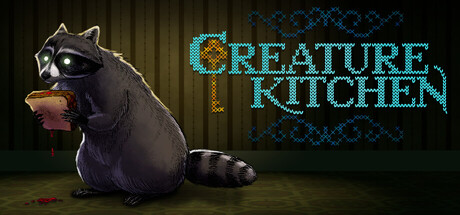
Creature Kitchen
7 / 10
- Developer
- The Rat Zone
- Publisher
- The Rat Zone
- Released
- 6 February 2026
- Platforms
- Windows
- Genre
- Casual
- Monetisation
- One-time purchase
- Players
- Single-player
The short version
Creature Kitchen, released 6 February 2026 by developer The Rat Zone, casts players as the steward of an abandoned forest cabin, cooking meals to befriend a cast of unsettling but friendly creatures while exploring the cabin and its grounds for ingredients and light puzzles. Drawing on a very large and near-unanimous review sample of almost 9,000 reviews, this review finds widespread, specific, and cross-language praise for its distinctive creepy-cozy atmosphere and emotionally affecting ending, set against a striking consistency in the criticisms even its admirers raise: a cooking mechanic that barely varies between recipes, a runtime most players finish inside two to six hours, and a price several reviewers feel outruns that length.
Biggest strengths
- An unusually large and consistent review sample, in the thousands, repeatedly and independently praises the game's specific "creepy-cozy" tone, a PS1-era low-poly horror aesthetic paired with a deliberately unthreatening, wholesome tone that multiple reviewers describe as unlike anything else they've played
- The ending is singled out across dozens of reviews in multiple languages as genuinely moving, with reviewers independently describing crying, feeling "changed," or wanting to replay the game immediately after finishing it
- Extensive accessibility and comfort options are called out favourably by more than one detailed review, including screen-shake limits, inverted controls, subtitle support for ambient radio dialogue, and separate audio sliders
Biggest weaknesses
- A recurring and well-corroborated complaint, raised independently across numerous negative and even several positive reviews, is that the core cooking mechanic barely changes between recipes; multiple reviewers describe it as "throwing everything in the oven" regardless of dish, with one detailed review calling it "the same recipe with just a different icon for the final dish"
- The game is short enough that "too short" is close to the single most common critique across the entire sample, with most reviewers reporting full completion, achievements included, somewhere between two and six hours, and several explicitly wishing for more creatures, recipes, or rooms
- A small number of detailed reviews report technical rough edges not corroborated widely enough to call systemic but serious enough to flag: one reviewer's saved progress was wiped three separate times after quitting and relaunching, another was locked to a fixed 640x480 resolution with no way to raise it, and a third reported ingredients clipping through the floor and inconsistent frying-pan physics
Who it's for: Players drawn to atmospheric, low-stakes cozy games who want a short, narratively complete experience built around exploration and found-family warmth, rather than players looking for deep or varied cooking mechanics, or a long campaign.
Our recommendation: A genuinely distinctive, well-crafted short experience that earns its overwhelmingly positive reception on atmosphere and emotional payoff, best picked up with the expectation of a single cozy evening rather than a substantial time investment, and worth waiting for a discount if the asking price feels steep for that length.
7 / 10
Creature Kitchen, from solo-flavoured developer The Rat Zone, puts players in charge of a strange cabin in the woods, tasked with befriending the odd assortment of creatures, some fluffy, some outright cryptid, who come knocking once night falls. The loop is simple on paper: explore the cabin and surrounding forest for ingredients, photograph creatures to learn what they like, cook it for them in a magical oven, and use the friendship and keys earned in return to unlock new rooms, recipes, and residents. What sets this review apart from most this lane has covered is the size of the sample behind it: close to 9,000 Steam reviews, overwhelmingly positive by a wide margin, giving an unusually reliable picture of both what's working and what consistently isn't.
An atmosphere reviewers keep reaching for the same words to describe
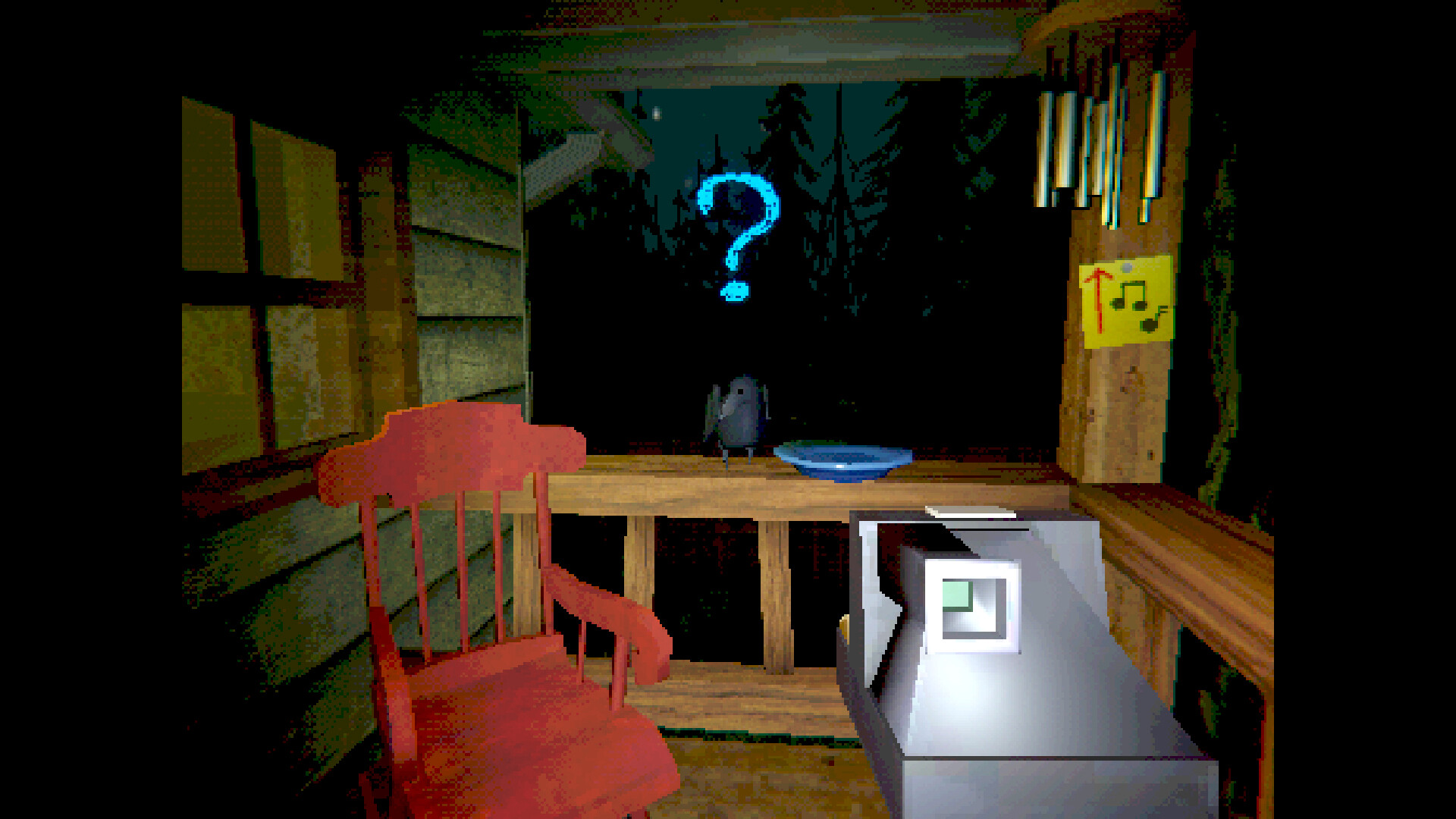
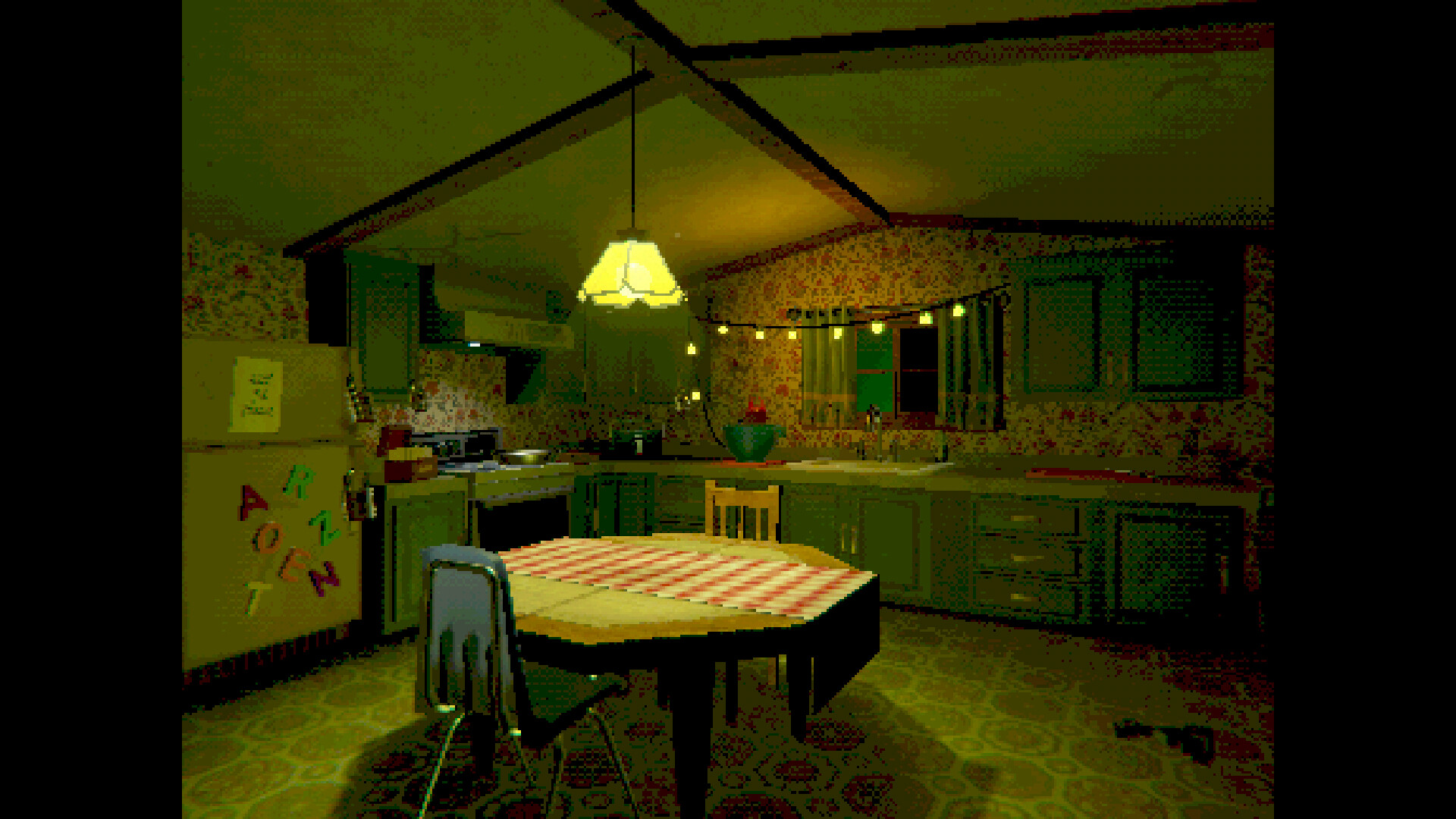
The single most consistent thread running through this sample, across English-language reviews and well beyond it, is how specific and repeated the praise for the game's tone is. Reviewer after reviewer independently lands on some version of "creepy but not scary," "eerie but wholesome," or "horror aesthetic without the horror," several going out of their way to warn newcomers not to expect jump scares or real danger despite the game carrying a horror tag on its store page. One detailed review describes it as a game that "most accurately embodies the idea that the unknown, unusual, or weird doesn't have to be scary or malicious," and that sentiment recurs, in different words, dozens of times across the sample. The low-poly, PS1-era art style, the flickering lights and creaking floorboards, and a three-station in-game radio (extended by Steam Workshop support for uploading a player's own music) are called out repeatedly as doing real, deliberate work in building that atmosphere rather than being cosmetic dressing.
That same convergence shows up around the ending, which multiple reviewers across different languages describe as unexpectedly emotional, several explicitly mentioning tears, and more than one saying they still think about the game days after finishing it. For a release most players complete in under six hours, that's a notable amount of reported emotional impact, and it recurs too often across independent, unconnected reviews to read as coincidence or marketing-driven groupthink.
A cooking mechanic that doesn't grow with the game
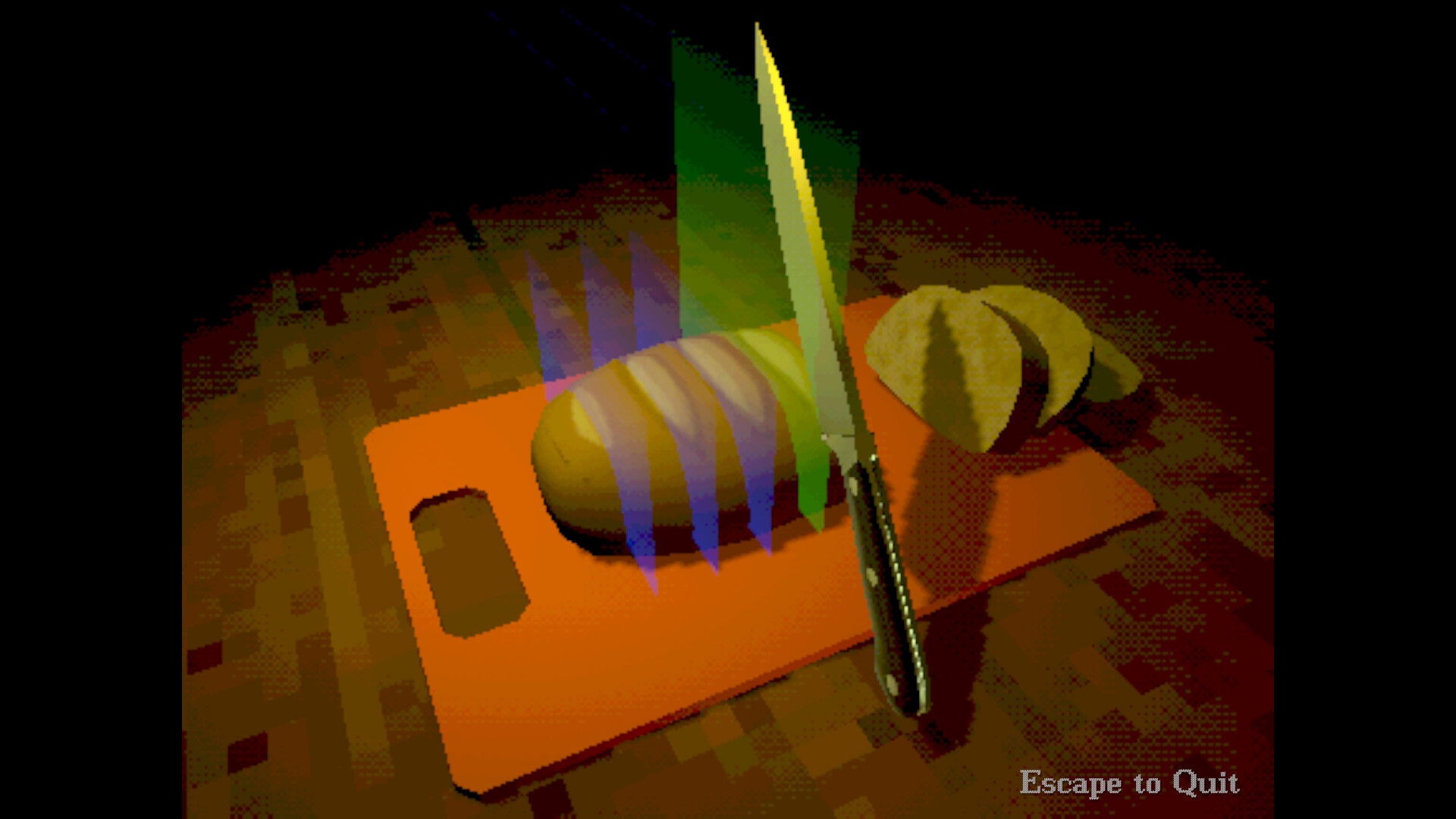
Set against that praise is a complaint that shows up almost as often, and crucially, it isn't confined to the negative reviews. Multiple reviewers, including several who still recommend the game, describe the actual act of cooking as static: gather the right ingredients, put them in the oven, wait. One negative review states plainly that "using the exact same method for every recipe comes across as lazy or uninspired," while another, more detailed account puts it more bluntly still: "it all felt like the same recipe with just a different icon for the final dish that was created in the end." A separate reviewer flags that food items themselves don't have unique visual models, just a shared paper bag with a different label, undercutting some of the visual payoff of successfully cooking a new dish. The frying-pan minigame, singled out by name across both positive and negative reviews, draws consistent frustration for physics that several reviewers call inconsistent or fiddly, even from reviewers who otherwise recommend the game without reservation.
Short by design, and reviewers are split on whether that's a problem
"Too short" is close to the single most repeated phrase in this entire sample. Reported completion times, achievements included, cluster tightly between two and six hours, and a large share of even the most enthusiastic five-star-style reviews include some variation of wanting more: more creatures, more recipes, more rooms, an endless mode, or paid DLC. A few reviewers frame this as a deliberate, disciplined choice rather than a shortfall, arguing the game ends exactly when its ideas run out and doesn't overstay its welcome, and one review explicitly credits the tight runtime for keeping the experience from becoming repetitive on top of the already-repetitive cooking loop. But the sheer frequency of "wanted more" as a criticism, even from four- and five-star reviews, makes it hard to treat as a minor footnote: this is a short game, priced for more than a short game typically costs, and enough of the audience explicitly clocked that tension for it to be a real, not marginal, consideration.
Isolated but serious technical reports
Buried in the negative-review tail are a handful of specific, credible technical complaints that don't appear widely enough across the sample to call systemic, but are serious enough on their own terms to flag plainly. One reviewer, logging 6.8 hours, reports losing all progress three separate times after saving and quitting, having to restart from the beginning each time. Another was locked into a fixed 640x480 resolution with no in-game option to raise it, despite confirming their hardware could handle more and that other players report higher options being available to them. A third, more detailed account describes ingredients clipping through the floor, inconsistent frying-pan physics sending items flying at low speeds, and animals repeatedly stealing food meant for other creatures due to unclear proximity logic. None of these are corroborated widely enough in this sample to read as universal, but a save-corrupting bug in particular is the kind of report worth taking seriously regardless of how rare it appears to be.
Weighing the price against what most players actually get
At NZ$11.79 for a game most players finish, achievements included, somewhere between two and six hours, several reviewers explicitly recommend waiting for a discount rather than buying at full price, with one stating outright they felt "letdown" even having bought in at a 20% reduction. Others push back on that framing, arguing the atmosphere, craftsmanship, and emotional payoff justify the cost regardless of length, and a genuinely large share of the sample rates the game highly without raising price as an issue at all. Both readings show up often enough, and from similarly engaged reviewers, that neither can be dismissed as an outlier: this is a game whose value proposition genuinely splits opinion along a length-versus-craft axis, rather than one where the price is either clearly fair or clearly excessive.
Final Verdict
Creature Kitchen earns its overwhelmingly positive reception honestly. Its creepy-cozy atmosphere, careful sound design, and unusually affecting ending are praised with a consistency across thousands of independent reviews that's hard to fake or hype into existence, and that originality is the clearest reason to recommend it. But the same sample that praises it this consistently also, just as consistently, flags a cooking mechanic that doesn't meaningfully evolve and a runtime that leaves a large share of even its biggest fans wanting substantially more for the price. Worth playing for the atmosphere and the ending alone, but go in expecting a single memorable evening rather than a game that rewards extended engagement, and consider waiting for a sale if a two-to-six-hour runtime is a sticking point.
Pros and cons
Pros
- An unusually large and consistent review sample, in the thousands, repeatedly and independently praises the game's specific "creepy-cozy" tone, a PS1-era low-poly horror aesthetic paired with a deliberately unthreatening, wholesome tone that multiple reviewers describe as unlike anything else they've played
- The ending is singled out across dozens of reviews in multiple languages as genuinely moving, with reviewers independently describing crying, feeling "changed," or wanting to replay the game immediately after finishing it
- Extensive accessibility and comfort options are called out favourably by more than one detailed review, including screen-shake limits, inverted controls, subtitle support for ambient radio dialogue, and separate audio sliders
Cons
- A recurring and well-corroborated complaint, raised independently across numerous negative and even several positive reviews, is that the core cooking mechanic barely changes between recipes; multiple reviewers describe it as "throwing everything in the oven" regardless of dish, with one detailed review calling it "the same recipe with just a different icon for the final dish"
- The game is short enough that "too short" is close to the single most common critique across the entire sample, with most reviewers reporting full completion, achievements included, somewhere between two and six hours, and several explicitly wishing for more creatures, recipes, or rooms
- A small number of detailed reviews report technical rough edges not corroborated widely enough to call systemic but serious enough to flag: one reviewer's saved progress was wiped three separate times after quitting and relaunching, another was locked to a fixed 640x480 resolution with no way to raise it, and a third reported ingredients clipping through the floor and inconsistent frying-pan physics
Screenshots
-
Creature KitchenImage: The Rat Zone via Steam -
Creature KitchenImage: The Rat Zone via Steam -
Creature KitchenImage: The Rat Zone via Steam