Old School RuneScape
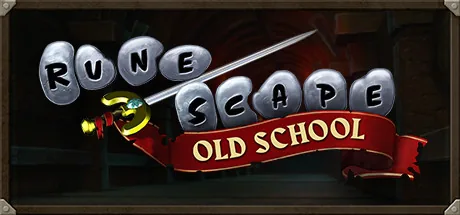
A 2007 client kept alive by its players since 2013 — every update to Old School RuneScape has to survive a supermajority vote, and that single rule shapes everything else about how the game feels seventeen years on.
8.5 / 10
Browse by platform
249 games we have reviewed that run on macOS, best first.
249 reviews
A 2007 client kept alive by its players since 2013 — every update to Old School RuneScape has to survive a supermajority vote, and that single rule shapes everything else about how the game feels seventeen years on.
8.5 / 10
A short, genuinely inventive puzzle adventure that reaches outside the game window to talk to you — 98.3% positive, and if you're on Linux or Steam Deck you should buy a different version of it.
8.5 / 10
Build a machine that makes gold, then spend three hours making it smaller — 97.1% positive, nine years old, and still receiving patches a fortnight ago.
8.5 / 10
A free horror-fantasy visual novel about a messy, thirty-something friend group dragged back into the wish-granting wonderland of their childhood — remastered and re-released this July to a genuinely spotless review record.
8.5 / 10
A space-colony simulation where the number that scales isn't a character level — it's the tangle of pipes, wires and thermal gradients you're personally responsible for keeping alive, and the game never once lets physics take a day off.
8.5 / 10
Two and a half years after the meme that ate January 2024, Palworld's 1.0 finishes the job — a survival sandbox whose real subject is labour, with 72 more Pals, a level-80 ceiling and two new regions bolted onto the top of it.
8.5 / 10
A hundred thousand copies in its first week, and deservedly — you play a single parasite tearing organelles out of immune cells and grafting them onto your own body. The best twin-stick roguelite of the year so far, with one genuinely misleading line on its store page.
8.5 / 10
A puzzle game about pushing boxes into boxes that contain themselves — 99% positive, one of the highest-rated games in this library, with a motion-sickness problem its own longest-playing critic begged the developer to fix.
8.5 / 10
An idle farming sim that gave up on being a game you look at, and became the desktop companion the whole genre now copies — charming and honest about its own smallness, if a little thin once the farm is built out.
8.5 / 10
A fan remake that outgrew the game it copied, and has been updated every year for a decade. It's free on Android, open source on GitHub, and carries no ads or purchases of any kind — so the interesting question isn't whether it's good. It's why you'd ever pay for it.
8.5 / 10
A retro survival horror game that wears its Resident Evil and Silent Hill influences openly and still manages real originality — beloved for its atmosphere, queer storytelling and puzzle design, with one honest recurring complaint about how tedious that puzzle design gets.
8.5 / 10
A minimalist dice-based roguelike tactics game, originally built on itch.io, that's earned near-unanimous acclaim on Steam — with an unusually small negative-review pool centred on pacing and content depth rather than any fundamental design flaw.
8.5 / 10
Four years on, 97.2% positive across 176,389 reviews — and its critics are still arguing that the only reason it scores that well is that you play as a cat.
8.5 / 10
The roguelike that taught the genre what item synergy could be, at 97% across 439,000 reviews. Twelve years and hundreds of items later, its most experienced players are asking whether it now has too many.
8.5 / 10
An automation game that skips the usual pretend-programming abstractions and just hands you a Python-shaped scripting language, then asks you to actually write the loops and functions that run your farm. The rare "learn to code" game that works as a game first.
8.5 / 10
A game about a small fox that hands you an instruction manual in a language you can't read and lets that single idea carry an entire adventure — and a soulslike hiding inside a Zelda costume, which is where most of its arguments start.
8.5 / 10
A Viking survival sandbox that gates its whole progression behind biomes, each one resetting your sense of safety from zero. Five and a half years into Early Access, with a firm 1.0 date finally on the calendar, it's worth asking how much of that reputation still holds.
8.5 / 10
Ten years on it's still the sharpest turn-based tactics game ever made, built on one brilliant, divisive decision: you are always out of time. The thing that's actually got worse since 2016 isn't the game — it's what you have to agree to in order to launch it.
8.5 / 10
A voxel survival sandbox that replaces Minecraft's tap-a-block-get-an-ingot logic with real material science — knapping, pit kilns, bloomeries and alloy ratios you actually have to measure — sold direct from the developer for one flat price with no storefront in between.
8.4 / 10
Twelve years into Early Access, the isometric zombie survival sandbox just shipped its biggest update ever and got multiplayer back. The skill grind is still the best in the genre; the menus are still the reason half the people who buy it never see it.
8.3 / 10
A minimalist text-based incremental that spends its first act pretending to be nothing at all, then quietly reveals it was building a survival story out of firewood, huts and silence the whole time.
8 / 10
A brick-breaker, base-builder and roguelite mashed together into something genuinely novel — and, by a large and coherent share of its own fans, something that runs out of ideas within its first ten hours and never quite finds a reason to justify the dozens more it invites.
8 / 10
A stamina-gated piggy-bank smasher that turns an anxious premise — debt collectors, deadlines, a hand that gets tired — into one of the tightest, funniest short incrementals on Steam, even if the skill tree runs out of ideas well before the hammer does.
8 / 10
A genre-defying puzzle roguelike-lite set in a mysterious manor whose floor plan you draft anew each in-game day, celebrated with a 92 Metascore and widely called one of the most creative puzzle games in years — beloved specifically by players willing to take pages of physical notes, and marked by a real, still-unresolved design tension between its puzzle-solving brain and its randomised, roguelike-lite execution.
8 / 10