
Game review
SIGNALIS
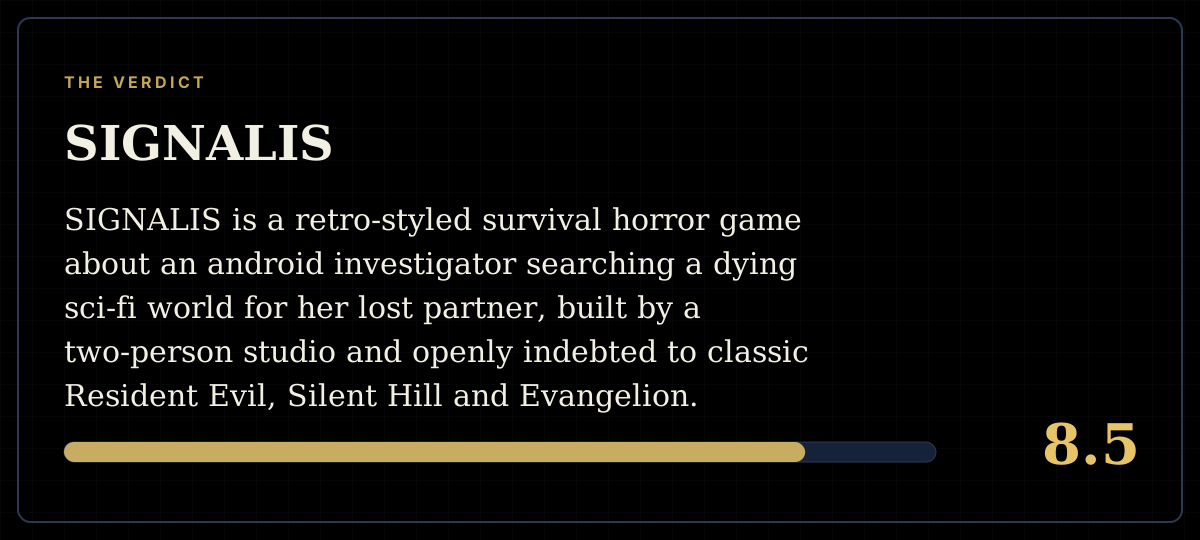
8.5 / 10
- Developer
- rose-engine
- Publisher
- Balor Games
- Released
- 27 October 2022
- Platforms
- Windows, macOS, Linux
- Genre
- Survival Horror
- Monetisation
- One-time purchase, NZ$31.90. No microtransactions, no paid DLC.
- Players
- Single-player only
The short version
SIGNALIS is a retro-styled survival horror game about an android investigator searching a dying sci-fi world for her lost partner, built by a two-person studio and openly indebted to classic Resident Evil, Silent Hill and Evangelion. 96.6% positive across 33,849 reviews reflects something rarer than pastiche done well — reviewers consistently describe original emotional and narrative territory underneath the familiar survival-horror mechanics, especially in its earnest, central queer love story.
The honest, consistent dissent comes from players who find the genre's classic limited-inventory, key-item-fetching structure taken to a genuinely tedious extreme here, with small storage space and heavy backtracking cited repeatedly across every year since launch. It's a real complaint from reviewers who otherwise praise the game's presentation, not a controversy — several say plainly they wish Steam offered a "mixed" rating rather than a binary choice.
Biggest strengths
- A distinctive retro-pixel presentation and sound design that reviewers across every year single out as genuinely atmospheric rather than merely nostalgic
- An earnest, central queer love story that a striking number of reviewers cite as the emotional core of the game and a reason it resonates beyond typical genre fans
- Real narrative ambition and originality beneath its openly-acknowledged influences, avoiding feeling like pure pastiche
Biggest weaknesses
- A deliberately small inventory combined with heavy key-item backtracking is the single most consistent complaint since launch, with several reviewers calling the pacing tedious rather than tense as a result
- Some reviewers describe the game as derivative enough of Resident Evil and Silent Hill to feel like "deja vu" rather than a fresh take, despite crediting its narrative ambitions
- At least one detailed, highly-upvoted report describes flashing lights and sudden scene transitions serious enough to force stopping play after 20 minutes — worth knowing if you're photosensitive
Who it's for: Survival horror fans who want genuine atmosphere and puzzle-box design over combat, especially anyone drawn to classic PS1/PS2-era horror aesthetics and willing to embrace slow, deliberate pacing. Less suited to players who find limited-inventory backtracking frustrating rather than tense — that mechanic sits at the center of nearly every honest criticism of the game.
Our recommendation: Buy it, and be aware of two practical things before you start. First, the puzzle and inventory structure is deliberately restrictive in the classic survival-horror mold, more so than many recent games in the genre — go in expecting real backtracking rather than a streamlined modern pace. Second, at least one detailed report describes flashing lights and abrupt visual transitions serious enough to warrant caution for anyone photosensitive.
8.5 / 10
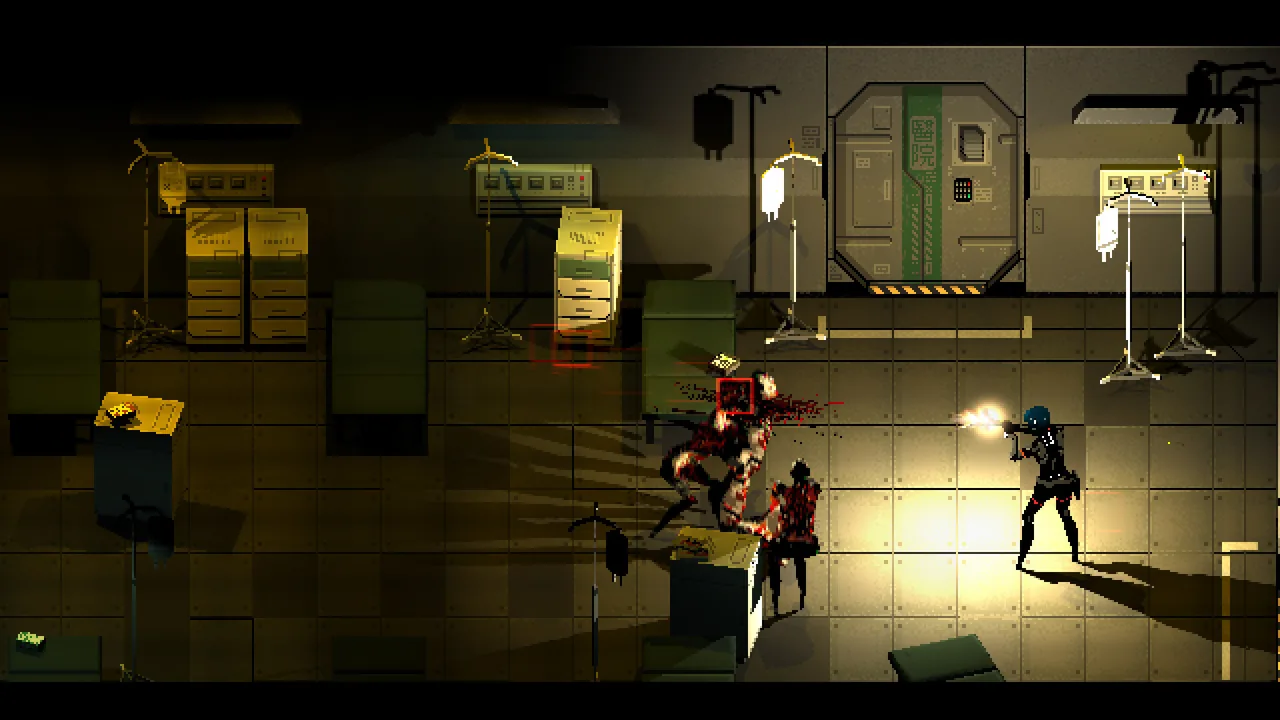
SIGNALIS wears its influences on its sleeve — Resident Evil's fixed camera dread, Silent Hill's psychological weight, a healthy dose of Evangelion's mecha-anime melancholy — and rather than holding that against it, the review corpus treats the combination as a genuine achievement, built by a studio of just two people.
Familiar bones, an original heart
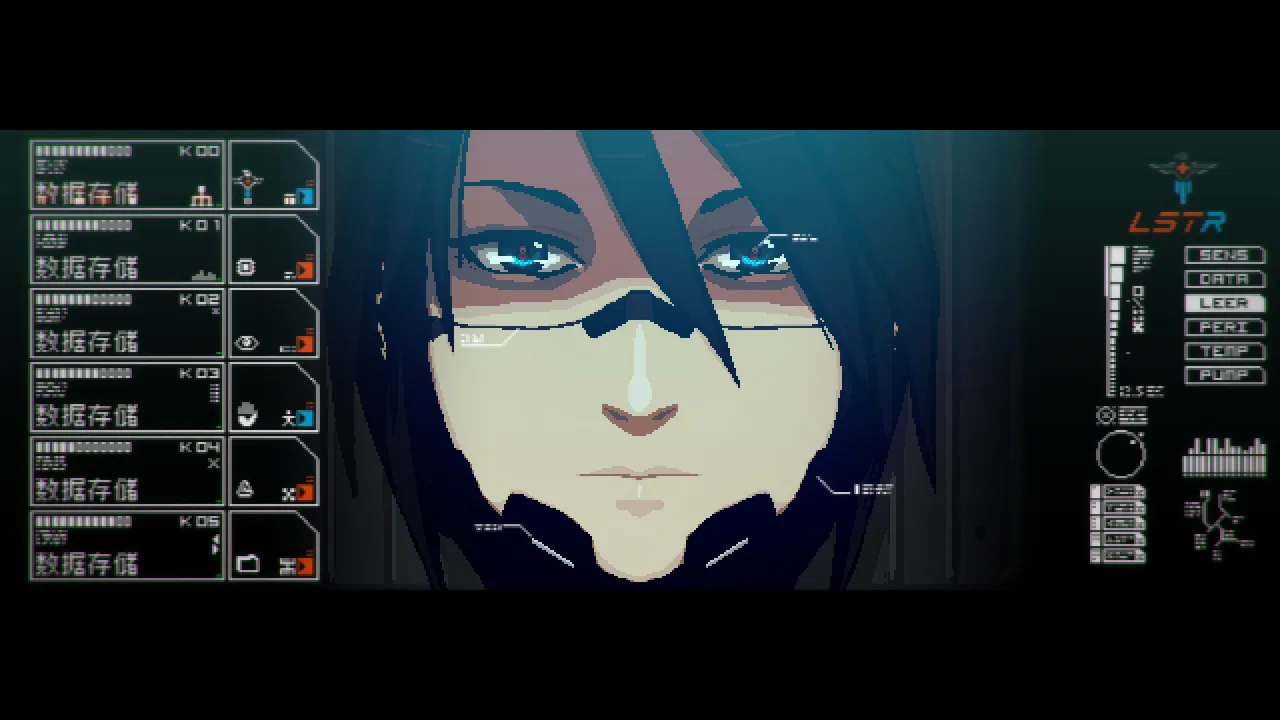
An android replika named Elster searches a decaying sci-fi installation for her lost partner, Ariane, through corridors, puzzles and hostile creatures that will be instantly recognizable to anyone who's played classic survival horror. What reviewers consistently say sets it apart is what's underneath that structure. A striking number of the most-upvoted positive reviews aren't really about the horror mechanics at all — they're playful, enthusiastic responses to the game's earnest, central romance between two women, treated by the game with a sincerity reviewers say is rare even in games that include queer characters at all. One of the top reviews jokes about wanting to be included in "the girls and the gays" the game is apparently for; another states plainly, "a masterpiece game, so long as you aren't repulsed by women kissing. I am not repulsed by women kissing." That's not incidental praise — the review corpus treats the relationship at the game's center as inseparable from why it resonates as deeply as it does.
The honest, consistent complaint
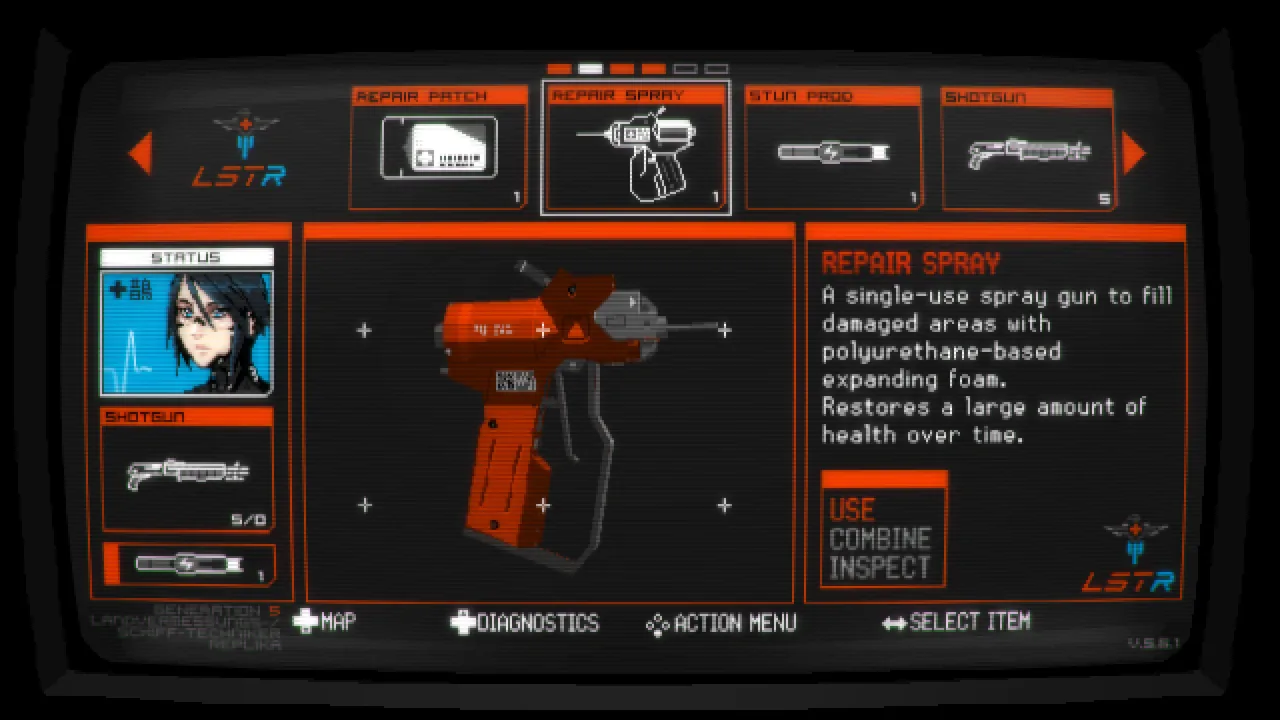
The dissent in this game's history is remarkably stable in shape across every year since 2022, and it centers on one specific design choice: a deliberately tiny inventory combined with heavy key-item backtracking. "95% of the gameplay is walking through confusing corridor layouts to bring this key item to this slot to obtain another key item," one reviewer writes, calling the result closer to a walking simulator than the horror game its reputation suggests. Several reviewers are explicit that they don't consider the game bad — one wishes Steam offered a "mixed" option rather than a binary recommendation, precisely because the presentation and story earn real praise while the inventory management genuinely frustrates them. A related, smaller thread argues the game leans on its influences heavily enough to feel like "deja vu" for genre veterans rather than fully its own thing, even while crediting its narrative ambition.
A genuine accessibility note worth passing on
One detail is worth reporting directly rather than burying: the single most-upvoted positive review in the game's history — over a thousand votes — opens with high praise before disclosing that flashing lights and sudden scene transitions forced the reviewer to return the game after only twenty minutes. That's a specific, credible warning from someone who otherwise loved what they saw, and it's worth knowing about in advance if you're photosensitive, independent of anything else in this review.
Reading the completion data
The achievement curve fits a story-driven horror game with real narrative commitment from most buyers. Early milestones sit at 89.6% and 64.9%, showing the overwhelming majority of players get well into the story. The rarest achievements, tied to the game's harder endings and secret content, fall to around 4-7%, a typical spread for a narrative horror game whose true depth rewards a dedicated, smaller group of players who go looking for it.
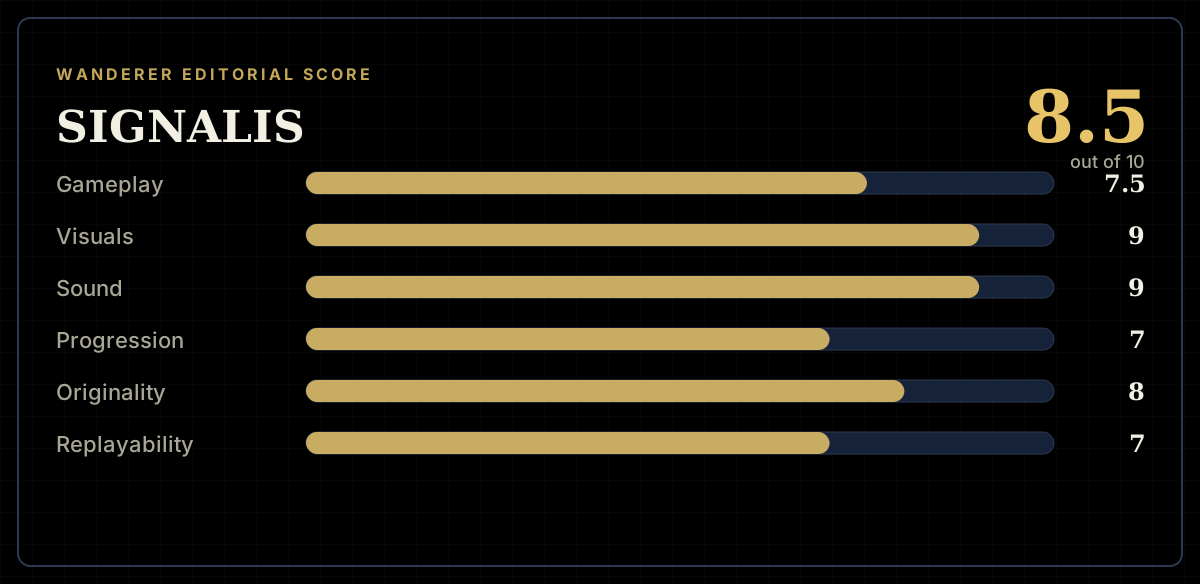
8.5 out of 10. SIGNALIS earns its Overwhelmingly Positive rating through genuine atmosphere, a sincere and well-told central relationship, and real narrative ambition that goes beyond its openly acknowledged influences — a remarkable achievement for a two-person team. It loses ground to a specific, honestly and repeatedly reported design choice: an inventory and backtracking system that a real, consistent share of otherwise-admiring players find tedious rather than tense. That's a fair trade-off for a game built this deliberately in an old tradition, and worth knowing about rather than discovering three hours in.
Pros and cons
Pros
- A distinctive retro-pixel presentation and sound design that reviewers across every year single out as genuinely atmospheric rather than merely nostalgic
- An earnest, central queer love story that a striking number of reviewers cite as the emotional core of the game and a reason it resonates beyond typical genre fans
- Real narrative ambition and originality beneath its openly-acknowledged influences, avoiding feeling like pure pastiche
- Built by a two-person studio, making its scope and polish notably impressive for its size
- Strong puzzle design for players who enjoy classic survival-horror structure done with real commitment
Cons
- A deliberately small inventory combined with heavy key-item backtracking is the single most consistent complaint since launch, with several reviewers calling the pacing tedious rather than tense as a result
- Some reviewers describe the game as derivative enough of Resident Evil and Silent Hill to feel like "deja vu" rather than a fresh take, despite crediting its narrative ambitions
- At least one detailed, highly-upvoted report describes flashing lights and sudden scene transitions serious enough to force stopping play after 20 minutes — worth knowing if you're photosensitive
- A meaningful minority find the story confusing or the pacing slow enough to lose interest before the conclusion
Screenshots
-
SIGNALISImage: Balor Games via Steam -
SIGNALISImage: Balor Games via Steam -
SIGNALISImage: Balor Games via Steam -
How the review scores each part of the gameWanderer Editorial -
The short versionWanderer Editorial